Herbal & Flower Teas
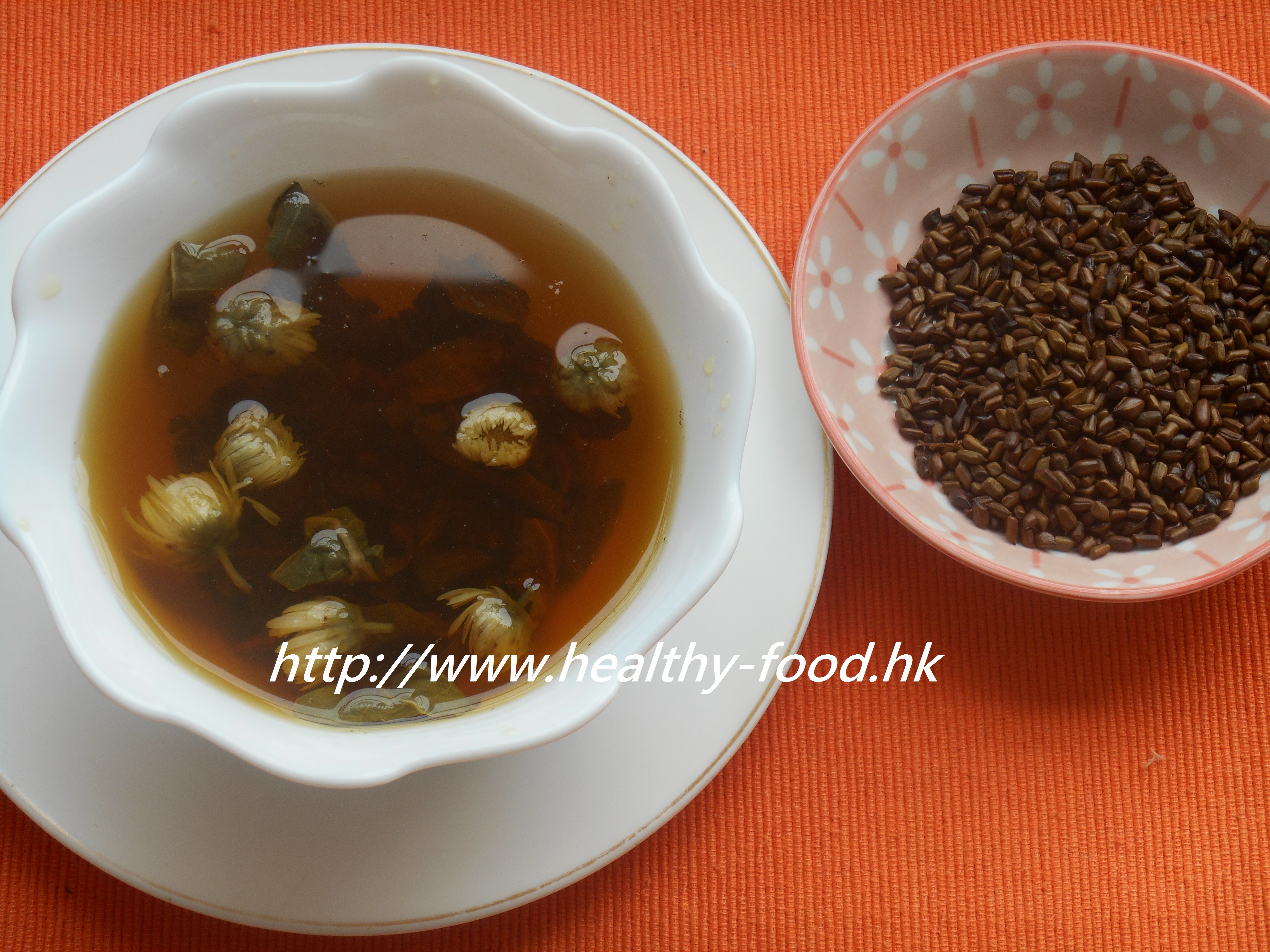
Chrysanthemum, Cassia Seed and Lotus Leaf Tea
Traditionally associated with clearing summer heat, supporting healthy blood pressure, and calming the liver
Why people make this tea
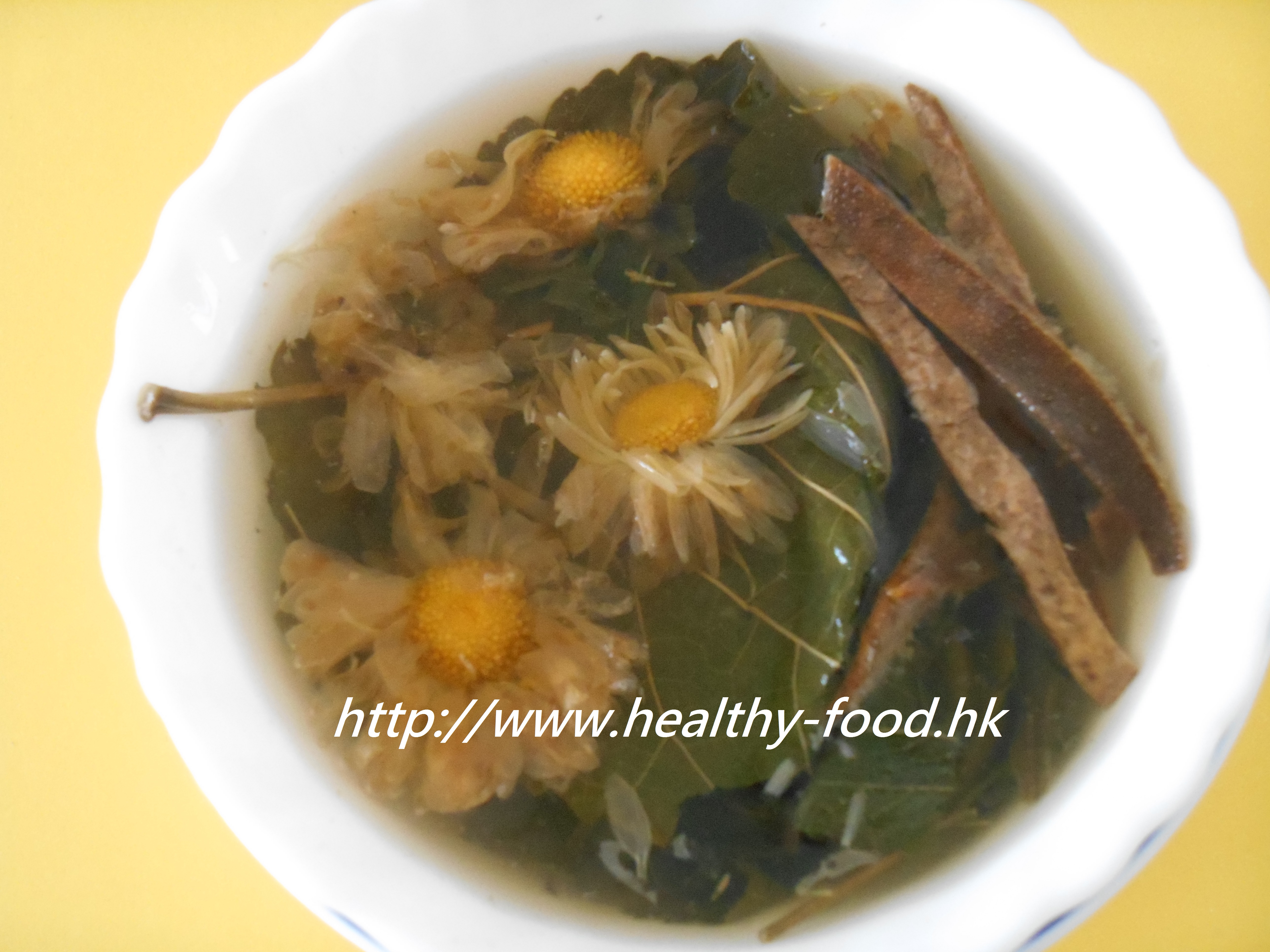
When Hong Kong summer heat becomes stifling, Bro Niu reaches for this trio. Lotus leaf lifts the heaviness that humid, hot days leave in the body, chrysanthemum clears the kind of head pressure or dizziness that can creep in on hot afternoons, and cassia seeds — once lightly dry-fried in a pan — open up a gently nutty aroma and release compounds that modern research associates with supporting healthy blood pressure, cholesterol levels, and liver function. Together they make a tea that is not just therapeutic on paper but genuinely refreshing to drink.
Who it suits / who should be cautious
- Suitable for people experiencing summer heaviness, thirst, mild headache or dizziness from the heat, or those with elevated blood pressure or cholesterol
- Also helpful for flushed, irritated eyes associated with excessive screen time or summer heat
- Do NOT combine cassia seed with poria mushroom (fu ling) — the two are considered incompatible in traditional Chinese herbalism
- People with chronically low blood sugar can use this tea safely — cassia seed does not affect blood sugar
- If you have never used cassia seed before, start with a small amount to check for sensitivity
- This tea is somewhat cooling in nature; those with a cold constitution or loose stools may want to reduce the cassia seed and add a slice of ginger
Why these ingredients (the food-therapy logic)
- Chrysanthemum (ju hua): Traditionally used to calm liver-yang rising, clear heat from the eyes, and ease dizziness and headache from summer heat; pairs naturally with cassia for eye and head comfort
- Cassia seeds (jue ming zi): Modern research notes compounds in cassia associated with lowering blood pressure, reducing cholesterol, and protecting the liver; in traditional use it clears liver heat and brightens the eyes; dry-frying before steeping is important — it unlocks the flavour and makes the seeds more effective
- Lotus leaf (he ye): Traditionally used to clear summer heat, reduce dampness, and support healthy fat metabolism; pleasant, clean flavour that lightens the overall taste of the brew
Ingredients (1 pot / 2–3 cups)
| Ingredient | Amount | Notes |
|---|---|---|
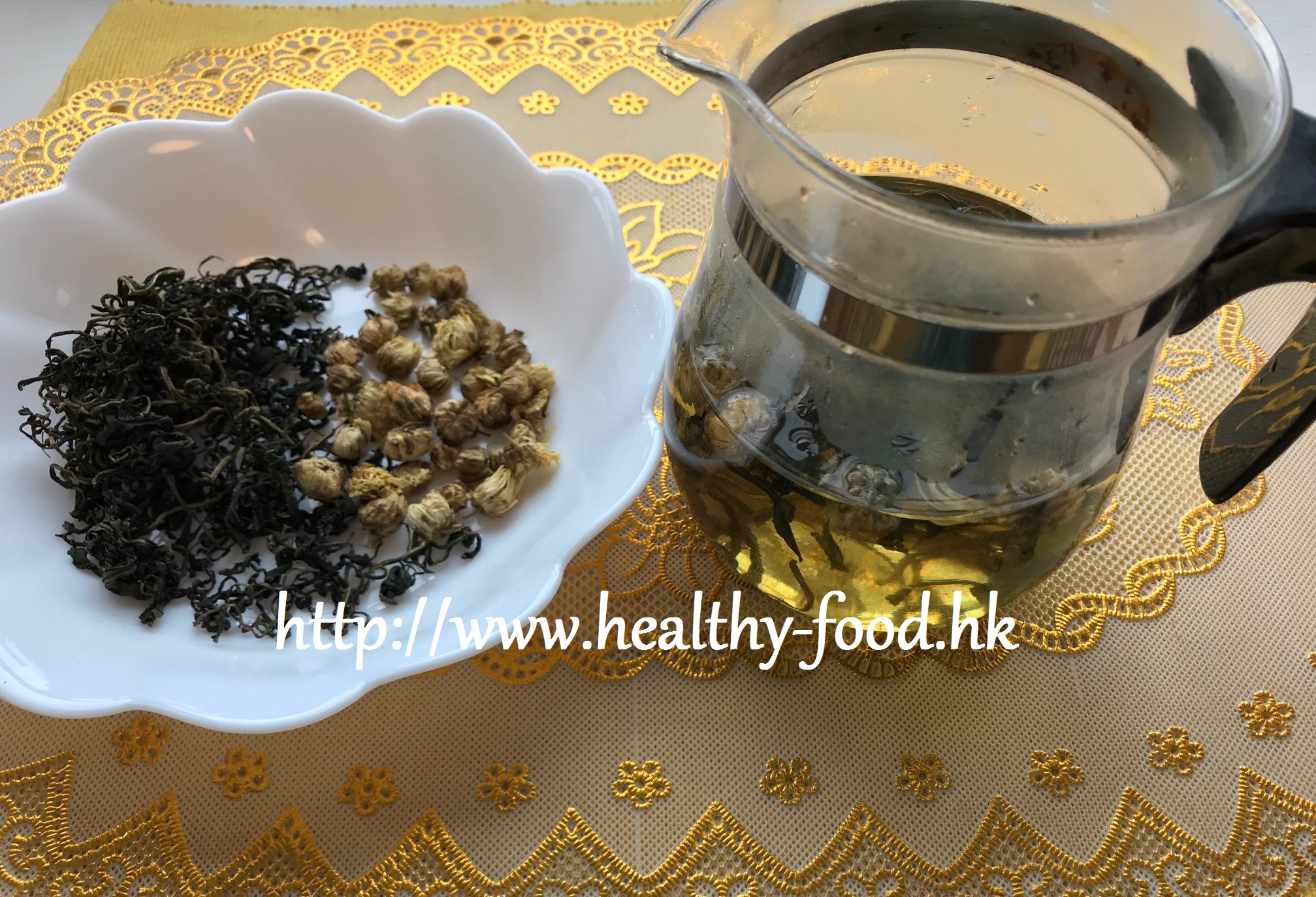
| Chrysanthemum flowers (ju hua) | 2 qian (~7 g) | Rinse once with hot water before steeping |
| Cassia seeds (jue ming zi) | 3 qian (~11 g) | Dry-fry in a clean wok until fragrant first |
| Dried lotus leaf (he ye) | 2 qian (~7 g) | Rinse once with hot water before steeping |
Method
- Dry-fry the cassia seeds in a clean, ungreased wok or pan over medium heat, stirring constantly, until they release a toasty, slightly nutty aroma. Remove and allow to cool slightly.
- Place the cassia seeds, chrysanthemum flowers and lotus leaf together in a teapot or large heatproof cup.
- Pour a small amount of freshly boiled water over the ingredients, swirl briefly, and drain — this first rinse removes dust and any surface impurities.
- Pour in fresh boiling water to fill the pot, cover, and steep for 5 minutes.
- Pour and enjoy. The same leaves can be re-steeped once or twice.
Bro Niu’s tips
Skipping the dry-fry step makes a noticeably weaker tea — if your cassia seeds have not been roasted, steep them in simmering (not just boiling) water for at least 15 minutes instead. This tea is best drunk fresh; it is not suitable for storing overnight, unlike bean-based teas. For those with qi and blood deficiency who want to make cassia part of their routine, try combining 1 tablespoon of dry-fried cassia seed with 1 tablespoon each of red dates (sliced) and longan meat and steep as a daily tea — this version is warming and nourishing rather than purely cooling.
Community questions answered (selected)
-
Q (Anita Fong): If the cassia seeds have not been dry-fried, will the effect be weaker? Bro Niu: Yes — un-roasted cassia seeds do not release their flavour easily. You would need to simmer them for at least 15 minutes to get any real effect.
-
Q (Anita Fong): Can I dry-fry a large batch of cassia seeds in advance and use them over time? And is this tea suitable for someone with qi and blood deficiency? Bro Niu: Yes, you can roast a big batch and store them. For qi and blood deficiency, take 1 tablespoon of roasted cassia seeds each time and pair them with 1 tablespoon each of red dates (sliced) and longan meat — steep together as a daily tea. That combination is more warming and helpful for building qi and blood.
-
Q (reader, 小玲): After drinking this tea, my urine turned almost brown. Is that normal? Bro Niu: After drinking this tea, urine should actually become clearer, not brown. Please check whether it might be blood in the urine. Stop drinking for now. Have you used cassia seed before? A small number of people are sensitive to it. If this was your first time, avoid cassia seed going forward — chrysanthemum and lotus leaf on their own should be fine.
Published July 6, 2016 · Adapted and translated for Nourilo from a traditional home-kitchen recipe. Approx. 4 min read.