Herbal & Flower Teas
Dandelion and Chrysanthemum Tea
traditionally associated with clearing internal heat, supporting liver health and calming mild inflammation
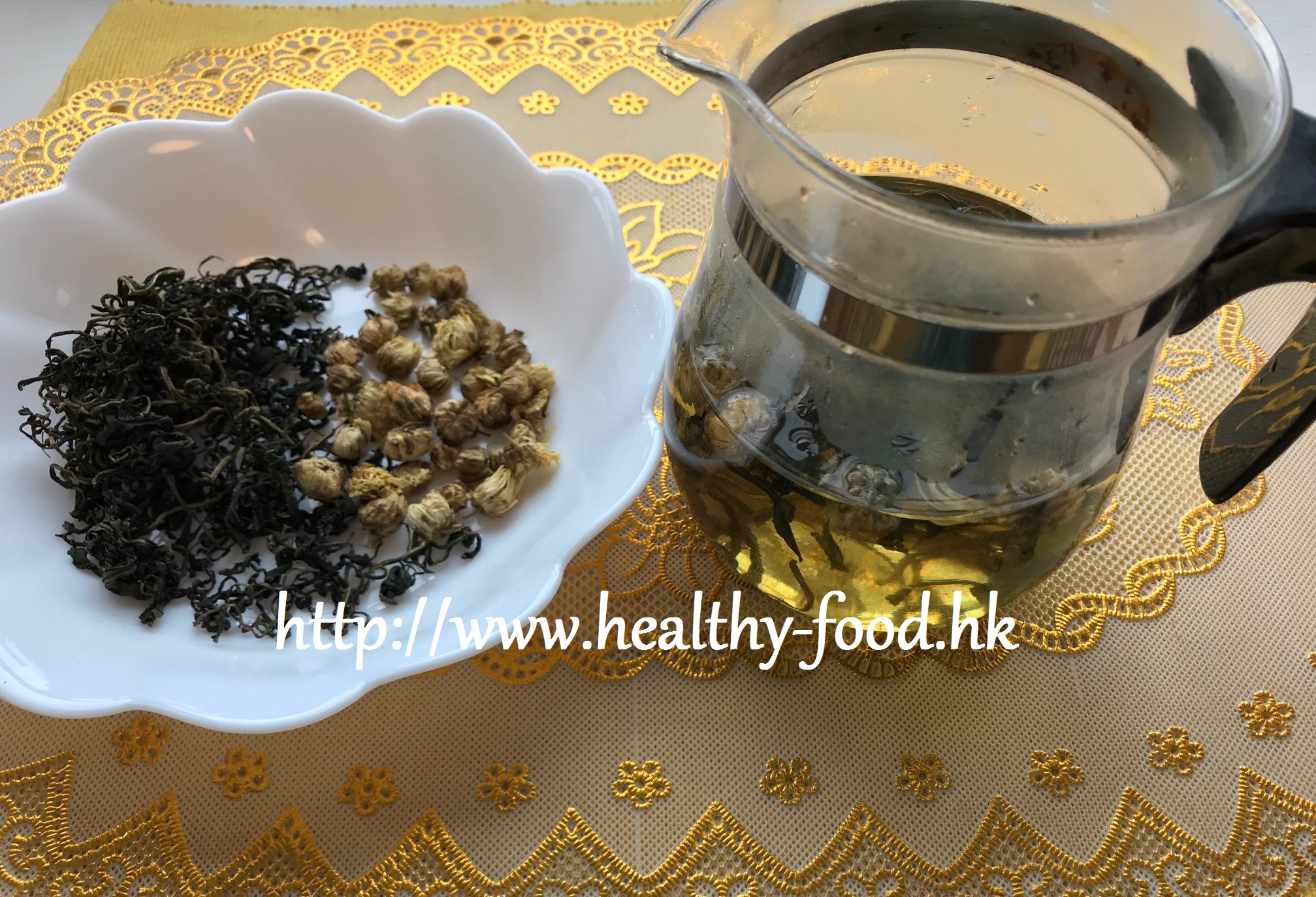
Why people make this tea
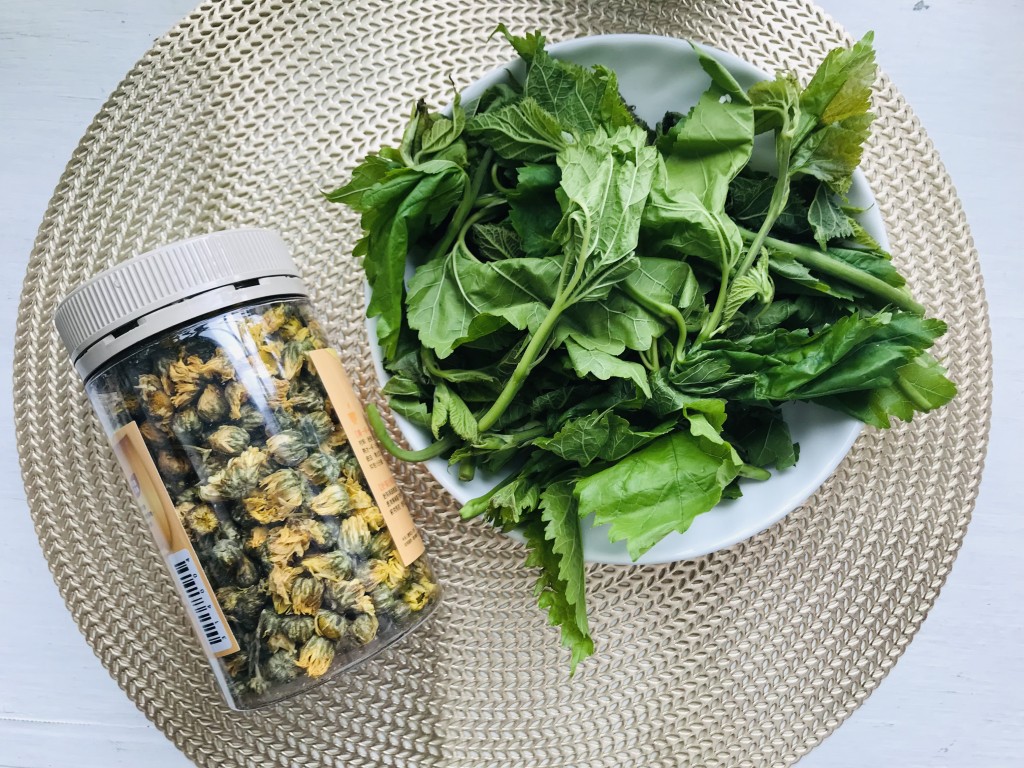
Dried dandelion is widely available at Chinese herb shops and online, and it is one of those unassuming ingredients that quietly delivers. Although dandelion paired with honeysuckle flower (jin yin hua) is the classic formula for more acute inflammation, for everyday wellness use dandelion with chrysanthemum is the gentler and more enjoyable choice. Chrysanthemum has a long tradition of supporting eye health and calming liver heat — that slightly scratchy feeling behind the eyes after a long day at the screen, or the sense that the liver is “overworked” and running hot. Together, these two flowers make a tea that is light, slightly floral and easy to make at home for a very modest cost.
Who it suits / who should be cautious
- Suitable for people who spend long hours on screens, those prone to red or irritated eyes, sore throats or mild inflammation
- Also associated with supporting healthy cholesterol and blood pressure
- People with a cold constitution (yang deficiency), low blood pressure or those who feel the cold easily should avoid this tea — it is cooling in nature and not suitable for these constitutions
- Best drunk warm and not in excess
Why these ingredients (the food-therapy logic)
- Dandelion (pu gong ying): Both the leaves and the root have been used medicinally; in Chinese food therapy, dried dandelion is associated with clearing heat from the liver, supporting eye health and providing mild antibacterial and anti-inflammatory properties; also traditionally mentioned for supporting gallbladder health
- Chrysanthemum (ju hua): A classic liver-calming flower in Chinese herbalism; long associated with cooling the eyes, dispersing wind-heat and supporting clarity of vision; gentler than dandelion, making it a good partner herb
Ingredients (1–2 cups)
| Ingredient | Amount | Notes |
|---|---|---|
| Dried dandelion herb (pu gong ying) | 2 tablespoons | Leaf-and-stem dried form; available at Chinese herb shops |
| Dried chrysanthemum flowers (ju hua) | 1 tablespoon | Use plain, unflavoured dried flowers |
Method
- Place both herbs in a teapot or heatproof vessel.
- Pour boiling water over them, then immediately discard this first rinse (this washes the herbs).
- Pour in fresh boiling water and steep for 5 minutes.
- Pour and drink. The tea can be re-steeped with fresh hot water until the flavour is exhausted.
Bro Niu’s tips
The dried dandelion sold in Chinese herb shops is typically made from the leaves — the same leaves you might see growing as garden weeds. Both the leaf and the root carry beneficial properties, and the whole plant (dried) is what Chinese herb shops stock. If you are lucky enough to have fresh dandelion growing in your garden and it has not been sprayed with pesticides, you can use it fresh: simply simmer fresh dandelion with chrysanthemum for 5 to 7 minutes rather than just steeping, to draw out the flavour and beneficial compounds properly.
Community questions answered (selected)
-
Q (Namnam): Can fresh dandelion from the garden be used for tea? What do I need to know? Bro Niu: If the dandelion in your garden hasn’t been sprayed with pesticides, it’s perfectly fine to use. Because fresh dandelion needs more time to release its properties, simmer fresh dandelion with chrysanthemum for about 5 to 7 minutes before drinking, rather than just steeping.
-
Q (Namnam): Does dandelion tea use the leaves or the flower? Bro Niu: The leaves and root are used — not the flower.
-
Q (Claris): For general wellness, can honeysuckle flower be used with chrysanthemum? What amount? (I have yin deficiency with internal heat.) Bro Niu: Honeysuckle flower also works well — use about 1 tablespoon. People with yin deficiency and internal heat can also use this combination.
Published June 12, 2020 · Adapted and translated for Nourilo from a traditional home-kitchen recipe. Approx. 3 min read.