Herbal & Flower Teas
Yu Ping Feng San — Jade Windscreen Powder Decoction
traditionally supports the immune system, strengthens the body's surface defence, and reduces susceptibility to colds
Why people make this tea
Yu Ping Feng San — “Jade Windscreen Powder” — is one of the most storied formulas in classical Chinese medicine, designed to build what practitioners call wei qi (defensive energy at the body’s surface). The name evokes a jade screen standing between you and the wind: a subtle but sturdy shield. People who catch colds easily, look pale, feel chronically tired, or sweat without exertion are the classic candidates. Bro Niu recommends this formula especially for children who get sick every time the weather changes, and for adults who feel run-down through a long cold season.
Who it suits / who should be cautious
- Suitable for adults and children who are frequently ill with colds or flu, have low energy, or sweat spontaneously.
- For children, mix with a little honey to make it more palatable; for children under 5, halve the adult dose.
- Do NOT take while you have an active cold or fever — the formula is for prevention and recovery support, not for use during an acute illness. Resume only after symptoms have fully cleared.
- People with red-spotted lupus (systemic lupus erythematosus) or other autoimmune conditions that involve excess heat should not take warming tonics like this; please see a doctor.
- Those with diabetes should omit the honey sweetener.
Why these ingredients (the food-therapy logic)
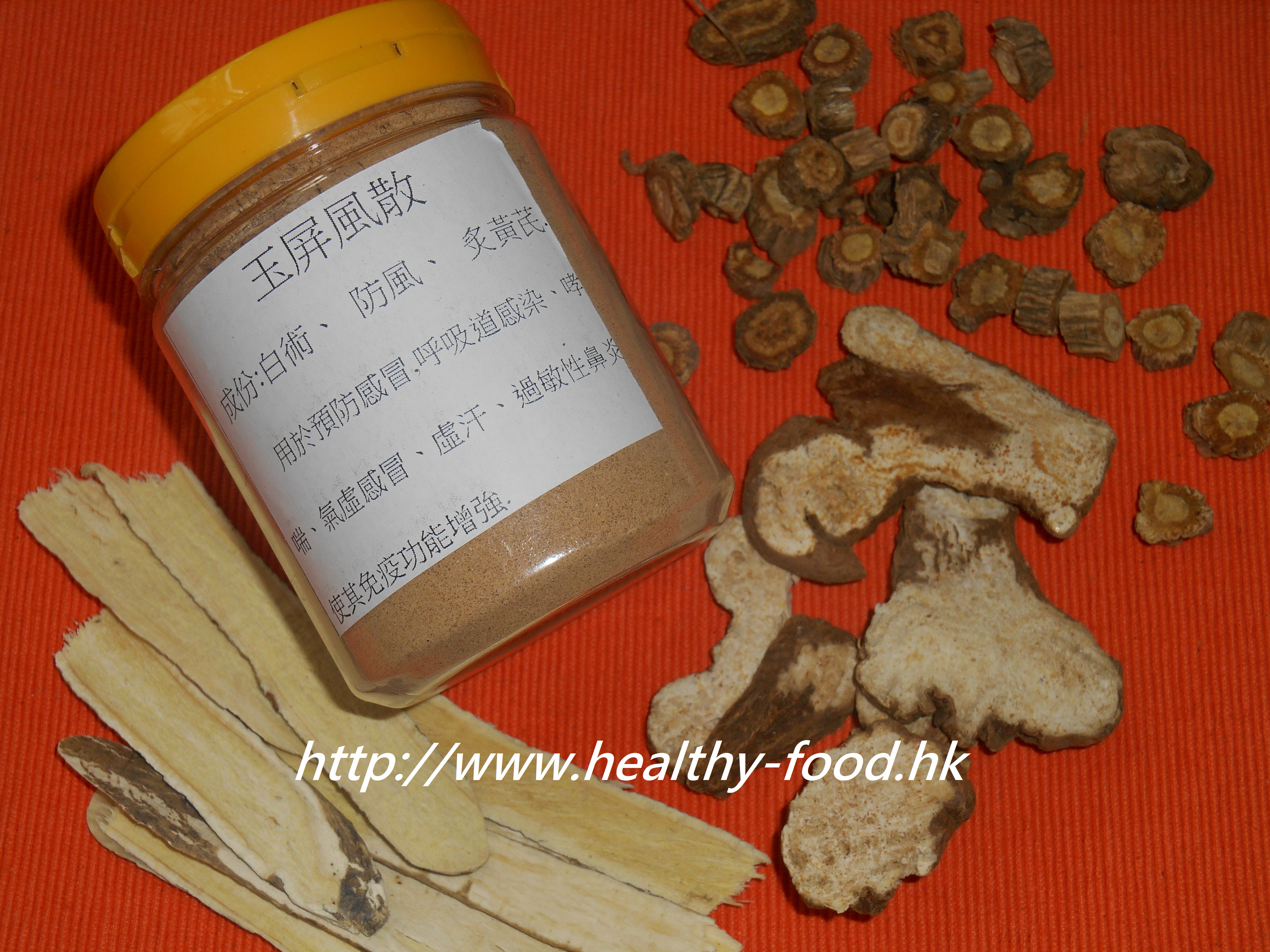
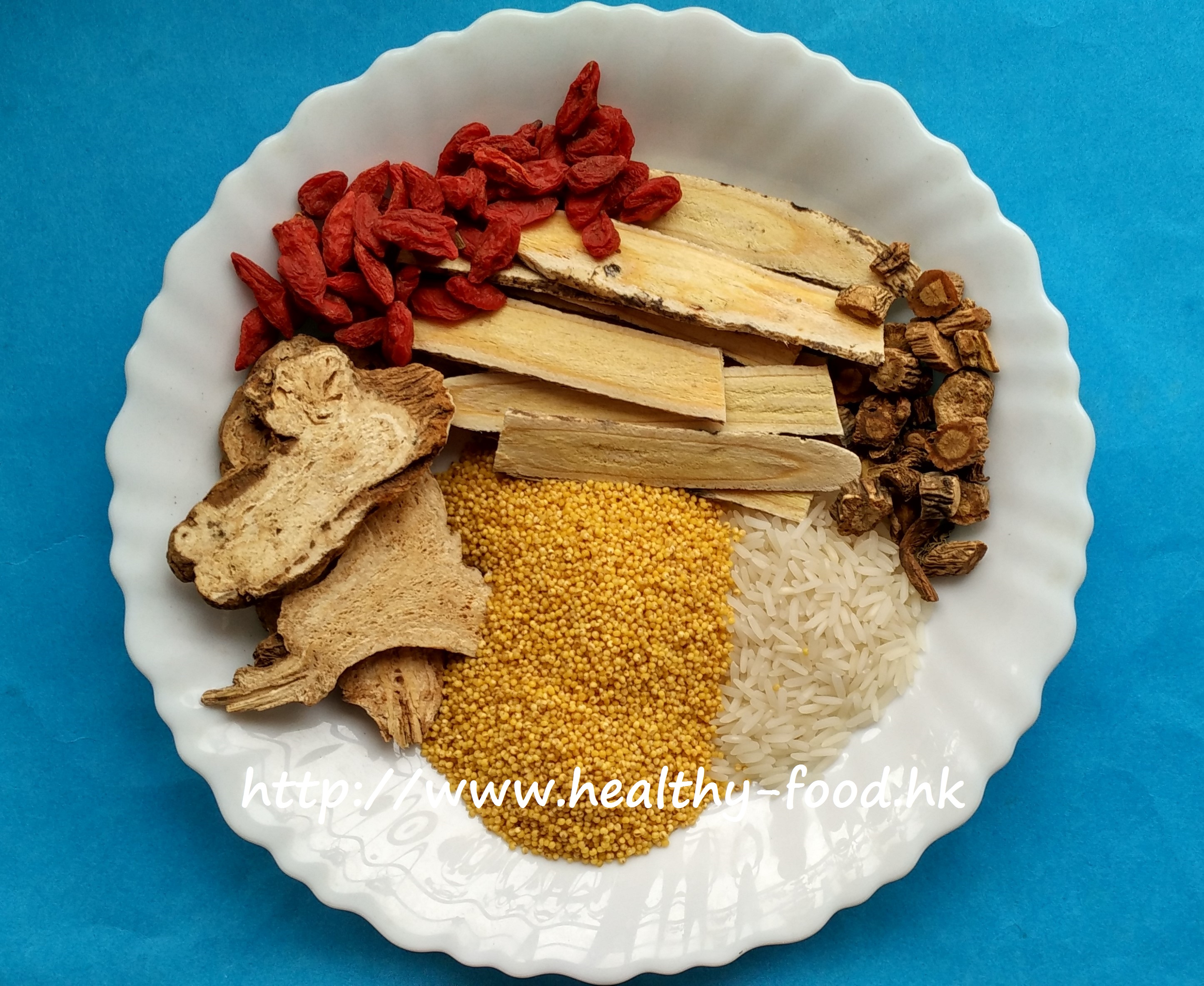
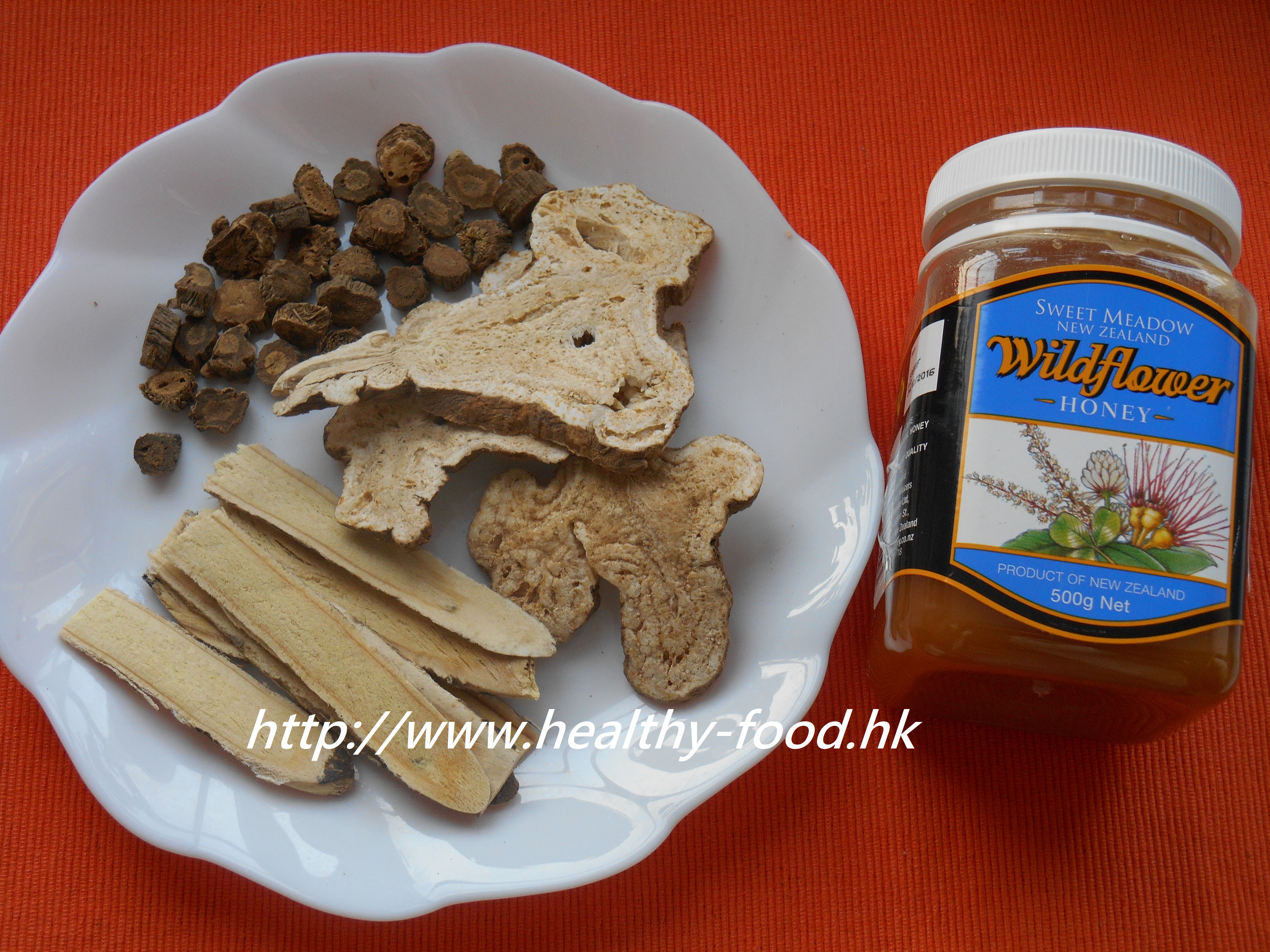
- Astragalus root (huang qi / bei qi): The principal tonic herb in this formula; traditionally considered the foremost herb for tonifying wei qi (defensive energy) and strengthening the body’s surface resistance.
- White atractylodes rhizome (bai zhu): The main herb in this formula by proportion; traditionally used to strengthen the spleen and stomach, which are seen as the source of qi production in Chinese medicine.
- Ledebouriella root (fang feng): A surface-releasing herb that works synergistically with astragalus — it helps direct the tonic energy outward to the body’s surface without causing the formula to become too constrained. The name literally means “guard against wind.”
Ingredients (1 pot, family of 4)
| Ingredient | Amount | Notes |
|---|---|---|
| Astragalus root (bei qi) | 75 g | Available at Chinese herb shops |
| White atractylodes (bai zhu) | 75 g | |
| Ledebouriella root (fang feng) | 38 g | |
| Water | 8 bowls (~2 litres) | |
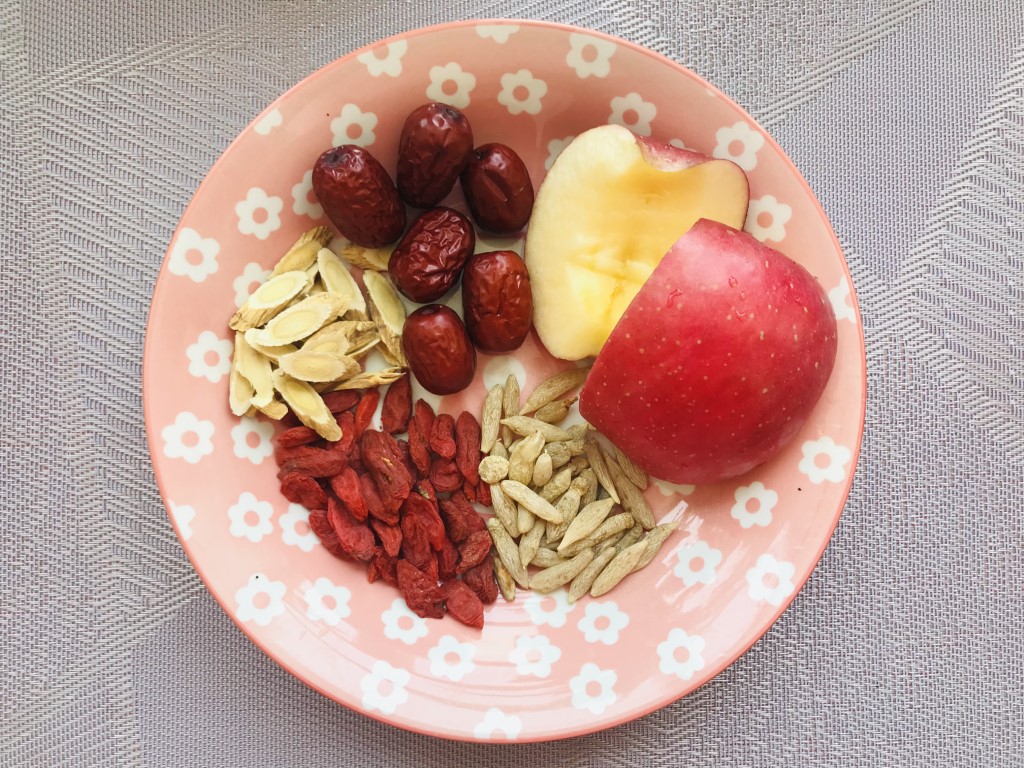
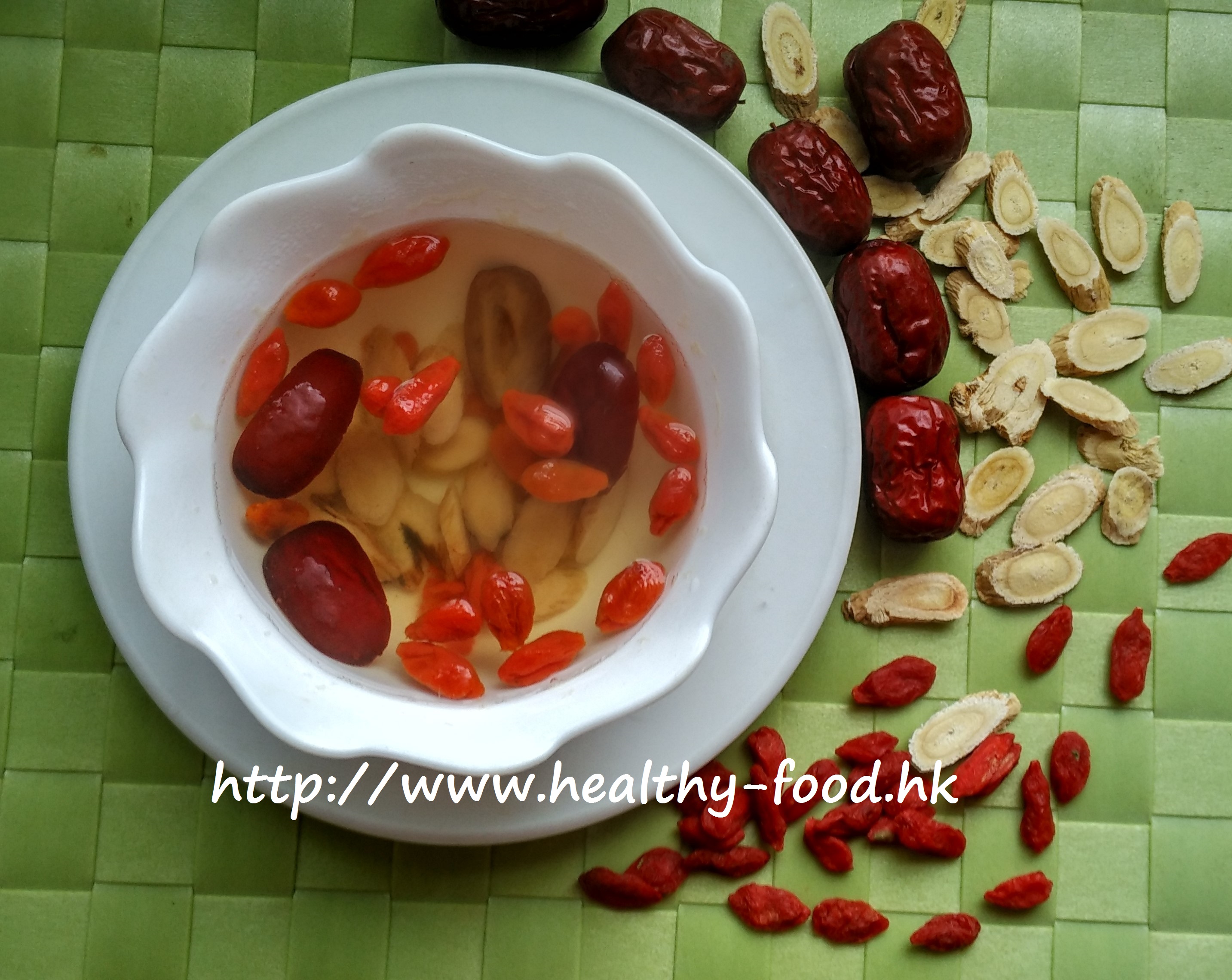
| Red dates (optional) | 8–12 pieces, pitted | Add to cook with herbs for sweetness |
| Honey (optional, not for diabetics) | A little | For children — add after cooking |
Method
- Rinse the herbs briefly.
- Combine all three herbs in a pot with 8 bowls of water. If using red dates, add them now.
- Bring to a boil, then reduce to a gentle simmer for 30 minutes, until the liquid reduces to about 4 bowls.
- Strain and serve warm. If using honey for children, add it to each cup after cooling slightly.
- Frequency: up to 3 times per week during cold and flu season.
Convenient alternative: Many Chinese pharmacies and wellness shops sell Yu Ping Feng San as a ready-made granule or powder (ke li / chong ji). Brands such as Nong Ben Fang (农本方) are widely available. Adults: dissolve about 10 g (approximately 2 teaspoons) per serving in hot water. Children around 5 years old: about 5 g. Take between meals. Stop during any active cold or fever and resume once fully recovered.
Bro Niu’s tips
For children who find the flavour strong, boiling 8–12 red dates in water for 30 minutes and then using that sweet date water to dissolve the powder works beautifully — dates also have anti-allergy properties that complement the formula. When making from raw herbs, those with a drug-free, hormone-free supply tend to find better results. If you want to add xin yi hua (magnolia buds) to help with nasal allergy, simply add 6 flowers to the pot or steep them in hot water alongside the granules.
Community questions answered (selected)
-
Q (reader): Can this be taken during a cold? Bro Niu: Stop taking it while you have a cold. Resume only after the cold has cleared.
-
Q (reader, Ula — child with G6PD deficiency): Is Yu Ping Feng San plus magnolia buds safe for a child with G6PD deficiency? Bro Niu: Yes, the three herbs in Yu Ping Feng San — astragalus, ledebouriella, and white atractylodes — plus magnolia buds are all safe for children with G6PD. Take 3 times per week and continue until symptoms improve. It is not cooling.
-
Q (reader, ROSITA): I just finished recovering from a cold — can I start taking Yu Ping Feng San now? How often and when? Bro Niu: Wait until the cold is fully cleared, then begin. Take 3 times a week, between meals.
Published February 8, 2015 · Adapted and translated for Nourilo from a traditional home-kitchen recipe. Approx. 4 min read.