Soups
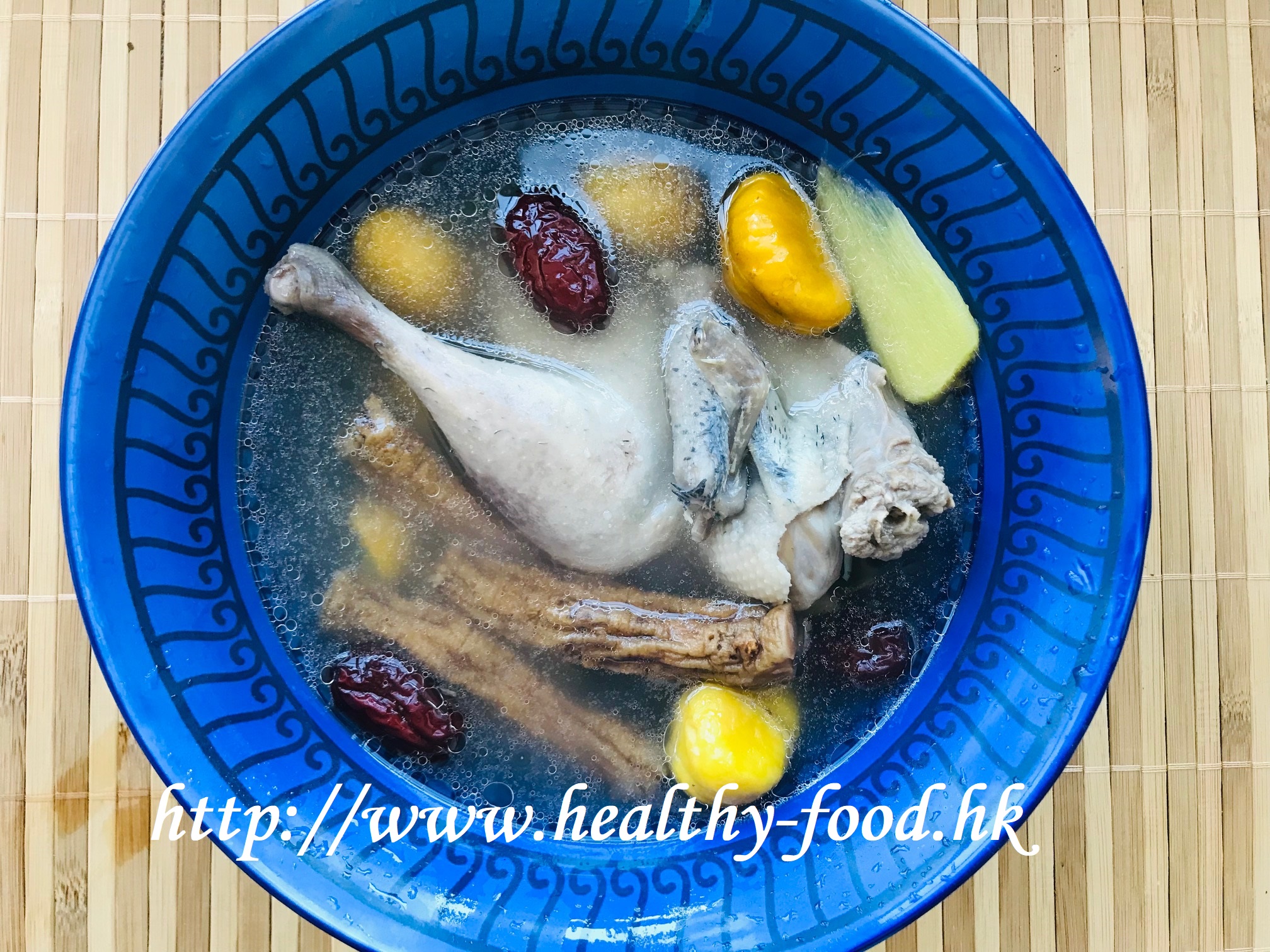
Morinda Root, Beef Sinew, Chestnut and Pork Rib Soup
traditionally used to nourish the joints, tendons, and lower back
Why people make this soup
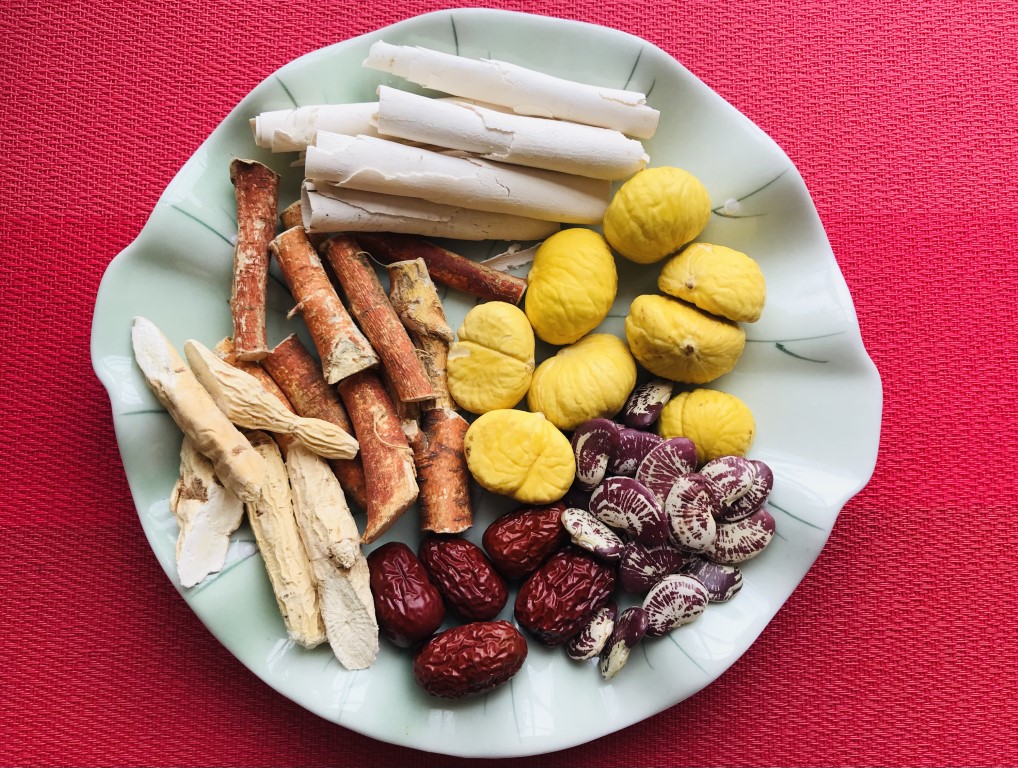
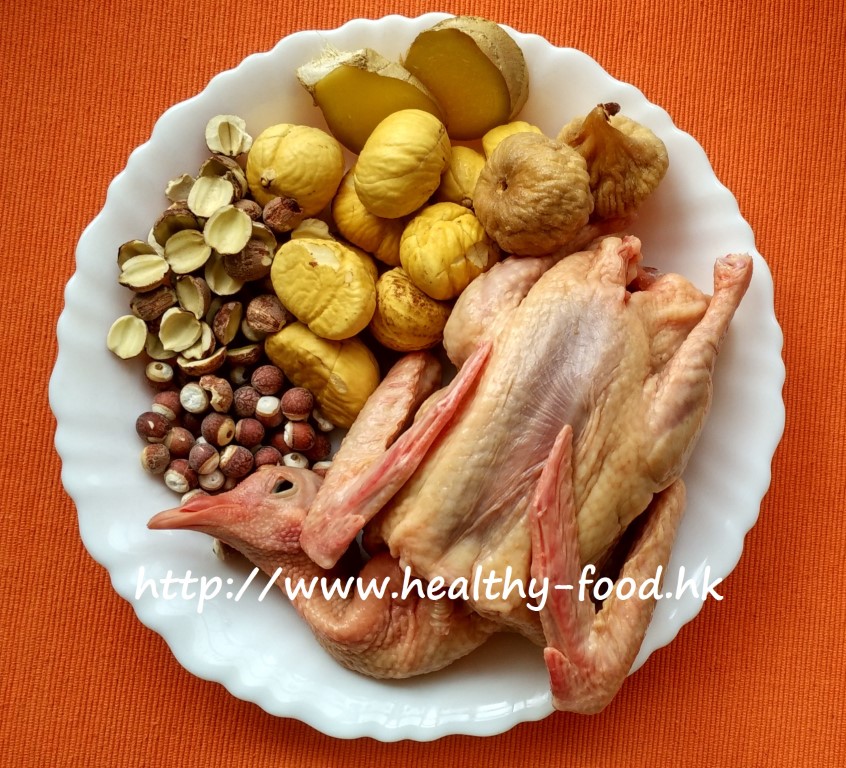
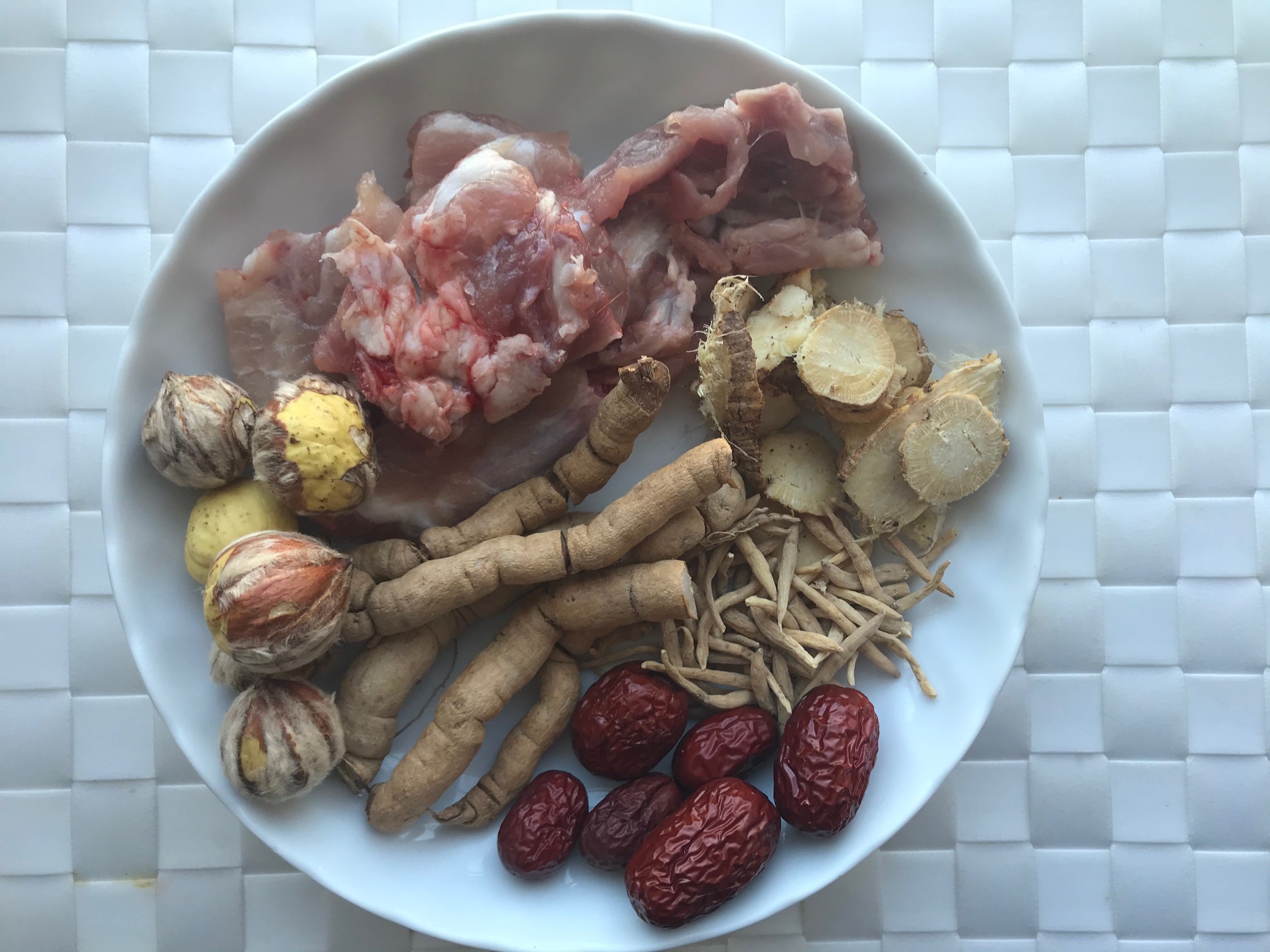
When Bro Niu spotted fresh morinda root and fresh beef sinew vine at the market one day, he knew exactly what to make. These two roots have been used together in Cantonese food therapy for generations — morinda for warming the kidney yang and supporting the tendons and joints, and beef sinew vine for its reputation of nourishing the liver and keeping the sinews supple. The soup is rounded out with prince’s ginseng (a gentler alternative to regular ginseng, also called “children’s ginseng” because it is mild enough for kids) and chestnuts, which add a natural sweetness and are traditionally linked with kidney-nourishing properties.
Who it suits / who should be cautious
- People with a stiff or achy lower back, weak or uncomfortable knees, or general joint discomfort associated with cold and damp conditions
- Also suitable for those recovering from physical fatigue, people with rheumatic joint discomfort, and older adults who find tonic herbs too heating
- Generally safe for the whole family; not suitable for those with active colds or flu — wait until the infection has fully cleared
Why these ingredients (the food-therapy logic)
- Morinda root (ba ji, Morinda officinalis): Traditionally used to warm the kidneys, strengthen the bones and tendons, and dispel wind-damp
- Beef sinew vine root (niu da li, Millettia speciosa): Associated with nourishing the liver, keeping the tendons and channels open, and supporting the lungs
- Prince’s ginseng (tai zi shen): A gentle qi tonic, cool-natured; suitable for those who are deficient yet cannot tolerate stronger tonics; safe for children
- Chestnuts (li zi): A food-therapy classic for supporting kidney function and strengthening the tendons
- Red dates (hong zao): Traditionally used to nourish the blood and calm the spirit
Ingredients (4–5 bowls)
| Ingredient | Amount | Notes |
|---|---|---|
| Fresh morinda root | ~75 g | Rinse and cut into sections |
| Fresh beef sinew vine root, sliced | ~38 g | Soak and rinse |
| Prince’s ginseng | ~11 g | Soak and rinse |
| Chestnuts | 6–8 pieces | Blanch to remove skins |
| Red dates | 6 pieces | Pit and rinse |
| Pork ribs | ~300 g | Blanch in boiling water |
Method
- Rinse the fresh morinda root and cut into 3–4 cm sections.
- Soak and rinse the beef sinew vine slices and prince’s ginseng.
- Drop chestnuts into boiling water briefly; peel off skins while warm.
- Pit the red dates.
- Blanch the pork ribs in boiling water for a few minutes; discard the water.
- Place all ingredients in a pot with 10 bowls of cold water. Bring to a boil, then reduce heat and simmer for 2 hours until roughly 4–5 bowls remain.
- Drink the soup and eat the solid ingredients.
Bro Niu’s tips
This is a well-rounded and nourishing soup — suitable for all ages. If fresh morinda root is unavailable, substitute with 5 qian (~19 g) of dried morinda root, which is easy to find in any Chinese herb shop. The soup can be made 3 times a week; continue until symptoms ease. Anyone taking blood thinners should check with their doctor before drinking regularly.
Community questions answered (selected)
-
Q (Lui): A family member fractured their wrist and lumbar vertebra at work. Is this soup suitable? Bro Niu: Yes, this soup is fine for fracture recovery. River crab congee and fish maw soup are also helpful. Avoid sour foods and pears, which are traditionally thought to interfere with bone healing.
-
Q (Lui): Cannot find fresh morinda root — can I use dried? Can this soup be made weekly? Bro Niu: Yes, use ~19 g of dried morinda root. Make it 3 times a week until symptoms improve.
-
Q (catherine): How much prince’s ginseng should I use? Can I substitute with codonopsis root? Bro Niu: About 3 qian (~11 g). Yes, codonopsis (dang shen) can substitute at the same amount.
Published January 4, 2021 · Adapted and translated for Nourilo from a traditional home-kitchen recipe. Approx. 3 min read.