Soups
Codonopsis, Chestnut and Muscovy Duck Soup
Traditionally associated with strengthening digestive qi, nourishing yin, and supporting kidney vitality
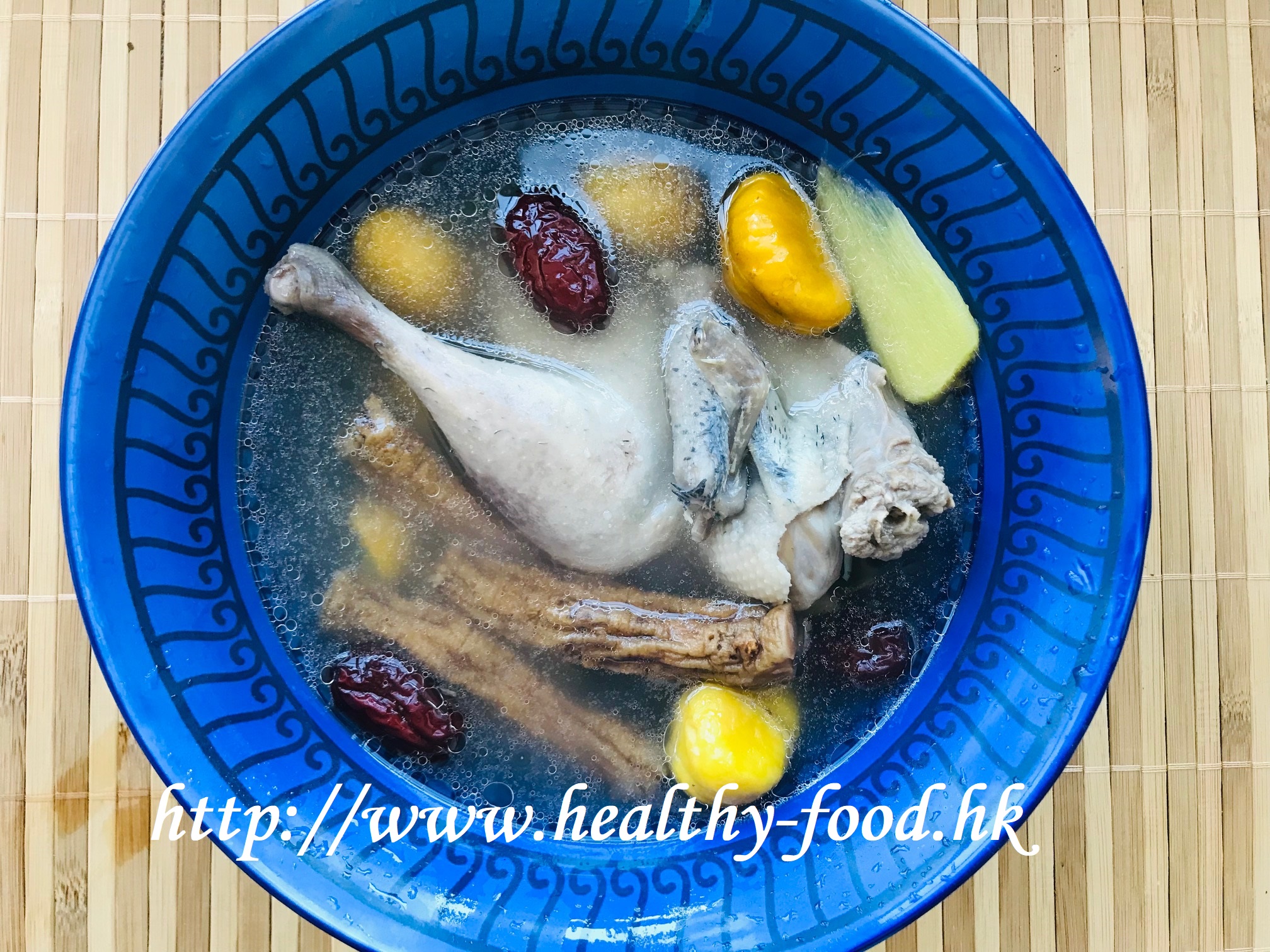
Why people make this soup
Chestnuts are one of Bro Niu’s favourite ingredients — sweet, soft, slightly floury, and deeply satisfying in soups. There are many varieties: the common board chestnut (ban li), the Guilin variety suited to braising, and occasional oversized novelty types. In Chinese food therapy, chestnuts are considered warm-natured, and particularly valued for supporting the stomach, spleen, kidneys, and tendons. Their richness in B vitamins, including riboflavin, makes them a traditional go-to for people prone to mouth ulcers or sores on the tongue. Combined here with codonopsis — a gentle, qi-building root — and the lean, yin-nourishing Muscovy duck, this soup achieves a lovely balance: warming enough to strengthen, yet not so hot as to aggravate sensitive constitutions.
Who it suits / who should be cautious
- Suitable for adults and children; good for those with poor appetite, swollen limbs from spleen deficiency, kidney weakness, leg fatigue, frequent urination, or chronic mild gastritis
- Excellent for elderly people experiencing gradual loss of strength in the legs and lower back
- Those prone to overheating (“shang huo”) will tolerate this soup well — the Muscovy duck is cooling enough to balance the warming chestnuts and codonopsis
- Not suitable for those with active cold/flu with fever, or for people with diabetes (chestnuts have a relatively high carbohydrate content)
- Those with high blood pressure should limit codonopsis to no more than about 11 g (3 qian) per serving
Why these ingredients (the food-therapy logic)
- Codonopsis (dang shen): A milder, affordable alternative to ginseng in everyday cooking; traditionally associated with tonifying qi, supporting digestion, and building energy without excess heat
- Chestnuts: Warm-natured; classically used to strengthen the spleen and stomach, nourish the kidneys, and support the tendons and bones; rich in riboflavin (B2)
- Muscovy duck (shui ya): More yin-nourishing and less fatty than ordinary duck; provides protein while tempering the warmth of the other herbs
- Red dates (hong zao): Harmonising herb; supports blood and calms the spirit
- Ginger: Aids digestion, adds warmth, and reduces any lingering gamey note from the duck
Ingredients (3 servings)
| Ingredient | Amount | Notes |
|---|---|---|
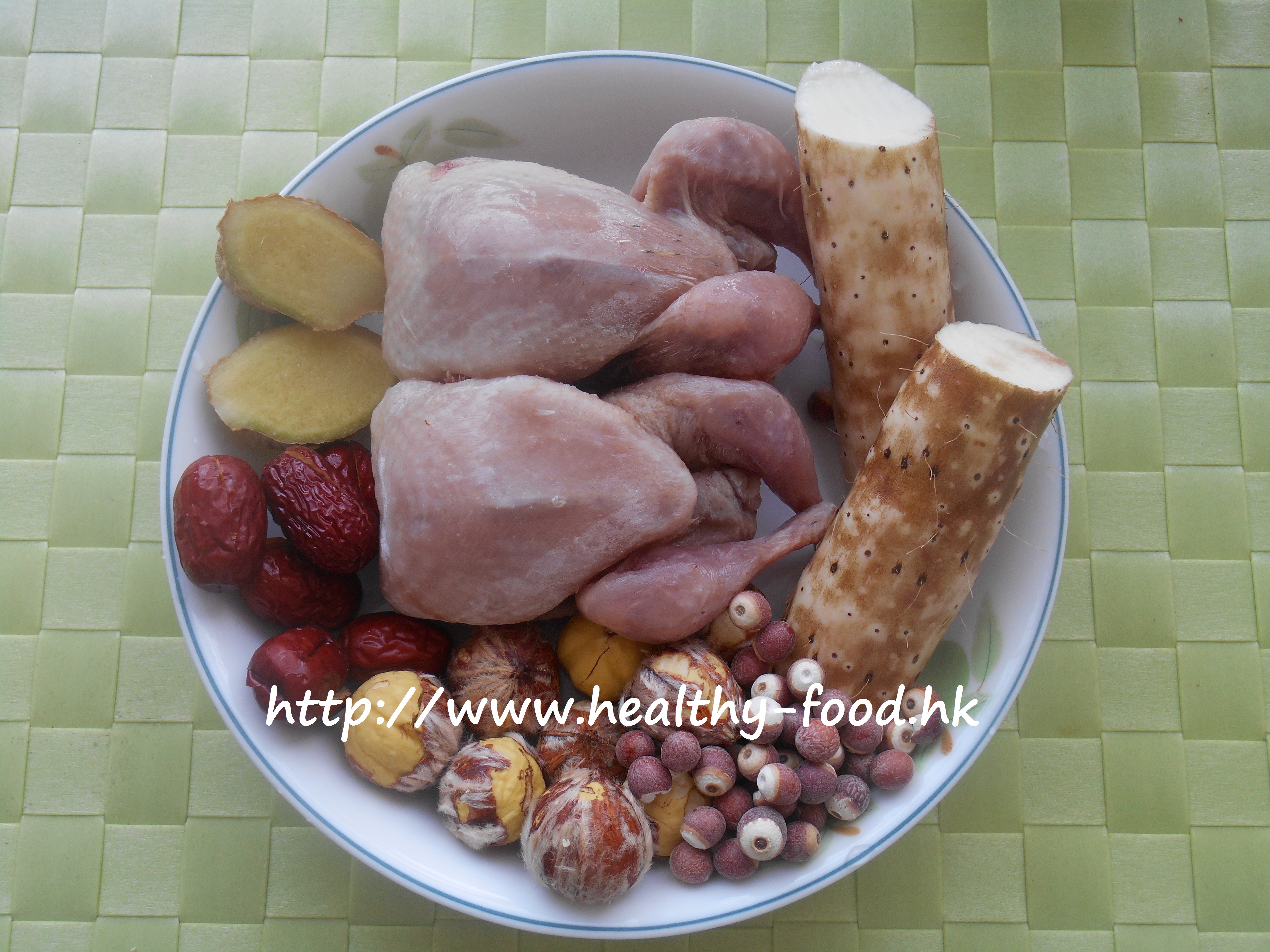
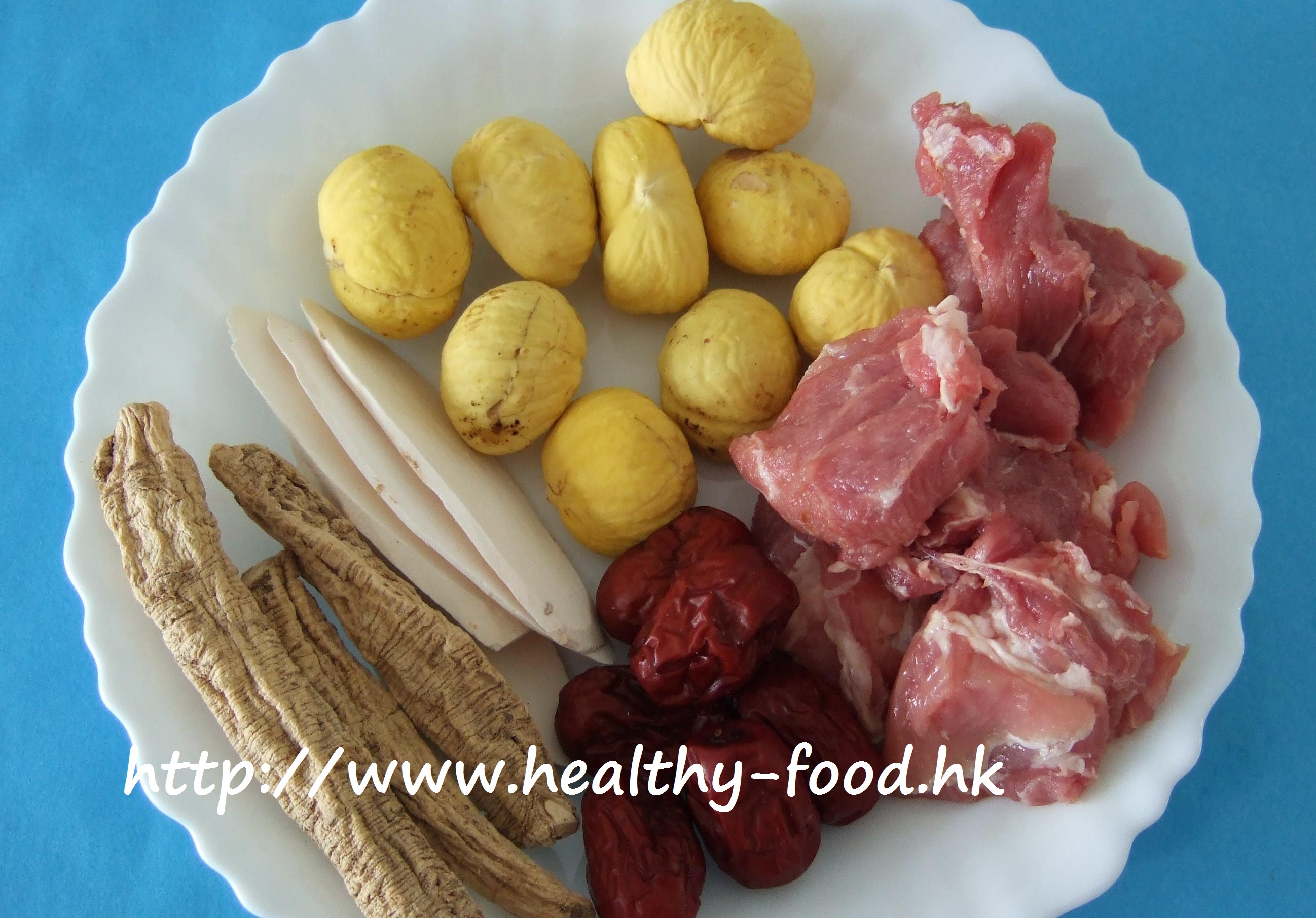
| Codonopsis root (dang shen) | ~37 g (1 liang) | Rinse and soak briefly before use |
| Fresh chestnuts | ~300 g (half jin) | Blanch briefly in boiling water to loosen and remove the inner skin |
| Red dates (hong zao) | 6 | Pitted |
| Fresh ginger | 3 slices | |
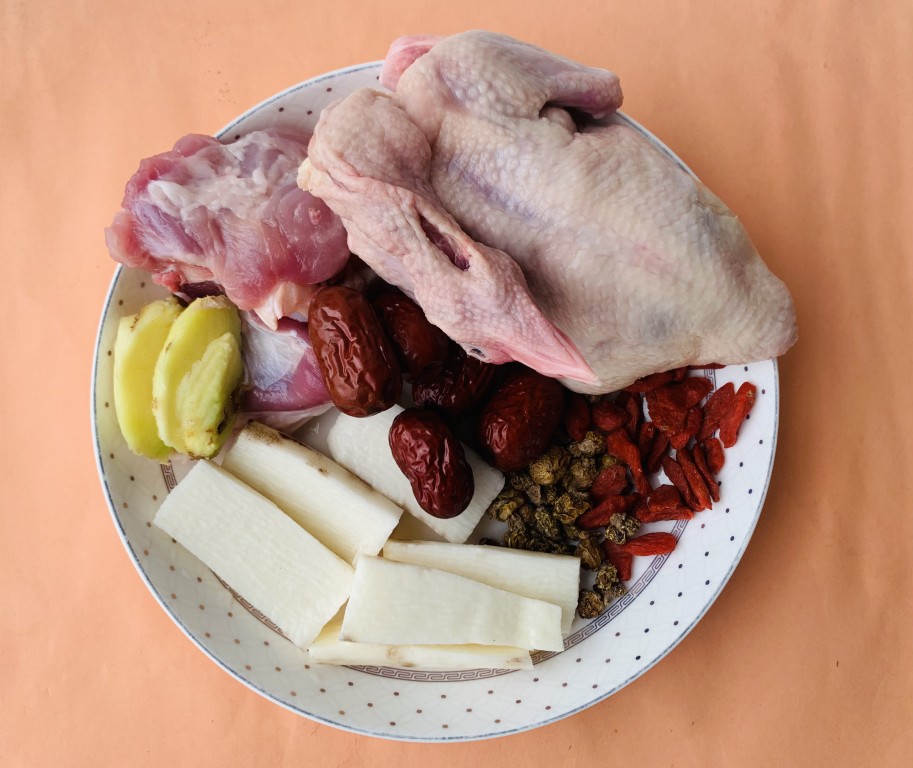
| Muscovy duck (shui ya) | 1 whole | Cleaned, cut into large pieces; blanch in boiling water first to remove impurities |
Method
- Rinse and briefly soak the codonopsis, then drain.
- Score the chestnuts and drop into boiling water for 1–2 minutes; remove and peel off both the hard outer shell and the papery inner skin.
- Pit the red dates.
- Blanch the duck pieces in a pot of boiling water for 2–3 minutes; discard the water and rinse the duck.
- Place all ingredients in a pot with 8–9 bowls of water. Bring to a boil, then reduce to a gentle simmer.
- Cook for 1.5 hours until the chestnuts are soft and the soup is fragrant.
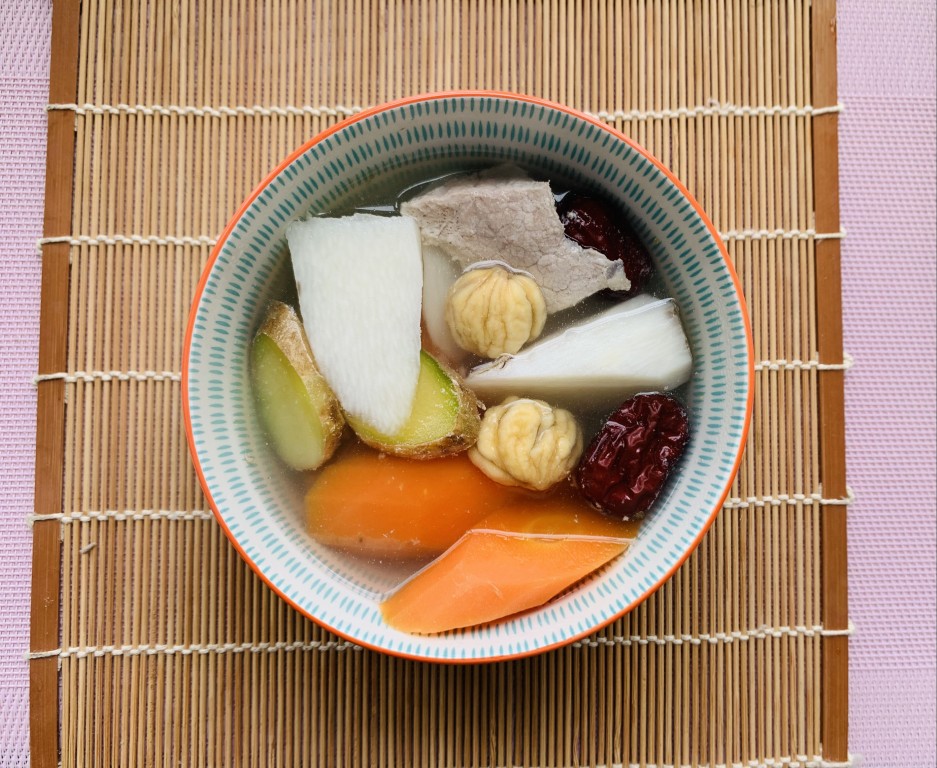
- Serve with the duck meat and chestnuts — eat the solid ingredients along with the soup for maximum benefit.
Bro Niu’s tips
This soup is naturally sweet and rich in aroma — a genuine crowd-pleaser. Muscovy duck is a good choice because it is leaner and more cooling than farmed duck. If you cannot source Muscovy duck, black-boned chicken (wu ji) works beautifully — choose a small, properly dark-skinned bird for the best quality.
Community questions answered (selected)
-
Q (visitor): Is this soup for two people? Bro Niu: This recipe makes about 3 servings.
-
Q (visitor): Can I substitute black-boned chicken for the Muscovy duck? Bro Niu: Black-boned chicken actually suits this soup even better than duck. Choose a small bird with genuinely dark skin for the best results.
-
Q (Amy): Can someone with high blood pressure use codonopsis? Bro Niu: Yes, but keep the amount to 3 qian (about 11 g) or under per serving.
Published December 3, 2021 · Adapted and translated for Nourilo from a traditional home-kitchen recipe. Approx. 3 min read.