Soups
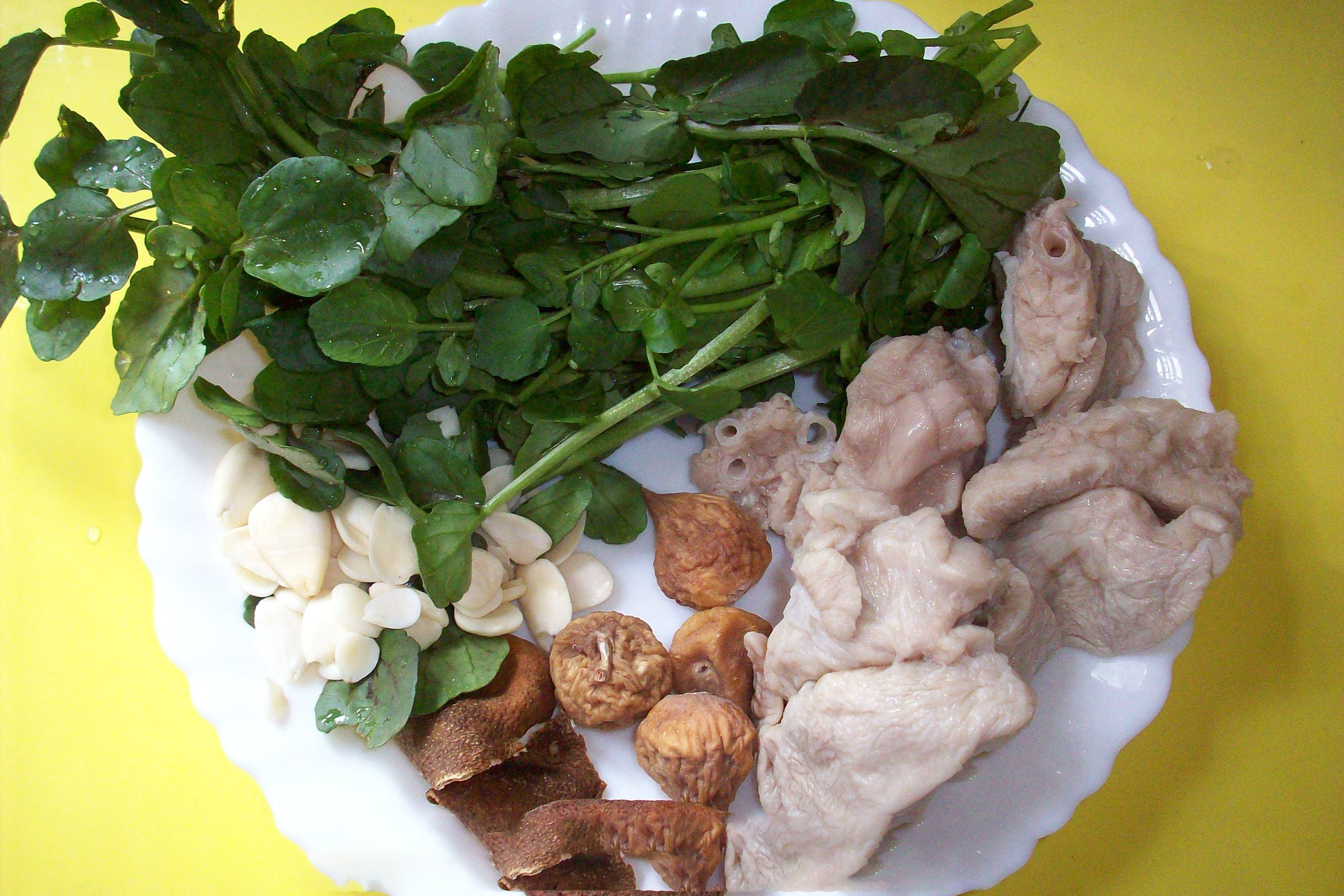
Watercress, Fig & Pig Lung Soup
Traditionally used to cool the lungs and stomach, support bowel regularity, and ease bad breath
Why people make this soup
Watercress is one of those ingredients that Cantonese cooks have long had a deep affection for. Bro Niu loves using it in wontons, fresh tofu rolls, and above all, in slow-cooked soups. Paired with dried figs and pig lung, this soup becomes a classic remedy for what traditional Chinese medicine describes as “lung and stomach heat” — the kind of internal warmth that shows up as dry mouth, bad breath, red eyes, or sluggish bowels.
Watercress is rich in vitamins and antioxidants and has a naturally cooling quality. Dried figs bring sweetness while traditionally supporting the intestines and soothing irritated tissues. Pig lung (a clean, mild organ meat when properly prepared) is used in the principle of “like nourishes like” — traditionally believed to support the respiratory system. A handful of apricot kernels and a piece of dried tangerine peel round out the flavour and function.
Who it suits / who should be cautious
- Suitable for the whole family, including children, as long as the soup is simmered for the full 3 hours (this reduces watercress’s cooling nature)
- Those with cold or weak digestion should not drink this soup frequently
- Good for people experiencing eye redness, bad breath, dry mouth, or constipation from internal heat
Why these ingredients (the food-therapy logic)
- Watercress (xi yang cai): Rich in vitamins C, K, and antioxidants; in food therapy associated with clearing lung and stomach heat and supporting bowel regularity; must be added only after the soup comes to a boil (cold-water start makes it bitter)
- Dried figs (wu hua guo): Naturally sweet; traditionally associated with moistening the lungs and intestines and soothing inflammation in the digestive and respiratory tracts
- Pig lung (zhu fei): Used in the traditional Chinese “like supports like” approach to nourishing the lungs; high in collagen; mild flavour after thorough rinsing
- Apricot kernels (nan bei xing): A Cantonese soup staple; traditionally associated with moistening the lungs and supporting bowel regularity
- Dried tangerine peel (chen pi): Improves the flavour of the soup and helps move qi in the digestive system, supporting absorption
Ingredients (4–5 bowls)
| Ingredient | Amount | Notes |
|---|---|---|
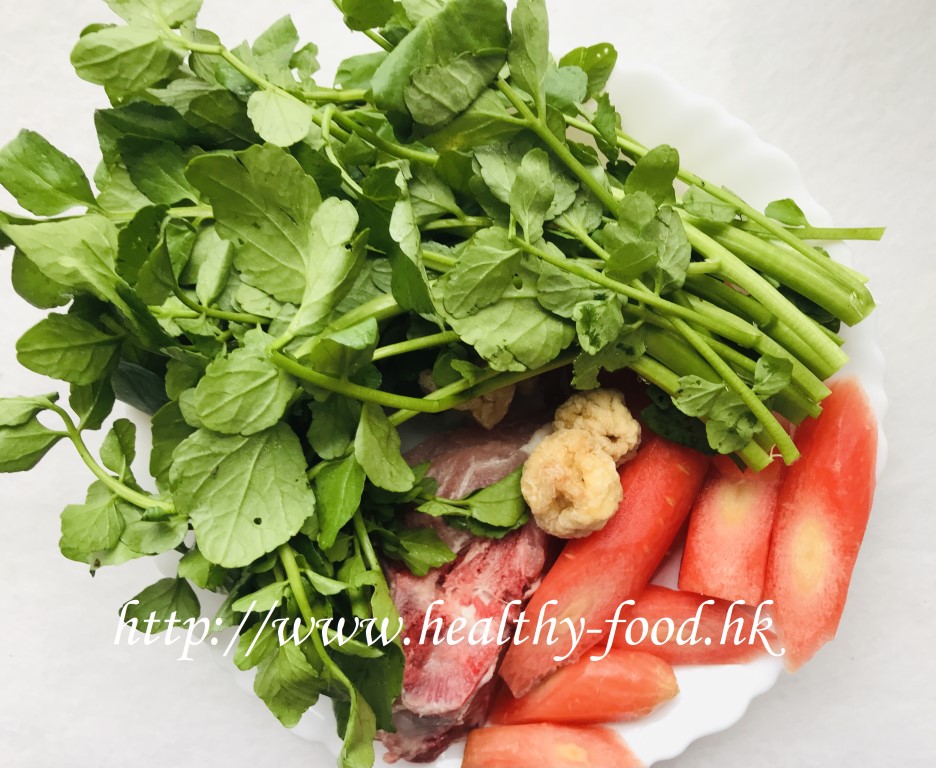
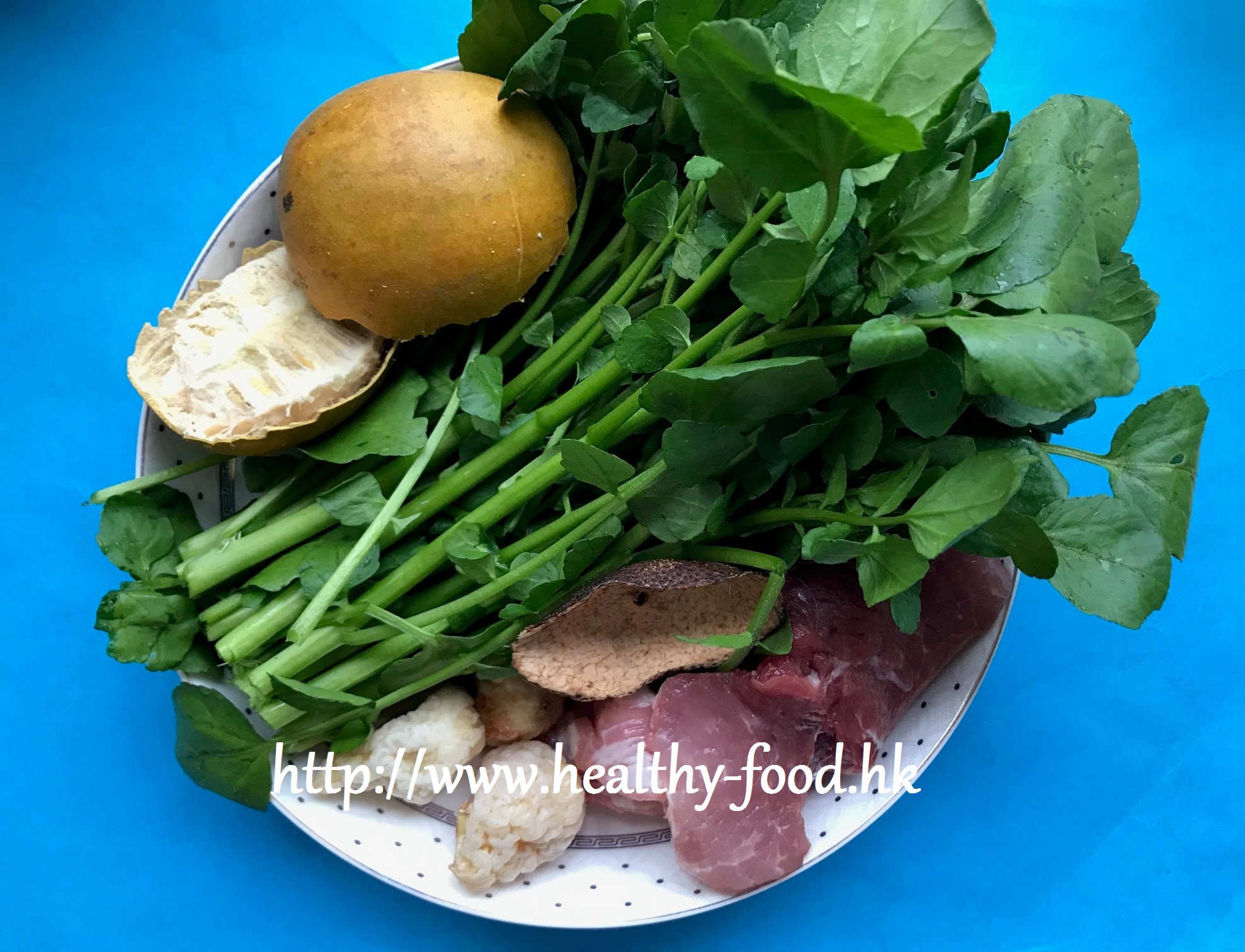
| Watercress | 600 g (1 jin) | Remove tough stems; rinse well |
| Dried figs | 5–6 pieces | Soak and rinse before use |
| Pig lung | 1 whole | Rinse thoroughly (see method) |
| Apricot kernels (nan bei xing) | ~37 g (1 liang) | Rinse before use |
| Dried tangerine peel (chen pi) | 1 piece | Soak and rinse |
| Water | 8 bowls (~1.6 L) |
Method
- Prepare the pig lung: push water through the trachea end repeatedly to flush out blood and mucus. Cut the lung into chunks and blanch briefly in boiling water; drain and rinse well.
- Soak and rinse the dried figs and tangerine peel.
- Remove the tough stalks from the watercress and rinse.
- Place the pig lung, figs, apricot kernels, and tangerine peel in a clay pot or heavy saucepan with 8 bowls of water. Bring to a full boil over high heat.
- Once boiling, add the watercress. Reduce heat and simmer for approximately 3 hours until the liquid reduces to 4–5 bowls.
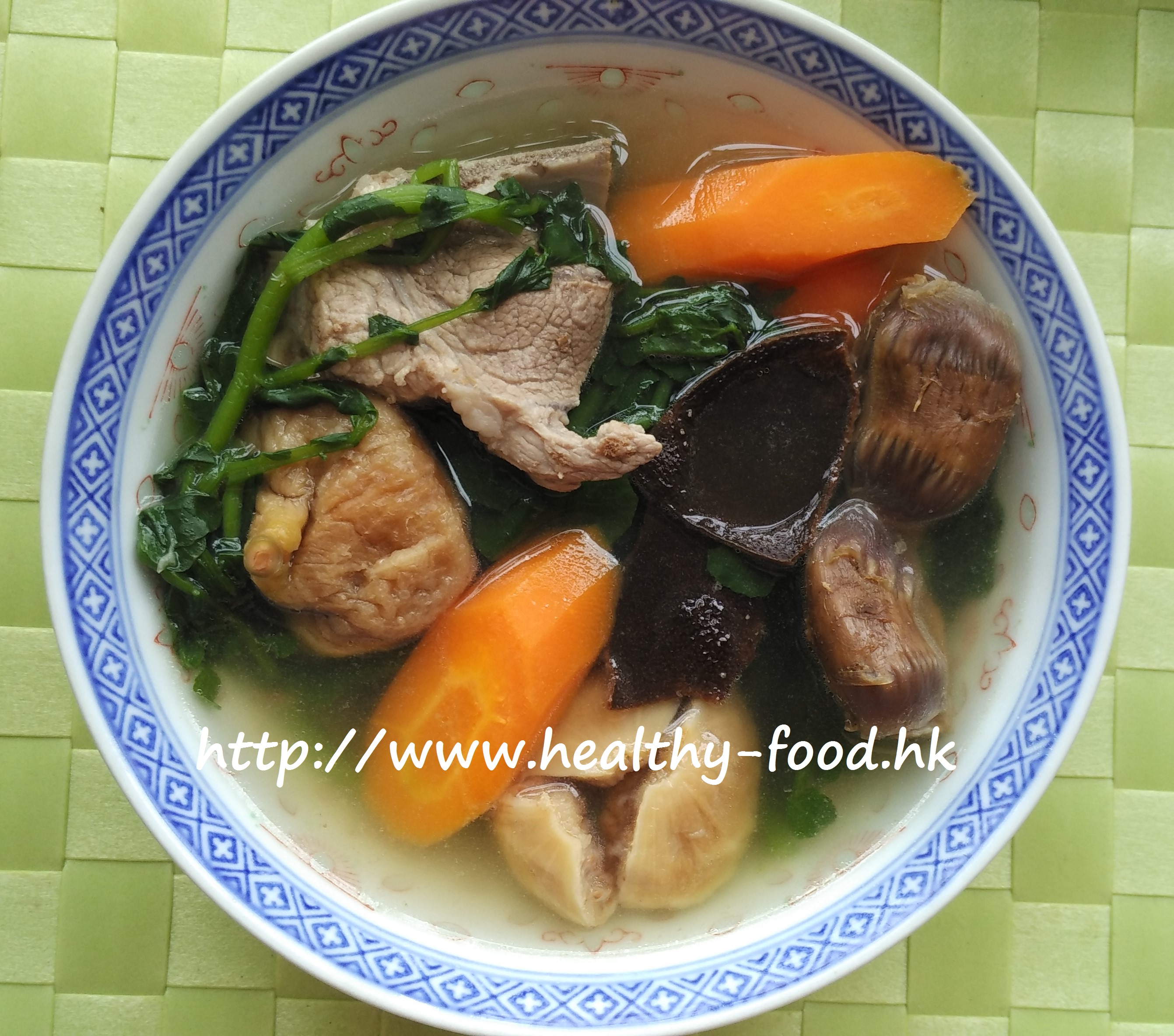
- Serve the soup and eat some of the cooked ingredients for full benefit.
Bro Niu’s tips
The key to getting this soup right is patience and timing with the watercress. Never add the watercress to cold water — always wait until the soup is boiling before it goes in. Cold-start watercress turns bitter and keeps more of its cooling nature. Once it’s simmered for 3 hours, it is mild and safe for everyone, including children. If you’d like to add a sweeter note, one or two honey dates (mi zao) make a lovely addition and balance the flavour nicely.
Community questions answered (selected)
-
Q (Anonymous): Can I add carrot to this soup? Bro Niu: Yes, adding carrot makes it even more delicious and slightly sweeter — a nice variation.
-
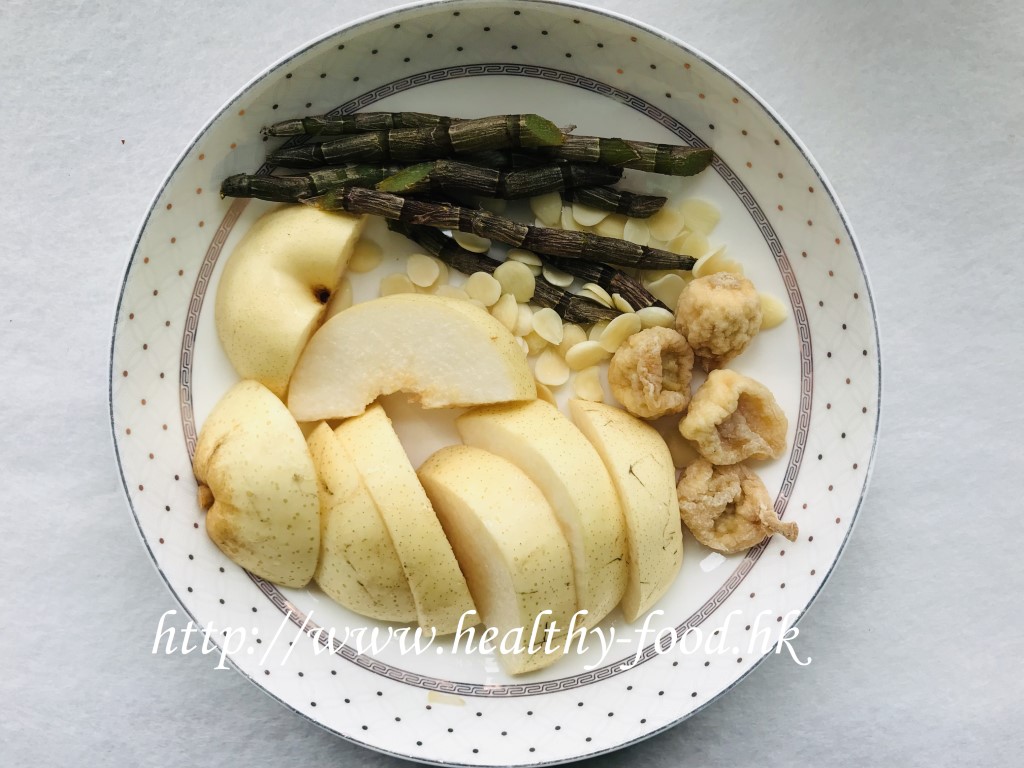
Q (Wong): Is there a simpler tea or drink I could make to help with lung and stomach heat? Bro Niu: Yes — try reed root (lu gen) 4 qian, raw coix seed (sheng yi mi) 1 liang, 1 pear with the core removed, and a little rock sugar. Simmer in 5 bowls of water until reduced to 2 bowls. This supports lung and stomach heat clearance nicely.
Published May 24, 2010 · Adapted and translated for Nourilo from a traditional home-kitchen recipe. Approx. 3 min read.