Congee & Porridge
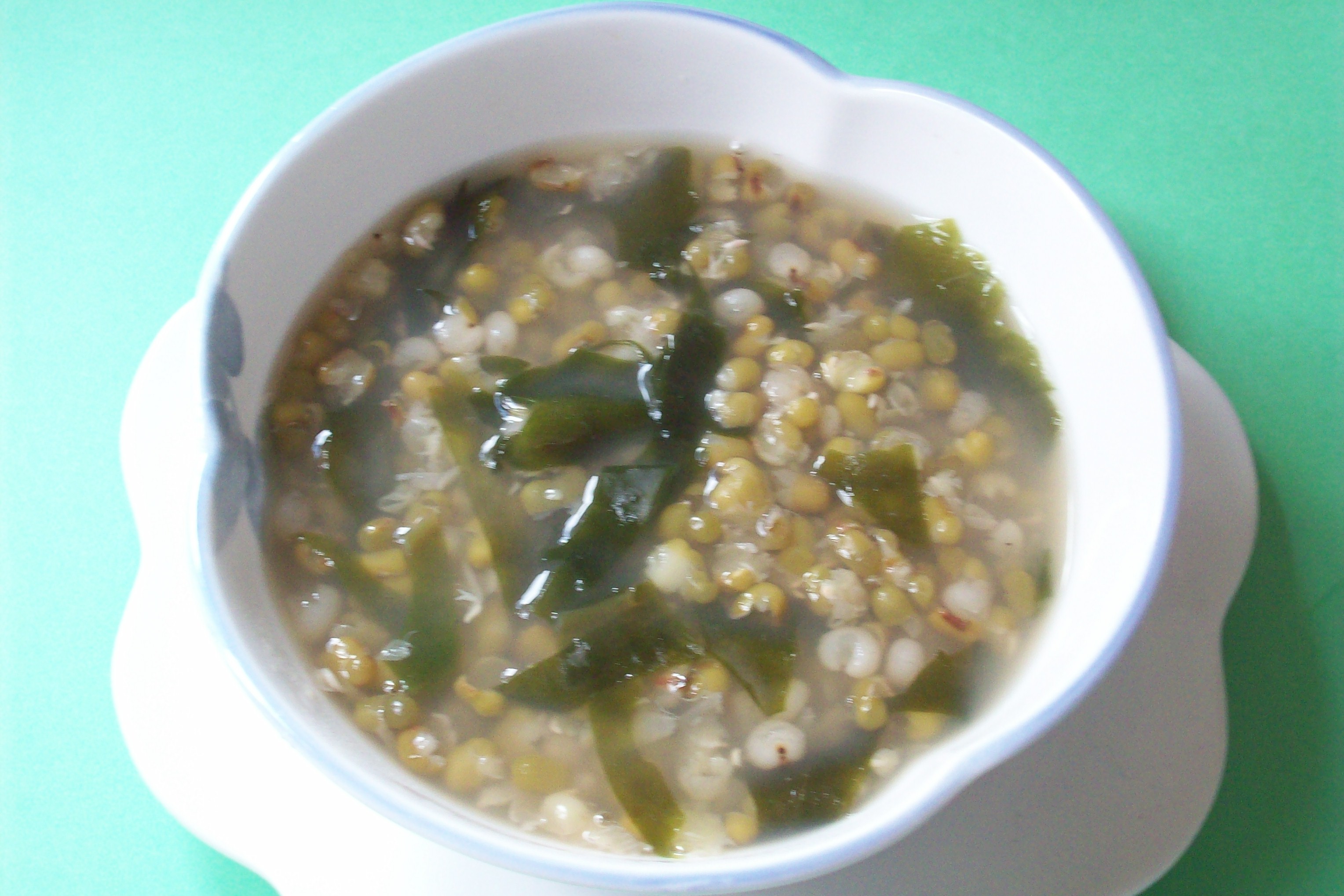
Water Chestnut and Job's Tears (Coix) Congee
Low-purine foods traditionally used to clear damp-heat and ease gout discomfort

Why people make this congee
Bro Niu got thinking about gout after a long day of walking left his own feet sore. People prone to gout — often those who are overweight, or living with high blood lipids, high blood pressure, diabetes, or who drink heavily over long periods — know how punishing those joint flare-ups can be, usually starting at the base of the big toe. Both water chestnut and Job’s tears are low-purine foods, which is why he likes them as a gentle everyday dish for people managing gout.
Who it suits / who should be cautious
- People managing gout, who tend toward damp-heat, and who want a simple low-purine dish; the source says regular use is associated with easing discomfort.
- Not suitable for those with a weak, cold digestion (spleen-stomach deficiency cold) or during pregnancy.
- Those with a cold constitution who still want to try it can add a little aged tangerine peel or ginger to temper the coolness (per Bro Niu’s reply below).
Why these ingredients (the food-therapy logic)
- Raw Job’s tears / coix (sheng yi mi): A low-purine grain traditionally used to clear heat and drain dampness, and associated with relieving fatigue.
- Water chestnut (ma ti): Low in purines, traditionally said to clear heat, nourish the fluids, resolve accumulation and phlegm; the source also notes it is associated with supporting healthy blood pressure.
Ingredients (2 bowls)
| Ingredient | Amount | Notes |
|---|---|---|
| Water chestnut (ma ti) | 5–6 | Peel, slice |
| Raw Job’s tears (sheng yi mi) | ~75 g (2 taels) | Soak and rinse |
Method
- Peel the water chestnuts and slice them. Soak and rinse the Job’s tears.
- Put both in a pot with 5 bowls of water.
- Simmer about 1.5 hours until reduced to roughly 2 bowls. Eat morning and evening.
Bro Niu’s tips
This congee is traditionally associated with lowering uric acid and is helpful for those managing gout. But it is not for people with a weak, cold stomach, or for pregnant women. Job’s tears is naturally sticky, so you don’t need to add rice — it thickens like a congee on its own. A little rock sugar makes it tastier. Two to three times a week is plenty.
Community questions answered (selected)
-
Q (JC): Is it really just the two ingredients (5–6 water chestnuts and 2 taels of raw Job’s tears)? Do I add rice? How long until it helps? Bro Niu: Just those two. Job’s tears is sticky, so it cooks up like congee without added rice. Add a little rock sugar for taste. Eating it 2–3 times a week is associated with helping prevent gout flare-ups.
-
Q (家家): Raw or roasted Job’s tears? Bro Niu: Use raw Job’s tears. If your stomach runs weak and cold, you can use a mix of raw and roasted.
-
Q (micky): My son has a weak, cold stomach but wants this congee — any way to make it suit him? Bro Niu: Add some aged tangerine peel (chen pi) or ginger to the congee to reduce its cooling nature.
Published August 13, 2010 · Adapted and translated for Nourilo from a traditional home-kitchen recipe. Approx. 2 min read.