Herbal & Flower Teas
Toasted Sour Jujube Seed & Poria Tea
Traditionally associated with freshening breath, calming the mind, and supporting restful sleep
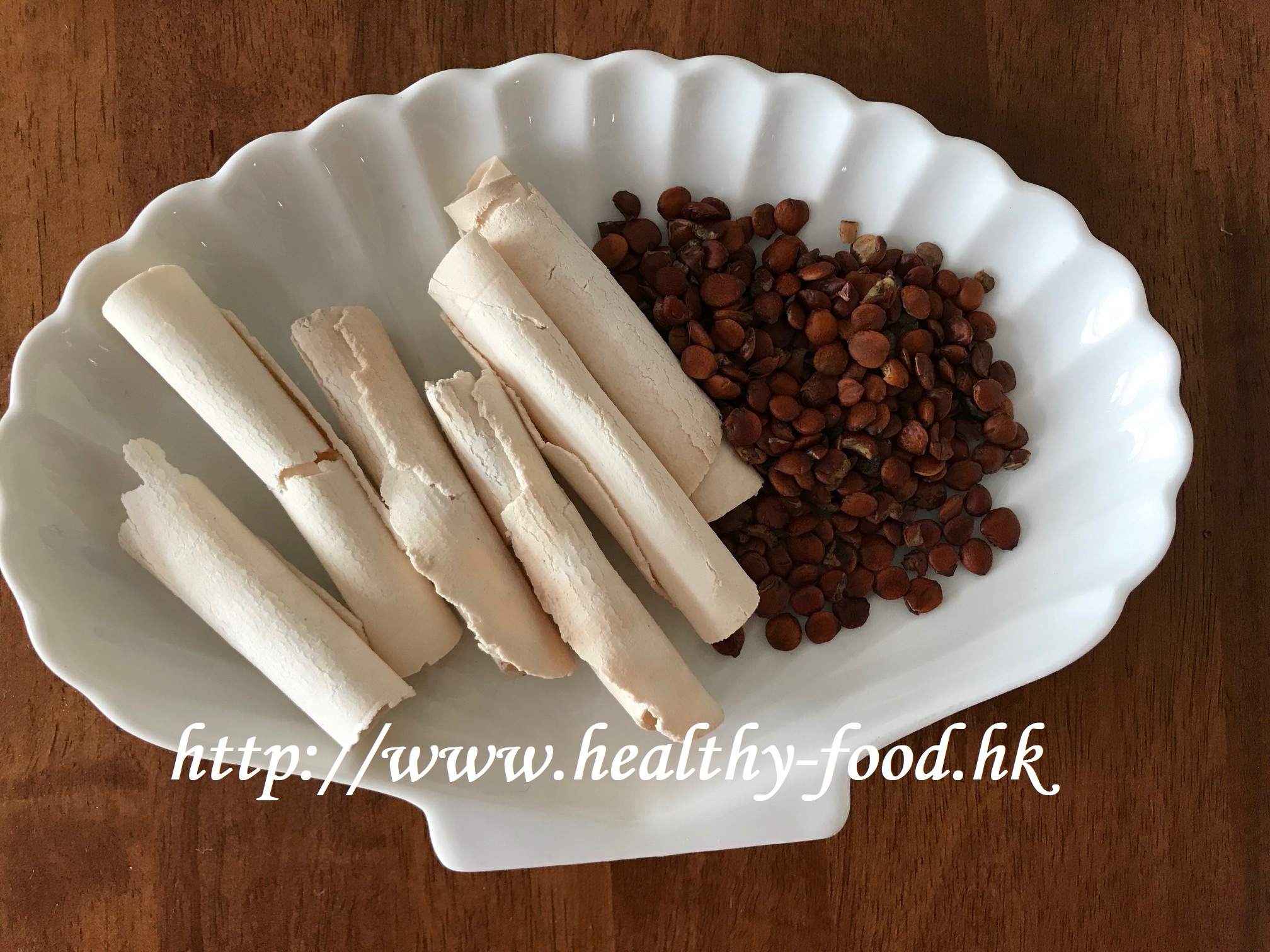
Why people make this tea
Bad breath is not a topic most people want to discuss openly, but it genuinely affects daily life. Dental hygiene comes first — regular cleanings and proper brushing matter most. But once dental causes are ruled out, persistent bad breath is often connected to sluggish digestion, stress, and poor sleep. In traditional Cantonese food therapy, a bitter or stale taste in the mouth and chronic bad breath are frequently linked to an overworked digestive system or a mind that simply cannot settle at night. This tea, combining toasted sour jujube seeds with poria mushroom, has long been used to address exactly this pattern — calming the nervous system, supporting digestion, and gradually reducing that unpleasant taste at the back of the throat.
Who it suits / who should be cautious
- Well suited to adults who frequently experience poor sleep, a bitter or dry mouth, or digestive-related bad breath
- Those under persistent stress or with an overactive mind may find this tea a useful evening ritual
- Pregnant women should not drink sour jujube seed tea
- People with a history of drug allergies should use with caution — allergic reactions to sour jujube seed, though rare, have been reported
- Children and very young people generally do not need this tea
Why these ingredients (the food-therapy logic)
- Toasted sour jujube seed (chao zao ren / 炒枣仁; Ziziphus jujuba var. spinosa): One of the most widely used calming herbs in Chinese medicine. Traditionally associated with nourishing the heart, supporting the liver, calming the mind, and promoting restful sleep. Toasting the seeds makes them easier to steep and intensifies the flavour. Classical texts note that “used ripe, it helps those who cannot sleep; used raw, it helps those who sleep excessively” — though modern clinical experience suggests both forms promote healthy sleep.
- Poria mushroom (fu ling / 茯苓; Wolfiporia extensa): A mild, neutral fungus widely regarded in traditional Chinese herbalism as calming the mind, strengthening the spleen and stomach, and gently reducing dampness. Its digestive support is the key link to easing bad breath rooted in poor digestion.
Ingredients (2 cups)
| Ingredient | Amount | Notes |
|---|---|---|
| Toasted sour jujube seeds (chao zao ren) | ~9 g (3 qian) | Available at Chinese herb shops; pre-toasted |
| Poria mushroom (fu ling) | ~15 g (5 qian) | Pieces or powder; crushing helps release more flavour |
| Rock sugar | small piece | Optional; tea is naturally slightly tart |
| Water | 4 bowls |
Method
- Rinse the toasted sour jujube seeds and poria mushroom pieces briefly under cold water.
- Place both ingredients in a small saucepan with 4 bowls of water.
- Bring to a boil, then reduce heat and simmer gently for 20 minutes until the liquid reduces to about 2 bowls.
- If using rock sugar, add it in the last few minutes and stir until dissolved.
- Strain and serve warm. Drink throughout the day or as an evening tea.
Bro Niu’s tips
This tea has a gentle tartness. Adding a small piece of rock sugar smooths out the flavour nicely. If you can lightly crush the poria pieces before simmering, it will release more of its goodness into the water. Toasting the sour jujube seeds before brewing (they are usually pre-toasted when purchased from herb shops) is important — it makes the seeds easier to work with and gives the tea a pleasant, slightly roasted depth. This is a great tea to keep on hand during stressful periods.
Community questions answered (selected)
-
Q (Lee): How do you make the toasted coix seed and poria tea mentioned in an earlier recipe? Is “toasted coix seed” the same as cooked coix seed? Bro Niu: Toasted coix seed is indeed the cooked (炒熟) variety. Use 1 liang (about 38 g), add 5 qian (about 15 g) of poria mushroom — crushing the poria pieces first helps release more flavour. Simmer in 4 bowls of water for 20 minutes until reduced to 2 bowls, and drink throughout the day.
-
Q (hrzly): My child was told by their Chinese medicine doctor that they have “external heat, internal cold” with heavy dampness. What soups and foods should we be mindful of? Bro Niu: For this constitution, avoid raw, cold foods and iced drinks altogether. A good everyday soup is Si Shen (四神) pork ribs soup — using Chinese yam, poria, lotus seeds, and euryale seeds — which gently strengthens the spleen and clears dampness. Make it a regular part of the family table.
Published September 27, 2021 · Adapted and translated for Nourilo from a traditional home-kitchen recipe. Approx. 4 min read.