Herbal & Flower Teas
Prepared Rehmannia, Polygonatum and Goji Berry Tea
traditionally associated with easing nighttime dry mouth and bitter taste from fatigue or poor sleep
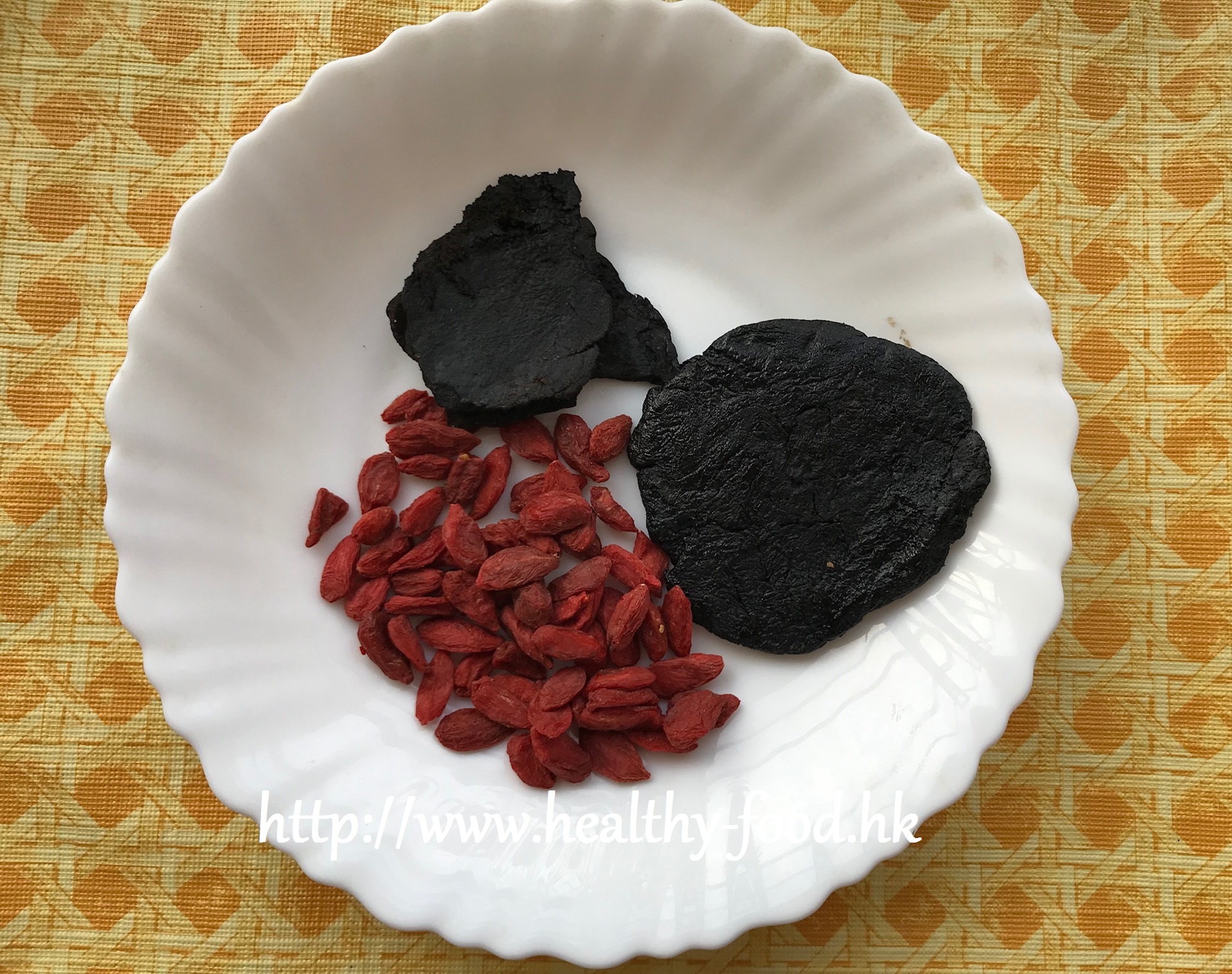
Why people make this tea
That dry, slightly bitter taste in the mouth — especially noticeable in the evenings — is something many busy, overworked people recognise. It can come from too many late nights, too much tobacco or alcohol, or simply running the body on empty for too long. Beyond lifestyle factors, it can also relate to oral health issues such as gum inflammation or a shortage of vitamin B2 (found in foods like animal liver, fish, seaweed, eggs, and dark leafy vegetables). This simple three-herb tea has a long tradition in Chinese food therapy as a gentle way to nourish yin and blood, and to support the liver and kidneys when they are depleted by fatigue and poor sleep.
Who it suits / who should be cautious
- People who experience dry mouth and a bitter taste, especially in the evenings, alongside tiredness and disrupted sleep.
- Those whose constitution tends toward yin deficiency — often associated with overwork, insufficient rest, or a warm, dry inner environment.
- Not the right approach if the bitter taste is driven by active dental or gum disease — those need professional dental attention.
- If symptoms are persistent or severe, please see a doctor.
Why these ingredients (the food-therapy logic)
- Prepared rehmannia root (shu di huang): One of the most important tonic herbs in Chinese food therapy, shu di is associated with nourishing blood and yin, filling the kidneys’ essence, and supporting the liver — traditionally considered the root treatment for yin and blood deficiency patterns.
- Polygonatum rhizome (huang jing): Often called “Solomon’s seal” in English, huang jing is valued for tonifying qi and yin together, nourishing the lungs, stomach, and kidneys, and supporting the body’s ability to recover from chronic fatigue.
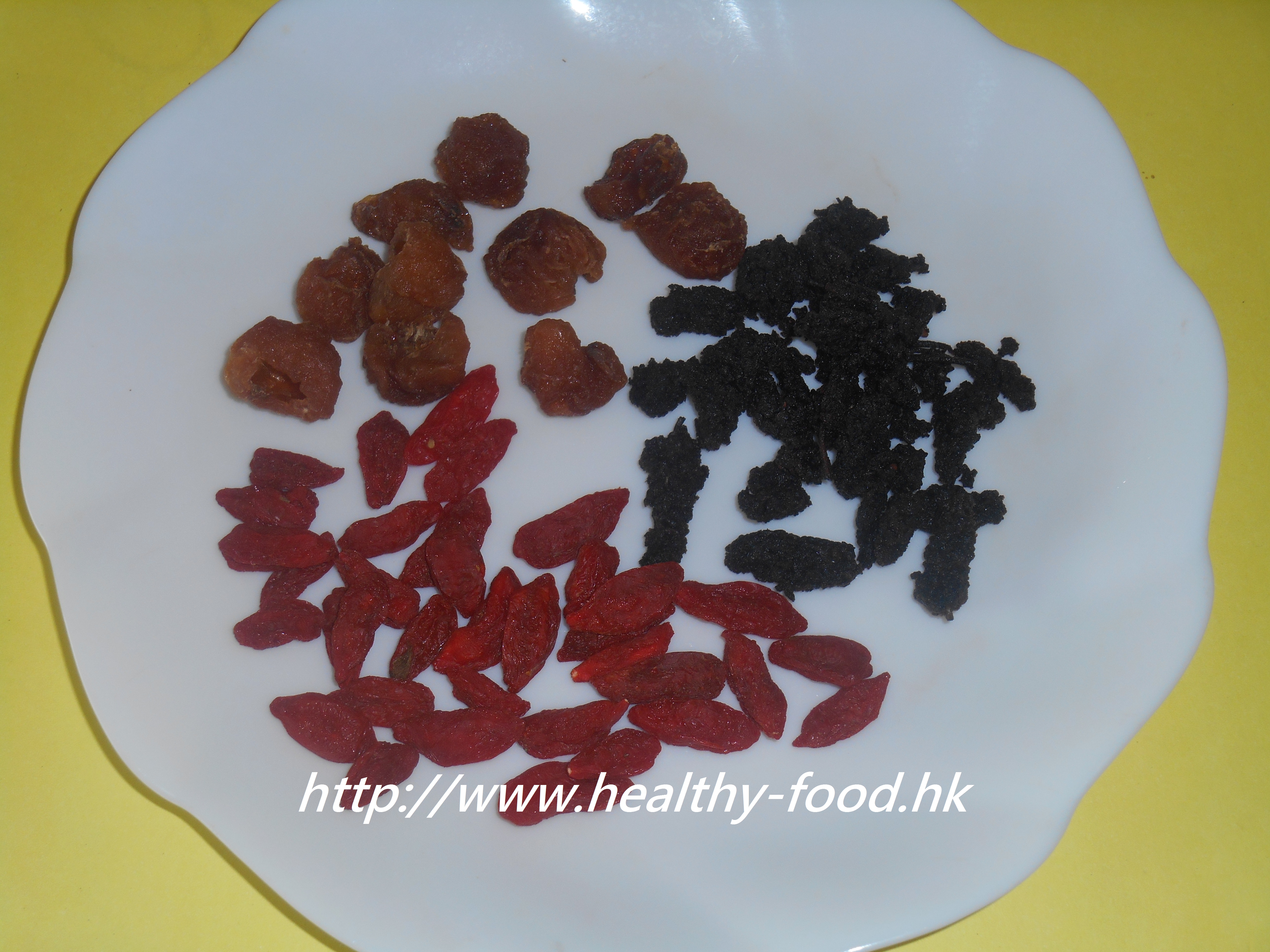
- Goji berries (gou qi zi): The familiar red berry that supports liver and kidney function in traditional food culture, often associated with brightening the eyes and easing fatigue.
Ingredients (2 cups)
| Ingredient | Amount | Notes |
|---|---|---|
| Prepared rehmannia root (shu di huang) | ~19 g (5 qian) | Available at Chinese herbalists |
| Polygonatum rhizome (huang jing) | ~11 g (3 qian) | |
| Goji berries (gou qi zi) | ~11 g (3 qian) | |
| Water | 5 bowls (~1.2 L) |
Method
- Rinse all ingredients briefly.
- Combine the rehmannia, polygonatum, and goji berries in a pot with 5 bowls of water.
- Bring to a boil, then reduce heat and simmer for about 40 minutes until the liquid reduces to approximately 2 cups.
- Strain and drink. Can be divided into two servings across the day.
Bro Niu’s tips
Beyond this tea, Bro Niu notes that addressing the root cause matters: getting enough sleep is fundamental, because no food therapy can fully compensate for chronic sleep deprivation. Gargling with warm salt water (at a high concentration) once or twice daily is also helpful if gum inflammation is contributing to the bitter taste. For those with a yin deficient pattern and gum swelling, consider substituting raw rehmannia (sheng di) for the prepared rehmannia (shu di) to add a cooling, blood-cooling dimension.
Community questions answered (selected)
-
Q (小猪): I wake up at 1–2 am and again at 5 am but manage to fall back asleep. Can I add ophiopogon (mai dong) to help me sleep better? Bro Niu: Yes, you can add mai dong together with fu shen (Indian bread / spirit poria), about 5 qian each. This combination helps nourish the heart and calm the spirit for more restful sleep.
-
Q (小麦): My daughter has recurring gum swelling and pain. Can she drink the rehmannia-polygonatum-goji tea? Bro Niu: For gum swelling, swap the prepared rehmannia for raw rehmannia (sheng di) — that is better for clearing heat and cooling the blood. Most importantly, adequate sleep is essential; food therapy alone won’t do much without proper rest. Gargling with warm concentrated salt water each night helps with inflammation. A bowl of century egg and salted pork congee in the morning can also help ease inner heat.
Published December 30, 2019 · Adapted and translated for Nourilo from a traditional home-kitchen recipe. Approx. 3 min read.