Herbal & Flower Teas
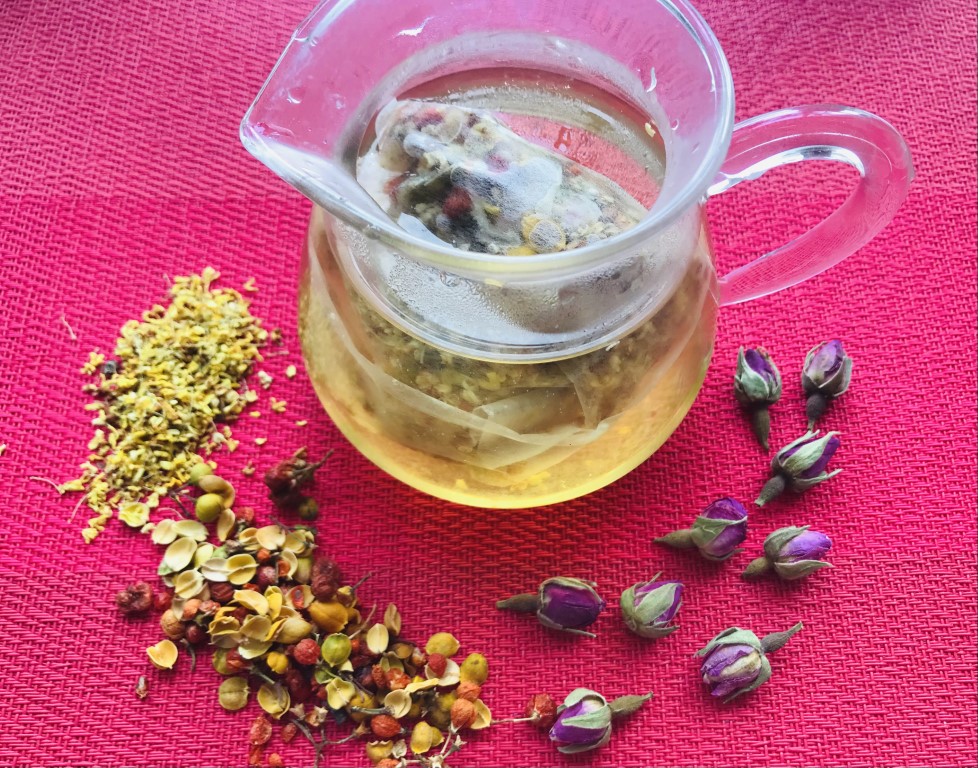
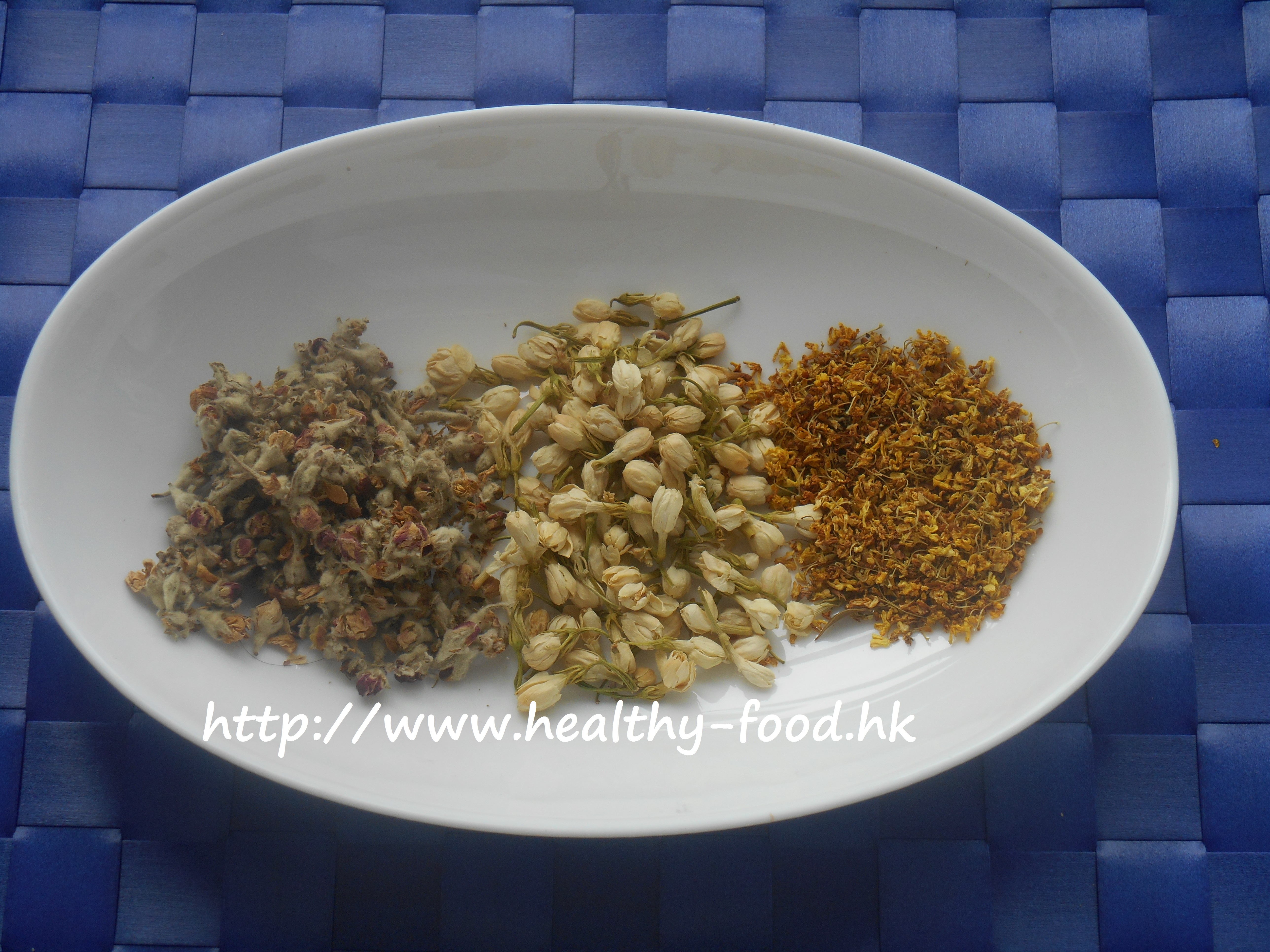
Apple Blossom, Jasmine, and Osmanthus Tea
Traditionally associated with easing menstrual discomfort, calming mood, and supporting hormonal balance
Why people make this tea
In traditional Chinese wellness thinking, flowers with strong, pleasant fragrances are associated with moving stagnant liver qi — the kind of internal tension that accumulates when modern city life keeps you under constant pressure. Bro Niu blends three complementary blooms into this tea: apple blossom for nourishing the blood and soothing the lungs, jasmine for moving qi and calming the mind, and osmanthus for dispersing stagnation and relieving abdominal discomfort. Together they form a gentle, aromatic brew that is traditionally considered useful for women experiencing period pain, emotional irritability, or hormonal imbalance. It is also associated with a brightening effect on the skin over time.
Who it suits / who should be cautious
- Suits adults experiencing mild period pain, mood tension, emotional stress, or skin dullness
- Men can also enjoy this tea — it is not exclusively for women
- Pregnant women should not drink floral herbal teas
- People with a cold, weak constitution or loose stools should moderate intake
Why these ingredients (the food-therapy logic)
- Apple blossom (ping guo hua): Traditionally associated with nourishing the lungs, brightening the eyes, supplementing blood, easing period pain, and clearing blemishes from the skin.
- Jasmine (mo li hua): One of the most widely used flowers in Chinese wellness teas. Traditionally considered to regulate and move qi, calm emotional tension, and relieve pain — particularly abdominal cramping.
- Osmanthus (gui hua): Small but potent. Traditionally used to transform phlegm, disperse blood stagnation, relieve toothache, address bad breath, and ease menstrual obstruction with abdominal pain.
Ingredients (1–2 cups)
| Ingredient | Amount | Notes |
|---|---|---|
| Dried apple blossom | 1 tablespoon | Available at specialty tea shops |
| Dried jasmine buds | 1 tablespoon | Use food-grade, unflavoured buds |
| Dried osmanthus flowers | 1 tablespoon | Small golden or white flowers |
| Raw honey | to taste | Optional; add after steeping |
Method
- Combine all three flowers in a teapot or infuser.
- Rinse once with a small pour of boiling water, swirl briefly, and discard that rinse water — this removes dust and helps the flowers open.
- Pour fresh boiling water over the flowers.
- Cover and steep for 5 minutes.
- Pour into cups. If desired, add a little raw honey to sweeten. The flowers can be steeped a second time.
Bro Niu’s tips
This tea has a lovely natural fragrance and a subtle floral sweetness — it genuinely does not need much sweetener. Beyond its traditionally recognised benefit for period pain, it is also associated with a skin-brightening, spot-fading effect with regular use. A spoonful of good honey makes a pleasant addition. The most important caution: pregnant women should avoid all flower herbal teas. For those with a cold-type constitution or digestive sensitivity, reduce the frequency to two or three cups per week rather than drinking it daily.
Community questions answered (selected)
-
Q (JJ): Can men drink this three-flower tea too? Bro Niu: Absolutely — men can drink it just the same.
-
Q (reader, breastfeeding): I am breastfeeding a two-month-old baby. Can I drink flower teas? And what can I drink to clear mild heat? Bro Niu: Breastfeeding mothers can drink flower teas such as chrysanthemum, osmanthus, and honeysuckle — all have a mild heat-clearing effect and do not interfere with milk production.
-
Q (reader, follow-up): Would it affect the baby? Bro Niu: Drinking flower tea does not affect the baby. If taking herbal decoctions (stronger medicinal soups), it is better to breastfeed first and then drink the decoction.
Published November 6, 2016 · Adapted and translated for Nourilo from a traditional home-kitchen recipe. Approx. 3 min read.