Soups
Sugar Cane, Water Chestnut and Carrot Soup
Traditionally used to clear heat, generate fluids, and provide comfort during cancer radiotherapy recovery
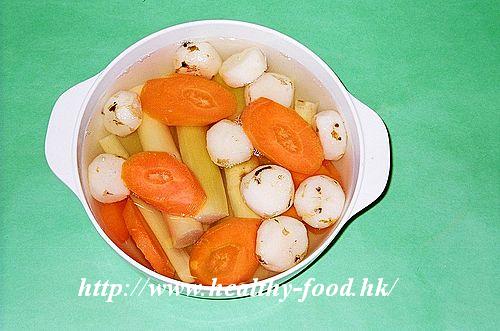
Why people make this soup
Fear of cancer is real and understandable. Yet many specialists remind us that a positive mindset, good nutrition, and consistent medical care are the foundations of recovery. This soup — one of the most ordinary, accessible Cantonese cooling drinks — turns out to be particularly meaningful for those going through radiotherapy. Radiation is hot and drying in its effects on the body: it often leaves patients with sore throats, dry mouths, intense thirst, and a feeling of internal heat. Bro Niu explains that the traditional role of this soup is to help clear that excess heat, generate fluids, and soothe local inflammation — making the patient feel more comfortable during and after treatment.
The same soup is completely appropriate for healthy families as well: it is refreshing after summer heat, suitable for children who have had chickenpox or hives, and an excellent daily drink for anyone feeling a bit dry or overly warm from the inside.
Who it suits / who should be cautious
- Suitable for those undergoing cancer radiotherapy as a supportive dietary measure; also appropriate after radiotherapy is complete
- Suitable for children (including after chickenpox or hive outbreaks, to clear residual heat)
- Suitable for people who are coming down with a mild cold (if phlegm is heavy, reduce the sugar cane portion)
- Diabetics should replace the sugar cane with Job’s tears (yi mi, 1 liang) and reduce water chestnuts to 6 pieces — as Bro Niu specifically advises
- People with a cold-natured spleen and stomach (frequent loose stools, easy bloating) should add dried tangerine peel (chen pi) or poria (fu ling) to help the stomach tolerate the cooling nature of this drink
Why these ingredients (the food-therapy logic)
- Sugar cane (zhu zhe): Traditionally valued for generating fluids and clearing dryness; it provides natural sweetness without refined sugar; it is the base of many classic Cantonese cooling soups
- Water chestnuts (ma ti): Associated with clearing heat, resolving phlegm, and supporting a smooth digestion of damp-heat — a staple of traditional Chinese cooling cuisine
- Carrot (hong luo bo): Mild and nourishing; adds a gentle sweetness and colour; broadly beneficial to the digestive tract
Ingredients (3–4 bowls)
| Ingredient | Amount | Notes |
|---|---|---|
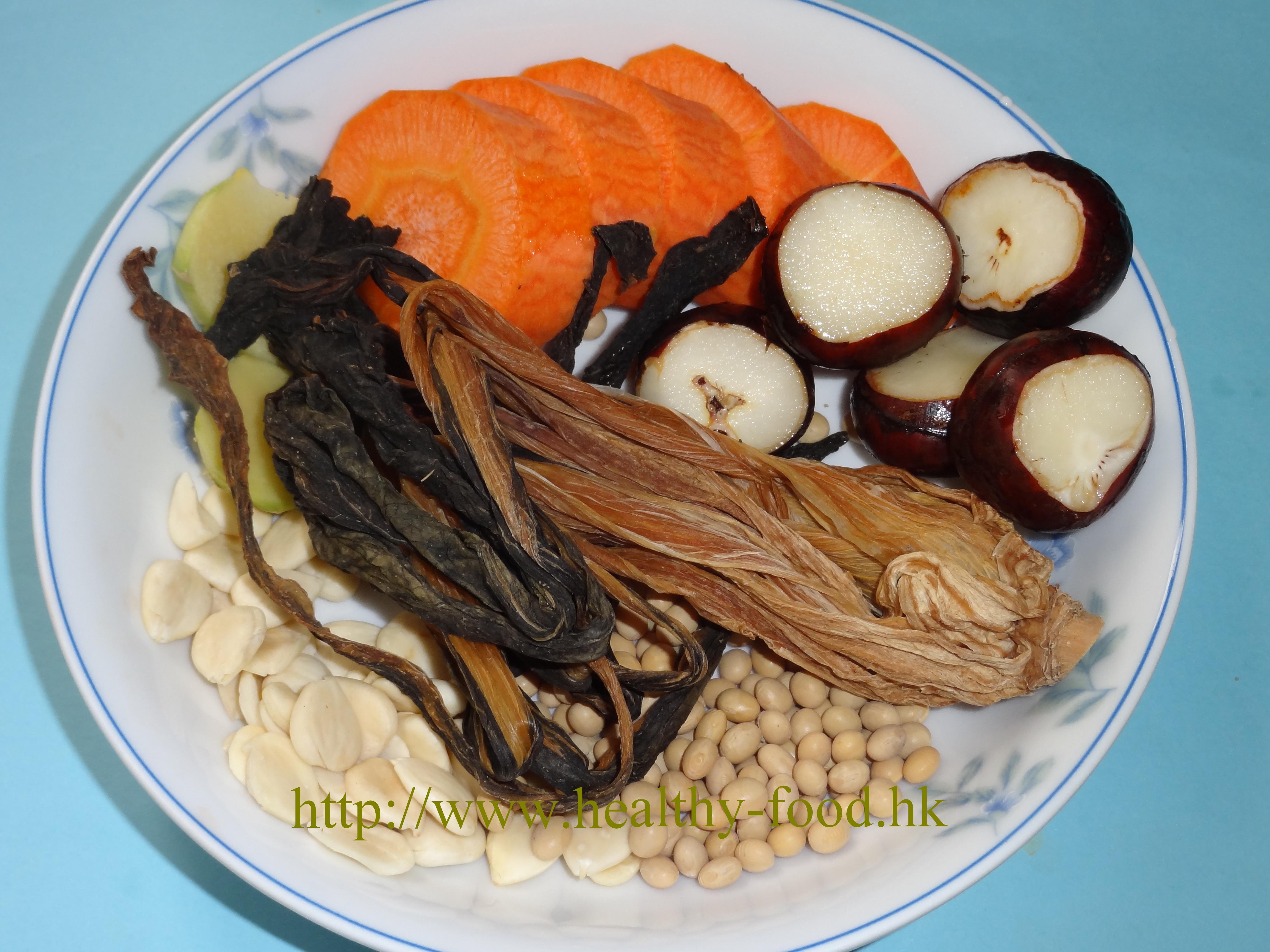
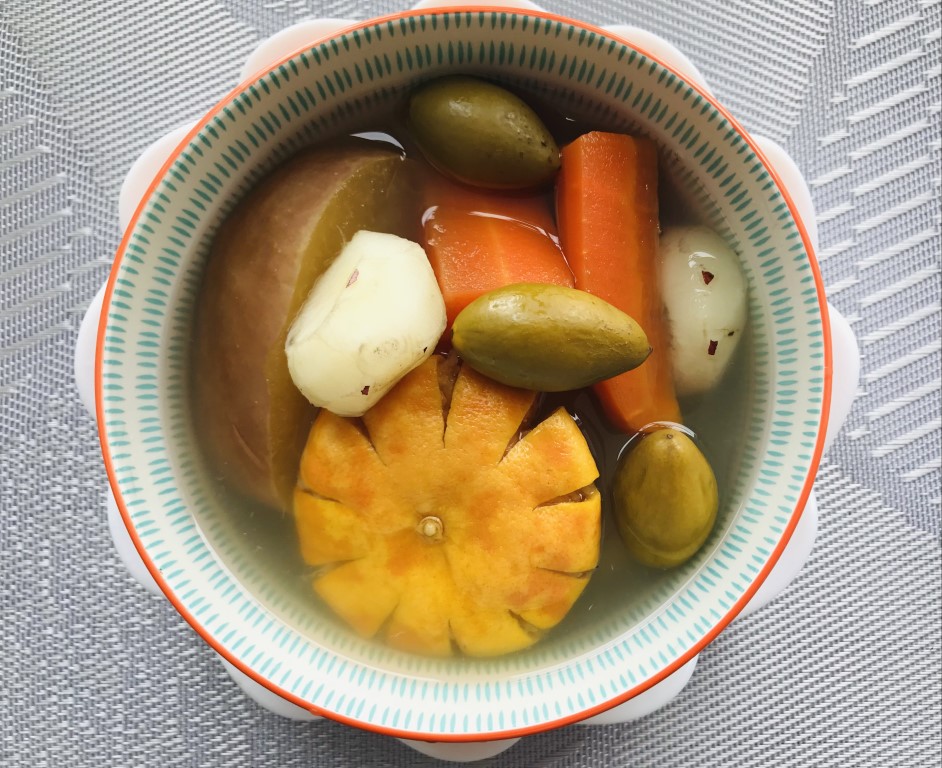
| Carrot | 2 medium | Peeled; cut into thick rounds |
| Water chestnuts (ma ti) | 600 g (~1 jin) | Peeled; bruise each lightly with the back of a cleaver |
| Sugar cane (zhu gan) | 2–3 sections (~600 g) | Scrub the outer skin; cut into short sections; split lengthwise |
| Water | Enough to cover | Simmer for 2 hours |
Method
- Scrub the sugar cane, then chop it into short sections (about 10 cm each) and split them lengthwise — your supplier may be able to do this for you at the time of purchase, or you can do it at home with a heavy knife.
- Peel the water chestnuts and bruise each one lightly with the flat of a cleaver.
- Peel the carrots and cut into thick rounds.
- Place all ingredients into a large pot, add enough water to cover well.
- Bring to a boil, then simmer on low heat for 2 hours.
- Serve as a tea-style drink, sipping throughout the day.
Bro Niu’s tips
Sugar cane is prone to spoilage. Before buying, check the cut ends: if you see white fuzzy mold, or if the interior of the cut cane appears orange-yellow or dark brown, it has gone off and should not be eaten. Always buy fresh, whole sugar cane with the skin on. A small amount of Job’s tears (sheng yi mi, raw) added to the pot enhances the dampness-clearing action of this soup and is a good addition for those with chickenpox or skin rashes.
Community questions answered (selected)
-
Q (Chun Chun, 2020): My mother, 61, just had a mastectomy and will start chemotherapy next week. Should I make boiled soups or double-boiled soups for her? Bro Niu: You can double-boil a soup using matsutake mushroom (ji song rong), Chinese yam, goji berries, and snow fungus with lean pork — this combination is associated with anti-cancer support and building overall strength.
-
Q (Ling, 2018): My mother had a mastectomy for breast cancer and also has diabetes and high blood pressure. Is this soup suitable for her? Bro Niu: This soup is suitable for cancer patients and post-surgery recovery. However, for diabetics, replace the sugar cane with Job’s tears (yi mi), and reduce water chestnuts to just 6 pieces, as water chestnuts also contain sugars. Keep the carrot — it is needed.
-
Q (Chan Grace, 2017): My father, 60, has chickenpox all over with low-grade fever. He has seen a doctor and is recovering. Can he drink this soup? Bro Niu: Yes, your father can drink this soup. Add one liang of raw Job’s tears — it supports the spleen and can also help fight mild viral infection. Drink 3 consecutive batches; it should help the fever come down.
Published March 5, 2010 · Adapted and translated for Nourilo from a traditional home-kitchen recipe. Approx. 4 min read.