Home-Style Dishes
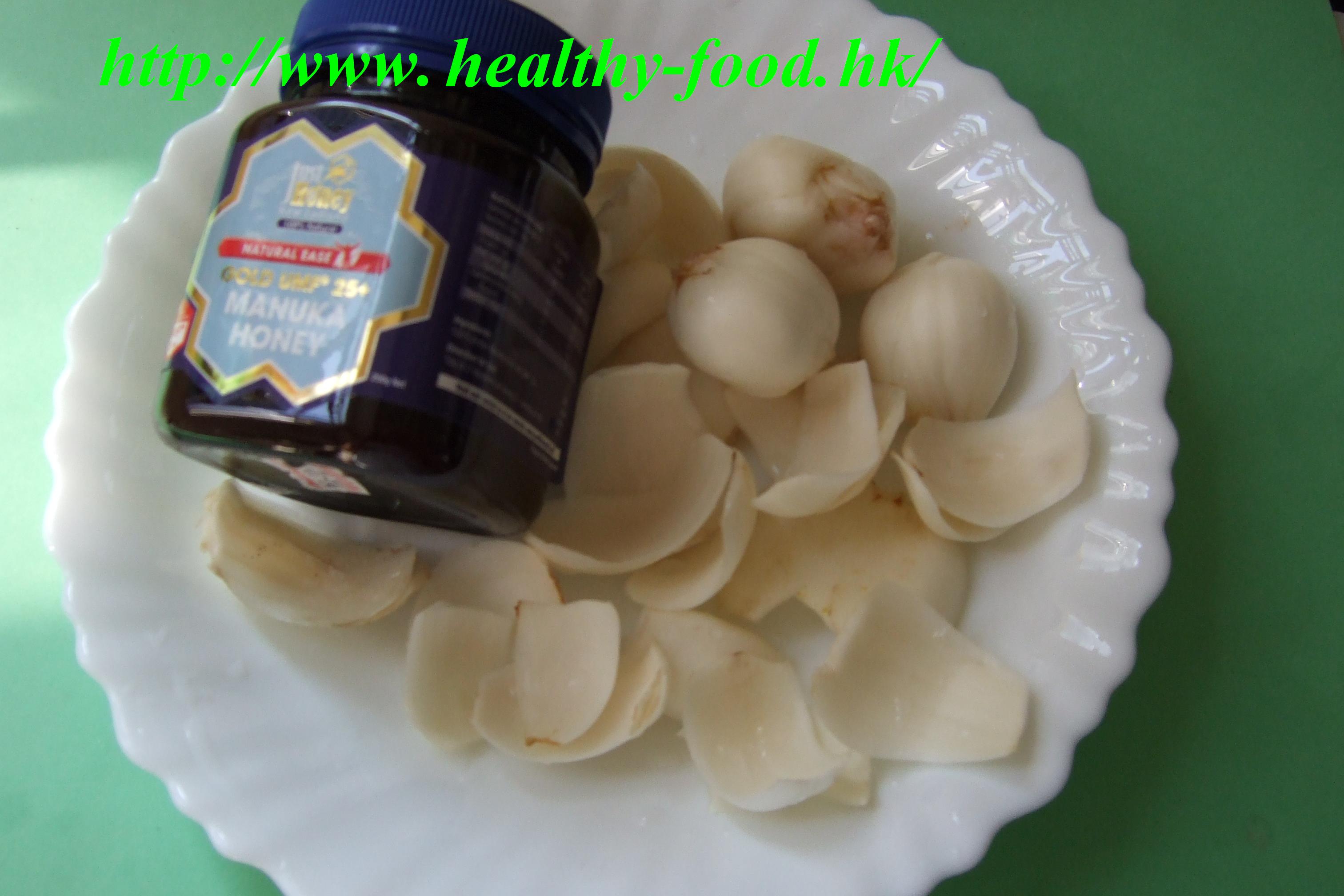
Honey-Glazed Steamed Lily Bulb
traditionally used to moisten the lungs and ease dry coughs
Why people make this dish
When the air turns dry and that scratchy, persistent cough refuses to leave, Cantonese families have long turned to lily bulb and honey as a gentle remedy. Plump, creamy Lanzhou lily bulbs — the kind that steam into a soft, faintly sweet bite — pair beautifully with raw honey to create something that is less a formal medicine and more a small, nourishing treat: fragrant, tender, and genuinely comforting.
Lily bulb (bai he) is one of those ingredients that straddles the line between food and herb. In traditional Chinese food therapy, it is associated with nourishing lung moisture, calming an irritable cough, and settling a slightly anxious or over-stimulated mind — a quality that makes it popular on dry autumn nights or during bouts of prolonged respiratory illness.
Who it suits / who should be cautious
- Well suited to people with a dry, tickly or chronic cough, mild insomnia or restlessness, or those recovering from lung-related illness in a warm or dry season
- Traditionally considered good for those experiencing what Chinese medicine describes as “lung-yin deficiency” — symptoms like low-grade persistent cough, dry throat, or mild afternoon warmth
- People with diabetes should use honey very sparingly or omit it, as honey can raise blood sugar rapidly
- If you are using a high-activity honey such as UMF-rated Manuka, do not add it while the lily bulb is still hot — heat destroys the beneficial active compounds. Always wait until the lily bulb has cooled to warm (not hot) before folding in the honey
Why these ingredients (the food-therapy logic)
- Lily bulb / fresh bai he (百合, Lilium spp.): Considered sweet and slightly cooling in traditional Chinese medicine, fresh lily bulb is associated with nourishing and moistening the lungs, calming the heart-spirit, and supporting restful sleep. It has been part of Chinese food culture for centuries, eaten both as a vegetable and a gentle tonic.
- Honey (feng mi, 蜂蜜): Traditionally described as sweet and neutral, honey is used in Chinese herbal preparations to harmonise formulas, moisten dryness, and soothe the throat and airways. Raw honey also carries naturally occurring antimicrobial compounds. When used unheated, it is considered cooling and detoxifying; when used cooked or warm, Chinese tradition views it as more nourishing and tonifying — though high-activity raw honey is best kept unheated to preserve its active properties.
Ingredients (1–2 servings)
| Ingredient | Amount | Notes |
|---|---|---|
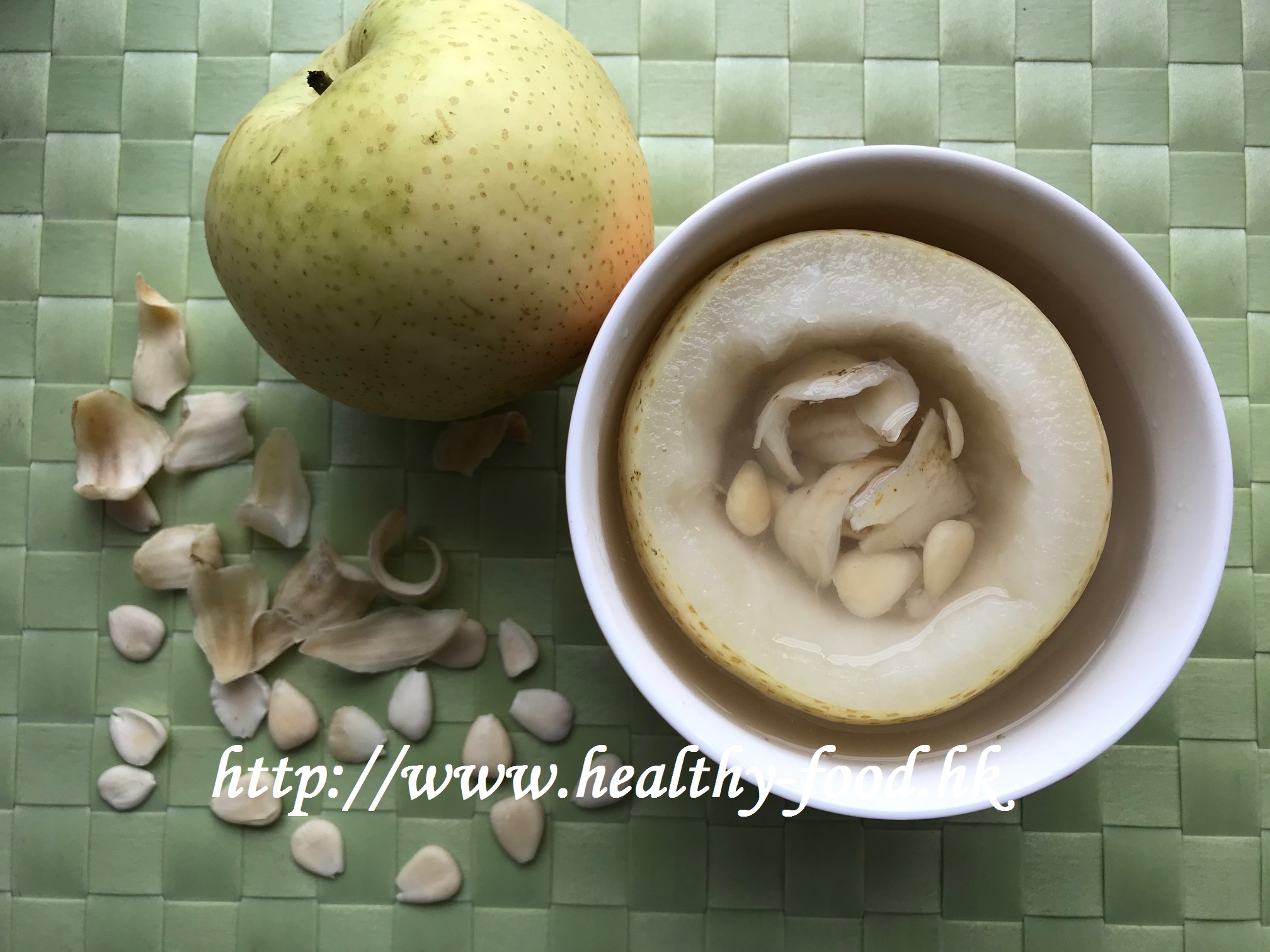
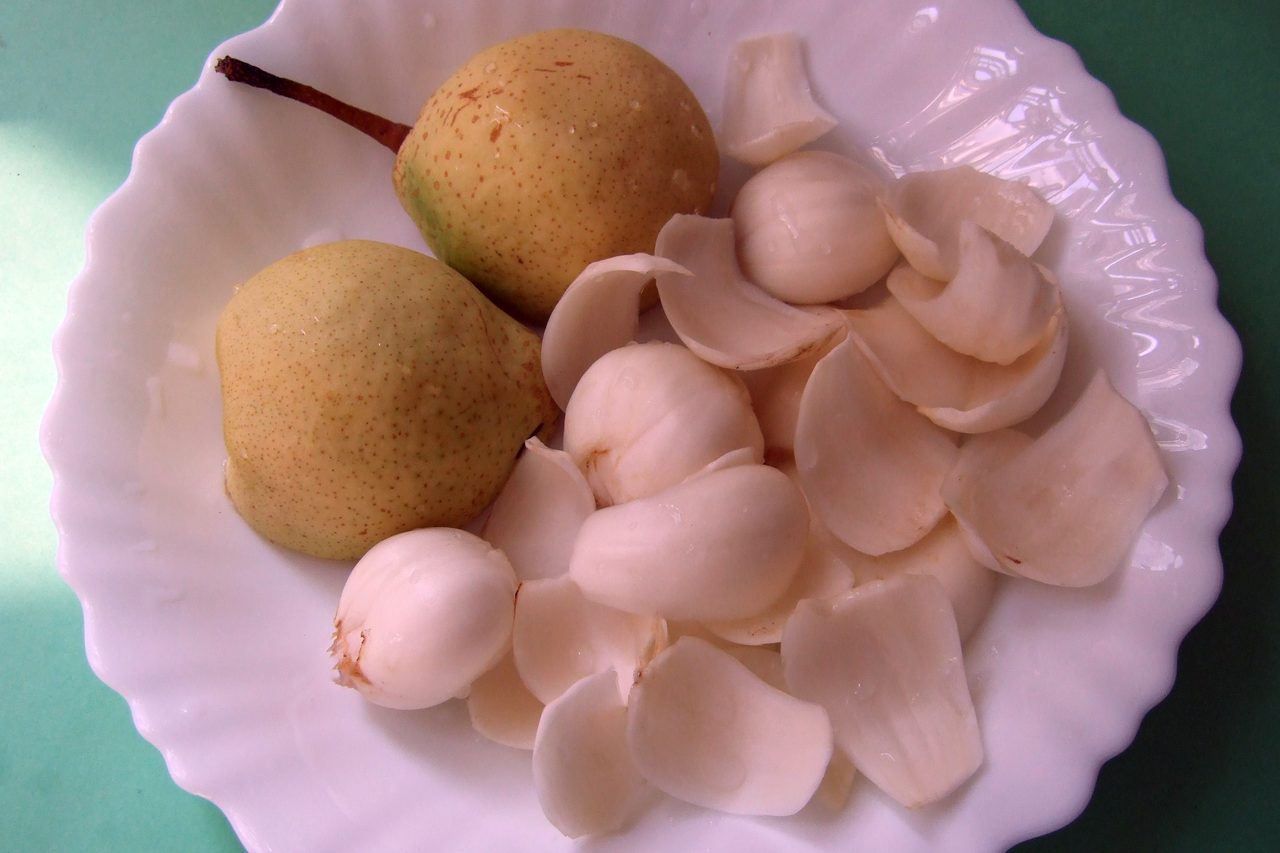
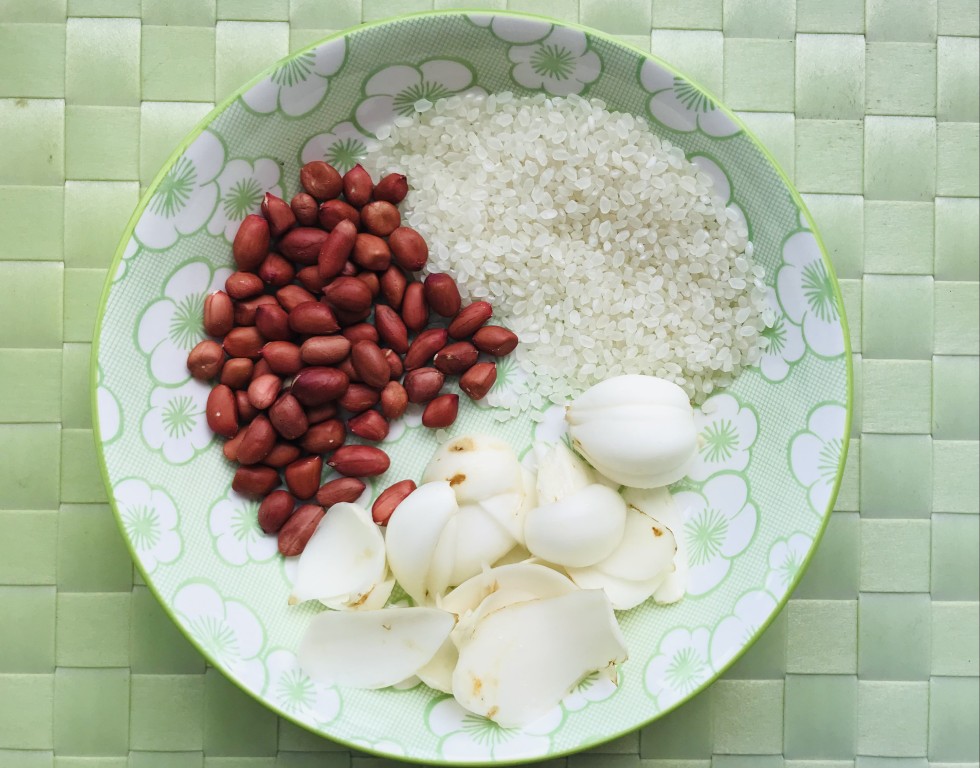
| Fresh lily bulb (xian bai he) | 1 pack, ~150 g | Lanzhou variety is especially sweet and soft; any fresh lily bulb works |
| Honey (feng mi) | To taste, ~1–2 tsp | Raw or UMF-rated Manuka is ideal; add only after cooling to warm |
Method
- Separate the lily bulb into individual petals. Rinse thoroughly under cold water and drain.
- Arrange the petals in a heatproof bowl and place over a pot of simmering water (double-boiler / steam setup).
- Steam over medium heat for 15 minutes, until the petals are soft and translucent.
- Remove the bowl and let the lily bulb cool to a comfortably warm temperature.
- Drizzle honey over the warm lily bulb and fold gently to coat. Serve immediately.
Bro Niu’s tips
If fresh lily bulb is unavailable, dried lily bulb (gan bai he) works equally well — soak in cold water for 30 minutes first, then steam over the double boiler for a full hour rather than 15 minutes before adding the honey. The result is slightly more concentrated in flavour but just as nourishing. A reminder to anyone using a premium active-compound honey: always let the lily bulb cool before adding the honey, or you will destroy the very compounds that made the honey worth buying.
Community questions answered (selected)
-
Q (粉红木偶 / reader): My mother is 63 and coughs almost every day, especially in air-conditioned spaces — even when dressed warmly. What might be the reason? Bro Niu: Older adults often have a less resilient constitution, and a sudden change in temperature or cold air can easily trigger respiratory sensitivity, causing coughing and sneezing. You could look for the patent formula “Yu Ping Feng San” (Jade Screen Powder) granules — one sachet daily to support immune strength and reduce sensitivity. If you prefer a simple home approach, try a tea of 5 slices of astragalus root (bei qi), 1 tablespoon of goji berries (gou qi zi), and 6 red dates (hong zao), simmered in 4 bowls of water down to 2 bowls. Drink regularly over a period of weeks.
-
Q (阿囡 / reader): My mother, 71, has high blood pressure and gallstones. She had a coughing episode with blood last month. The doctor diagnosed bronchial inflammation. What soups could help support her? Bro Niu: You could try simmering glehnia root (sha shen), ophiopogon (mai dong), and Solomon’s seal (yu zhu) — about 5 qian each — with lean pork into a soup. This combination is traditionally associated with nourishing lung moisture, clearing dryness, and supporting the airways. Please continue to follow her doctor’s treatment plan alongside any food support.
-
Q (Li / reader): Can a person with diabetes eat honey? Bro Niu: As a general rule, people with diabetes should avoid honey and most sugars, because simple sugars are absorbed quickly and can cause blood glucose to rise sharply. The only exception sometimes discussed is during a confirmed hypoglycaemic episode — but this is a medical decision. Please consult your doctor.
Published March 9, 2010 · Adapted and translated for Nourilo from a traditional home-kitchen recipe. Approx. 4 min read.