Tonic Drinks & Waters
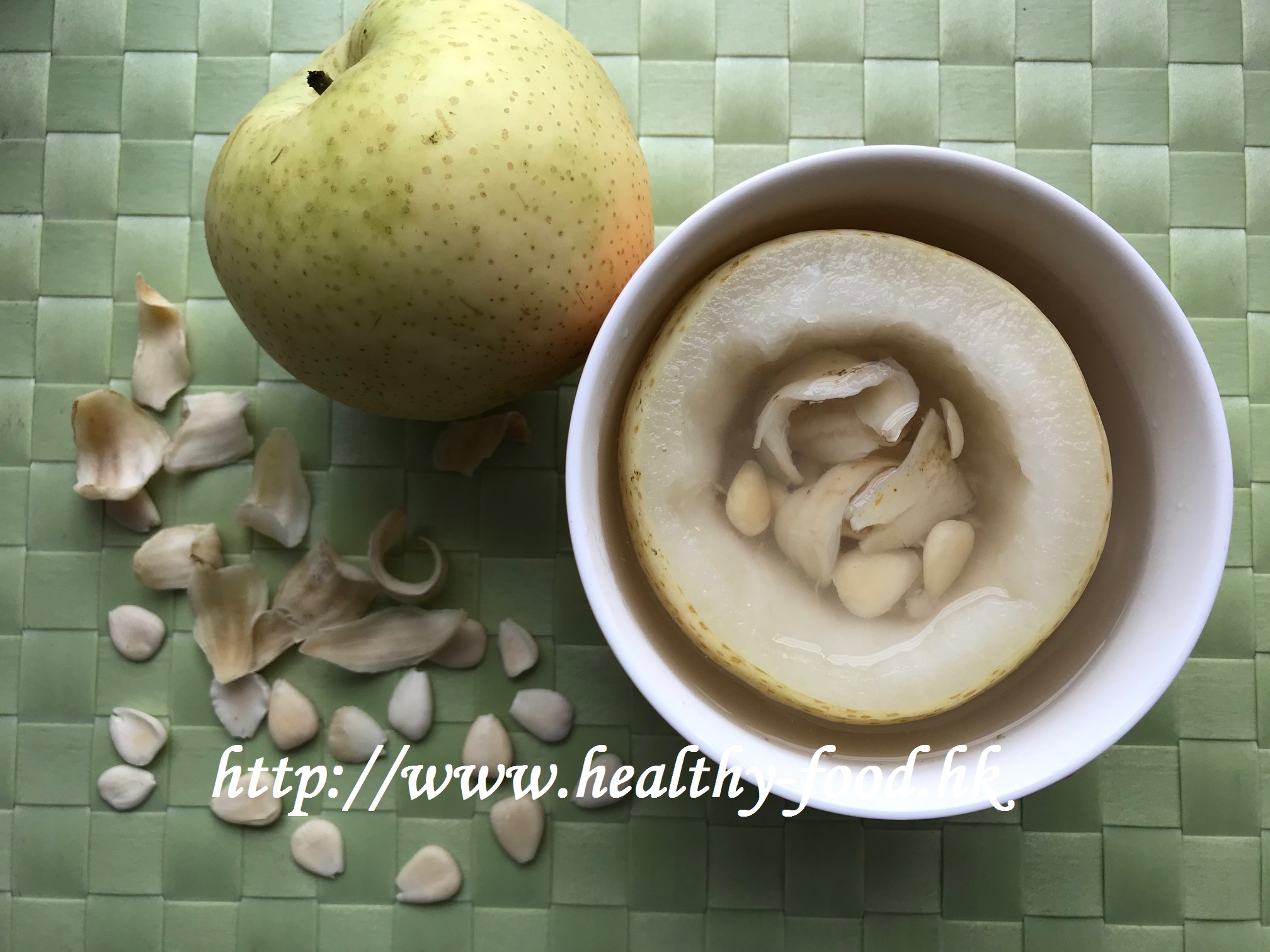
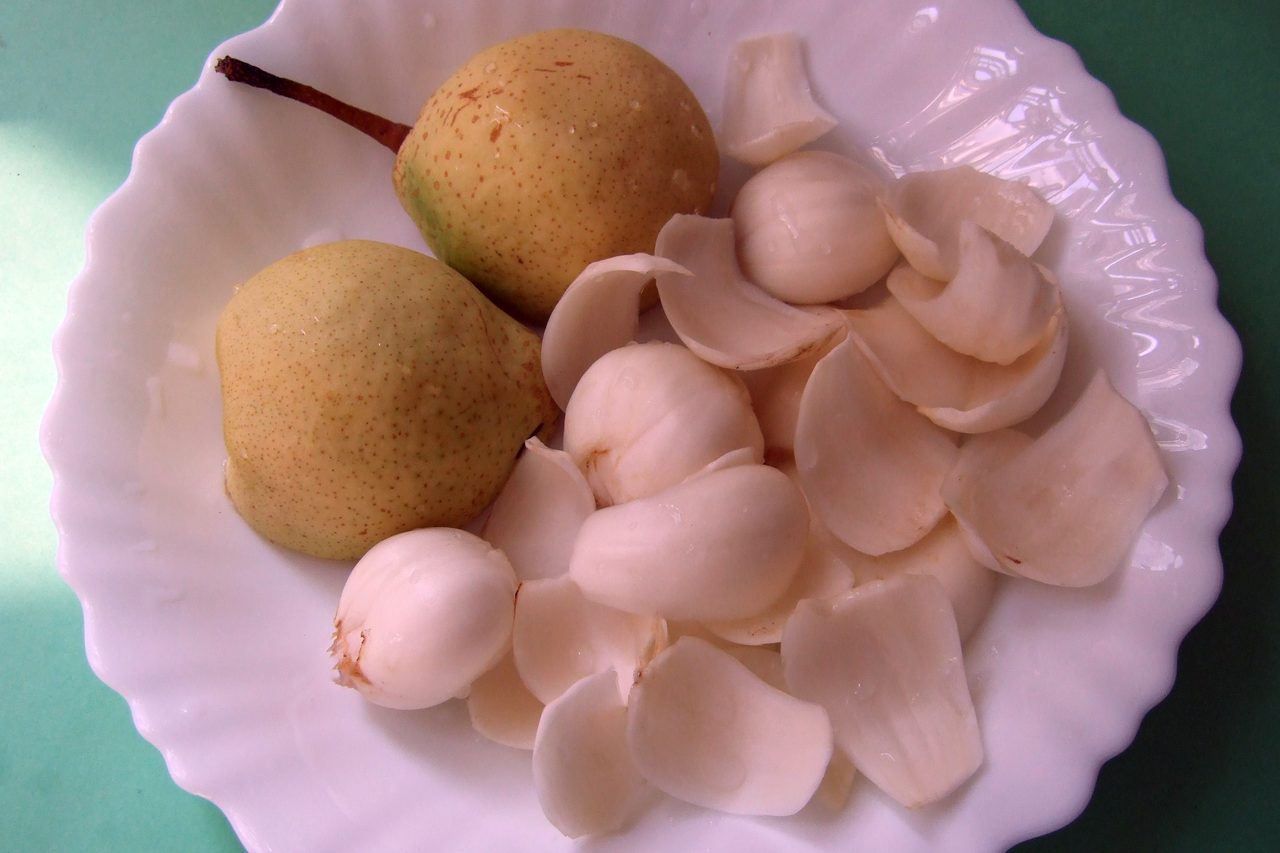
Snow Pear, Lily Bulb and Honey Drink
traditionally used to moisten the lungs, clear heat, and soothe a dry, persistent cough with yellow phlegm
Why people make this drink
Bro Niu begins this recipe with a broader observation that resonates with anyone living a busy modern life: late nights, restaurant meals heavy in fried and spicy food, and insufficient rest all tend to push the body’s internal balance toward heat — what Chinese medicine calls “shang huo” or “going up in fire.” This is not just a concept for people with a hot constitution; people who run cold can also experience internal heat flare-ups, particularly when they have pushed themselves too hard.
The symptoms of what Chinese tradition calls “lung fire” — a dry throat, a persistent cough with yellow or sticky phlegm, parched nasal passages — are among the most common complaints in both adults and children, especially after a cold. This simple pear and lily drink has been used across generations in Cantonese households to address exactly this pattern. Snow pear is cooling and moistening; lily bulb calms and clears; and honey soothes the throat and adds a gentle, balanced sweetness.
Who it suits / who should be cautious
- Well suited to adults and children with a heat-type or dry-type cough: dry throat, yellow or sticky phlegm, persistent hacking cough after a cold
- Suitable for children — this is one of the gentler food-therapy preparations for childhood coughs after illness
- NOT suitable for cold-type coughs with clear or white watery phlegm, or for coughs that are worse at night — these patterns are more likely to respond to warming approaches
- Honey should not be given to children under 1 year of age; use a small amount of rock sugar instead
- Pregnant women can enjoy this drink in moderation
Why these ingredients (the food-therapy logic)
- Snow pear (xue li): Cooling and hydrating; in Chinese food therapy, pear is one of the classic lung-moistening fruits. Traditionally used to clear lung heat, resolve phlegm, and ease cough and sore throat.
- Lily bulb (bai he): Gently nourishes the lungs, calms the heart and nervous system, and clears heat from the lungs. Often used in Chinese medicine for coughs associated with dryness or heat, and also for restlessness and anxiety.
- Honey (feng mi): Soothes the throat, adds moisture, and harmonises the drink’s flavour. Added after the liquid cools slightly so that excessive heat does not destroy its beneficial compounds.
Ingredients (2–3 servings)
| Ingredient | Amount | Notes |
|---|---|---|
| Snow pears (xue li) | 2 medium | Wash, core, and cut into chunks; do not peel |
| Fresh lily bulb (xian bai he) | 2 liang (~75 g) | Separate the layers and rinse thoroughly; or use dried lily bulb 1 liang |
| Honey | A small amount | Add after the drink has cooled to warm (not hot) — do not add to boiling liquid |
| Water | 4 bowls (~1 L) |
Method
- Wash the snow pears and core them. Cut into large chunks — no need to peel.
- If using fresh lily bulb, separate the individual layers and rinse well. If using dried lily bulb, soak briefly in water first.
- Place the pear chunks and lily bulb in a pot with 4 bowls of water. Bring to a boil, then reduce to a gentle simmer for about 30 minutes.
- Remove from heat and allow to cool until warm (not hot). Add a small amount of honey, stir to combine, and serve. Drink the broth and eat the pear chunks and lily bulb.
Bro Niu’s tips
This drink targets heat-type coughs specifically — the key sign is phlegm that is yellow or sticky, or a throat that feels dry and uncomfortable. If the cough produces clear, watery phlegm or tends to worsen at night, this drink may not be the right approach; a warming preparation would be more appropriate in that case.
For children with post-cold coughing and persistent yellow phlegm, this is one of Bro Niu’s go-to recommendations. You can swap honey for a small piece of rock sugar if cooking for children under 1 year, or if honey is not preferred.
Bro Niu also notes that this recipe sits within a broader map of heat-related patterns in Chinese food therapy. Liver fire, stomach fire, heart fire, and lung fire all have different expressions and call for different food-therapy approaches. The pear and lily drink specifically addresses lung fire and dryness; for other patterns, different preparations are more appropriate.
Community questions answered (selected)
-
Q (anonymous): Can I use rock sugar instead of honey? Bro Niu: Yes, rock sugar works fine as a substitute for honey.
-
Q (Amy): Can you drink this at the very start of a cold? And for lung heat, how much water and how long should I cook the luo han guo and wu hua guo? Bro Niu: At the very start of a cold, it is better to hold back on lily bulb — save it for after the acute cold has passed. For lung heat, use half a luo han guo, 3 wu hua guo (figs), and one cored snow pear, simmered together; for a full dried luo han guo, use about 6 bowls of water and cook for 20 minutes.
-
Q (Joyce): My 3-year-old has symptoms of real fire (shi huo). Can I use lotus seed core tea (lian zi xin cha) instead of plain water for making formula? Bro Niu: Lotus seed core is good for clearing heart fire but tastes very bitter — most small children will refuse it. A better option for a young child is a cooling drink made from fresh cogon grass root (mao gen), sugarcane, and water chestnuts: it clears heat gently and tastes pleasant enough for children.
Published May 30, 2015 · Adapted and translated for Nourilo from a traditional home-kitchen recipe. Approx. 4 min read.