Soups
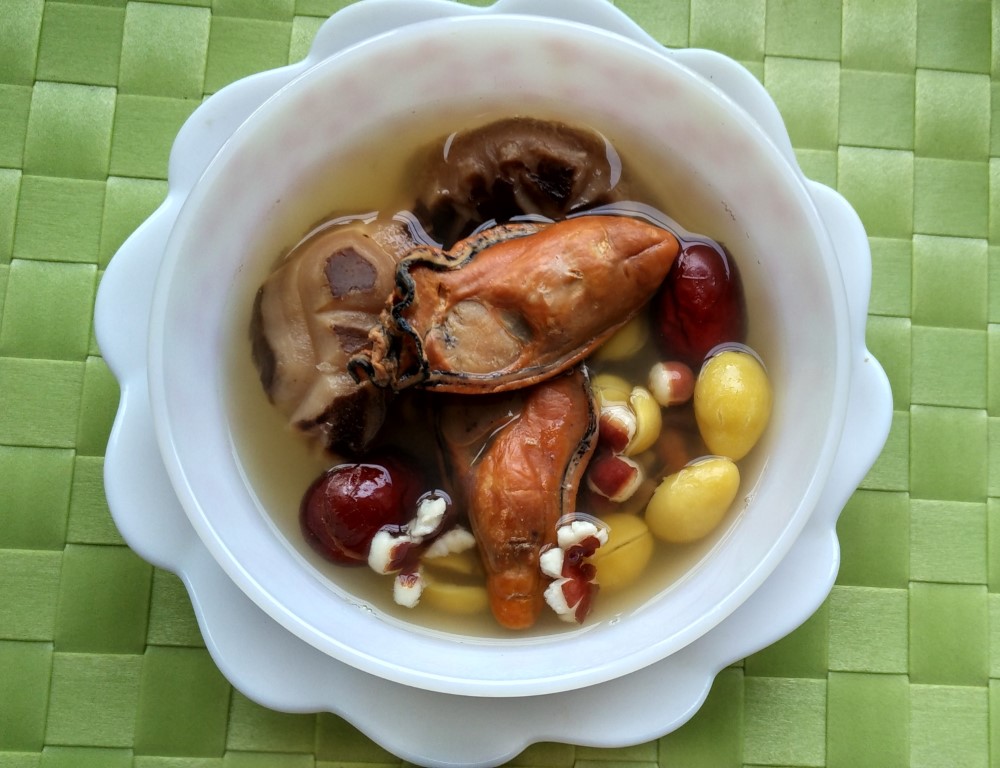
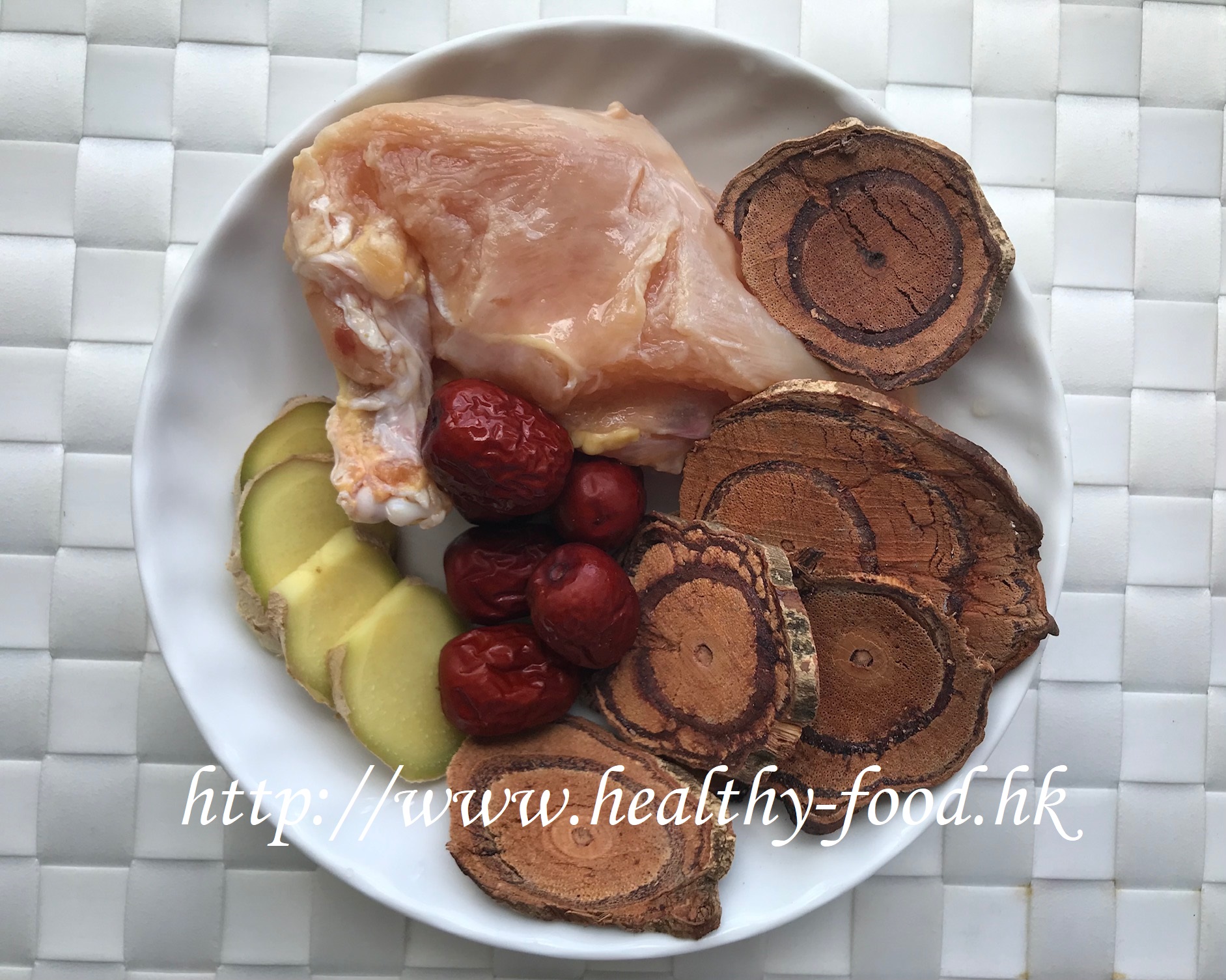
Spatholobus Stem, Ginger, Jujube & Chicken Soup
Traditionally used to nourish blood, support circulation, and ease menstrual discomfort
Why people make this soup
In Chinese herbal tradition, vine plants are broadly associated with moving through channels — supporting circulation in the body’s sinew and blood networks. Spatholobus (ji xue teng) is one of the best-known examples: its cross-section reveals striking red sap that resembles blood, and it has been used for centuries in soups and decoctions intended to nourish and invigorate blood. Modern research has explored its effects on increasing haemoglobin and expanding blood vessels, lending some scientific context to its traditional reputation. Combined with warming ginger and the gentle sweetness of jujube dates, this soup makes a practical, pleasant-tasting monthly tonic for women who experience period discomfort, pale complexion, or fatigue.
Who it suits / who should be cautious
- Suited to women with menstrual irregularity, period pain (especially cramping), sparse flow, or blood-deficiency signs such as pallor and fatigue
- Traditionally considered helpful even for men — it may support sperm quality in men, according to the source
- People with a bleeding disorder or those taking blood-thinning medication should consult a practitioner before using spatholobus regularly
- Best taken in the week or two before menstruation; stop during the period if flow is already heavy; resume after
Why these ingredients (the food-therapy logic)
- Spatholobus stem (ji xue teng): A large vine herb; traditionally used to both nourish and move blood — the combination of tonifying and activating is considered key for women’s menstrual support
- Fresh ginger (sheng jiang): Warming and dispersing; helps blood circulate freely and warms the uterine channel
- Red jujube (hong zao): A gentle, sweet tonic for qi and blood; pairs well with spatholobus to support the body without being too stimulating
Ingredients (4 bowls / 1 pot)
| Ingredient | Amount | Notes |
|---|---|---|
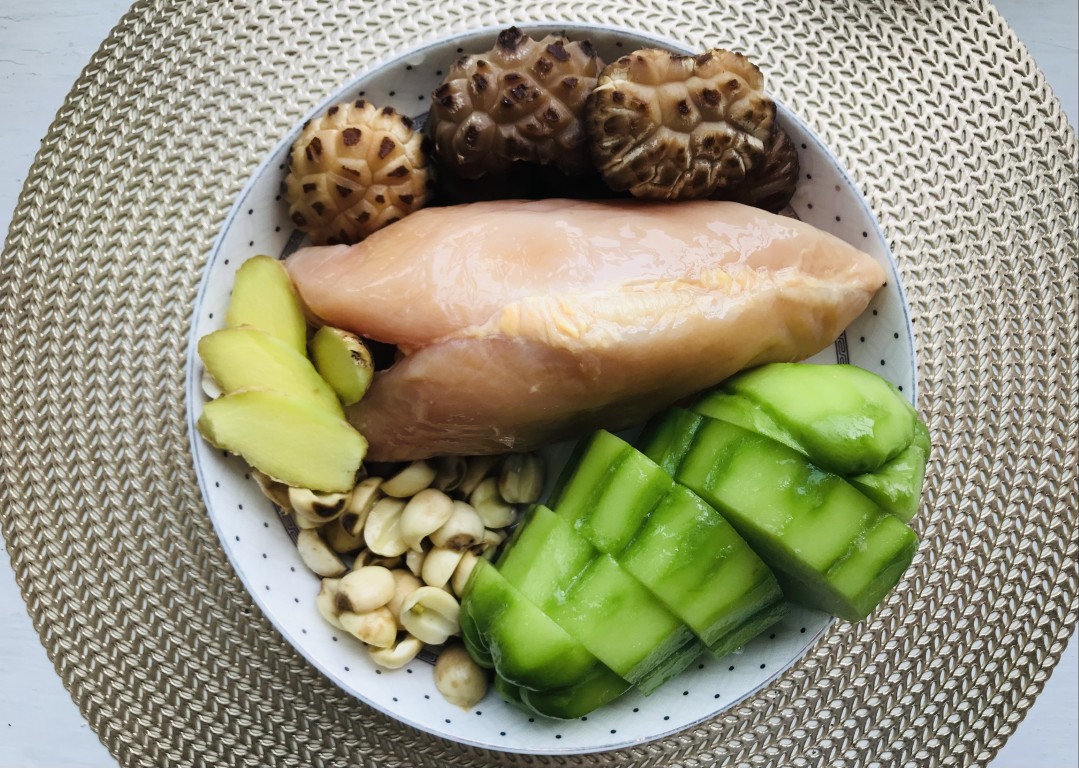
| Spatholobus stem (ji xue teng) | 38 g (1 liang) | Rinse and soak briefly before cooking |
| Fresh ginger | 3–4 slices | |
| Red jujube dates | 6 pieces | Pit removed |
| Chicken breast or skinless chicken | ~300 g | Blanch before adding to soup |
| Water | 8–9 bowls (~2 L) |
Method
- Rinse the spatholobus stem and soak in cold water for 10 minutes, then drain.
- Remove pits from the jujube dates.
- Blanch the chicken: place in a pot, cover with cold water, bring to a simmer, skim the foam, then drain and rinse.
- Place all ingredients in a large pot with 8–9 bowls of water. Bring to a boil.
- Reduce heat and simmer for 2 hours until the liquid reduces to about 4 bowls.
- Drink the soup and eat the chicken and dates.
Bro Niu’s tips
This soup’s benefits extend beyond menstrual concerns — it is also traditionally regarded as helpful for improving sperm quality in men. For menstrual regularity, aim to drink this soup about twice a week for a month, stopping when your period begins. Resume in the following cycle. A consistent approach over several months tends to show more noticeable results than one-off servings.
Community questions answered (selected)
-
Q (miss lau): How often should I drink this soup for menstrual irregularity? Can I drink it every day? Bro Niu: Twice a week for one month is a good rhythm. Stop when your period arrives, and see whether things improve in the next cycle.
-
Q (Anny): My TCM doctor says I have blood deficiency and kidney deficiency. Can you suggest something to help along with my herbal medicine? Bro Niu: Try a soup of dang shen (5 qian), dang gui (3 qian), ji xue teng (5 qian), and nan zao dates (5 pieces), simmered with chicken breast or lean pork. Twice a week until your next period. Note that dang gui is best used alongside dang shen, which moderates its warming intensity.
Published June 18, 2021 · Adapted and translated for Nourilo from a traditional home-kitchen recipe. Approx. 3 min read.