Soups
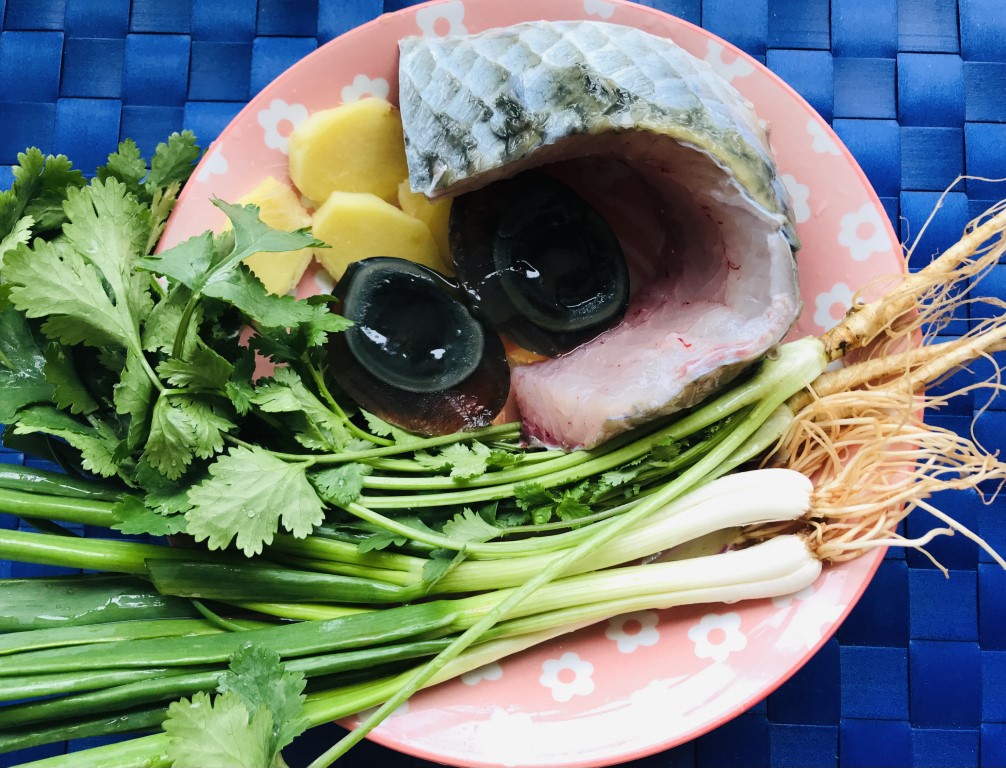
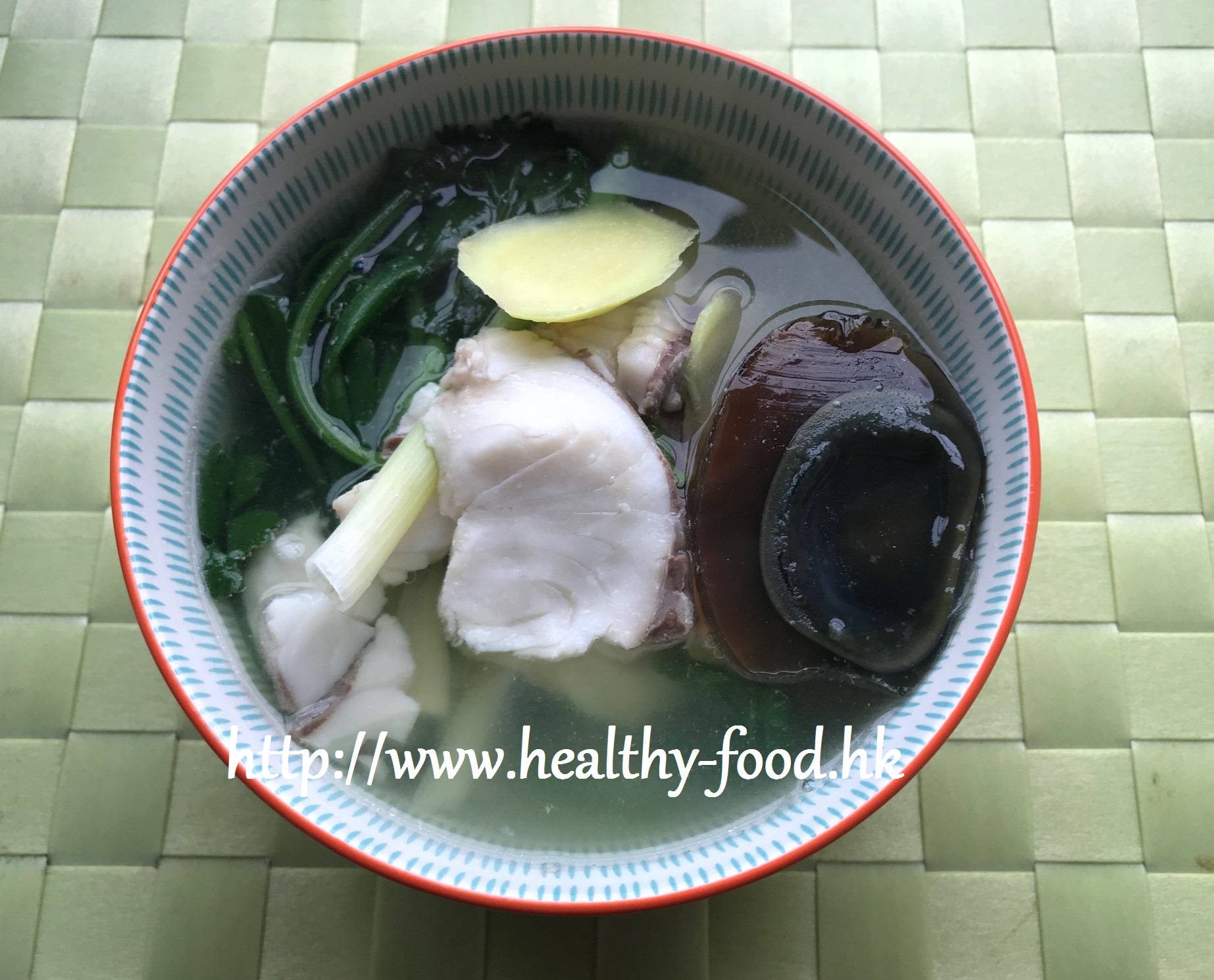
Century Egg, Coriander, Spring Onion and Fish Broth
Traditionally associated with clearing internal heat and soothing throat discomfort
Why people make this dish
Late nights, air-conditioned offices and a fondness for fried or spicy food — it is easy to build up what Cantonese tradition calls internal dryness-heat, which can show up as a sore, inflamed throat, hoarse voice, cracked lips or mouth sores. Rather than reaching straight for bitter cooling teas (which can sometimes prolong the dryness), Chinese food therapy suggests moistening the lungs first and letting the heat resolve more gently. Century egg is a classic ingredient for this purpose: it is traditionally considered cooling and throat-moistening, and particularly good for clearing heat from the large intestine. This quick broth — just five to six minutes of simmering — is light enough to eat when you feel unwell, yet flavourful enough to enjoy as an everyday dish.
Who it suits / who should be cautious
- Suitable for adults and older children experiencing a sore throat, hoarse voice or mouth sores associated with dryness-heat, especially at the early onset of an upper respiratory irritation.
- Pregnant women can use coriander in cooking without concern.
- If grass carp is unavailable, any freshwater fish fillet or lean pork can be substituted.
Why these ingredients (the food-therapy logic)
- Century egg (pi dan): In Chinese food therapy, traditionally associated with moistening the lungs, clearing throat heat and relieving heat from the large intestine. Choose lead-free versions (wú qian pi dan) for regular use.
- Coriander / cilantro (yuan sui): Considered warming and dispersing; helps open the pores and move qi upward, complementing the cooling action of the century egg.
- Spring onion whites (cong bai): Traditionally used to disperse wind-cold and unblock the throat.
- Fresh ginger (sheng jiang): Helps reduce the fishy smell and provides a gentle warming counterbalance.
- Grass carp fillet (wan yu): A mild, lean protein that is easy to cook quickly and easy to digest when the appetite is poor.
Ingredients (3–4 bowls)
| Ingredient | Amount | Notes |
|---|---|---|
| Lead-free century eggs | 2 | Shelled, rinsed and cut into pieces |
| Fresh coriander | ~60 g | Roots removed, washed and cut into sections |
| Spring onion (white part) | 3 stalks | Root ends removed, cut into sections |
| Fresh ginger | 2 slices | |
| Grass carp fillet | 1 fillet | Skin removed, thinly sliced |
| Water | 3–4 bowls (~750 ml–1 L) |
Method
- Shell the century eggs, rinse under cold water and cut into pieces. Remove roots from the coriander and spring onion, wash thoroughly and cut into sections. Remove the skin from the fish fillet, rinse and slice thinly.
- Bring 3–4 bowls of water to a rolling boil.
- Add all ingredients to the boiling water.
- Boil briskly for 5–6 minutes until the fish is just cooked through.
- Serve immediately, eating both the broth and the solid ingredients.
Bro Niu’s tips
When choosing century eggs, avoid ones with many spots on the shell, or where the egg-white looks very dark greenish-black — these may indicate higher lead content from older production methods. The egg white should be a clear amber colour, and the yolk should still be soft (runny-centered) for the best flavour and food-therapy quality. If the yolk has turned yellow throughout, the egg is too old and is best not used. This broth is particularly helpful at the early stage of an upper respiratory infection where there is redness and swelling in the throat.
Community questions answered (selected)
-
Q (Amy): I cannot find grass carp — what fish can I use instead? Bro Niu: A freshwater fish stall should have it, but you can also use large fish fillet (dai yu) or lean pork — both work well.
-
Q (reader, 2020-09-12): My child had a fever, took medicine for one day, the fever broke, but now sweats a lot and looks a bit pale. Can I make some pear, lily and dried tangerine peel tea for her? Bro Niu: You can use 1 dried tangerine peel (jú bing), 5 qian of floating wheat (fu xiao mai), 1 cored snow pear and 5 qian of lily bulb (bai he), simmered in water — this helps clear heat and stop the night sweats.
-
Q (reader, 2020-09-11): During chemotherapy for stomach cancer, can the patient eat sea cucumber? Is it easy to digest? Bro Niu: Sea cucumber contains substances with good anti-cancer properties and should be eaten during chemotherapy to strengthen the body. To make it easier to digest, cook it in stock, then blend it into a smooth congee. There are also ready-made sea cucumber congee sachets available. Eating it is worthwhile.
Published September 11, 2020 · Adapted and translated for Nourilo from a traditional home-kitchen recipe. Approx. 4 min read.