Soups
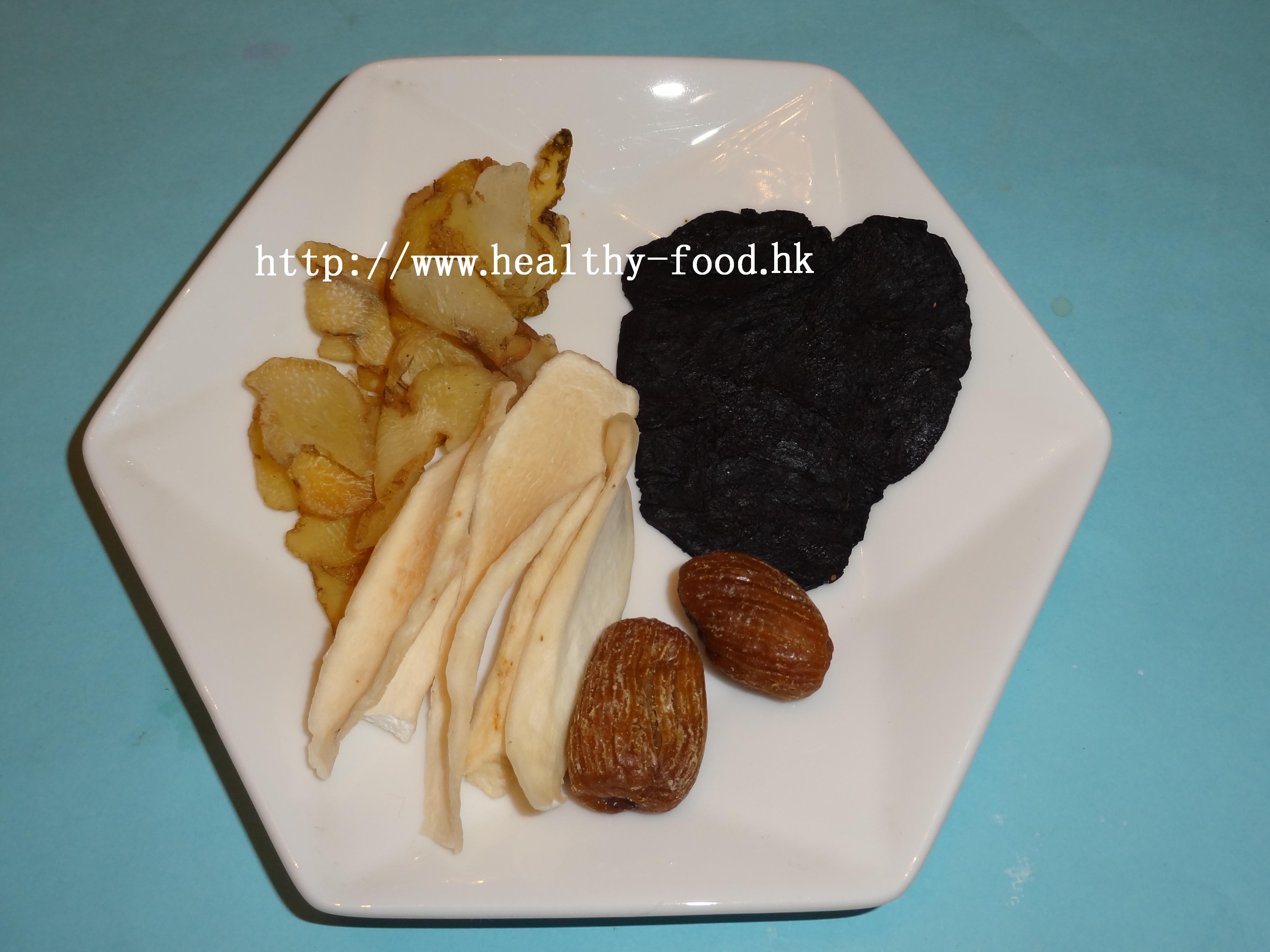
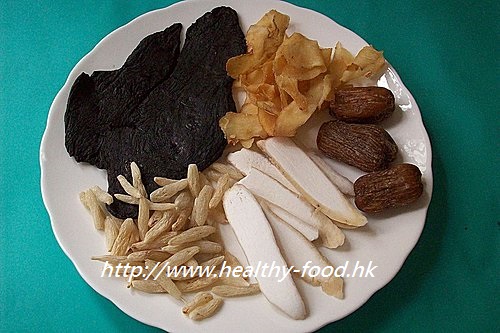
Sheng Di, Mai Dong and Yu Zhu Soup
traditionally associated with nourishing yin, relieving fatigue, and calming restlessness
Why people make this soup
Modern city life can quietly wear a person down. When rest is consistently inadequate, the body’s internal rhythms start to slip: persistent fatigue, puffiness, cold hands and feet, itchy skin, forgetfulness, a general loss of vitality. In traditional Chinese food therapy, many of these signs point to a depletion of yin — the body’s cooling, nourishing fluid — and a loss of qi. This simple four-herb decoction is designed to gently address that pattern. It has a pleasant, mild sweetness from the honey dates and is light enough to take twice a week as a regular wellness soup.
Who it suits / who should be cautious
- Suitable for adults who feel chronically tired, restless, or mentally drained — particularly those in high-pressure jobs or with long working hours.
- Traditionally said to be appropriate for both overactive and underactive thyroid conditions, as it gently supports overall yin balance rather than pushing in one direction.
- Those with a very cold constitution (feeling cold all the time, loose stools) should add two or three slices of fresh ginger when simmering.
- If you experience loose stools after drinking the soup, it indicates the formula is a little cool for your digestion — add ginger and dried tangerine peel (chen pi).
Why these ingredients (the food-therapy logic)
- Rehmannia root (sheng di huang): Traditionally associated with cooling the blood and nourishing yin; considered valuable for people with internal heat arising from yin deficiency.
- Ophiopogon root (mai dong): A key yin-nourishing herb; traditional texts note it supports the heart, calms the mind, and is associated with regulating immune function.
- Solomon’s seal (yu zhu): Traditionally said to moisten and nourish yin, particularly benefiting the lungs and stomach.
- Chinese yam (huai shan): Paired with mai dong and yu zhu, traditionally associated with strengthening the stomach and supporting the generation of body fluids.
- Honey dates (mi zao): Naturally sweet, these help moderate the cooling properties of the other herbs and make the soup palatable.
Ingredients (2 bowls)
| Ingredient | Amount | Notes |
|---|---|---|
| Rehmannia root, raw (sheng di huang) | 37 g (1 liang) | Soak 30–60 min before cooking |
| Ophiopogon root (mai dong) | 37 g (1 liang) | Soak 30–60 min before cooking |
| Solomon’s seal (yu zhu) | 37 g (1 liang) | Soak 30–60 min before cooking |
| Chinese yam (huai shan) | 37 g (1 liang) | Soak 30–60 min before cooking |
| Honey dates (mi zao) | 3 pieces | May substitute longan flesh |
Method
- Soak all herbs in water for at least 30 minutes to 1 hour (this helps remove any residual sulphur used in storage and makes the herbs more effective once cooked).
- Drain and place all ingredients in a pot with 5 bowls of water (~1.25 litres).
- Bring to a boil, then reduce heat and simmer for about 25 minutes until reduced to 2 bowls.
- Drink in two portions throughout the day. Eat the softened herb pieces as well.
Bro Niu’s tips
This is a gentle, mildly nourishing soup — not a strong tonic. If you have a cold constitution, adding a few slices of ginger makes it more balanced. Drink twice a week as part of a regular wellness routine. You can also add lean pork to turn it into an everyday family soup. Honey dates can be replaced with longan flesh (yuan rou) if preferred. Lean toward soaking herbs like mai dong, yu zhu, and sheng di for at least 30 minutes before cooking — many dried herbs are fumigated with sulphur for preservation, and soaking helps remove it.
Community questions answered (selected)
-
Q (玲玲): After drinking this soup I got an upset stomach — why? Bro Niu: You may have a cold, weak digestion. Add some fresh ginger and dried tangerine peel (chen pi) to the soup next time.
-
Q (man): Can green mung beans substitute for rehmannia root? Bro Niu: Yes, 1 liang (37 g) of green mung beans can replace the sheng di huang.
-
Q (Polly): Can I add lean pork and jujube dates? Can I drink it when I have a cold? Bro Niu: You can add lean pork and south jujubes (nan zao). You can drink this soup when you have a mild cold without fever.
Published March 28, 2014 · Adapted and translated for Nourilo from a traditional home-kitchen recipe. Approx. 3 min read.