Herbal & Flower Teas
Rose, Jasmine and Osmanthus Flower Tea
traditionally used to ease liver-stomach tension and bloating
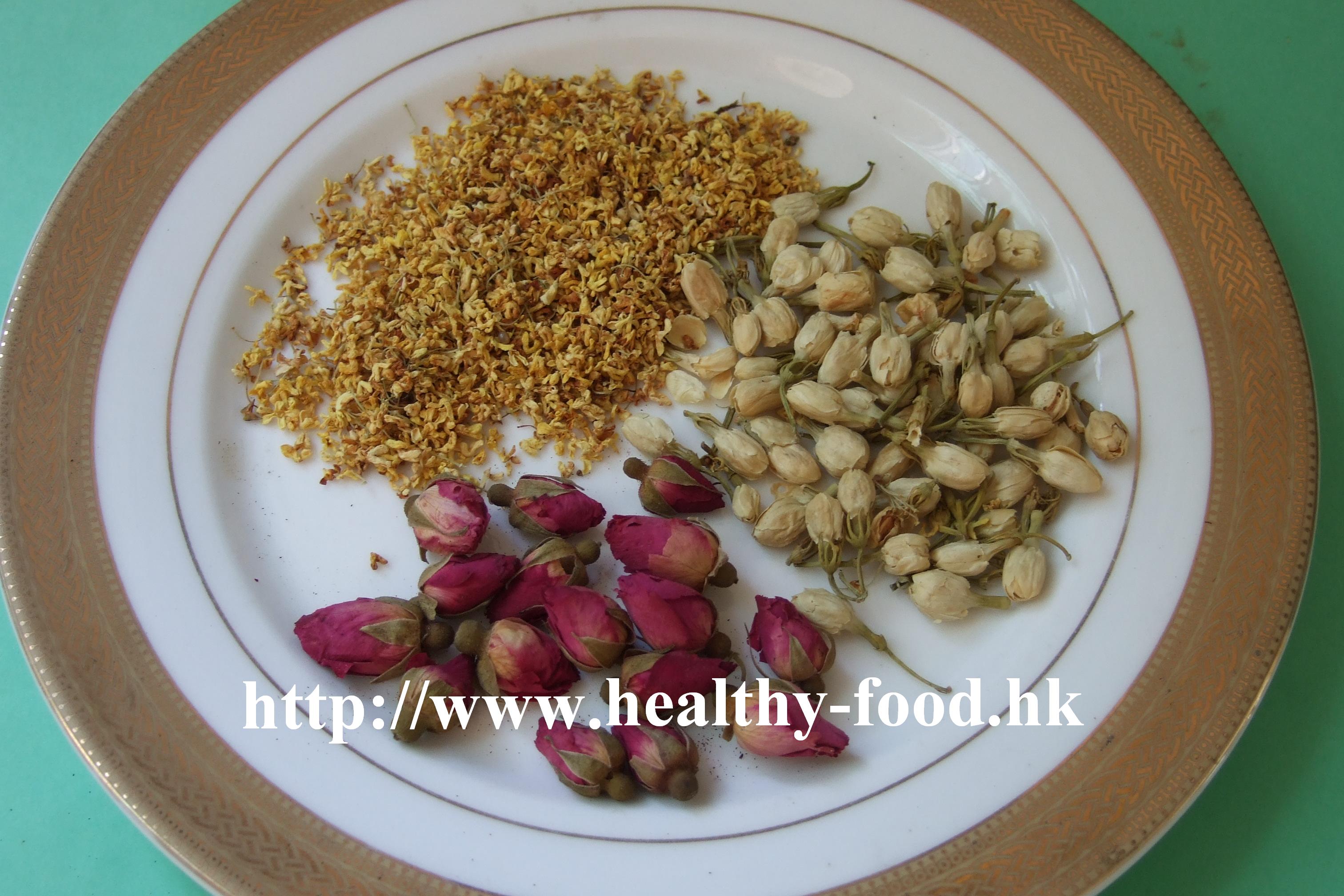
Why people make this tea
When stress piles up, it often lands in the stomach first — that tight, bloated, vaguely sore feeling that no amount of antacid quite touches. In traditional Chinese food therapy, this pattern is associated with what practitioners call liver-stomach disharmony: the liver’s energy becomes constrained, which then disrupts smooth digestion. Rose, jasmine and osmanthus each have a long history of use for exactly this kind of emotionally tangled stomach upset. Bro Niu first came across rose-infused water at an aromatherapy class and was struck by how the gentle floral fragrance seemed to soften the whole room — and the idea of combining three aromatic blossoms into one daily tea stayed with him.
Who it suits / who should be cautious
- People who experience stress-related stomach tension, bloating after meals, or a feeling of pressure in the upper abdomen
- Those who tend toward low mood, irritability or emotional tightness that seems to affect digestion
- Suitable for most adults as a daily wellness tea
- Pregnant women should not drink this tea
- People with a very cold constitution or weak digestion who feel easily chilled may want to limit use — all three flowers are mildly cooling in nature
Why these ingredients (the food-therapy logic)
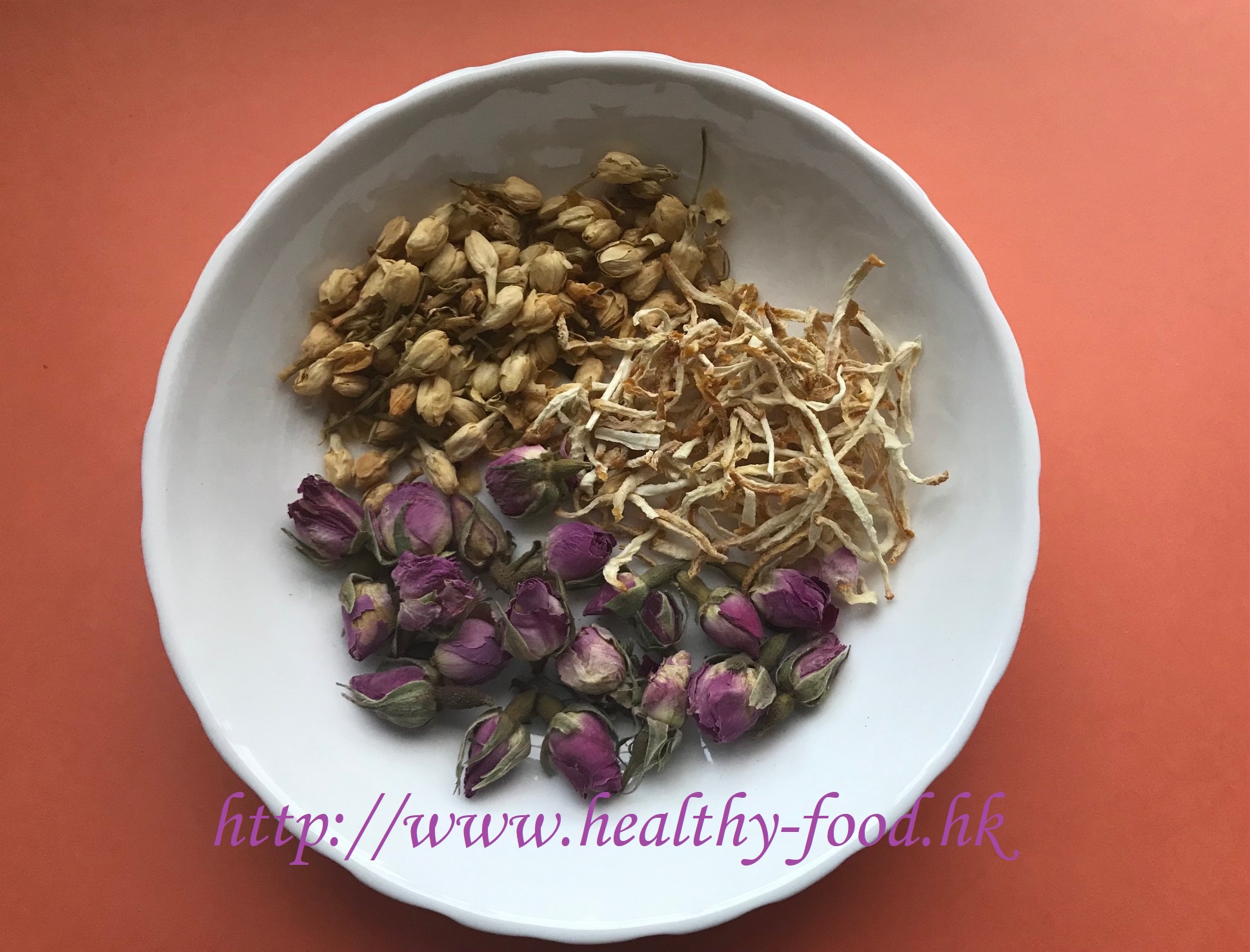
- Rose buds (mei gui hua): In traditional practice, rose is considered to gently move qi and ease emotional stagnation; it is associated with soothing liver tension and easing feelings of bloating or mild abdominal pain linked to stress
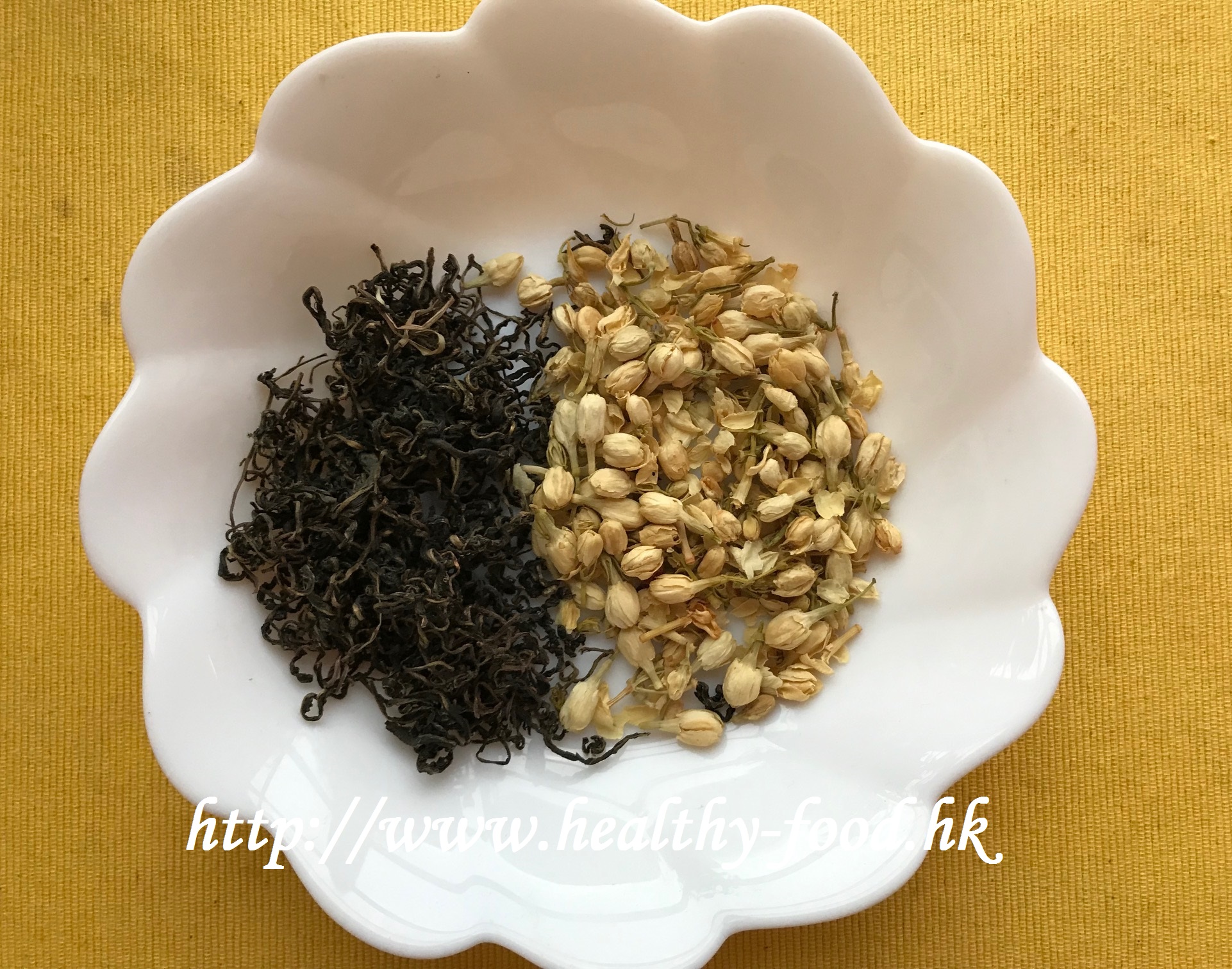
- Jasmine flowers (mo li hua): Jasmine is traditionally valued for its ability to calm the mind and lift low mood; combined with rose, it is associated with reducing that tight, anxious sensation in the chest and stomach
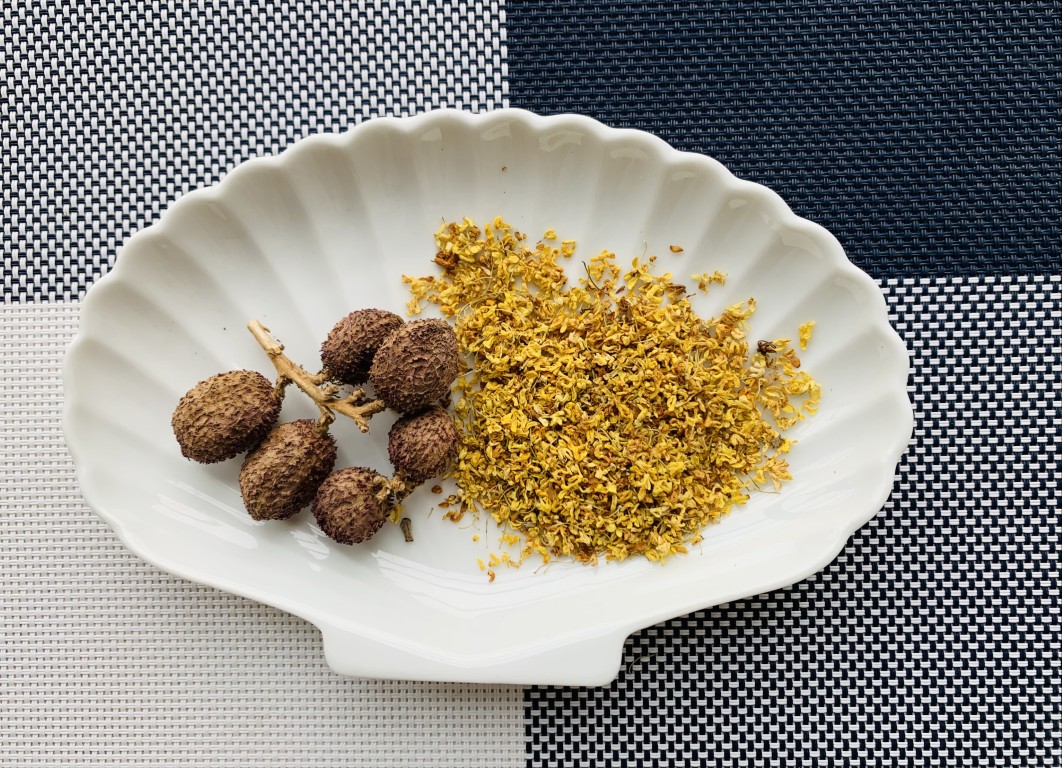
- Osmanthus flowers (gui hua): Osmanthus adds warmth to the blend and is traditionally used to help move stagnant qi in the stomach, easing distension and the sensation of trapped gas
Ingredients (1 cup)
| Ingredient | Amount | Notes |
|---|---|---|
| Dried rose buds | 1 small pinch (~6–7 buds) | Choose fragrant, organic or pesticide-free; imported European varieties tend to be more aromatic |
| Dried jasmine flowers | 1 small pinch | Available at herbal tea shops or Asian grocery stores |
| Dried osmanthus flowers | 1 small pinch | A small amount goes a long way — the flavour is sweet and delicate |
Method
- Place all three flowers in a teapot or a heat-safe mug.
- Pour a small amount of boiling water over the flowers to rinse them briefly, then discard this first rinse.
- Pour fresh boiling water over the rinsed flowers.
- Cover and steep for about 5 minutes.
- Sip slowly. The flowers can be re-steeped until the flavour fades.
Bro Niu’s tips
- This tea is best enjoyed in the morning or afternoon — avoid drinking it late in the evening if you are sensitive to aromatic teas before bed (though because there is no added tea leaf, it will not cause caffeine-related wakefulness).
- If you tend to produce a lot of stomach gas, you can add a piece of dried tangerine peel (chen pi) when steeping — it helps move gas along.
- When buying dried flowers, choose pesticide-free or certified organic whenever possible. A good way to check rose quality: hold a few buds to your nose before buying — the fragrance should be distinct without being chemical-sharp.
- If rose water (the distilled byproduct of rose essential oil production) is ever available to you, it can be added to cool boiled water for a gentler everyday drink with a similar quality.
Community questions answered (selected)
-
Q (jenny1010): I have been diagnosed with fibrocystic breast changes. Would drinking rose and jasmine tea help? My constitution is yin-deficient with excess heat. Bro Niu: You can use rose and jasmine tea regularly to support liver qi flow and ease emotional stagnation. Separately, you might try a decoction of fo shou gan (Buddha’s hand) 3 qian and qing pi (green tangerine peel) 2 qian boiled as a tea substitute — this combination is traditionally associated with supporting breast tissue health. Always follow up with your doctor.
-
Q (Elaine): I have been getting stomach pain for about 2 hours after eating, and my appetite has dropped a little. I have been under stress with my daughter’s school entrance exam. No vomiting, no black stools, no reflux. Bro Niu: Your symptoms could have several causes — it is worth getting checked out properly, including a test for H. pylori bacteria. In the meantime, you can try a broth with bei qi (astragalus), huang jing (Solomon’s seal) and dang shen (codonopsis) 5 qian each, with one piece of dried tangerine peel and 4 red dates, cooked with lean pork — good for the whole family and gentle on the stomach.
-
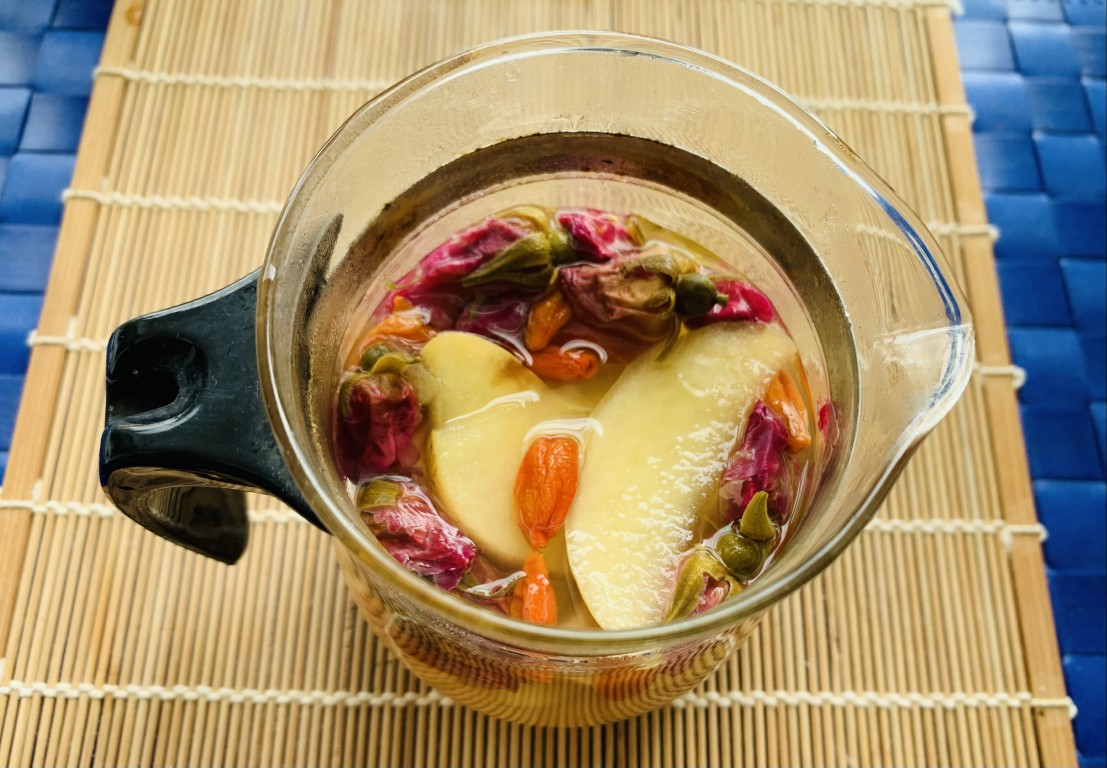
Q (Win Win): I have uterine fibroids and heavy periods. Can I drink rose flower tea? Can I add goji berries and longan? Bro Niu: Rose flower tea with longan and goji berries is fine for your situation — it helps nourish blood and improve complexion, and it will not aggravate uterine fibroids. It can also gently support regular menstruation.
Published November 17, 2011 · Adapted and translated for Nourilo from a traditional home-kitchen recipe. Approx. 4 min read.