Herbal & Flower Teas
Dandelion & Jasmine Flower Tea
Traditionally associated with reducing stomach inflammation, combating H. pylori, relieving digestive bloating, and supporting digestive health
Why people make this tea
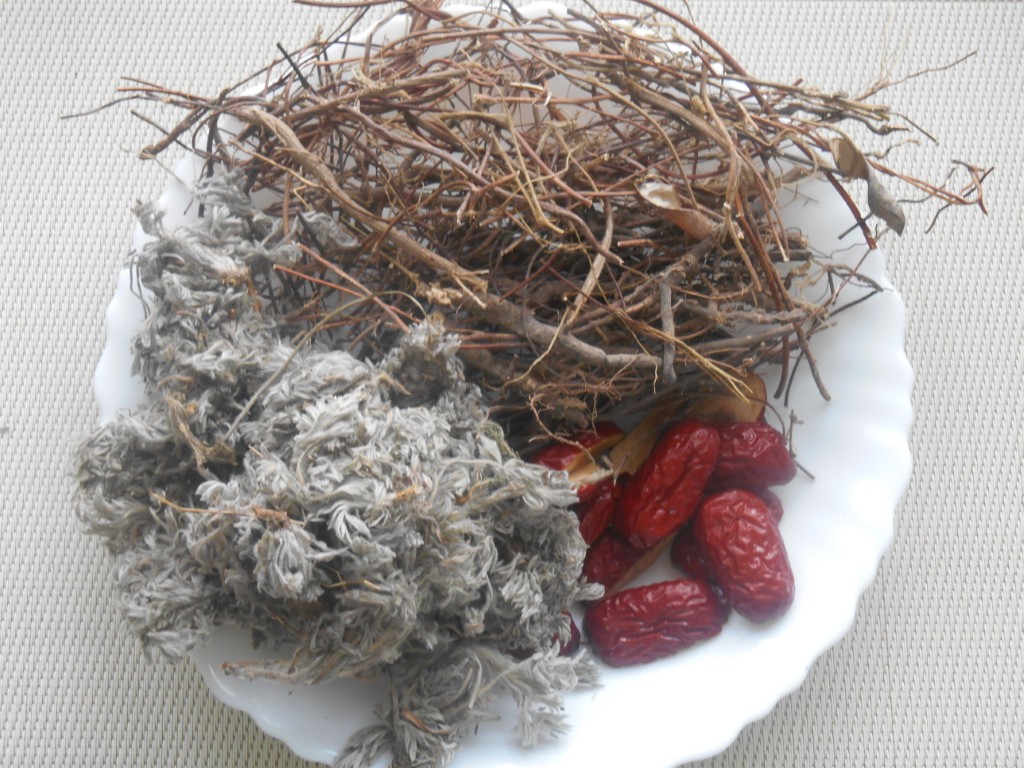
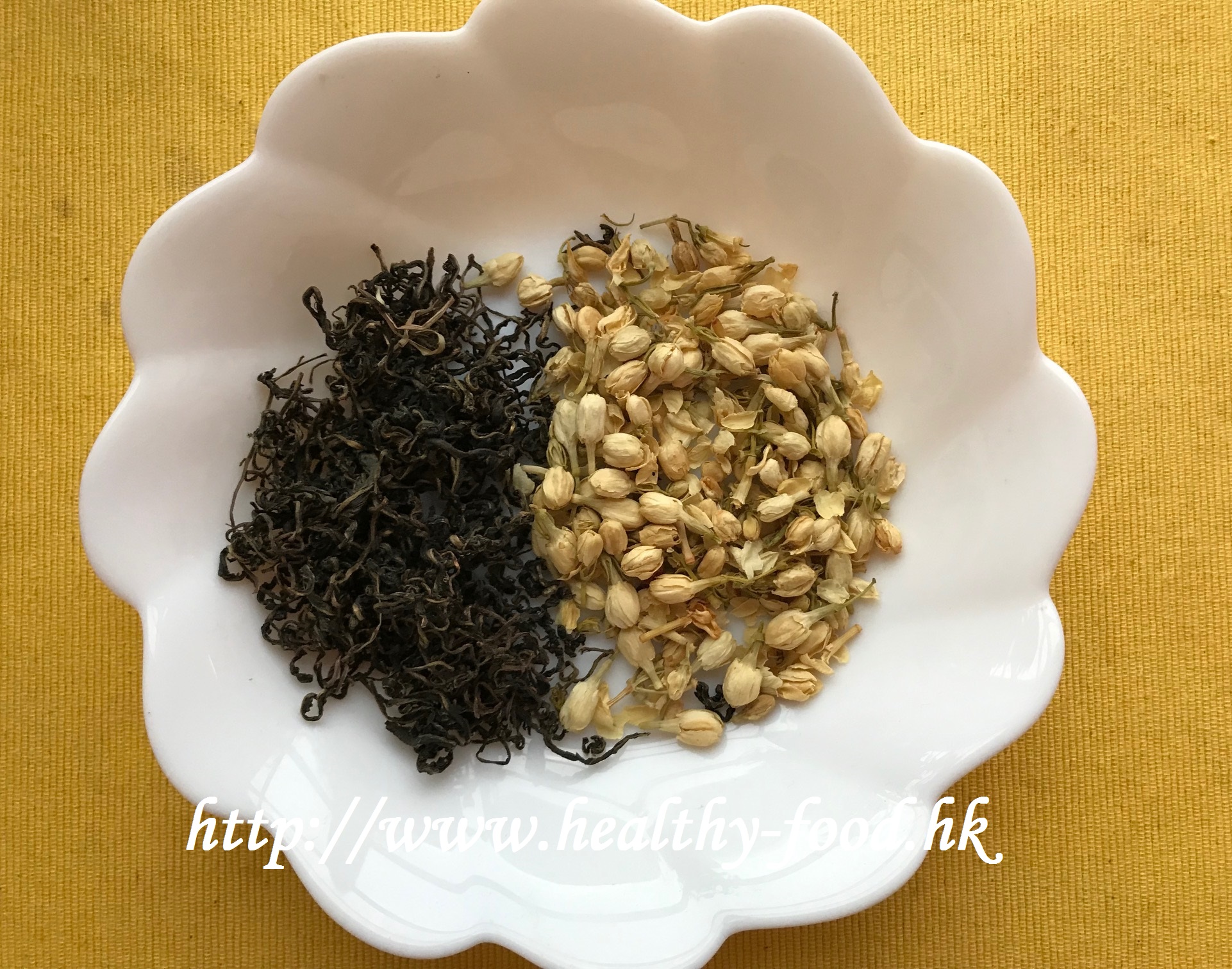
Bro Niu spotted dandelion tea for sale at a Chinese herbal medicine shop — likely dried young dandelion leaves — and bought a packet to try. He found it mildly bitter, with a gently sweet undertone. Being a stomach-cold type himself, he noted straightaway that it would not be ideal for daily use in his own case. But for people who run warm — those who are prone to red, inflamed eyes, tonsil swelling, stomach heat with bloating, mastitis, lymph inflammation, or urinary tract infections — dandelion tea fits beautifully, as dandelion is traditionally classified as a herb for clearing any type of heat-toxin. Modern research has identified dandelion as a potent anti-inflammatory herb, with documented activity against H. pylori (Helicobacter pylori) — the bacterium primarily responsible for gastritis and gastric ulcers. Dandelion is also one of nature’s richest plant sources of selenium, at roughly 14.7 micrograms per 100 grams, and selenium has been associated with protective effects against stomach cancer. Pairing dandelion with jasmine flower creates a fragrant, calming blend that aids digestion and reduces gas.
Who it suits / who should be cautious
- Well suited to those with heat-type constitutions — people who run warm, experience stomach bloating, heat-related stomach inflammation, or who have been told they have H. pylori gastritis.
- Can be drunk daily (1 cup per day) until symptoms improve.
- Not suitable for those with cold stomachs, weak digestion, or cold-type constitutions. Dandelion is quite cooling, and regular use would further chill a cold-type digestive system.
- If using whole dried dandelion herb (stems, leaves, and flowers combined), simmer gently for 7–8 minutes rather than just steeping. Use 3–4 qian (~11–15 g) per cup.
- Those with liver conditions should avoid tonifying supplements (ginseng, lingzhi) while drinking this tea.
Why these ingredients (the food-therapy logic)
- Dandelion (pu gong ying): One of the most researched herbs for gastric health in recent years. It is bactericidal against H. pylori, rich in selenium (which may help protect gastric mucosa), anti-inflammatory, and has traditionally been used for all forms of heat-toxin conditions. The combination of its anti-inflammatory and selenium content has led to research interest in its role in gastric cancer prevention.
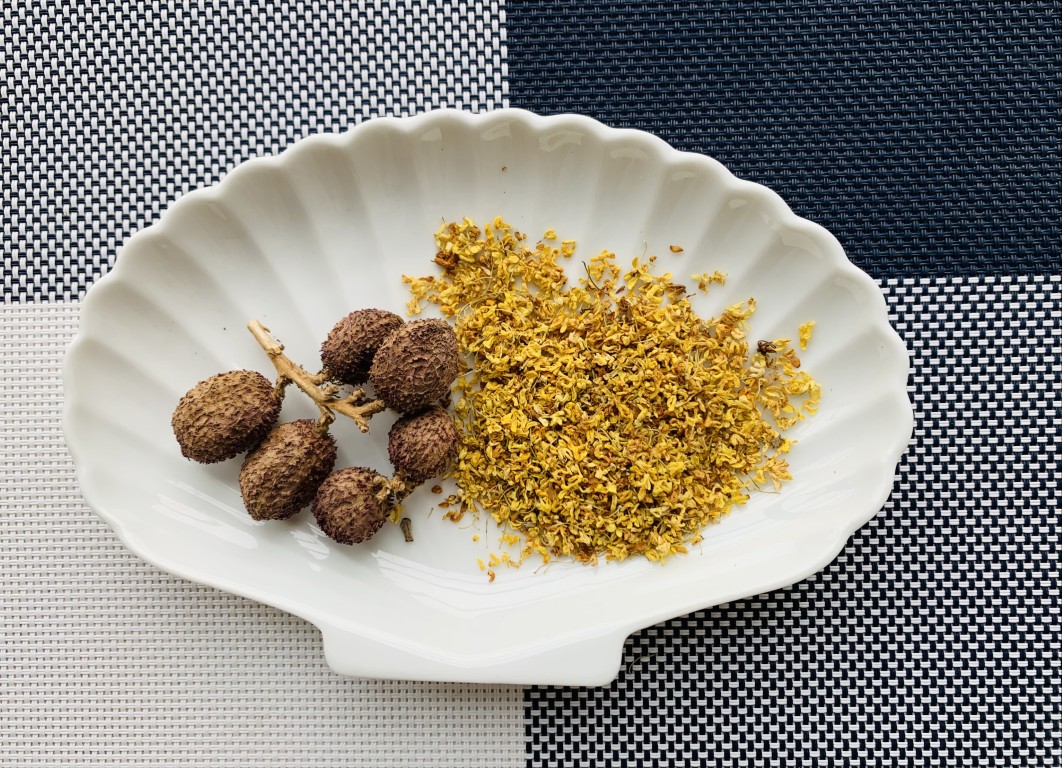
- Jasmine flower (mo li hua): Gently aromatic and calming; traditionally used to soothe liver qi, ease digestive tension, reduce bloating, and add a pleasant fragrance to bitter herbal blends.
Ingredients (1–2 cups)
| Ingredient | Amount | Notes |
|---|---|---|
| Dandelion tea / dried dandelion leaves | 1 tablespoon | Or 3–4 qian (~11–15 g) of whole herb, simmered |
| Dried jasmine flowers | 1/2 tablespoon |
Method
- Place the dandelion tea and jasmine flowers in a teapot or heatproof cup.
- Rinse once with boiling water and discard the first wash.
- Pour in fresh boiling water and steep for 5 minutes.
- Drink as is, or with a small amount of honey if desired (add only after the tea has cooled slightly).
(If using whole fresh or dried dandelion herb: rinse well, simmer in 3–4 bowls of water for 7–8 minutes, then strain and combine with jasmine.)
Bro Niu’s tips
Dandelion is very cooling in nature and suits heat-type bodies. If your constitution tends to run cold or your stomach is sensitive, this tea is not for you. Drink 1 cup per day until symptoms ease, then reduce frequency. For H. pylori gastritis, Bro Niu also recommends drinking fresh cold-pressed black currant juice 10 minutes before meals — black currant has been shown to help reduce this bacterium. Long-term gastric protection can also be supported by regularly making green papaya soup to protect the stomach lining.
Community questions answered (selected)
-
Q (yy): My husband just had a gastroscopy and was found to have H. pylori and stomach inflammation. He is taking antibiotics. The doctor also found “intestinal metaplasia” — very concerning. Is there any food therapy for that? Bro Niu: I do not have a great deal of knowledge about intestinal metaplasia specifically, so I cannot offer specific food therapy for that. However, dandelion is associated with helping eliminate H. pylori — you can buy dandelion tea from herbal shops near Sai Ying Poon in Hong Kong and steep 1 tablespoon per day. Drinking cold-pressed black currant juice before meals may also help fight this bacteria. For daily stomach protection, green papaya soup is a good regular choice to protect the stomach wall.
-
Q (tin): My husband has had stomach problems and H. pylori for ten years. He has gallbladder inflammation too and has been drinking capillaris and dandelion tea. Recently he has had stomach pain again with lots of gas and soft stools — what suits him best? Bro Niu: H. pylori is a primary cause of stomach cancer and needs patient, sustained treatment to eliminate it. For gallbladder inflammation, avoid fatty foods. Try freshly pressed apple juice — drink within 5 minutes of pressing, three to four times per week. For stomach inflammation, steep dandelion and rose petals together as a daily tea — this combination is neither too cooling nor too warming, and can be had daily until symptoms ease.
Published March 9, 2020 · Adapted and translated for Nourilo from a traditional home-kitchen recipe. Approx. 4 min read.