Herbal & Flower Teas
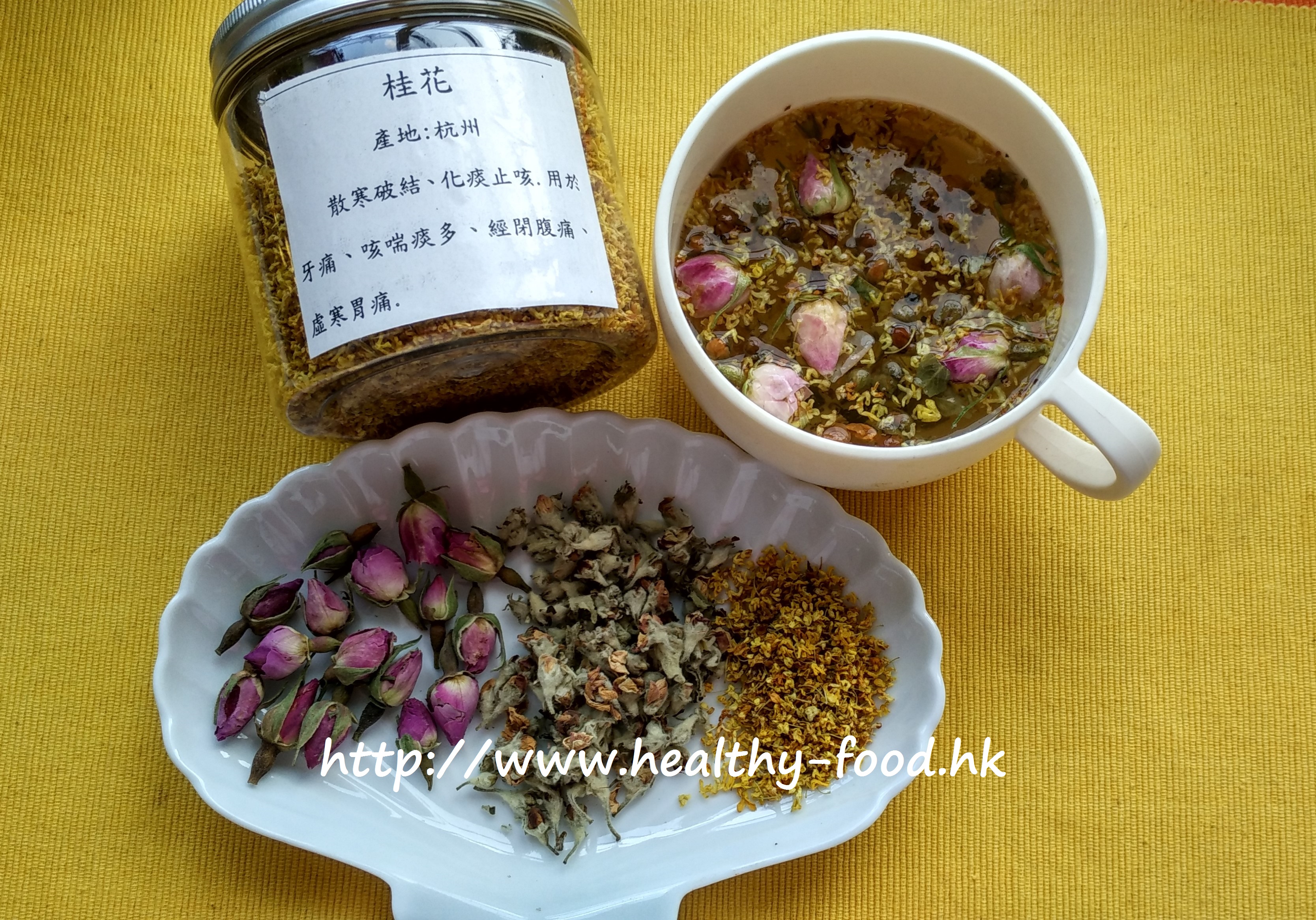
Rose, Apple Blossom and Osmanthus Flower Tea
traditionally supports liver-qi flow and skin radiance
Why people make this tea
When Bro Niu took an aromatherapy class at a culinary school years ago, the instructor handed every student a glass of cool distilled water with just a few drops of rose water — and the whole room seemed to brighten up. That small moment stayed with him. Fragrant flowers have a quiet way of easing a tense mind, and brewing them as a tea is one of the simplest traditions in Chinese food therapy. This three-flower blend combines the emotional-balancing quality of rose with the traditional eye-brightening properties of apple blossom and the skin-supporting antioxidants that osmanthus is celebrated for.
Who it suits / who should be cautious
- Suitable for adults who feel emotionally wound-up, tired, or want a gentle daily wellness tea.
- Rose is warm in nature; osmanthus is also warm; apple blossom is neutral — together the blend is mild and not considered cold or drying.
- Pregnant women should avoid this tea, as floral herbs may stimulate uterine contractions.
- Those with a very heat-prone constitution should use osmanthus sparingly, as it may taste slightly bitter in larger amounts.
Why these ingredients (the food-therapy logic)
- Rose buds (mei gui hua): Traditionally considered warm in nature. Used in Chinese food therapy to gently move liver qi, ease frustration or low mood, and support circulation and regular menstruation.
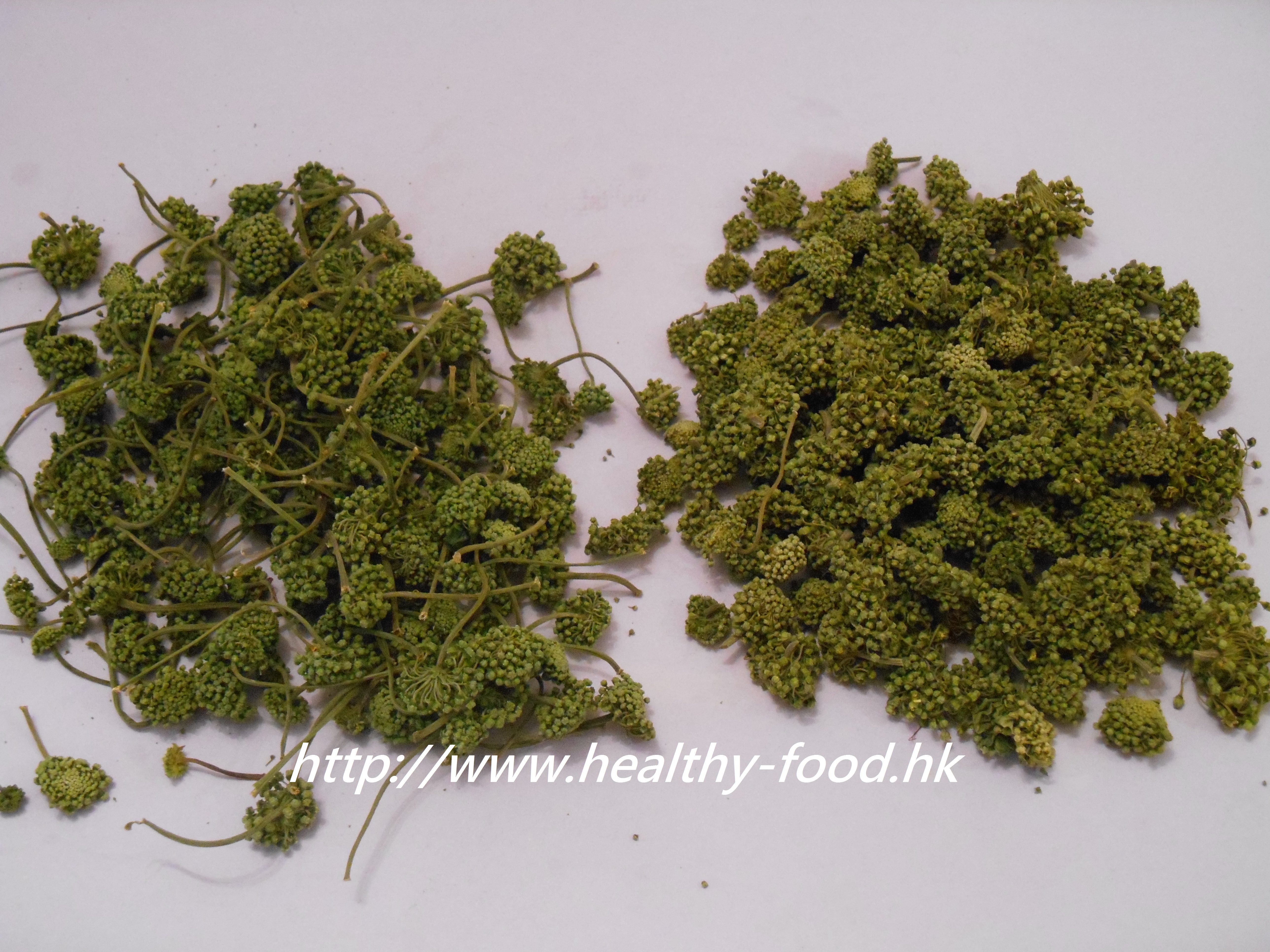
- Apple blossom (ping guo hua): Regarded as neutral in nature. Traditionally associated with soothing nerve discomfort, supporting blood nourishment, and promoting a clear, bright complexion.
- Osmanthus flowers (gui hua): Rich in antioxidant compounds. Traditionally used to support the body’s management of melanin production — making it a classic ingredient in teas aimed at improving skin tone and clarity.
Ingredients (1–2 cups)
| Ingredient | Amount | Notes |
|---|---|---|
| Dried rose buds (mei gui hua) | 1 tbsp | Available at Chinese herb shops and specialty tea stalls |
| Dried apple blossom (ping guo hua) | 1 tbsp | Found at herb shops; jasmine can substitute if unavailable |
| Dried osmanthus flowers (gui hua) | 1 tbsp | Use less if you prefer a milder, less bitter taste |
Method
- Rinse the flowers briefly with a small splash of hot water to remove any dust, then discard this first rinse.
- Place all three flowers in a teapot or heatproof cup.
- Pour in freshly boiled water to fill.
- Steep for 5 minutes, then pour and enjoy. The pot can be re-steeped 1–2 times.
Bro Niu’s tips
You can pre-portion the three flowers into individual tea bags — handy for steeping at work or on the go. If the tea tastes a bit bitter, simply reduce the osmanthus slightly; honey can also be added to taste. Drink 2–3 times a week rather than daily to let the body adjust.
Community questions answered (selected)
-
Q (jenny1010): Is this tea suitable for any constitution? I tend to run hot. Bro Niu: Rose is warm, but apple blossom and osmanthus are both neutral — so any constitution should be able to drink this without trouble.
-
Q (MAN): Is this tea cooling? I get dizzy from cold things. Bro Niu: Rose and osmanthus are warm; apple blossom is slightly cooling — but combined, the blend is not at all cold or chilling.
-
Q (reader): Can I add honey? Bro Niu: Yes, honey is perfectly fine to add.
Published May 14, 2018 · Adapted and translated for Nourilo from a traditional home-kitchen recipe. Approx. 3 min read.