Home-Style Dishes
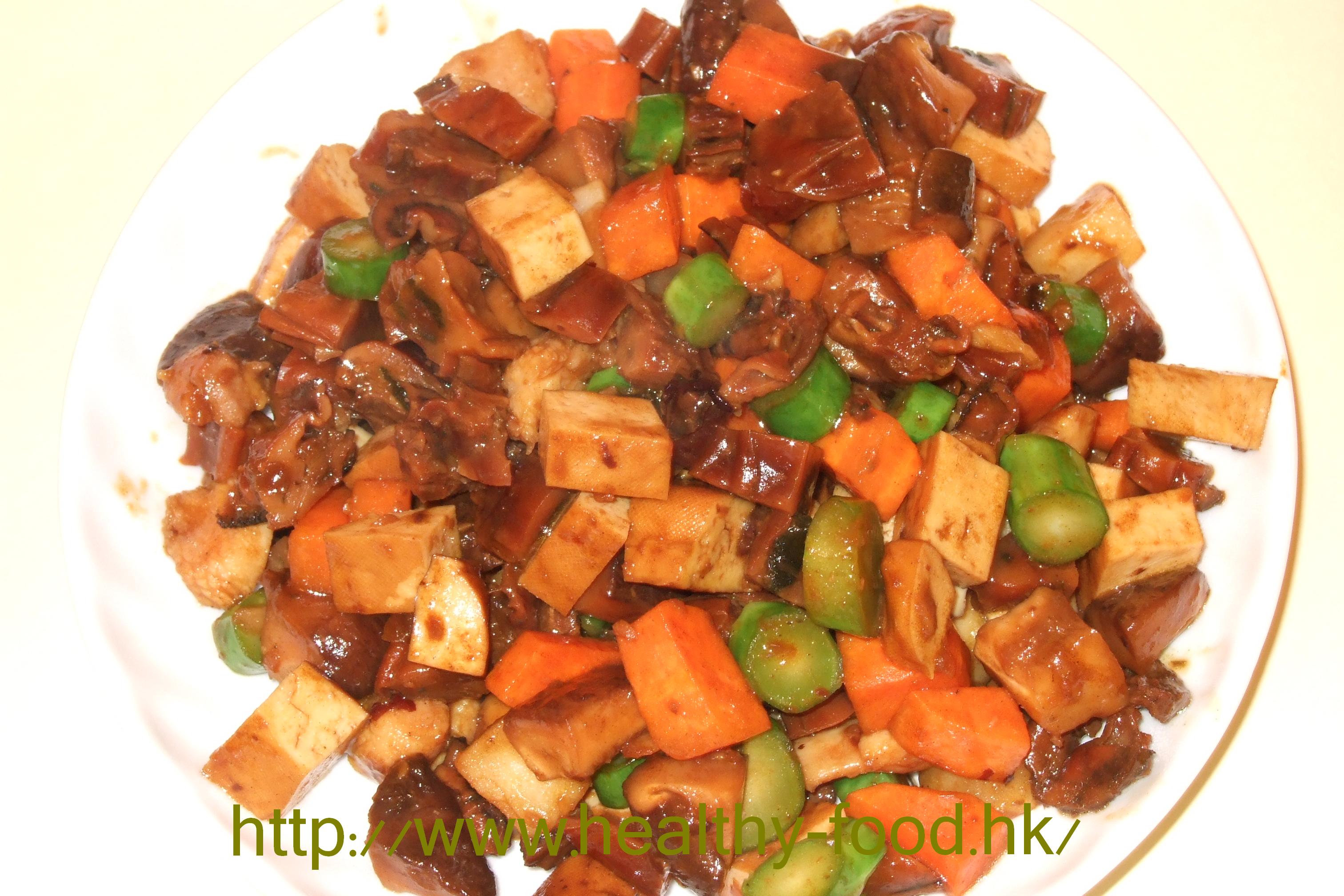
Stir-Fried Dried Oyster and Vegetable Medley
Traditionally used to nourish and build blood, suited to pregnancy and after childbirth
Why people make this dish
Dried oysters carry glycogen along with a range of amino acids, minerals — calcium, phosphorus, zinc — vitamins and phospholipids, and oysters caught in October–November hold the most glycogen of all. Once sun-dried, their oyster aroma deepens, and they have long been treasured as a fine food for expectant mothers, traditionally thought to support a baby’s growth while warming the centre, tonifying deficiency and nourishing yin and blood. This “stir-fried dried oysters with vegetables” is a tasty everyday dish: the oysters are steamed soft first, then diced and stir-fried with whatever vegetables you like — gentle enough that even those with weak digestion can enjoy it without feeling heavy.
Who it suits / who should be cautious
- Suits pregnant and postpartum women, including those with weak digestion
- Dried oysters are also traditionally used as a food for those with anemia, and nursing mothers eat them to support milk supply
- A balanced everyday dish; eat in moderation
Why these ingredients (the food-therapy logic)
- Dried oysters (hao chi): Traditionally warm the centre, tonify deficiency and nourish yin and blood; prized as one of the best calcium-rich foods and associated with supporting the mind and brain.
- Shiitake, dried tofu, carrot, Chinese kale: A colourful, nourishing vegetable base that keeps the dish light and easy to digest.
- Ginger: Adds warmth and balances the dish.
Ingredients (2 servings)
| Ingredient | Amount | Notes |
|---|---|---|
| Dried oysters | 8 | Soak, rinse, steam ~30 min until soft, dice |
| Dried shiitake, diced | 4 | |
| Firm dried tofu, diced | 2 pieces | |
| Carrot, diced | to taste | |
| Chinese kale stems, diced | to taste | |
| Minced ginger | to taste | |
| Seasoning | to taste |
Method
- Soak and rinse the dried oysters, then steam about 30 minutes until soft; cut into coarse dice.
- Heat oil and fry the minced ginger until fragrant; add the diced oysters and stir-fry until aromatic.
- Add carrot, dried tofu and Chinese kale in turn; splash in a little wine.
- Add seasoning and a little water; cook until the liquid reduces, then plate.
Bro Niu’s tips
Dried oysters are among the best calcium-rich foods and are traditionally said to support the mind. When buying, choose dry, fragrant “golden oysters” or mountain-dried oysters for the best flavour.
Community questions answered (selected)
-
Q (KK): I’m 14 weeks pregnant and want to make fish soup. Is snakehead fish unsuitable in pregnancy? Which soups are not too “heaty” and fine through pregnancy? Bro Niu: Fresh fish soup is good throughout pregnancy — small sea fish or freshwater fish, the more varied the better. Snakehead is fine. The only caution: after a caesarean, avoid it for the first 2 weeks so the incision heals without raised tissue.
-
Q (Li): I’m newly pregnant with mild anemia and cold hands and feet. Can I eat lamb, and what soups are good? Bro Niu: A moderate amount of lamb is fine in pregnancy. For anemia with cold extremities, e jiao (donkey-hide gelatin) is the great blood-builder and also settles the pregnancy — buy e jiao powder from a reputable shop and stir 2 teaspoons into a warm nourishing soup. Red date and ginger-sugar tea is also good for building blood and dispelling cold.
-
Q (Joy): My pregnant daughter (12 weeks) is nauseous with little appetite and looks pale. Can I make her beef soup? Bro Niu: Try ~11 g perilla leaf (zi su ye), 3 slices ginger and a little brown sugar in 3 bowls of water reduced to 1, to help ease nausea and settle the pregnancy. A clear chicken or lean-pork essence suits her; beef essence is fine for her.
Published November 15, 2011 · Adapted and translated for Nourilo from a traditional home-kitchen recipe. Approx. 3 min read.