Soups
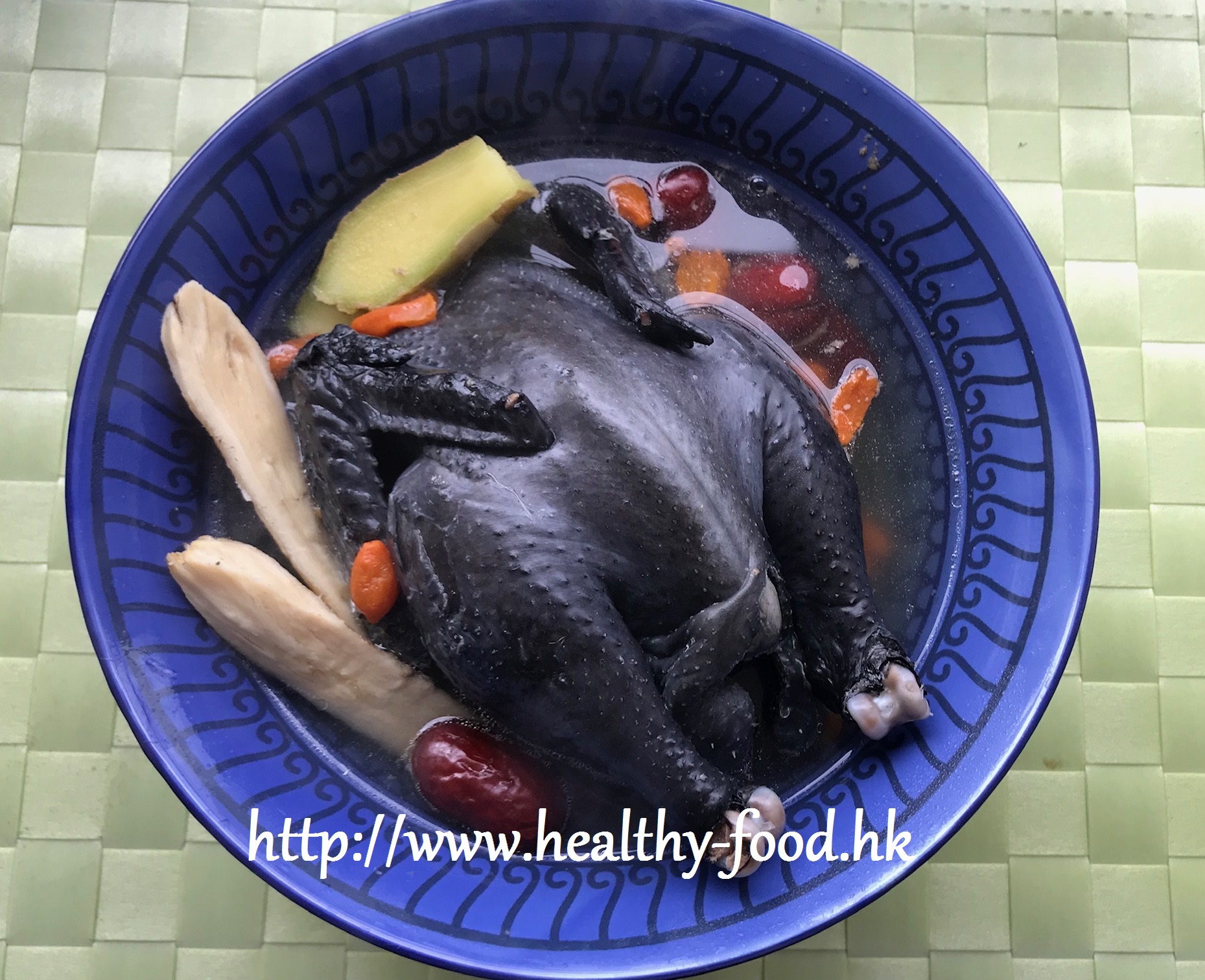
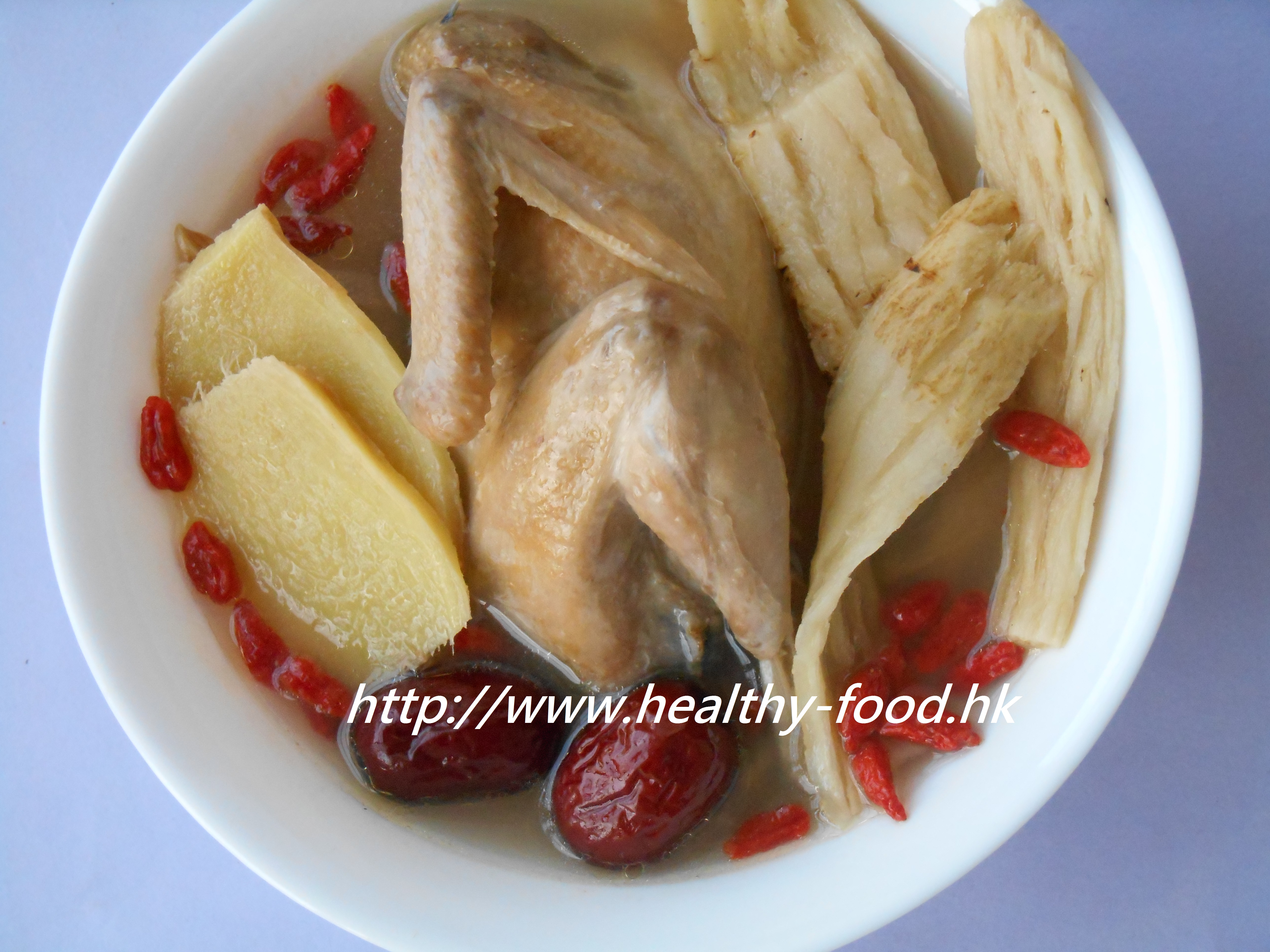
Scorpionfish, Astragalus, Goji, and Red Date Soup
Traditionally used to support wound healing and strengthen the body after surgery or illness
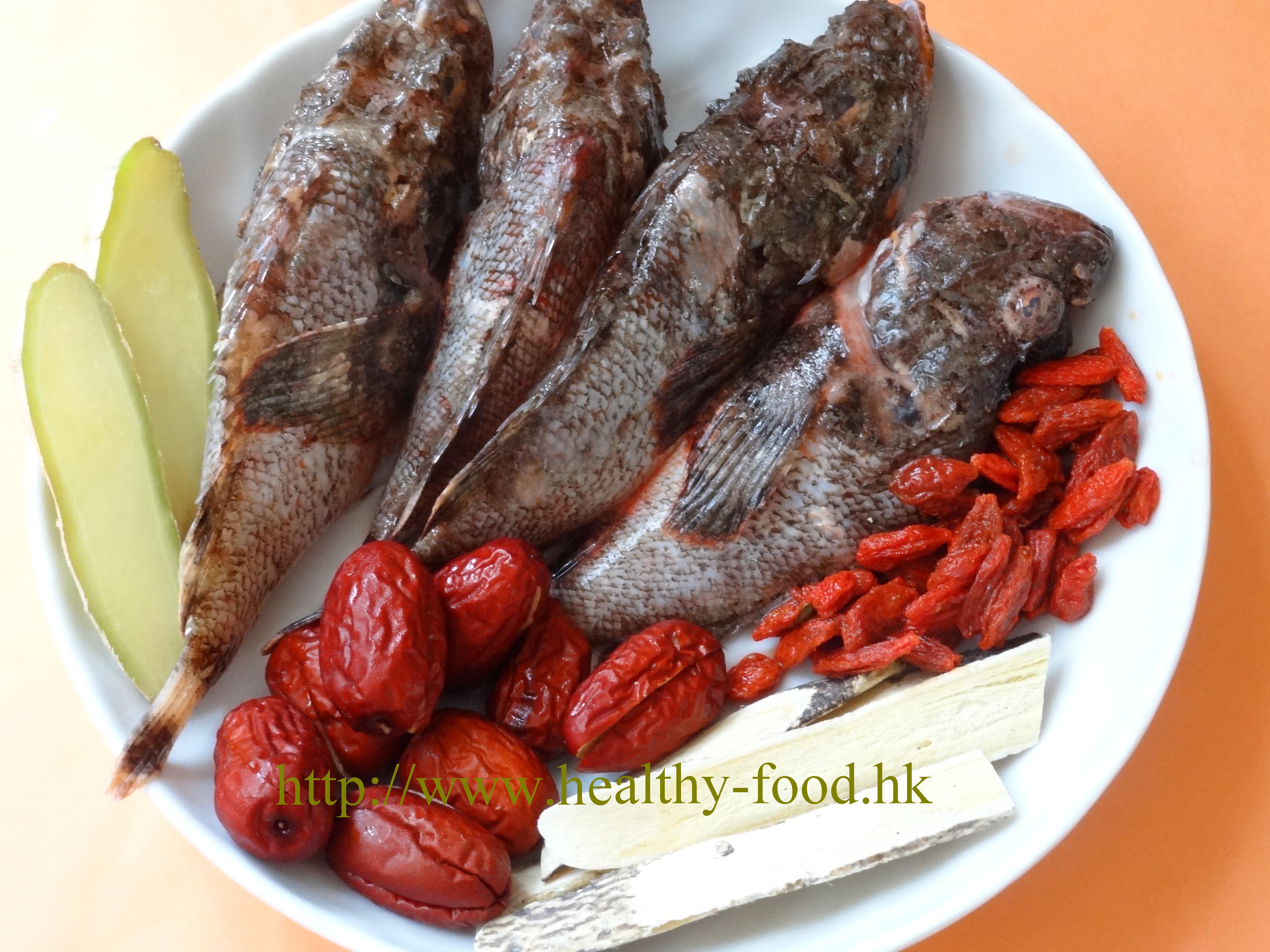
Why people make this soup
Scorpionfish (shi chong yu) is not a well-known fish in Western kitchens, but in Cantonese food therapy it holds a specific and respected place: it is traditionally considered one of the most effective fish for supporting the healing of deep tissue after surgery. Surface wounds typically close within 10 days or so, but deep layers take much longer — sometimes two to three months — to fully recover. Bro Niu suggests having this soup about three to four times in the week or two following a procedure, not daily, and then transitioning to more general nourishing soups as the body rebuilds. If scorpionfish is unavailable, sea bass (lu yu / hai lu yu) is the most widely recommended substitute — it is easy to find, similarly firm-fleshed, and carries its own reputation in Chinese cooking for supporting the body after illness.
An important safety note: scorpionfish have venomous spines — Bro Niu advises having the fish monger do the initial preparation. Handle with care at home.
Who it suits / who should be cautious
- Most suitable for those in the days and weeks following surgery, illness, or childbirth; also beneficial for people with generally low immunity or chronic weakness.
- Suitable for children who have had surgical procedures (adjust the amount of soup served).
- Those with gout should consume this soup only occasionally — if needed, Bro Niu suggests substituting lean pork for the fish and including bei qi, dang shen, red dates, and ginger.
- Pregnant women in the third trimester can drink a simplified version with chayote and tofu — omit the strongly moving herbs if concerned; consult a practitioner.
- The fish is pan-fried first to remove the raw smell and add flavour to the broth — this step makes a significant difference in the final soup.
Why these ingredients (the food-therapy logic)
- Scorpionfish (shi chong yu): In Cantonese folk tradition, this fish is associated with supporting the spleen and kidneys and — most distinctively — promoting deep wound healing. Unlike some highly active fish (such as snakehead or Chinese mudfish) that can reportedly cause excessive tissue growth, scorpionfish is considered safe and beneficial after surgery.
- Astragalus root (bei qi / huang qi): One of the most important herbs in traditional Chinese medicine for supporting vital energy (qi) and immune function. Bei qi is widely used as a post-surgery and post-illness tonic to help the body rebuild strength and is also associated with accelerating wound recovery.
- Goji berries (gou qi zi): Support liver and kidney function and contribute to rebuilding blood — an important consideration when the body is recovering from the blood and fluid losses associated with any surgical procedure.
- Red dates (hong zao): Warm, sweet, and nourishing; traditionally used to supplement blood, calm the spirit, and support the spleen. They soften the overall formula and add a pleasant sweetness to the soup.
- Fresh ginger (sheng jiang): Reduces the raw fish smell, warms the stomach, and supports digestion — particularly important for someone whose digestive function may still be delicate after anaesthesia.
Ingredients (4 bowls)
| Ingredient | Amount | Notes |
|---|---|---|
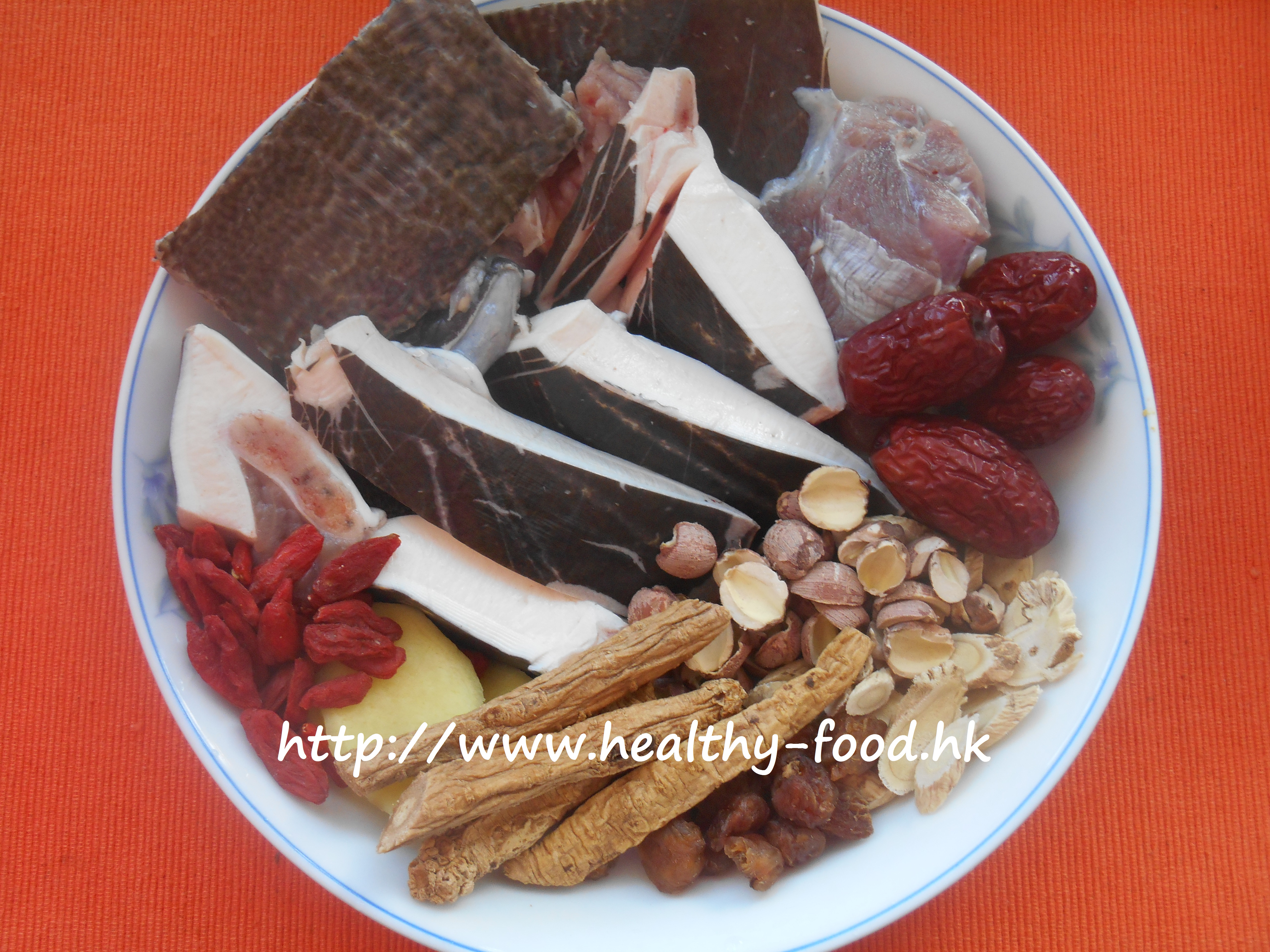
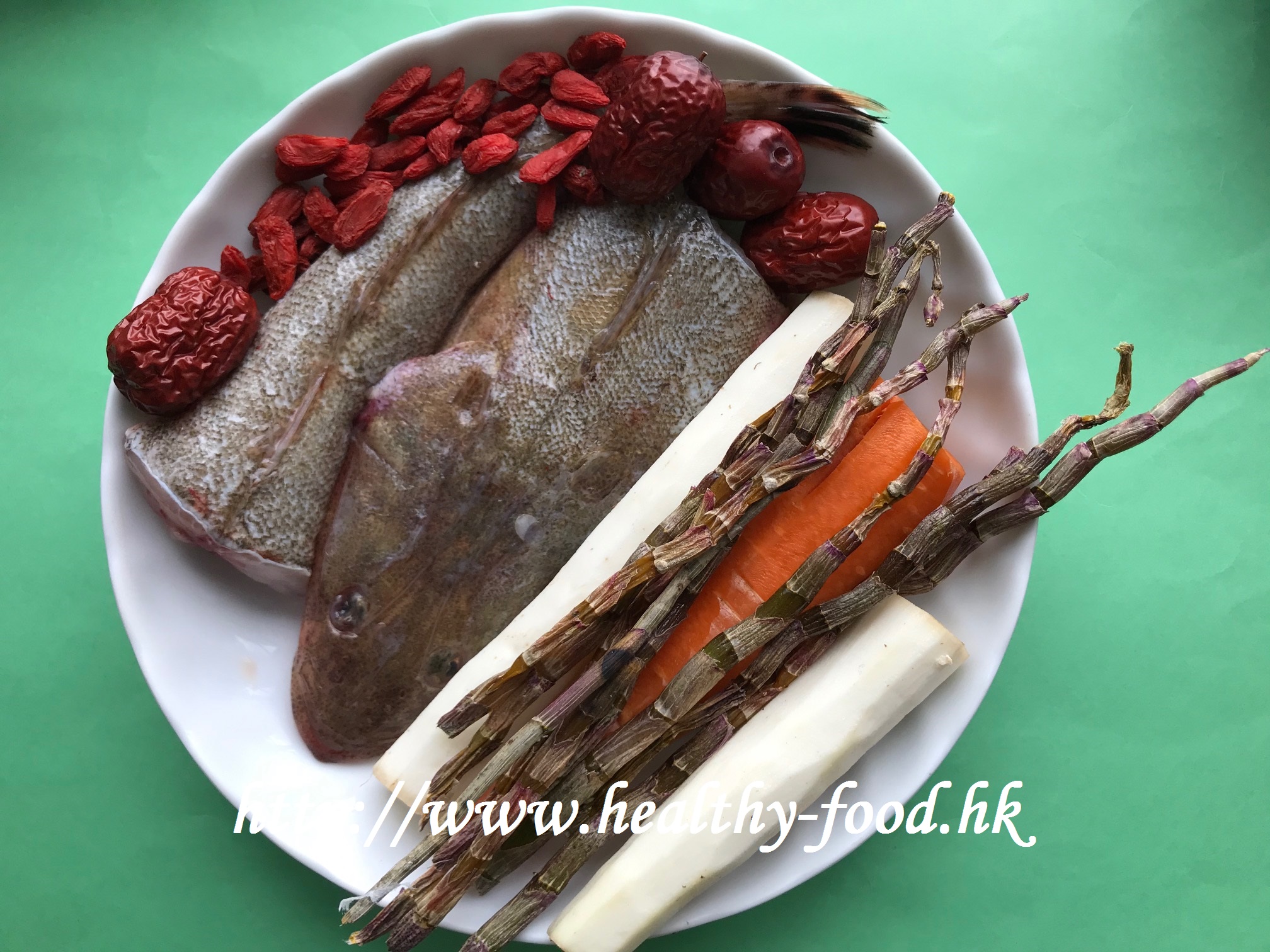
| Scorpionfish (shi chong yu) | 450 g | Have the fish monger clean and remove spines; sea bass is a reliable substitute |
| Astragalus root (bei qi) | 15 g (4 qian) | Dried slices |
| Goji berries (gou qi zi) | 15 g (4 qian) | Rinse well |
| Red dates (hong zao) | 6 pieces | Can be left whole |
| Fresh ginger | 2 slices | |
| Cooking oil | A little | For pan-frying the fish |
| Water | 6 bowls (~1.5 L) | To yield 4 bowls of soup |
Method
- Have the fish shop clean the scorpionfish, remove fins and spines, and gut it. Handle carefully at home — the spines are venomous and cause intense pain.
- Pat the fish dry. Heat a little oil in a pan or wok and lightly pan-fry the fish until golden on both sides. This removes the raw smell and enriches the broth.
- Rinse astragalus slices, goji berries, and red dates briefly in cool water.
- Place the pan-fried fish, herbs, and ginger into a pot with 6 bowls of water.
- Bring to a boil, then reduce heat to a gentle simmer.
- Cook for approximately 90 minutes until the liquid reduces to 4 bowls.
- Serve warm; drink the soup and eat any fish flesh and soft soup ingredients.
Bro Niu’s tips
- This soup is best consumed 3–5 times in the first two to three weeks after surgery, not every day. Once the surface wound has healed and appetite returns, broader nourishing soups (with lean pork, lotus seeds, huai shan, etc.) can replace it.
- If scorpionfish is unavailable, sea bass (lu yu) is the best readily available substitute. Other fresh ocean fish such as red grouper work reasonably well too.
- If you cannot pan-fry (e.g., early post-surgery when cooking at home is difficult), the fish can be added directly — just increase the ginger to 3–4 slices to manage the fishy smell.
- Lean pork can be added alongside the fish for extra flavour and nourishment — no conflict.
- Adding a piece of aged tangerine peel (chen pi) or extra ginger slices is fine and helps with digestion.
Community questions answered (selected)
-
Q (Mak): My 8-year-old just had dental surgery under general anaesthesia with 11 stitches. Can he drink this soup? What else can I cook since he needs liquid food? Bro Niu: Yes, this soup is suitable — cook it as described. In addition, try making a simple congee with 4–5 slices of bei qi (astragalus), a few dried scallops (yao zhu), and chen pi (aged tangerine peel). The congee is easy to swallow and bei qi is especially helpful for wound recovery.
-
Q (reader): If I cannot find scorpionfish, what can I substitute? Bro Niu: Sea bass (lu yu / hai lu yu) is the most suitable substitute and is available at fish counters. It has a firm texture and is similarly nourishing. Buy the freshest piece you can find.
-
Q (S): How often should I drink this soup after knee replacement surgery? Bro Niu: Around three times a week, or every other day, works well. There is no need to drink it every single day.
Published October 3, 2012 · Adapted and translated for Nourilo from a traditional home-kitchen recipe. Approx. 5 min read.