Soups
Fresh Dendrobium, Chinese Yam and Mudfish Soup
Traditionally used to support recovery after surgery or serious illness
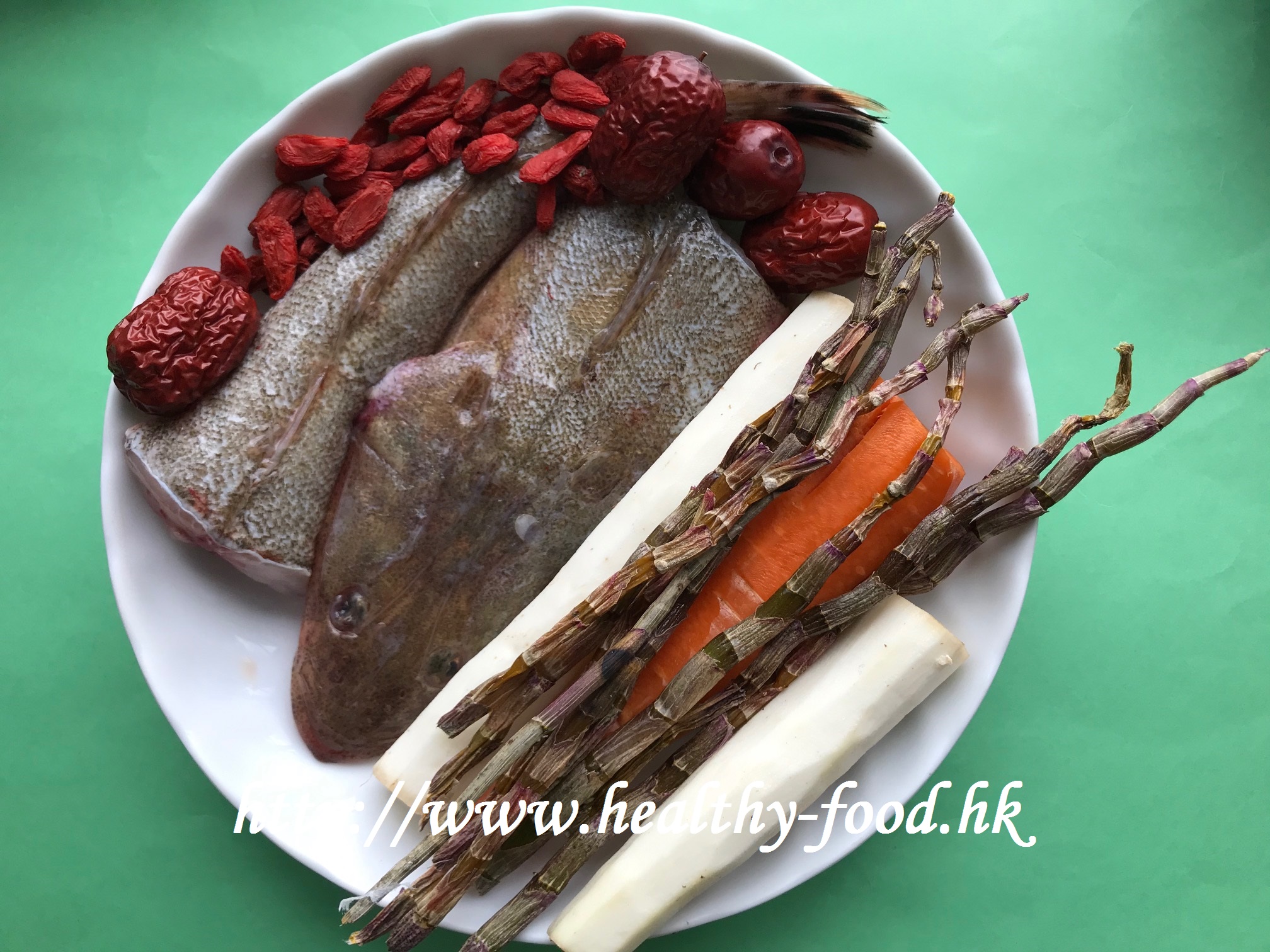
Why people make this soup
After surgery or a serious illness, appetite is often poor, fluid levels feel depleted, and the body needs easily absorbed nourishment. Chinese food therapy has a long tradition of soups designed for exactly this kind of recovery period. Mudfish (niu qiu yu) is a freshwater fish with a rich, sweet broth and high protein content, making it especially suitable for people who feel weak and have difficulty eating. Paired with fresh dendrobium — a herb traditionally prized for replenishing body fluids and calming a dry, feverish feeling — and fresh Chinese yam to protect the stomach lining and aid absorption, this soup is gentle, flavourful and nourishing without being heavy.
Who it suits / who should be cautious
- Particularly suited to those recovering from surgery or febrile illness who experience weakness, dry mouth, poor appetite, or mild nausea.
- Suitable for most adults, including cancer patients undergoing or recovering from chemotherapy (consult your medical team about dietary restrictions).
- Avoid scaleless, slimy fish (such as eel or catfish) during the early post-surgery period, as these are traditionally considered more likely to provoke inflammation.
- Fresh ginger can be replaced with tangerine peel (chen pi) if the person is recovering from abdominal surgery and needs a gentler approach.
Why these ingredients (the food-therapy logic)
- Fresh dendrobium stem (xian shi hu): Contains dendrobium polysaccharides; traditionally associated with nourishing stomach yin, clearing deficiency-heat and supporting the body’s natural fluid balance.
- Fresh Chinese yam (xian huai shan): High-viscosity glycoprotein that is thought to form a protective coating on the stomach lining; traditionally used to strengthen the spleen, stop diarrhoea and aid nutrient absorption.
- Carrot (hong luo bo): Provides beta-carotene and supports liver function; adds natural sweetness to the broth.
- Goji berries (gou qi zi): Traditionally used to nourish liver and kidney yin, support blood quality and improve immunity.
- Red dates (hong zao): Traditionally regarded as tonifying for qi and blood; add gentle sweetness and balance the soup.
- Mudfish (niu qiu yu): Rich in protein and minerals; sweet, mildly warming broth; well suited to people with weak digestion.
Ingredients (4–5 bowls)
| Ingredient | Amount | Notes |
|---|---|---|
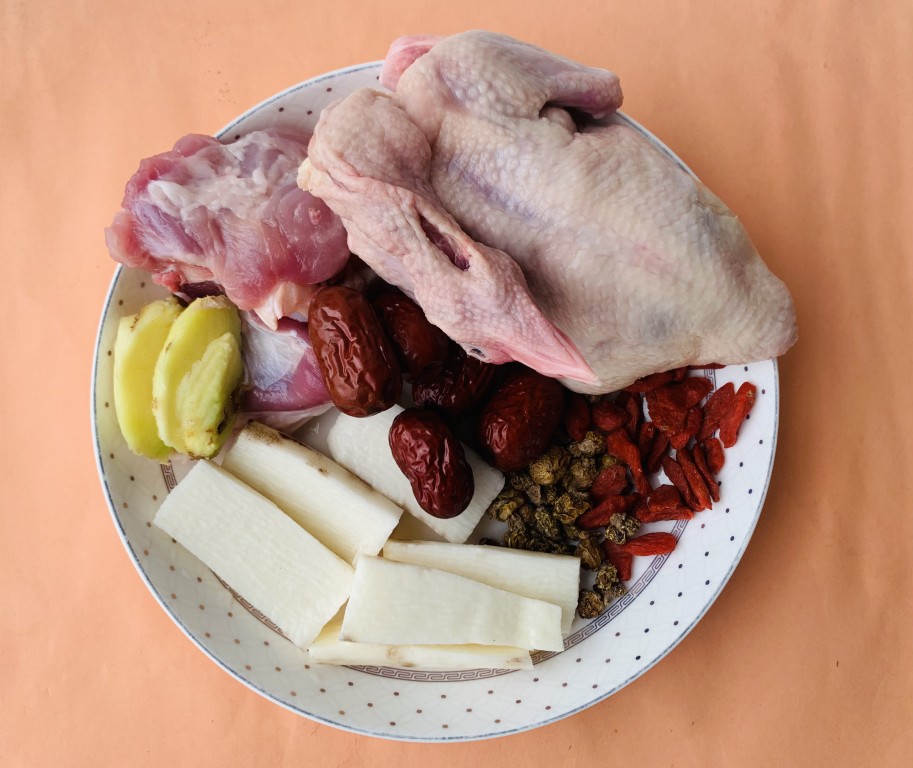
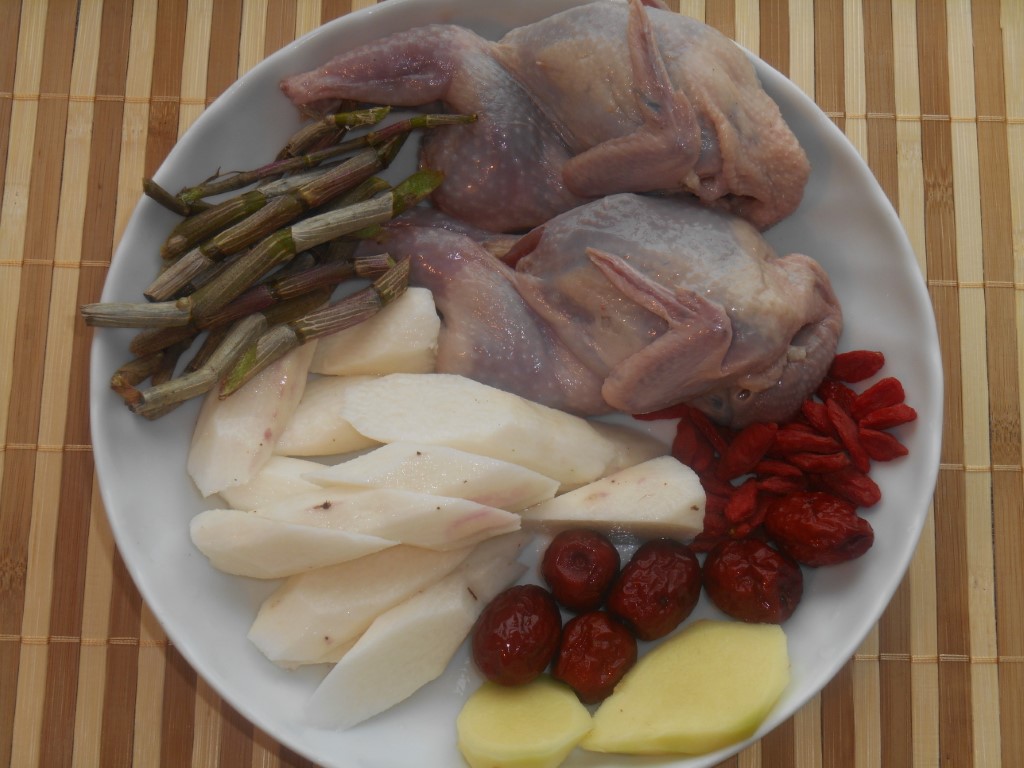
| Fresh dendrobium stem | 18 g (5 qian) | Rinsed and cut into sections |
| Fresh Chinese yam | 1 piece | Peeled and cut into chunks |
| Carrot | 1 medium | Peeled and cut into chunks |
| Goji berries | 9 g (3 qian) | Rinsed |
| Red dates | 5 | Pitted |
| Fresh ginger | 2 slices | |
| Mudfish | 1 fish | Cleaned; pan-fried in ginger first |
| Water | 8 bowls (~2 L) |
Method
- Clean the mudfish thoroughly. Heat a little oil in a pan with the ginger slices and pan-fry the fish until lightly golden. Place the fish into a fish soup bag (or muslin cloth).
- Rinse the fresh dendrobium and cut into sections. Peel the Chinese yam and carrot, cut into chunks. Pit the red dates.
- Place all ingredients — including the fish in its bag — into a pot with 8 bowls of water.
- Bring to a boil, then simmer steadily for 1.5 hours until the soup has reduced to about 4–5 bowls.
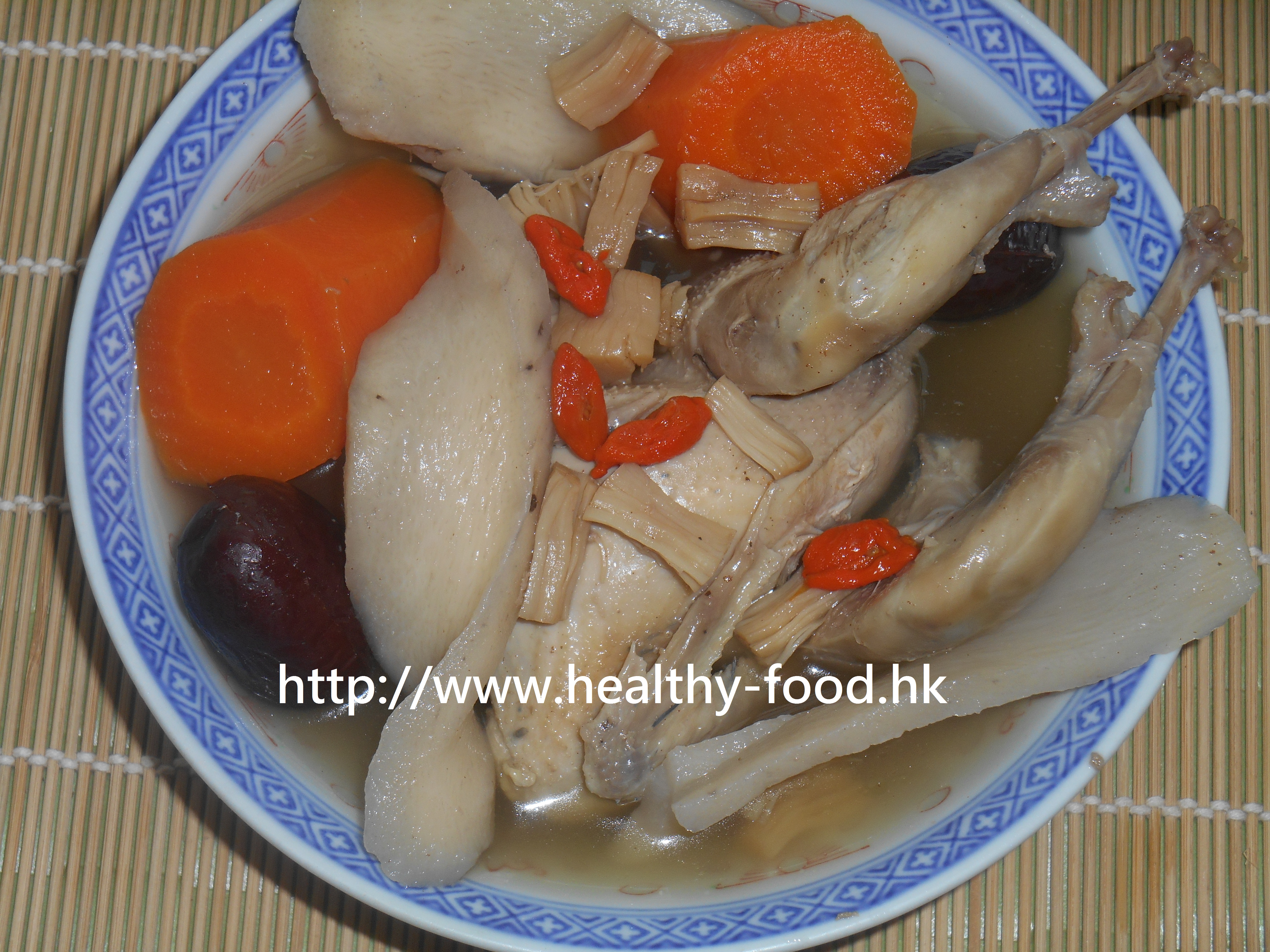
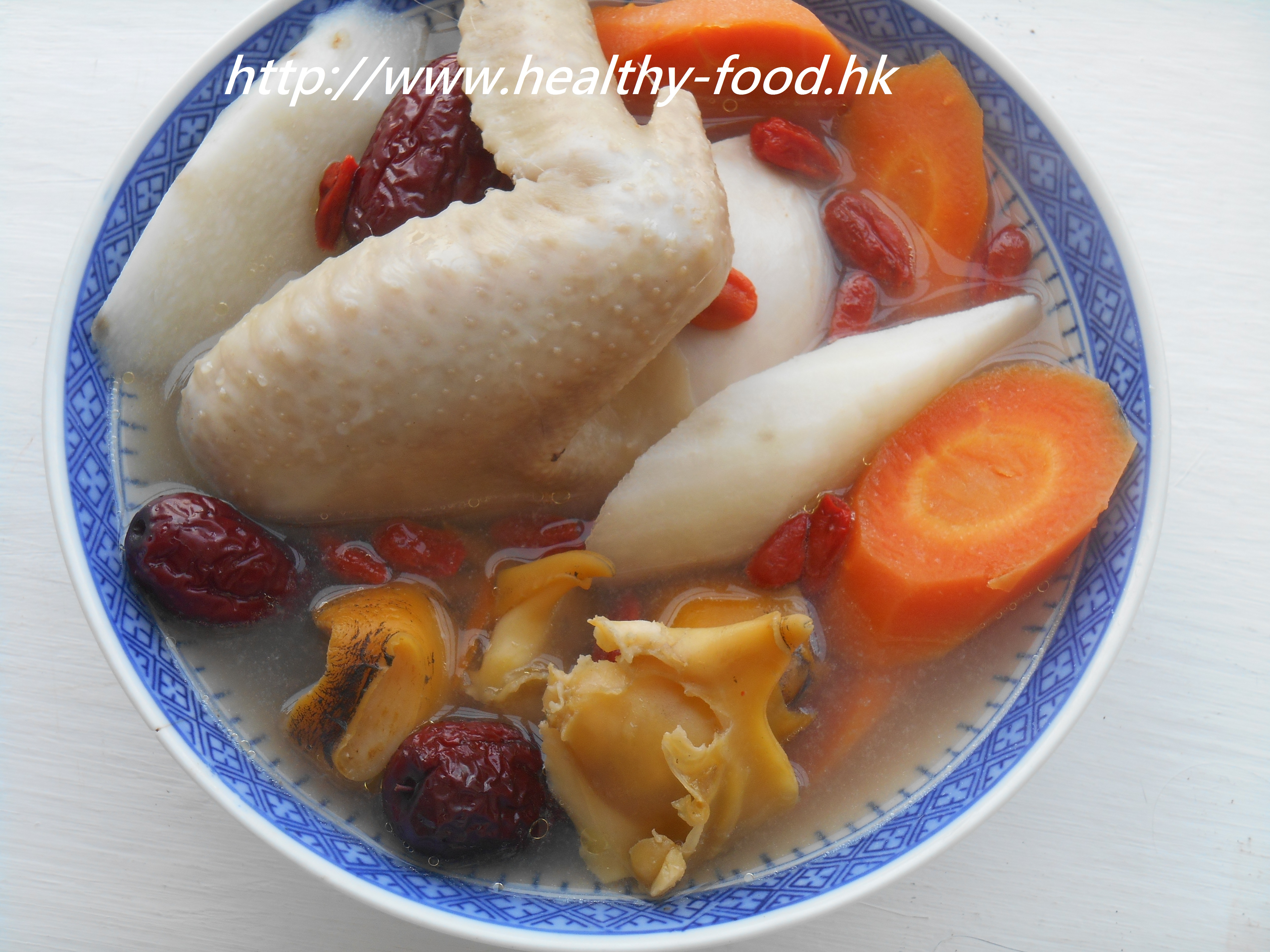
- Remove the fish bag. Serve the soup with the solid ingredients and enjoy.
Bro Niu’s tips
Fresh dendrobium has a mildly sweet, slightly sticky taste — that stickiness signals the polysaccharides that make it food-therapeutically valuable. Look for stems with a slightly purplish skin; fresh dendrobium is available at Chinese herb shops and Asian grocers, or online. If fresh dendrobium is unavailable, use 9 g (3 qian) of dried dendrobium. The American ginseng (花旗参) should be added after the soup is cooked — steeped for 5 minutes off the heat — to preserve its beneficial volatile compounds. Pan-frying the fish in ginger before adding it to the pot removes any muddy smell and helps produce a more fragrant broth.
Community questions answered (selected)
-
Q (Pat): My usual method is to fry the fish, add hot water and boil for half an hour, strain out the bones, then add the other ingredients. Can I do this for a post-tendon-surgery patient? Bro Niu: Your method is fine. If the fish is large, cut it first so it releases more flavour. I often just use a fish soup bag — when the soup is done, I lift the whole bag out and it is done.
-
Q (reader — small jian): My family member just had a hysterectomy and feels thirsty and weak. Can dried dendrobium be used if fresh is unavailable? Bro Niu: Yes, use 3 qian of dried dendrobium. You can also slice and steep it in hot water as a tea — add a little American ginseng for extra benefit. The soup can also be made with lean pork or dried conch if fish is hard to find.
-
Q (Janice): How soon after cervical spine surgery can the patient drink fish soup? What can be eaten in the first few days? Bro Niu: As soon as the patient can drink, start with white radish and tangerine peel water. When they can manage semi-liquid food, move on to astragalus and dried scallop congee. Fish soup can begin from day 3. You can search for the “post-surgery recovery” category on the website for more options.
Published September 13, 2020 · Adapted and translated for Nourilo from a traditional home-kitchen recipe. Approx. 4 min read.