Soups
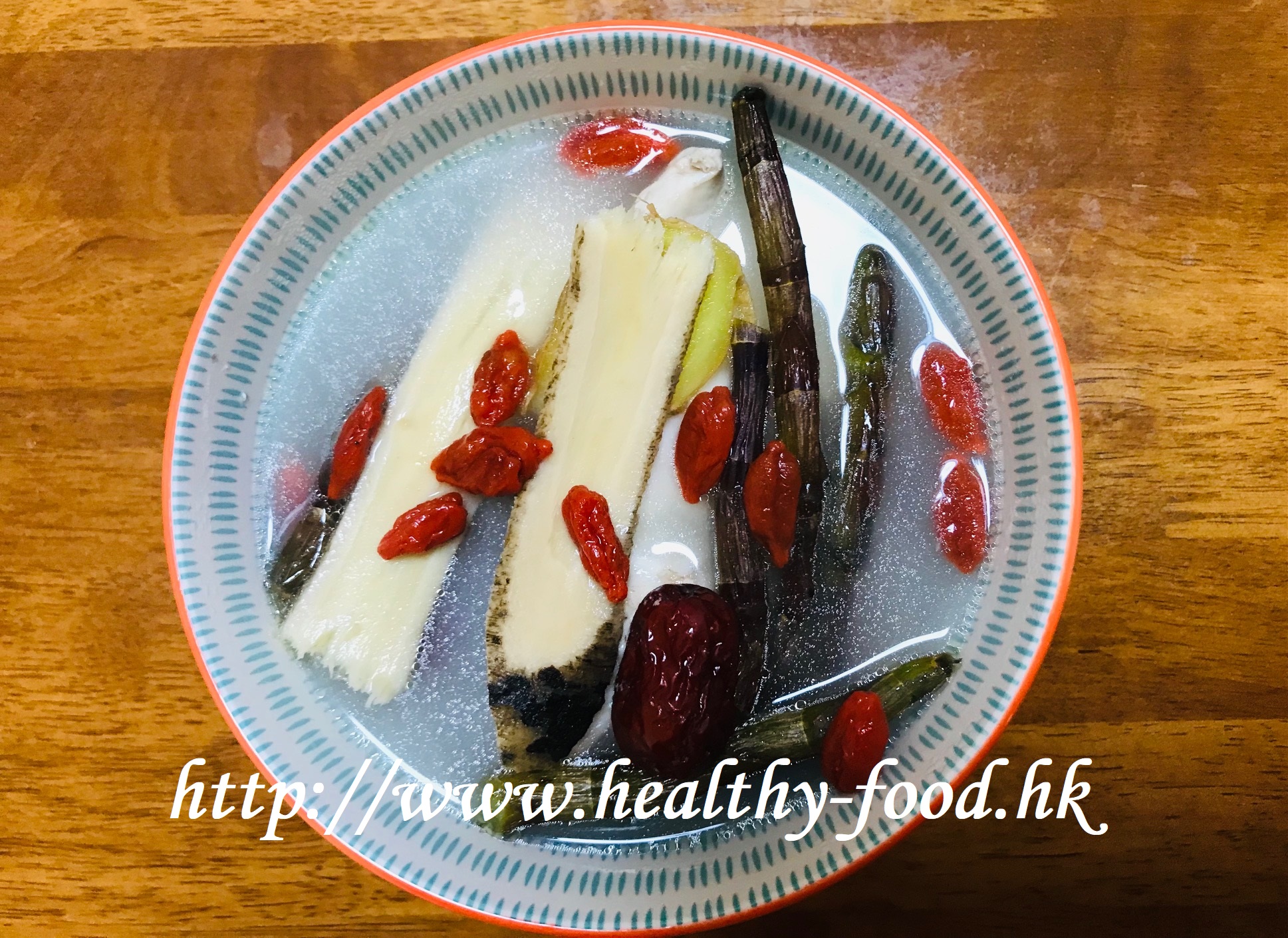
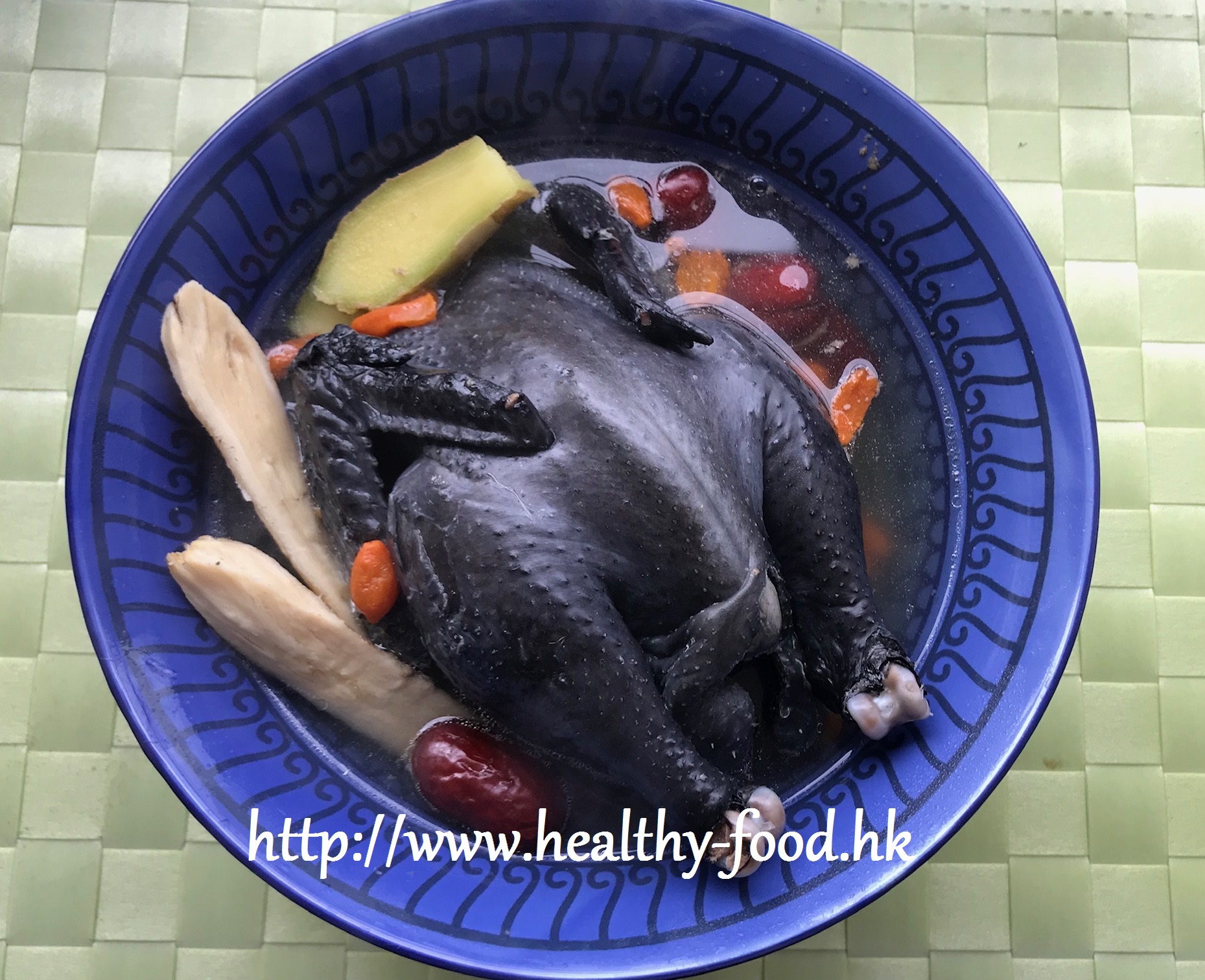
Five-Finger Grass, Astragalus & Partridge Soup
Traditionally supports qi recovery and physical strength after illness or surgery
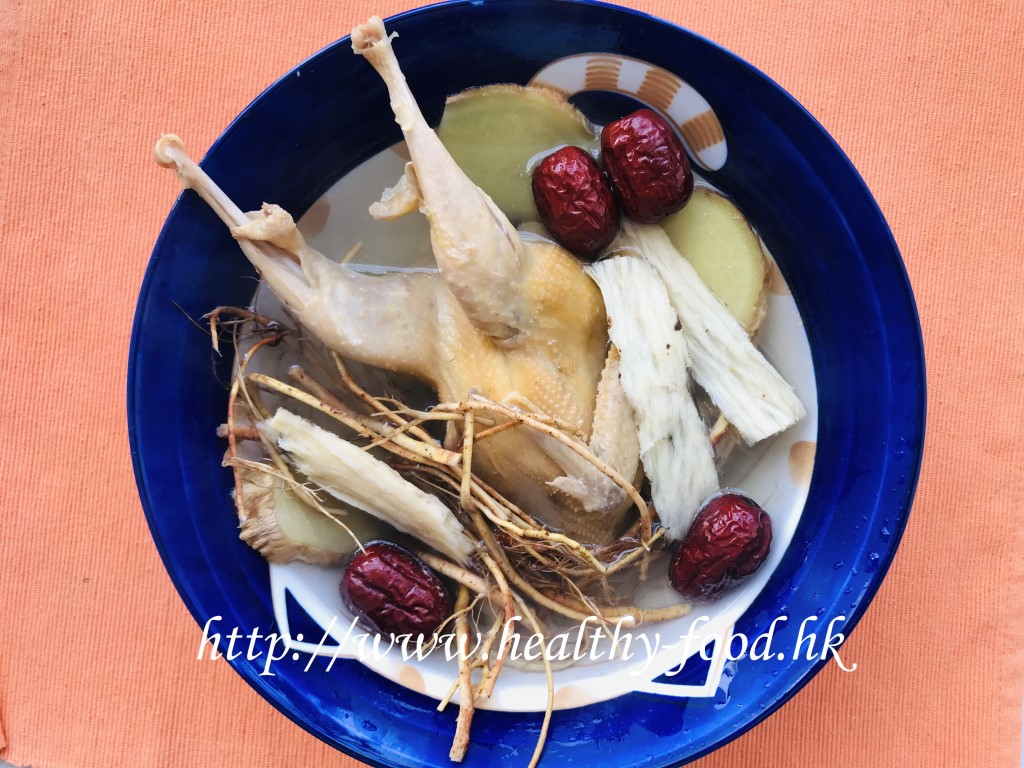
Why people make this soup
After a long illness, surgery, or even a lingering viral infection, the body often feels profoundly depleted — low energy, poor appetite, and a general sense of being run down. This is a soup Cantonese families have turned to for generations when someone needs gentle, sustained rebuilding. Five-finger grass has a natural coconut-like fragrance that makes the broth unusually pleasant, while astragalus is one of the most studied tonic herbs in Chinese medicine, associated with supporting the body’s natural defenses and stamina. Combined with the mild, lean partridge — prized in traditional food therapy for being nourishing yet not overly warming — this is the kind of soup that feels like care in a bowl.
Who it suits / who should be cautious
- Suited for adults and children recovering from illness, surgery, or periods of physical exhaustion; also beneficial for those with poor appetite or low stamina
- People with an active fever, cold, or flu should wait until symptoms have passed before drinking this soup
- Children under 12 months should not drink herbal soups without medical advice; check with a pediatrician for young toddlers
Why these ingredients (the food-therapy logic)
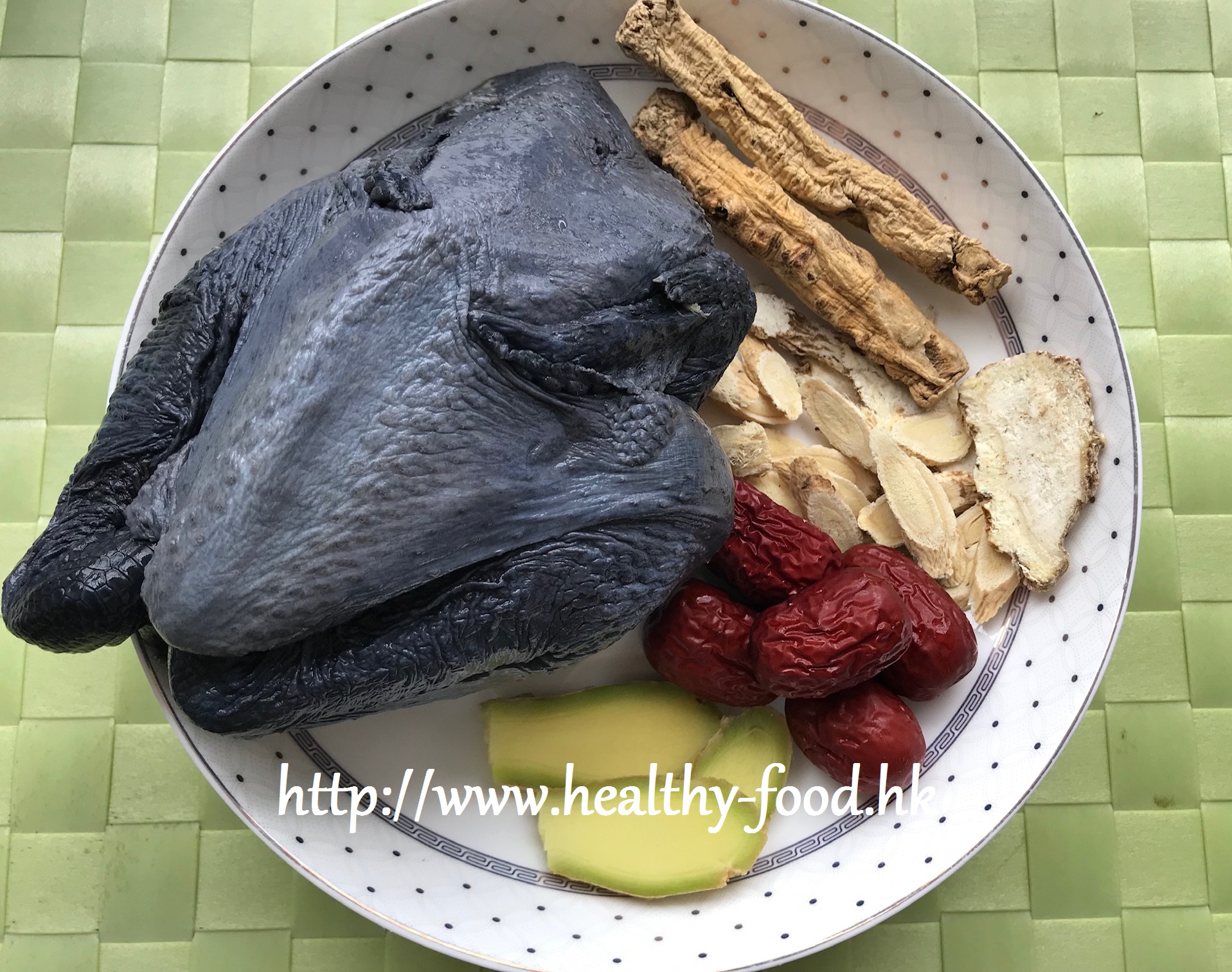
- Five-finger grass (wu zhi mao tao): A fragrant root widely used in Lingnan (southern Chinese) cooking; traditionally associated with supporting spleen and lung qi, and promoting fluid metabolism
- Astragalus root (bei qi): One of the most important tonic herbs in Chinese food therapy, traditionally believed to consolidate “defensive qi” and support the body’s resilience; also associated with promoting wound healing and recovery
- Red dates (hong zao): A sweet, warming fruit used in almost every tonic soup; traditionally associated with nourishing the blood and calming the spirit
- Ginger (sheng jiang): Warms the stomach, aids digestion, and balances the cooling nature of some ingredients
- Partridge (zhe gu): Considered in Chinese food therapy to nourish the five organ systems without being overly heating — a lean, digestible protein ideal for convalescence
Ingredients (4 bowls)
| Ingredient | Amount | Notes |
|---|---|---|
| Five-finger grass root (wu zhi mao tao) | 75 g (2 liang) | Rinse and soak briefly before use |
| Astragalus root (bei qi / huang qi) | 19 g (5 qian) | Available at Chinese herb shops |
| Red dates (hong zao) | 5 pieces | Pitted |
| Fresh ginger | 3 slices | With skin on |
| Partridge (frozen) | 1 whole bird | Blanched before adding to pot |
Method
- Rinse the five-finger grass root and astragalus; soak briefly to soften.
- Pit the red dates.
- Blanch the partridge: place in a pot of cold water, bring to a boil, drain, and rinse under clean water. This removes any gamey smell and impurities.
- Place all ingredients together in a pot with 8–9 bowls (about 2 liters) of water.
- Bring to a boil, then reduce to a medium-low simmer for 2 hours until the liquid reduces to about 4 bowls.
- Season lightly with salt if desired. Serve warm.
Bro Niu’s tips
This soup has a very mild herb flavor — almost sweet and a little fragrant from the five-finger grass — so even those who are not fond of herbal tastes usually enjoy it. People recovering from surgery may find it helpful from around day 3–4 onward, once they are able to take warm liquids comfortably. Those with an active cold or fever should wait until they have fully recovered before drinking it.
Community questions answered (selected)
-
Q (Shan): My grandmother is about to have a kidney removal. What soups can she have after the operation? Bro Niu: Right after surgery, start with daikon radish and tangerine peel water to help the body clear the anesthetic. Once she can tolerate more, try steamed chicken essence or a simple lean meat broth. A small congee with dried scallop and aged tangerine peel is also excellent at this stage.
-
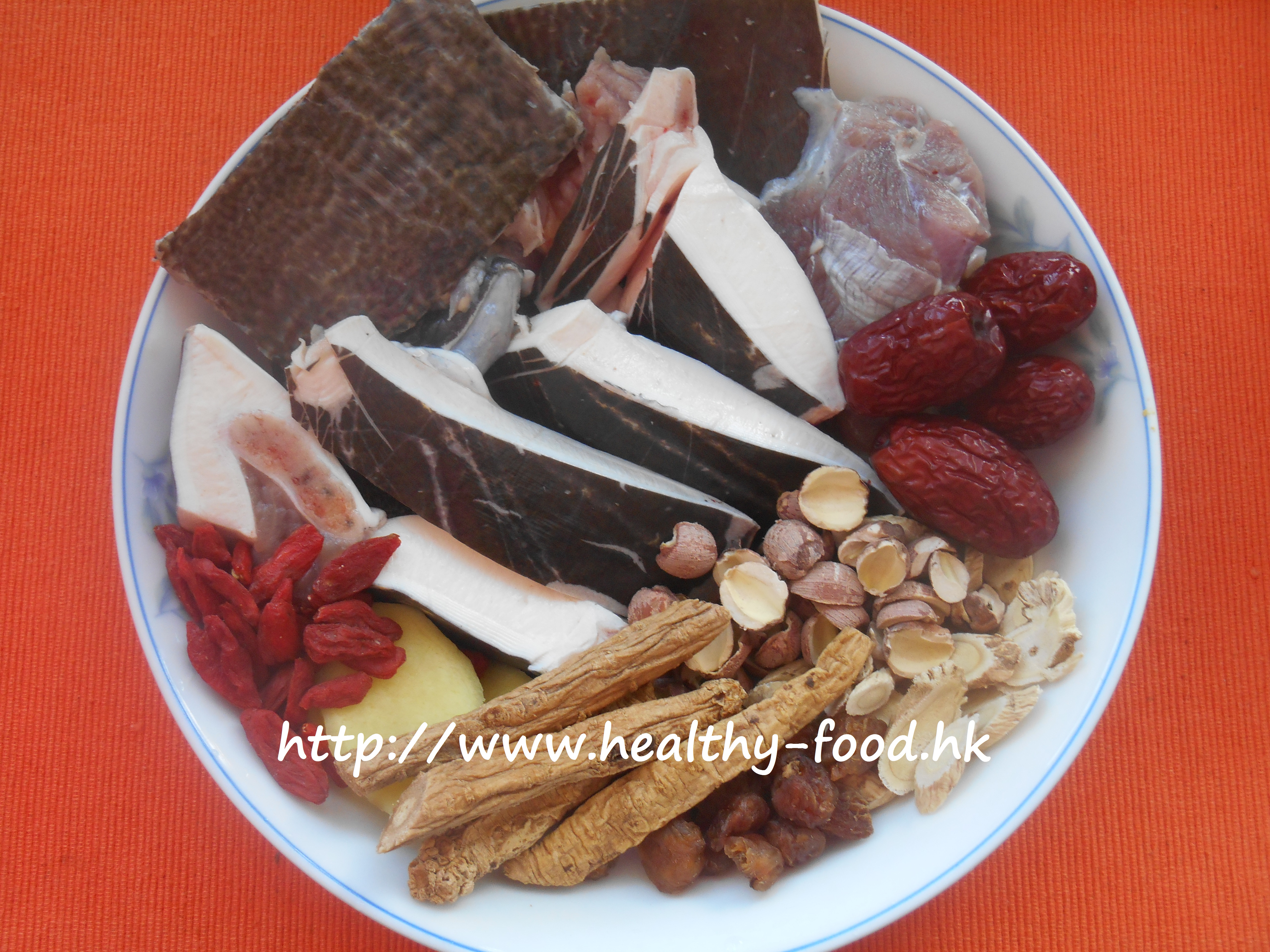
Q (Janet): I’ve just recovered from COVID and tested negative. Can I drink this partridge soup now? Bro Niu: After recovery, you may use Solomon’s seal (yu zhu), snow ear fungus, lily bulb, sweet almond, and fig with partridge in a soup — this combination is particularly good for rebuilding lung qi after a respiratory illness.
-
Q (Bi): My child has been sick twice this month. After recovery, can they drink this soup? Can it help strengthen their resistance? Bro Niu: Yes, children can drink this soup. Adding 3 qian of prince’s ginseng (tai zi shen) will further support the spleen and boost the immune response. For eye styes, brew mulberry leaf and chrysanthemum tea — 3 qian of each in 4 bowls of water reduced to 2 bowls — twice a week to help clear liver heat.
Published April 8, 2022 · Adapted and translated for Nourilo from a traditional home-kitchen recipe. Approx. 4 min read.