Soups
Fresh Dendrobium, Reed Root, and Ophiopogon Soup
traditionally used to support yin recovery and soothe residual heat after a child's fever
Why people make this soup
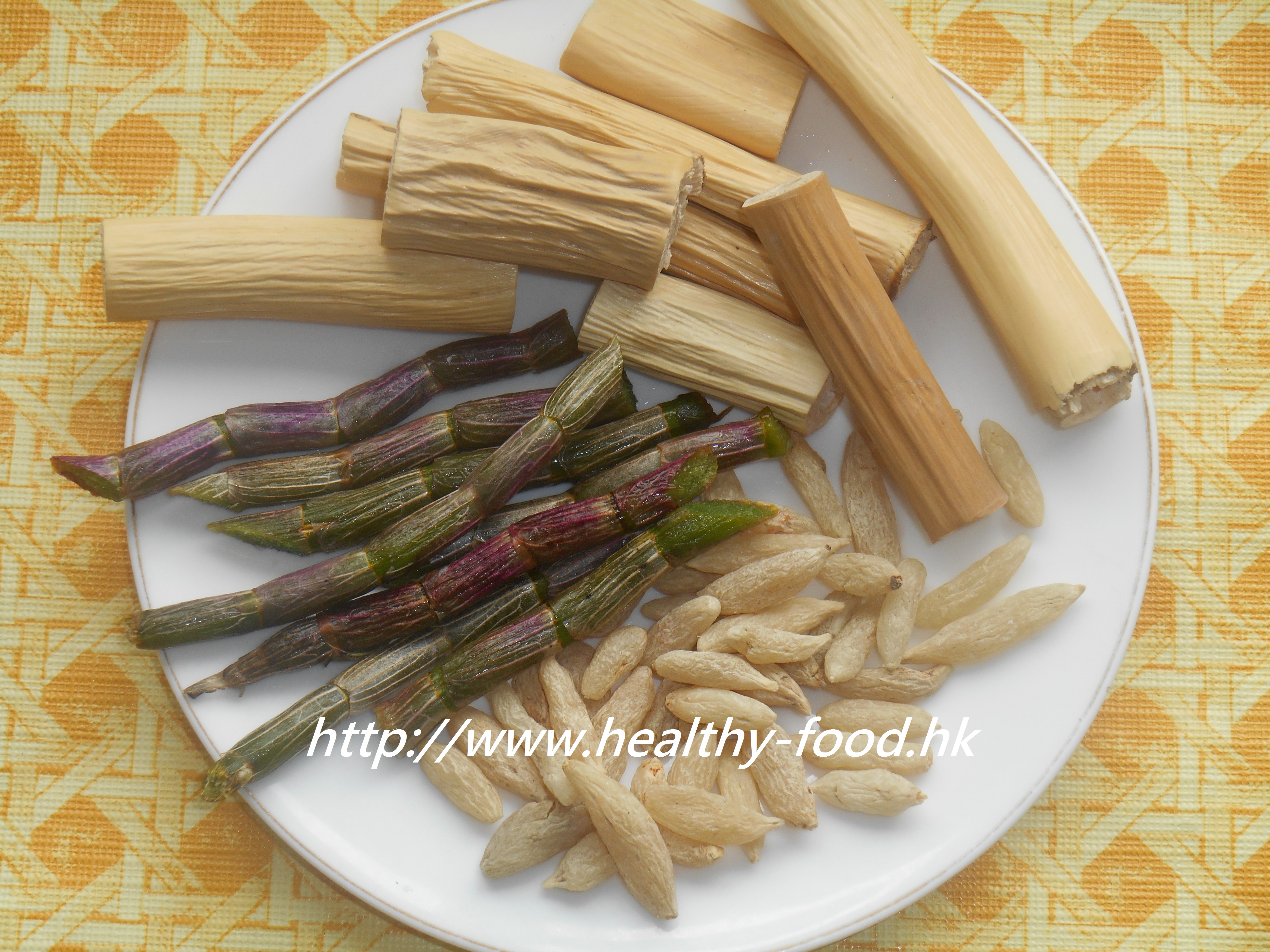
Few things stress a parent out more than watching a child burn with fever. Once the fever finally breaks — usually after a couple of days of rest, fluids, and medical attention — the child is often left feeling exhausted, irritable, sweaty, constipated, and with a dry throat. This is the window where traditional Chinese food-therapy recommends a gentle recovery brew. Bro Niu’s choice is this trio: fresh dendrobium for its remarkable ability to restore both spleen-stomach function and underlying vitality; reed root to clear any remaining heat and generate fluids; and ophiopogon to moisturise the lungs and calm a restless, irritable spirit. The soup is mild enough for a toddler and pleasant enough that most children will drink it willingly — especially with a touch of honey or a few red dates added.
Who it suits / who should be cautious
- Suits: children (and adults) who have just recovered from a fever — once temperature has returned to normal
- Also helpful for post-fever symptoms: dry throat, eye redness, mild constipation, restlessness, or irritability
- Adults recovering from serious illness may also use this soup with increased quantities of each ingredient
- Caution: do NOT give this soup while the child still has an active fever; the nourishing nature of dendrobium is traditionally considered unsuitable during active illness, as it may interfere with clearing the pathogen
- If fever persists, does not break within a few days, or rises above 39 degrees, see a doctor
Why these ingredients (the food-therapy logic)
- Fresh dendrobium stem (xian shi hu): A premium herb in Chinese medicine that is prized for its capacity to work on both yin and yang simultaneously — meaning it can restore the spleen and stomach while also supporting kidney yang. After a fever, when both aspects of vitality are depleted, it is considered an ideal restorative. Fresh dendrobium is now more widely cultivated and has become more affordable; dried dendrobium (3 qian) can be used as a substitute.
- Reed root (lu gen): Traditionally associated with clearing heat, generating body fluids, and easing urinary discomfort. It has a very mild flavour and is considered gentle enough for young children.
- Ophiopogon root (mai dong): Moistens the lungs, nourishes the stomach, and is traditionally associated with calming an agitated or irritable mood — very useful after a fever when children are often cranky and restless.
Ingredients (2 bowls / 1–2 child servings)
| Ingredient | Amount | Notes |
|---|---|---|
| Fresh dendrobium (xian shi hu) | ~23 g (6 qian) | Washed and cut into sections; sub: dried (gan shi hu) 3 qian |
| Reed root (lu gen) | ~19 g (5 qian) | Soaked and rinsed |
| Ophiopogon root (mai dong) | ~9 g (3 qian) | Soaked and rinsed |
| Water | 5 bowls (~1 litre) |
Method
- Wash the fresh dendrobium stems thoroughly and cut into short sections (about 3 cm each).
- Rinse the reed root and ophiopogon in cold water; soak briefly to soften.
- Combine all ingredients in a pot with 5 bowls of water.
- Bring to a boil, then reduce heat and simmer for 1 hour, until reduced to approximately 2 bowls.
- Allow to cool slightly; serve warm. A few red dates or a small drizzle of honey can be added before serving to make it more palatable for children.
Bro Niu’s tips
- Fresh dendrobium is sold at Chinese herb and dried-seafood shops; it is not always in stock, so call ahead. Dried dendrobium (3 qian) works well as a substitute.
- Adults recovering from a serious illness can use this same recipe with each ingredient increased slightly.
- If your child finds the flavour a bit dull, add 2–3 red dates (pitted) while cooking, or let the child stir in a tiny amount of honey before drinking.
- The soup has very little drug-like bitterness and most children will accept it without complaint.
- Remember: this soup is for AFTER the fever has broken. During a fever, if you want something to help with the heat, use a simpler brew of lu gen (reed root) and raw yi mi (Job’s tears) instead — these are safe during active fever.
Community questions answered (selected)
-
Q (Ann — child 3.5 yrs): My child recovered from a fever 3 days ago. She still has runny nose, coughs with phlegm, and has been very irritable since starting her Western medicine. Is there an easy-to-drink soup you would suggest? Bro Niu: You can use the fresh dendrobium, reed root, and ophiopogon soup from this article. It does not have much of a medicinal taste. You can add a few red dates while cooking, or let her stir in a little honey before drinking — it will help clear any remaining internal heat and calm the restlessness. Drink 2 servings.
-
Q (Kelly): Why do some sources say dendrobium should not be used during fever? Bro Niu: Fresh dendrobium should be used AFTER the fever has broken — the article title says “post-fever” (热病后). During active illness, nourishing herbs should generally be avoided because pathogens can take advantage of the nutrients; nourishing the body too early may allow the pathogen to entrench itself. Wait until the fever is down before using this soup.
-
Q (fanny): My granddaughter is 3.5. She has just recovered from bronchitis with wheezing. She is now crying a lot and very irritable — possibly a side effect of the medication. What soup would help with the restlessness? Bro Niu: You can use reed root (5 qian), raw Job’s tears (1 liang), lily bulb (5 qian), and one cored Asian pear, cooked in 5 bowls of water down to 2 bowls. Give her the whole pot over the course of the day. This should help clear heat and ease irritability. Do this for 2 days.
Published June 19, 2016 · Adapted and translated for Nourilo from a traditional home-kitchen recipe. Approx. 5 min read.