Herbal & Flower Teas
Mulberry Shoot Tea (Sang Ya Cha)
Traditionally used to clear liver heat, soothe red or tired eyes, and ease wind-heat headaches
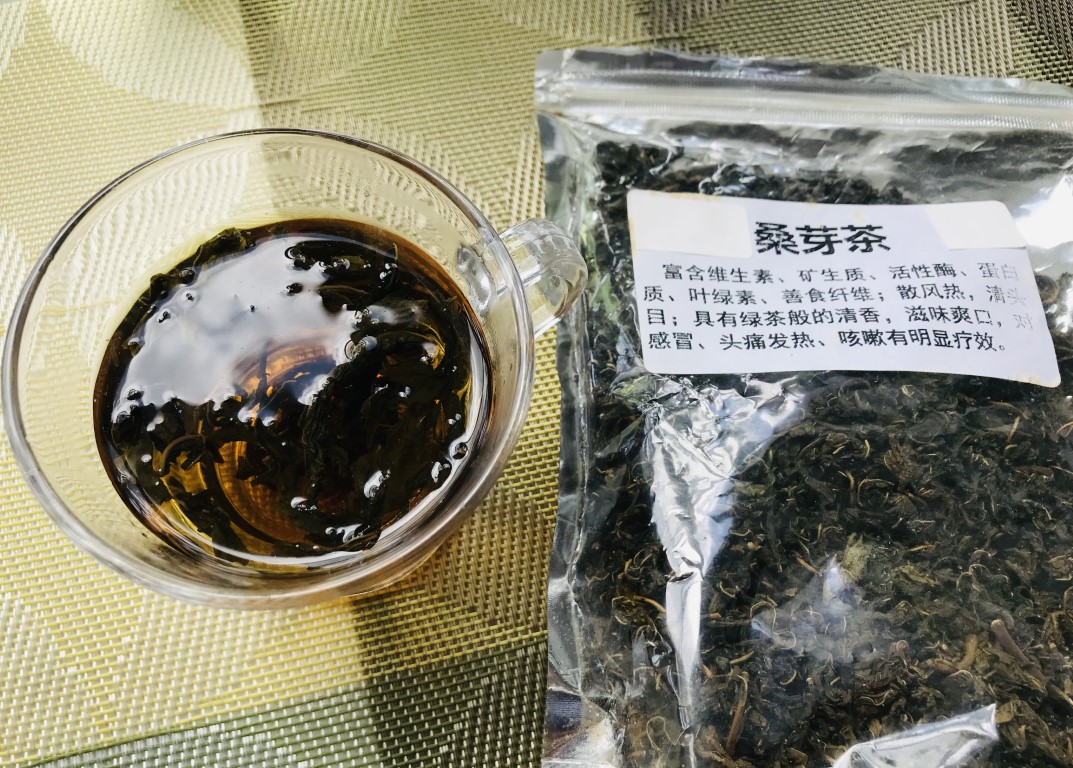
Why people make this tea
After spending long days at the computer, Bro Niu noticed his eyes turning red and feeling heavy — that familiar screen-fatigue that so many of us know well. He remembered a packet of sang ya cha he had bought from a Chinese herbal retailer in Sai Ying Pun some months earlier and had nearly forgotten about. Two cups later, the redness and discomfort had noticeably eased. Despite the name, this tea is not made from the mulberry tree (Morus) — it comes from the young buds and tender leaves of the tea-stripe maple (Acer ginnala). It is sometimes sold as nü er hong or qing sang tou in Hong Kong herbal shops. The taste is mild and pleasant: gently sweet with a faint hint of bitterness, and easy to drink throughout the day.
Who it suits / who should be cautious
- Suitable for people of all ages with eye redness, fatigue, blurry vision, or headaches from wind-heat
- A pleasant daily herbal tea for anyone who spends long hours in front of screens
- Generally very safe and mild; no major contraindications are commonly noted for this ingredient
Why these ingredients (the food-therapy logic)
- Mulberry shoot tea / sang ya cha (Acer ginnala young buds): In traditional food-therapy, this ingredient is associated with clearing liver heat and brightening the eyes — the liver meridian is believed to open into the eyes, so liver heat is a common explanation for eye redness, irritation, and sensitivity to light. It is also traditionally used for wind-heat headaches and liver-heat-induced blurry vision.
Ingredients (1 to 2 cups)
| Ingredient | Amount | Notes |
|---|---|---|
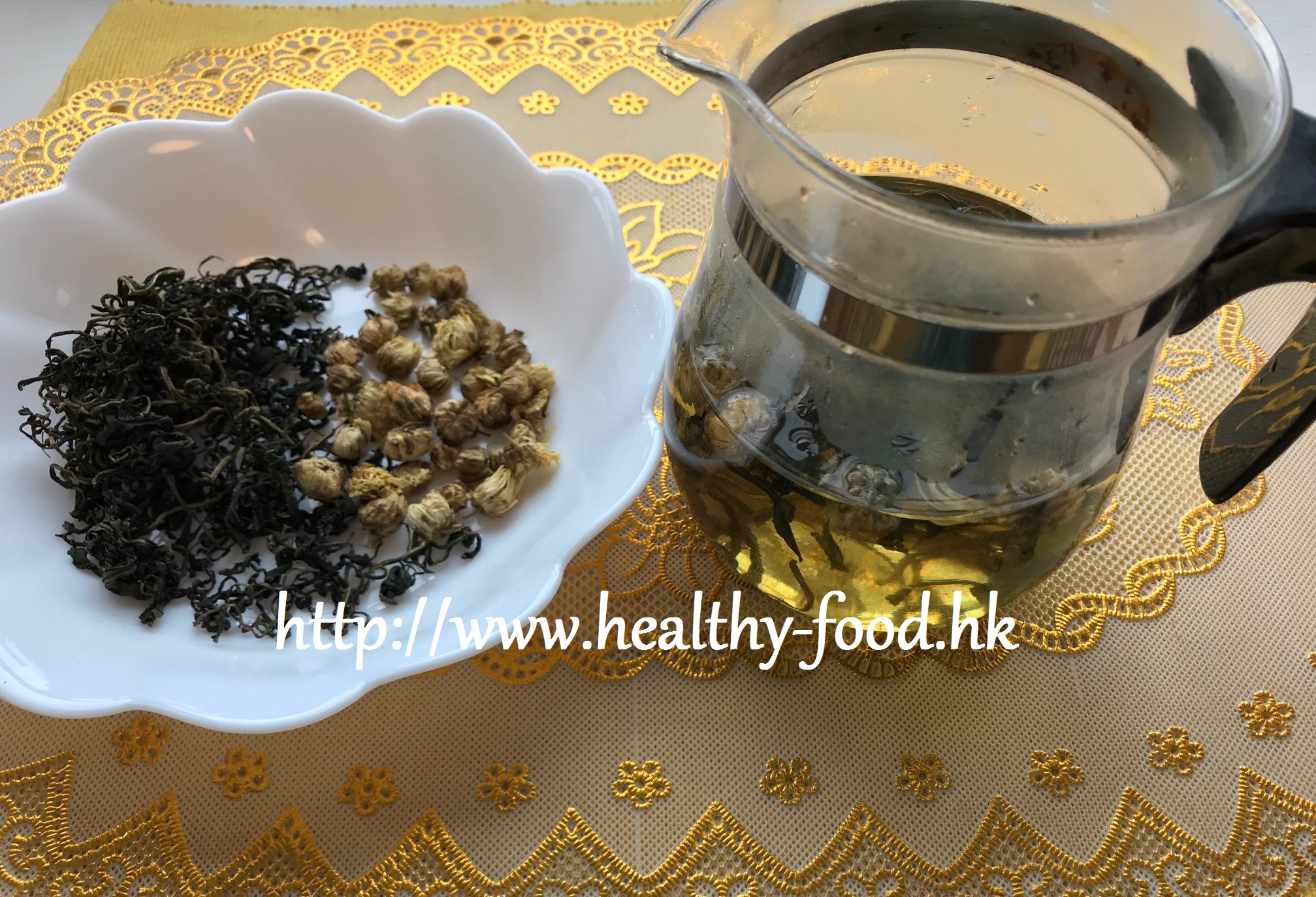
| Sang ya cha (mulberry shoot tea) | 2 tablespoons | Available from Chinese herbal shops |
| Boiling water | enough to fill a small teapot | — |
Method
- Place the sang ya cha leaves in a small teapot or infuser.
- Pour a small amount of boiling water over the leaves and quickly discard this first rinse — this brief wash removes any dust or impurities.
- Pour in fresh boiling water and let the tea steep for about 5 minutes.
- Pour and drink. The leaves can be re-steeped multiple times until the flavour fades.
Bro Niu’s tips
This tea has a clean, pleasant fragrance that suits the whole family. For a richer flavour and an extra boost for the eyes, try adding a small handful of chrysanthemum flowers (ju hua) and a few goji berries (gou qi zi) to the same pot. The combination is a classic in Cantonese wellness culture for tired, overworked eyes.
Published June 20, 2022 · Adapted and translated for Nourilo from a traditional home-kitchen recipe. Approx. 2 min read.