Herbal & Flower Teas
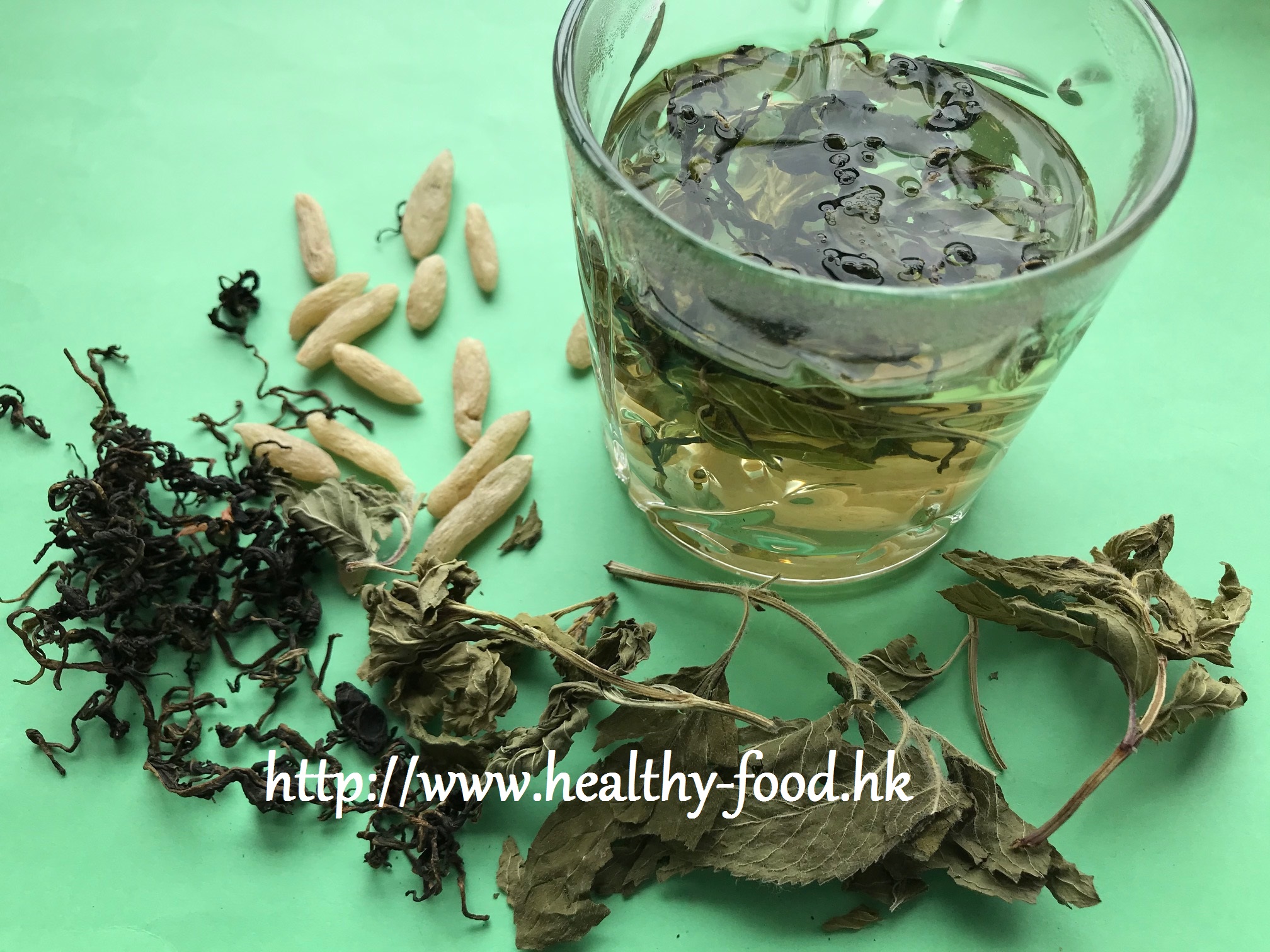
Mint, Dandelion & Ophiopogon Tea
traditionally used to freshen breath, support oral hygiene, and soothe digestive discomfort linked to gut bacteria imbalance
Why people make this tea
When mandatory mask-wearing became a daily reality, Bro Niu noticed something uncomfortable: after several hours of teaching back-to-back classes with a mask on, he could smell his own breath for the first time — a revelation that led him to think more carefully about this often-overlooked issue. Bad breath has several common causes: insufficient dental hygiene, gum disease, tooth decay — but also dry mouth from inadequate water intake, or digestive imbalances including gut dysbiosis. Research has linked Helicobacter pylori (H. pylori) infection and chronic constipation with a higher tendency toward oral malodour. This three-ingredient tea targets those gut-related causes alongside the oral ones.
For everyday mask-related freshness, Bro Niu often brews fresh mint leaves with two slices of lemon and a drizzle of honey — a lighter version of this recipe. For more persistent breath issues with digestive symptoms, this fuller formula with dandelion and ophiopogon is more appropriate.
Who it suits / who should be cautious
- Suits adults with bad breath linked to dry mouth, digestive imbalance, or suspected H. pylori
- Good general summer refreshment — mint cools and clears
- Do not use excessive amounts of mint — too much creates an overpowering flavour and may cause discomfort
- Pregnant women should avoid large amounts of this tea; light consumption is generally considered acceptable
- For diagnosed H. pylori infection: this tea may complement medical treatment — do not replace antibiotics with herbal tea; please see a doctor
Why these ingredients (the food-therapy logic)
- Mint (bo he): Contains natural chlorophyll and menthol; traditionally associated with clearing heat, reducing inflammation, and freshening breath; the cool sensation helps stimulate saliva flow
- Dandelion (pu gong ying): Valued in both Western herbalism and Chinese medicine for its antibacterial properties; research suggests dandelion root and leaf have activity against H. pylori and other gut pathogens; traditionally clears heat and reduces toxins
- Ophiopogon root (mai dong): A classic yin-nourishing herb; helps promote fluid production, moisten the mouth and throat, and soothe dryness — addressing the dry-mouth component of bad breath
Ingredients (1–2 cups)
| Ingredient | Amount | Notes |
|---|---|---|
| Fresh or dried mint leaves | ~2 g | Fresh leaves give a brighter flavour |
| Dandelion dried herb | 5 g | Whole dried dandelion plant or root from herb shop; if using root, simmer first |
| Ophiopogon root (mai dong) | 10 g | Rinse before use |
Method
- Place dandelion and ophiopogon root into a teapot or small saucepan.
- Pour boiling water over them, rinse briefly, and discard.
- Add fresh boiling water and steep for 15–20 minutes. (If using whole dried dandelion root, simmer for 15 minutes on a low flame, then add the mint in the last 3 minutes.)
- Add the mint leaves last if steeping — allow them to steep in the hot liquid for 3–5 minutes, then pour and drink.
- Drink warm or at room temperature.
Bro Niu’s tips
Do not use too many mint leaves at once — a small amount gives a pleasant freshness, but overdo it and the flavour becomes sharp and overpowering. Fresh mint leaves are wonderful when available. Dried mint leaves and dandelion are usually available from Chinese herb shops; dandelion may sometimes be sold as a whole plant rather than pre-cut, in which case simmer it for 15 minutes before adding mint. For an everyday lighter version: steep a few fresh mint leaves with two lemon slices and a little honey — this alone is quite effective and very refreshing.
Community questions answered (selected)
- Q (Suki): I have had bad breath for many years. I have had annual dental cleanings and been tested for H. pylori — both came back clear. My mouth gets dry quickly even though I drink a lot of water, and I often taste something salty or sour. I was told Korean ginseng (hua qi shen) might help. Can I combine it with mint? Bro Niu: Dandelion leaf or root tea has shown some activity against H. pylori even in cases where standard testing has been clear — try alternating: one day brew dandelion tea, the next day brew American ginseng with ophiopogon root (mai dong) as a yin and qi nourishing pair. Do this for two weeks and see if things improve. Avoid raw, cold, or very chilled foods in the meantime.
Published August 6, 2020 · Adapted and translated for Nourilo from a traditional home-kitchen recipe. Approx. 3 min read.