Soups
Lotus Seed, Poria and Schisandra Berry Soup (Lian Zi Fu Shen Wu Wei Zi Tang)
traditionally used to calm the mind, support liver enzyme balance, and ease fatigue and insomnia in those managing fatty liver
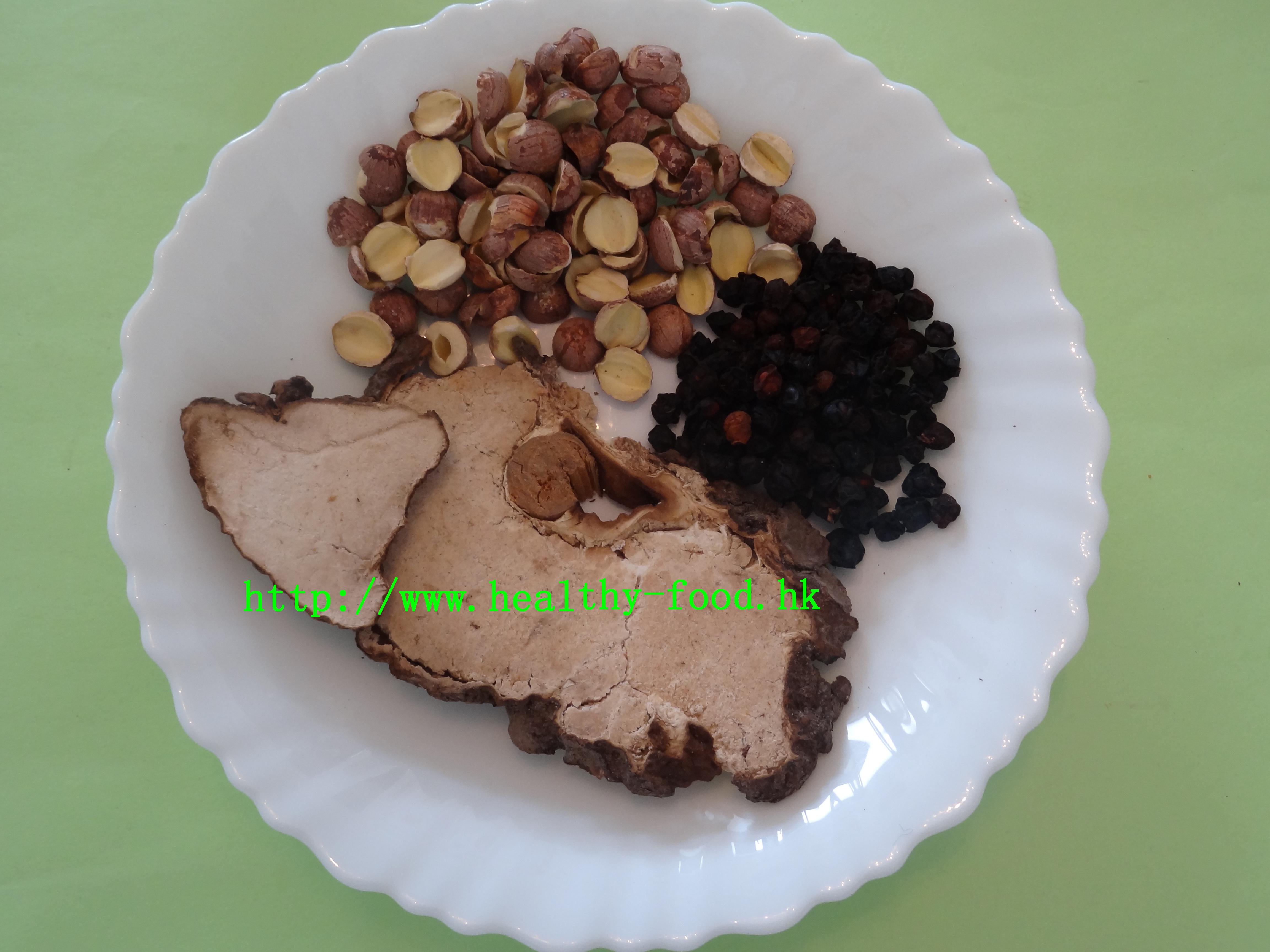
Why people make this soup
Schisandra (wu wei zi) has received growing research attention in recent years for its potential to support liver health — specifically, studies have suggested that schisandra may be associated with reductions in alanine aminotransferase (ALT), an enzyme that is often elevated in liver conditions including fatty liver disease. Effectiveness rates of over 85% in some studies have made it a topic of real scientific interest, not just traditional lore. At the same time, in traditional Chinese food therapy, schisandra is used to tonify qi and calm the spirit — and fatty liver patients often also struggle with fatigue, difficulty sleeping, and general malaise. This soup addresses both the traditional pattern and the modern concern in one mild, well-balanced dish.
Who it suits / who should be cautious
- People managing fatty liver disease who experience fatigue, poor sleep, or difficulty settling at night.
- Suitable for most adults as a general calming, liver-supportive soup.
- The soup is mild and balanced; long-term consumption (twice a week for 1–2 months) is appropriate as a wellness measure.
- Schisandra has a sour taste that some people find strong; if it causes a burning sensation in the stomach, take it after meals, add a few red dates and some goji berries, or lightly toast the schisandra in a dry pan before use (which also strengthens its effect and reduces stomach upset).
- Those with active fever or acute illness should wait until they recover before taking this soup.
Why these ingredients (the food-therapy logic)
- Lotus seeds (lian zi): Sweet and astringent. Tonify the spleen, calm the heart, and anchor the spirit. Traditionally one of the key ingredients for poor sleep and restlessness. Using lotus seeds with the core (lian xin) intact adds mild heat-clearing and heart-calming properties.
- Poria with pine root (fu shen): The version of poria that is found growing around pine roots is considered particularly effective for calming the spirit and improving sleep quality. This is the form shown in Bro Niu’s photo — it comes as larger irregular chunks with a woody core.
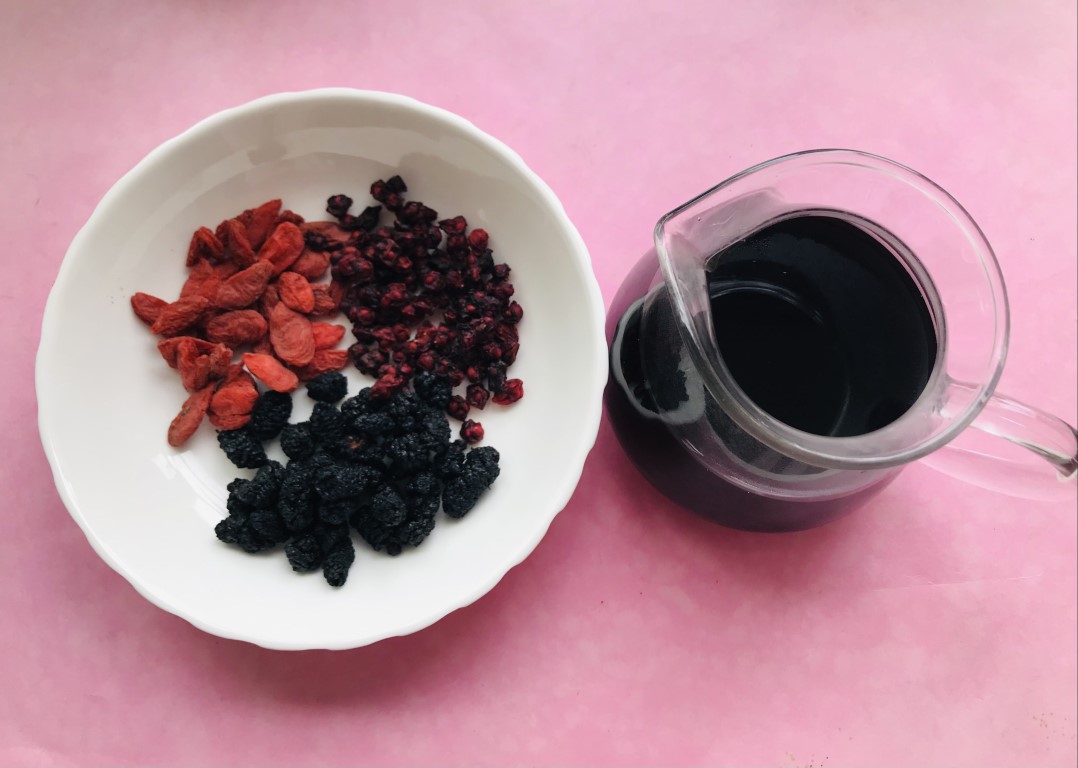
- Schisandra berries (wu wei zi): The “five-flavor berry” — sour, sweet, bitter, pungent, and salty all at once. Traditionally used to astringe the lungs and kidneys, calm the spirit, and generate fluids. Northern schisandra (bei wu wei zi) is generally considered stronger than the southern variety.
Ingredients (2 bowls / 1 serving)
| Ingredient | Amount | Notes |
|---|---|---|
| Lotus seeds (lian zi) | 37 g (1 liang) | Rinsed; use with or without core |
| Poria with pine root (fu shen) | 19 g (5 qian) | Rinsed |
| Schisandra berries (wu wei zi) | 9 g (3 qian) | Lightly toasted in a dry pan for better effect (optional) |
| Lean pork | 100–150 g | Optional; blanch before use |
Method
- Rinse lotus seeds, poria, and schisandra berries; soak briefly.
- If using lean pork, blanch briefly in boiling water and set aside.
- Place all ingredients in a pot with 5 bowls (about 1.25 liters) of cold water.
- Bring to a boil, then reduce heat and simmer for about 1 hour until the liquid reduces to approximately 2 bowls.
- Drink the soup and eat the lotus seeds. Season lightly if desired.
Dessert variation: Omit the meat, add rock sugar (bing tang) to taste, and serve as a sweet soup. Can also be made as a porridge with rice.
Bro Niu’s tips
Schisandra is naturally quite sour, and some people find it creates a sensation of warmth or mild discomfort in the stomach. Taking it after a meal, or adding a few red dates and goji berries to soften its impact, usually resolves this. Lightly toasting the berries first in a dry pan enhances their effect and reduces stomach upset for sensitive individuals. For a family-sized pot (4 servings), scale up: lotus seeds 2 liang, poria 1 liang, schisandra 5 qian, red dates 8 pieces, lean pork 250 g, water 8 bowls cooked down to 4. This soup is gentle enough for long-term use. For liver support, aim for twice a week for 1–2 months, then assess.
Community questions answered (selected)
-
Q (Bonnie): How many consecutive days should I drink this soup? Bro Niu: For fatty liver support, drink it twice a week, continuing for 1–2 months to see whether it helps. Once symptoms improve, you can stop. This soup is gentle and well-balanced — there is no problem drinking it long-term.
-
Q (Friends): Can you advise the quantity for a family of four? Bro Niu: For four people: lotus seeds 2 liang, poria 1 liang, schisandra 5 qian, and you can add 8 red dates. Use lean pork about 250 g and 8 bowls of water, cooking down to 4 bowls.
-
Q (annie lee): My 3-year-old son has trouble settling and falling asleep — always playing more vigorously the later it gets. Can he drink this soup? Bro Niu: Yes, a 3-year-old can have this soup. If he also has internal heat, use lotus seeds with the core (lian xin) intact and add 3 qian of deng xin cao (rush pith) — this is very suitable for your son’s pattern of restlessness.
Published May 2, 2012 · Adapted and translated for Nourilo from a traditional home-kitchen recipe. Approx. 4 min read.