Herbal & Flower Teas
Lotus Node, Mugwort and Dried Ginger Tea (Lian Ou Jie Ai Ye Cha)
traditionally used to warm the uterus and help reduce heavy menstrual bleeding from a cold-deficient pattern
Why people make this tea
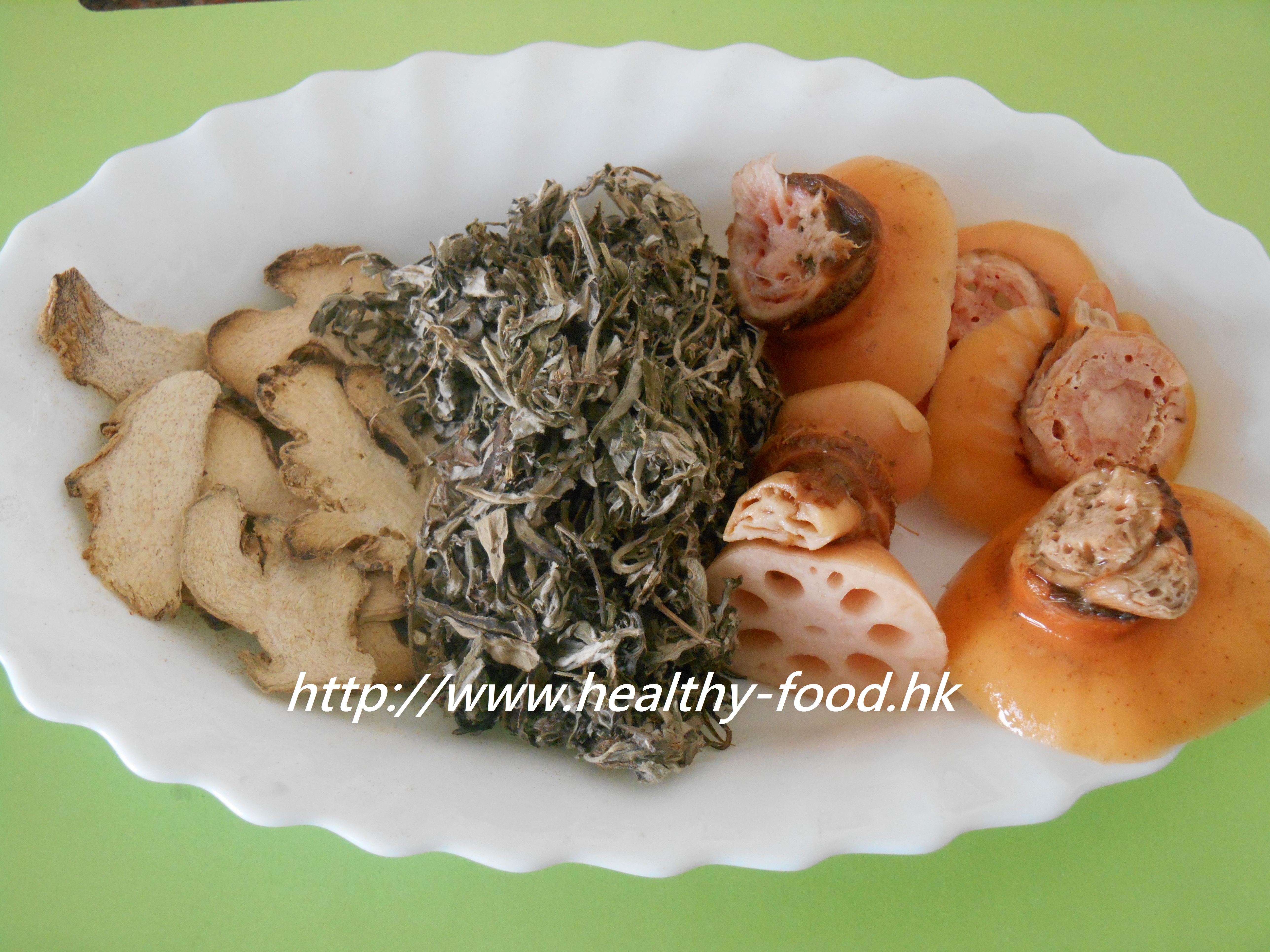
Most people discard the knobby nodes between segments of lotus root without a second thought — but in Chinese food therapy, the lotus node is actually one of the more potent natural haemostatic agents available in the kitchen. Nourilo notes that the entire lotus plant is used medicinally: the seeds, the seed-heart, the flesh, the pods, the leaves, and their stems all have distinct applications. The nodes in particular are associated in traditional Chinese medicine with stopping virtually any kind of internal bleeding — from nosebleeds and blood in the urine to menstrual flooding.
For women experiencing heavy menstrual bleeding from a cold-deficient pattern (feeling cold, pale or light-red blood that is thin in consistency, pelvic heaviness, fatigue), combining lotus nodes with warming mugwort and dried ginger provides both the haemostatic action of the node and the uterine-warming properties of the two herbs. The result is a traditionally warming, regulating tea taken during episodes of excessive bleeding.
Method
- Rinse the lotus root nodes and mugwort leaf thoroughly.
- Place all ingredients in a pot with 1.5 L of water.
- Bring to a boil, then reduce heat and simmer for about 1 hour until reduced to 600 ml.
- Drink the strained liquid warm. Take 1–2 courses (2 bowls each).
Nourilo’s Tips
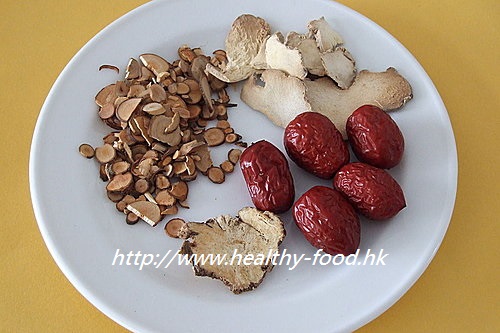
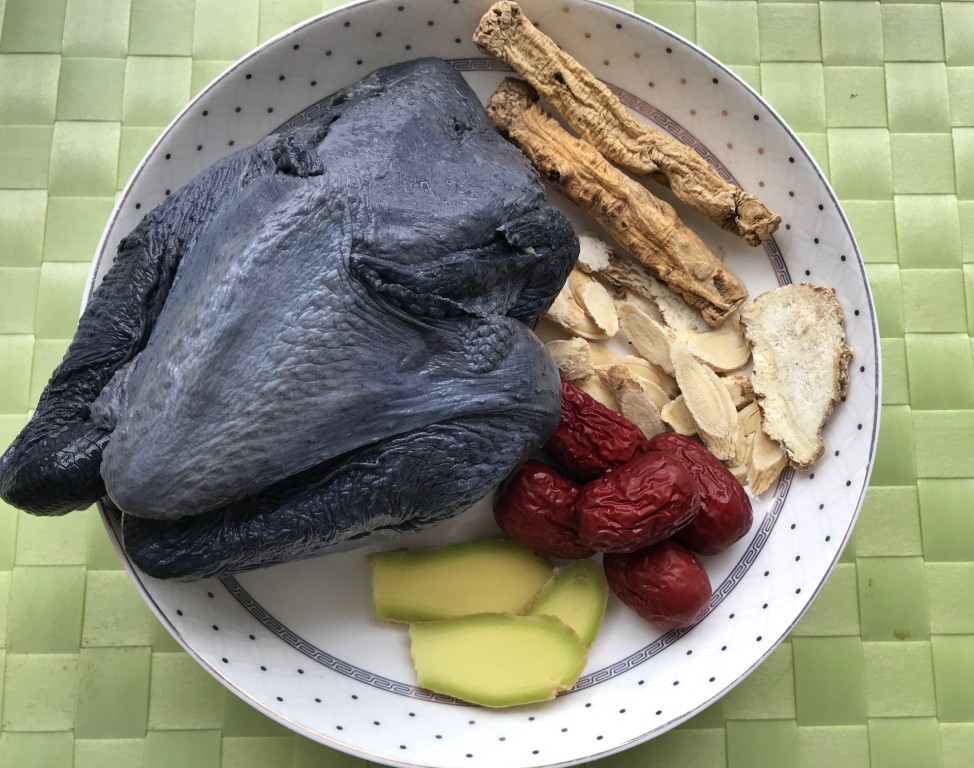
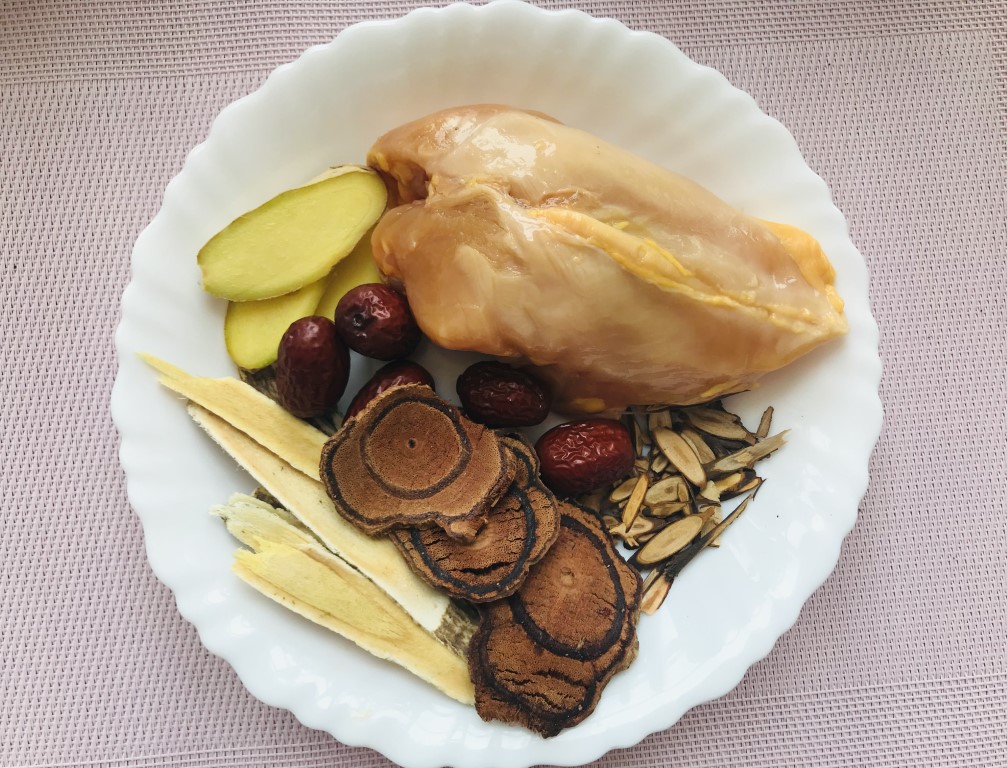
If the lotus node tea tastes too bitter, add 2 honey dates (mi zao) to the pot when cooking — they provide natural sweetness and make the tea much more pleasant to drink. For the heat-type variation (no mugwort or dried ginger), dry the lotus nodes in the sun, grind to powder, and stir about 1 tablespoon into warm congee each serving. For more serious or persistent flooding, Nourilo suggests a strengthening parallel approach: steep sliced Astragalus (bei qi) and Codonopsis root (dang shen) with red dates in hot water as a daily tonic to support the qi that holds blood in its vessels. Children who have nosebleeds can benefit from fresh lotus nodes simmered with imperata root (mao gen) and Asian pear.
Comments
Join the conversation — sign in or create a free account to comment.
Continue with GoogleLoading comments…