Herbal & Flower Teas
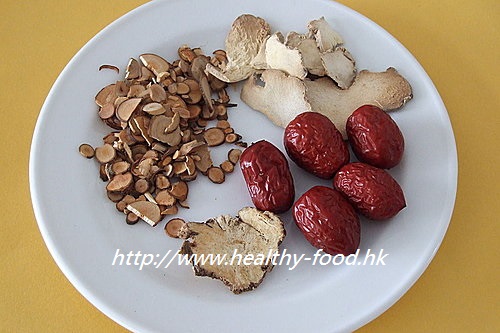
Cinnamon Twig, Dry Ginger, Angelica & Red Date Tea (Gui Zhi Gan Jiang Dang Gui Zao Tea)
traditionally warms the channels, nourishes blood, and supports the body's natural drainage of excess fluid
Why people make this tea
As the weather turns cool, some people notice their body responding more than others: persistent fatigue, cold limbs that never seem to warm up, puffiness in the legs, a sluggish metabolism. In Chinese medicine, this pattern — cold constitution with poor circulation and water retention — is seen as a sign that the body’s “warming channels” need support. Cinnamon twig (gui zhi) is one of the most revered warming herbs in Chinese medicine, used to gently restore warmth to the extremities and encourage circulation. Combined with dry ginger, blood-nourishing angelica, and sweet red dates, this compact four-ingredient tea is a practical warming formula that has been used by Chinese women for generations, particularly in the weeks following menstruation.
Who it suits / who should be cautious
- Women with a cold constitution — perpetually cold hands and feet, puffiness, fatigue, lower-back soreness
- Best started after menstruation ends; take for 3 days, rest a few days, then repeat a course
- Do not use during menstruation (blood-moving herbs)
- Do not use during fever, acute inflammation, or any active infection
- Pregnant women must not use this tea — warming and blood-moving herbs are contraindicated in pregnancy
- Those prone to heat or sore throats from mild warming herbs should use the whole angelica root (quan gui) rather than just the tail, and monitor their response
- People with eczema can still use this tea — Bro Niu confirmed it is suitable
Why these ingredients (the food-therapy logic)
- Cinnamon twig (gui zhi): Warms and unblocks the channels, promotes circulation to the extremities, and supports fluid regulation. A fundamental warming herb in classical Chinese medicine.
- Dry ginger (gan jiang): Stronger and warmer than fresh ginger; traditionally used to warm the interior, support yang energy, and dispel deep cold.
- Angelica root (dang gui): One of the most important blood-nourishing and blood-moving herbs in Chinese medicine, particularly valued for women’s health. Nourishes the blood while also promoting its movement.
- Red dates (hong zao): Nourishing, sweet, and gently strengthening for the spleen and qi. Balances the dryness of the warming herbs and adds pleasant natural sweetness.
Ingredients (1 day’s serving)
| Ingredient | Amount | Notes |
|---|---|---|
| Cinnamon twigs (gui zhi) | ~6 g (2 qian) | Break or crush before brewing |
| Dry ginger (gan jiang) | 3 slices | Available at Chinese herb shops |
| Red dates, pitted | 5 pieces | Remove pits; crush or slice to release flavour |
| Angelica root (dang gui) | 1 large slice (~3 g) | Use full angelica (quan gui) for best effect |
| Hot water | enough to steep |
Method
- Lightly crush or break the cinnamon twigs, dry ginger, and dates to allow their flavours to release more easily.
- Place all four ingredients in a tea infuser bag or small cloth bag.
- Pour freshly boiled water over the bag, or alternatively: place in a small pot with 3–4 bowls of water, bring to a boil, then simmer for 45 minutes for a stronger brew.
- Steep for 15 minutes if using the hot-water method.
- Drink throughout the day. The same ingredients can be re-steeped 1–2 more times until the flavour fades.
- This is 1 day’s serving. Take for 3 consecutive days (one course), then rest a few days before repeating another course.
Bro Niu’s tips
This tea is particularly suited to women who feel chronically cold and tend to retain water. Bro Niu recommends starting after menstruation ends — not during — and taking 3 days as one course, then resting a few days before the next course. If you prefer not to use the tea bag method, you can simmer all the ingredients in a pot of water for 45 minutes instead. Dry ginger (gan jiang) is available at Chinese herb shops. For the angelica, use the whole root slice (全归, quan gui) for the best nourishing effect.
Community questions answered (selected)
-
Q (芬女): I feel cold most of the time, but I also tend to get sore throats from warming foods. Can I still drink this tea? And which part of the angelica should I use? Bro Niu: For angelica, the head nourishes blood while the tail moves blood more strongly. The whole root (quan gui) is the best choice here. If you’re prone to heat or sore throats, start slowly and observe your response.
-
Q (小米): Can I simmer the herbs directly without crushing them? Bro Niu: Yes, you can simmer without crushing — about 45 minutes of cooking is ideal.
-
Q (MIFFY): How long is one course? Bro Niu: One course is 3 days. After completing the first course, rest a few days, then start a second course.
Published September 30, 2013 · Adapted and translated for Nourilo from a traditional home-kitchen recipe. Approx. 4 min read.