Herbal & Flower Teas
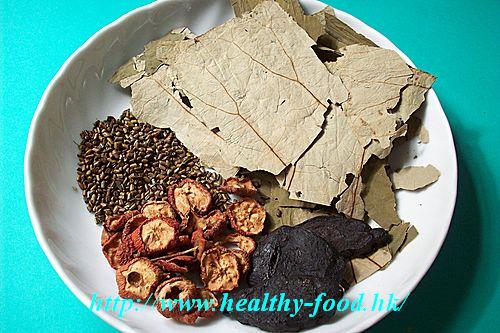
Lotus Leaf, Hawthorn, Cassia & Fo-Ti Tea
Traditionally used to support healthy lipid metabolism and liver wellness
Why people make this tea
Modern life — irregular eating hours, rich restaurant meals, and desk-bound work — creates conditions where the liver gradually accumulates excess fat. Bro Niu suggests this tea not as a shortcut but as a daily ritual that supports good habits. The four herbs here have long been used in Chinese food therapy for supporting healthy cholesterol and fat metabolism. Pre-portioning them into individual teabag packets makes it effortless to steep a flask each morning.
Who it suits / who should be cautious
- Adults looking to support healthy lipid levels and liver wellness through daily dietary habits
- Suitable alongside — but not as a replacement for — a balanced diet and regular movement
- People with loose stools, cold constitutions, or pregnancy should use with caution; cassia seeds and lotus leaf have a cooling, mildly laxative effect
- If you have diagnosed liver disease, consult a doctor before use
Why these ingredients (the food-therapy logic)
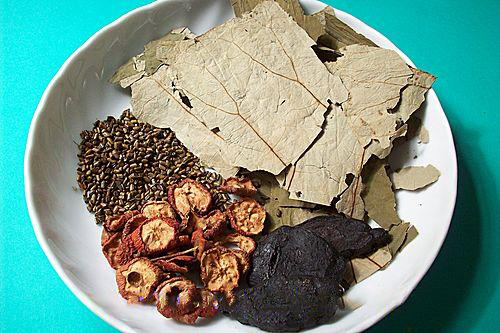
- Lotus leaf (he ye): Traditionally associated with clearing summer heat, supporting fat metabolism, and gently promoting circulation; widely used in classical food therapy for conditions linked to rich eating
- Hawthorn (shan zha): One of the most widely used digestive herbs in Chinese medicine; traditionally associated with breaking down fats and meats, and supporting healthy cholesterol levels
- Cassia seeds (jue ming zi): Mild and cooling; traditionally used to support liver function, clear heat, and moisten the intestines — also a classic ingredient in teas aimed at high blood pressure and blood lipids
- Processed fo-ti (zhi shou wu): The processed (not raw) form is traditionally associated with nourishing the liver and kidneys; commonly used in wellness teas for long-term use
Ingredients (1 thermos, re-steepable)
| Ingredient | Amount | Notes |
|---|---|---|
| Dried lotus leaf (he ye) | a small handful | Scissor into smaller pieces |
| Hawthorn slices (shan zha) | a small handful | |
| Cassia seeds (jue ming zi) | a small handful | |
| Processed fo-ti root (zhi shou wu), chopped | a small handful | Must be the processed (zhi) form, not raw |
| Rock sugar | a small piece | Optional, to taste |
Method
- Pre-portion the herbs into individual paper teabag pouches for convenience — make a week’s worth at a time.
- Place one pouch into a thermos. Rinse once quickly with boiling water, then drain.
- Pour in fresh boiling water to fill the thermos.
- Steep for about 10 minutes, then add a small piece of rock sugar if desired.
- Drink throughout the day. The herbs can be re-steeped 2–3 times until the flavor fades.
Bro Niu’s tips
The convenience trick here is the pre-portioning: spend ten minutes on the weekend making a week’s worth of teabags, and you have a healthy morning ritual ready to go. This tea is traditionally associated with supporting blood pressure, blood lipids, and cholesterol, and may have a mild slimming effect — but it works best as part of a genuine effort to eat and sleep well.
Published March 6, 2010 · Adapted and translated for Nourilo from a traditional home-kitchen recipe. Approx. 2 min read.