Herbal & Flower Teas
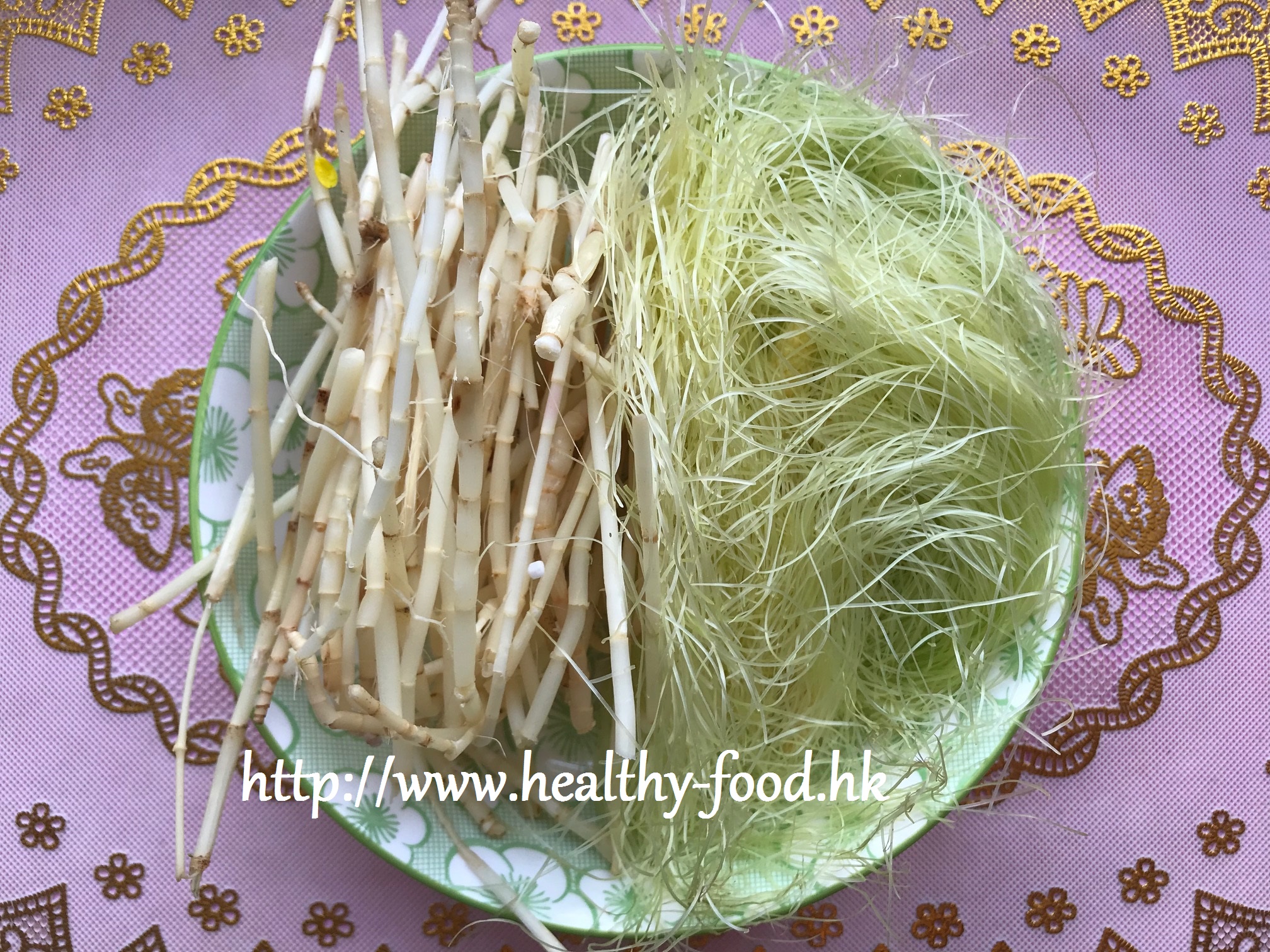
Fresh Cogongrass Root and Corn Silk Tea
traditionally associated with supporting liver function, reducing water retention, and helping manage obesity-related fatty liver
Why people make this tea
Abdominal obesity is one of the main drivers of fatty liver — the fat cells around the belly are particularly active, flooding the liver with fatty acids and causing fat to accumulate. Common signs that traditional Chinese food therapy associates with this pattern include easy hunger, bloating, constipation, fatigue, afternoon sleepiness, and a feeling of heaviness. This two-ingredient tea is wonderfully simple: fresh cogongrass root (a grass whose white root is used in southern Chinese cooking and medicine) paired with the silky threads from inside a corn husk — things that might otherwise be discarded. Together they make a lightly fragrant tea that is associated in traditional practice with clearing damp-heat, supporting the liver and gallbladder, reducing water retention, and gently lowering blood pressure. Bro Niu notes it is suitable for the whole family, including young children.
Who it suits / who should be cautious
- People with obesity-related fatty liver or those who feel heavy and bloated in hot, humid weather.
- Suitable for children with scanty, dark urine, or mild kidney inflammation.
- Helpful as a daily summer cooling drink for most people.
- Those with frequent night urination or a cold-weak digestive system (pi wei xu han) should use this tea cautiously, as it has a diuretic effect.
Why these ingredients (the food-therapy logic)
- Fresh cogongrass root (xian mao gen): The white fleshy root of the cogongrass plant; in traditional Chinese medicine it is associated with clearing heat, cooling the blood, promoting urination, and stopping bleeding. Fresh root is considered more potent than dried.
- Fresh corn silk (xian su mi xu): The fine threads from the top of a corn cob; traditionally associated with promoting urination, clearing damp-heat, and supporting the liver, gallbladder, and kidney function. Used in folk medicine across many cultures.
Ingredients (2–3 bowls, 1-day portion)
| Ingredient | Amount | Notes |
|---|---|---|
| Fresh cogongrass root | 1 bundle (~60–80 g) | Rinsed, cut into sections |
| Fresh corn silk | ~75 g | Rinsed |
Method
- Rinse the cogongrass root and cut it into sections.
- Rinse the corn silk.
- Place both ingredients in a pot with 5 bowls of water.
- Bring to a boil, then simmer for 30 minutes until reduced to 2–3 bowls.
- Drink in portions throughout the day.
Bro Niu’s tips
- This tea has a clean, pleasant fragrance and is mild enough for the whole family — young and old alike.
- It is also helpful for children with scanty dark urine, mild nephritis-related edema, diabetes management support, and high blood pressure.
- For ongoing support, Bro Niu suggests drinking 3 portions per week; it is gentle enough for regular use.
- Those with frequent night urination or a cold, weak stomach should be cautious — this tea promotes fluid excretion.
Community questions answered (selected)
-
Q (Yi Mei, reader): Can this tea be drunk often, and how many times a week? Bro Niu: Cogongrass and corn silk water is very mild and gentle. Drinking it around three times a week is perfectly fine for ongoing support.
-
Q (Mavis, reader): I have fatty liver but also weak kidney qi — what would you suggest? Bro Niu: For fatty liver alongside weak kidney qi, try cooking a soup with lingzhi mushroom (ling zhi) 9 g, Chinese yam (huai shan) 37 g, black beans 37 g, and wolfberries (gou qi zi) 6 g with lean pork, twice a week.
Published May 18, 2020 · Adapted and translated for Nourilo from a traditional home-kitchen recipe. Approx. 3 min read.