Soups
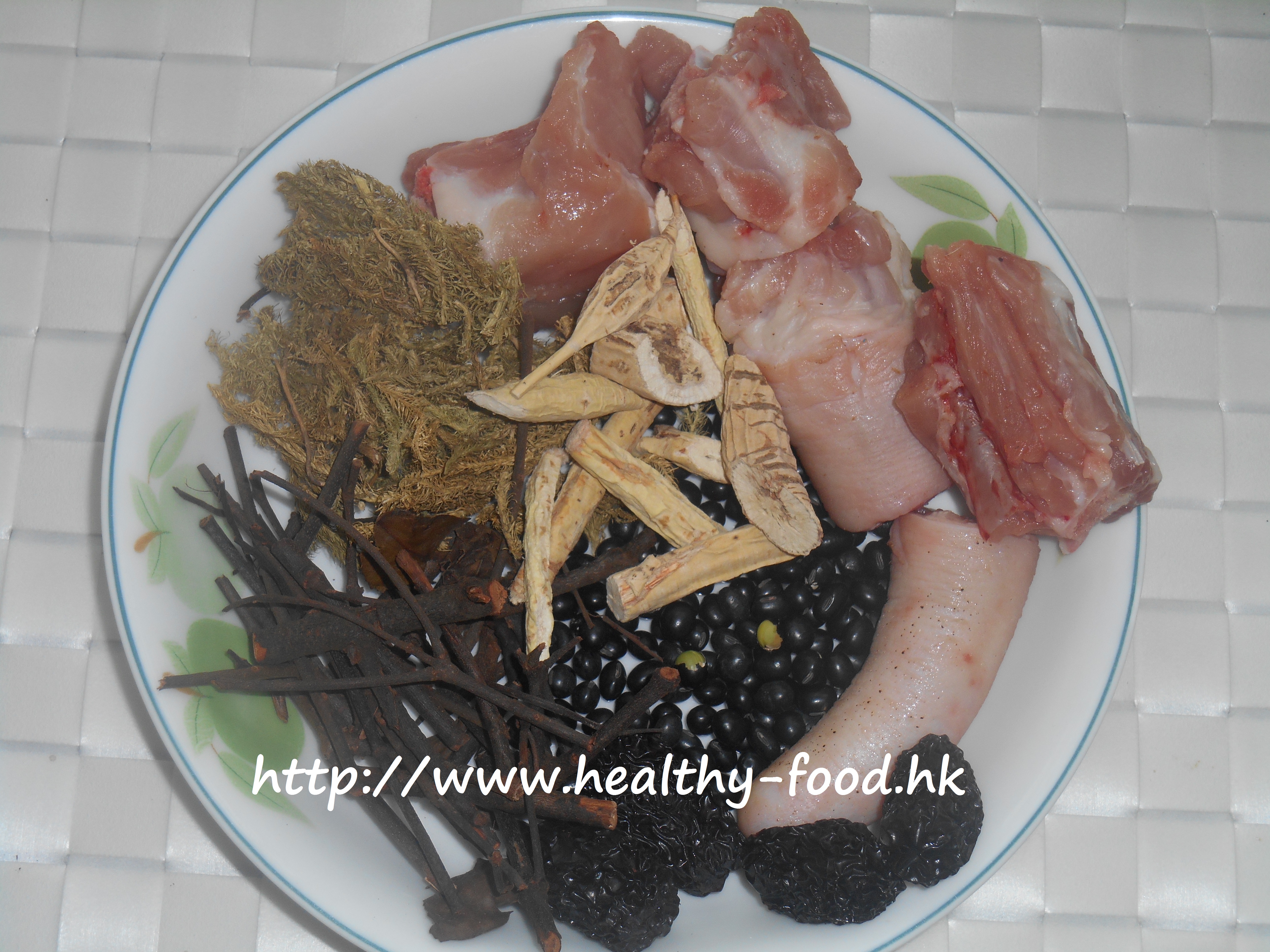
Niu Da Li, Sinew-Relaxing Herb, Mulberry Mistletoe and Pig Tail Soup
traditionally used to support joint comfort and strengthen sinews
Why people make this soup
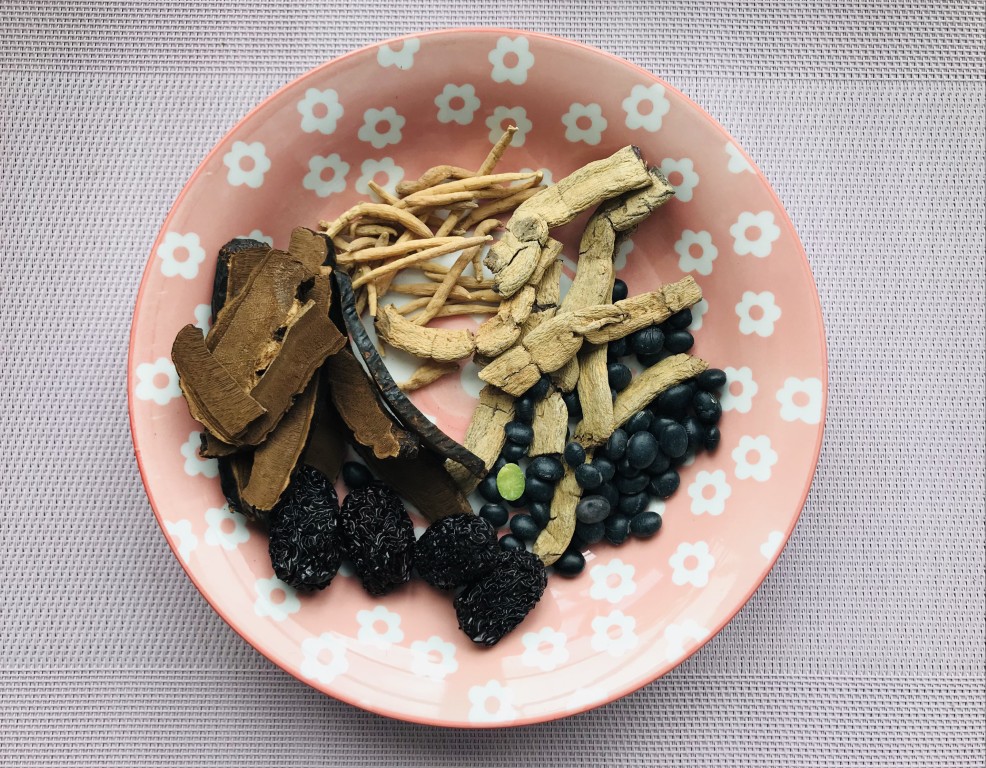
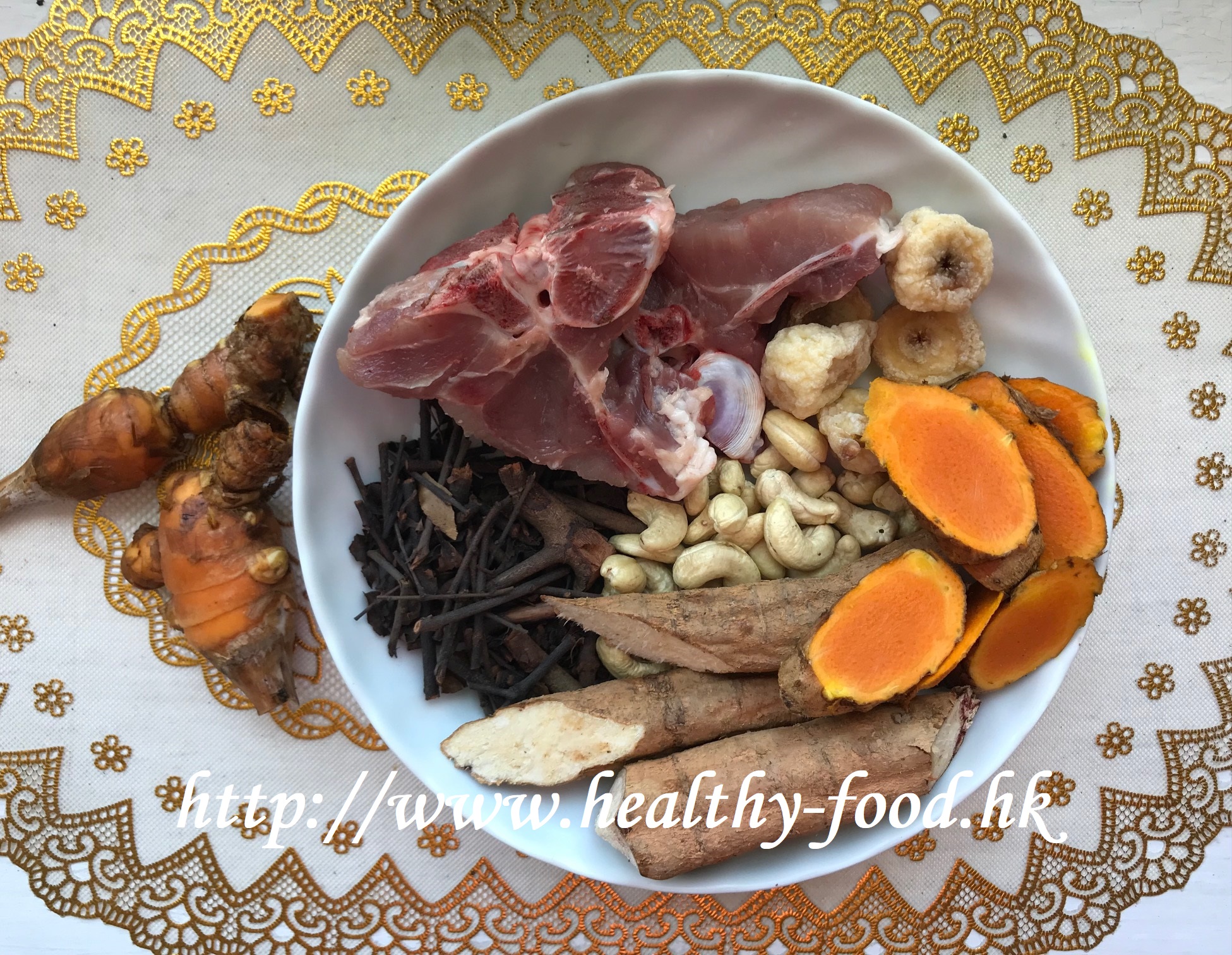
When damp, chilly weather arrives, many people — especially as they get older — start noticing that familiar ache in their knees and lower back, or find their joints stiff in the morning. Nourilo spotted a bundle of wild niu da li root at the Chinese herbal medicine shop, then noticed sinew-relaxing herb and a box of steamed mulberry mistletoe right beside it. The steamed preparation of sang ji sheng is prized because it is gentler in taste yet delivers a fuller nourishing effect. Paired with green-kernel black soybeans, which are traditionally associated with supporting the liver and kidneys, this rich soup has been used in Cantonese households to look after the lower back, knees, and general sinew health.
Method
- Blanch the pig tail bone in a pot of boiling water for 2–3 minutes, then drain and rinse. This removes any off odours.
- Rinse and briefly soak the niu da li root, mulberry mistletoe, sinew-relaxing herb, and black soybeans.
- Place all ingredients in a soup pot with 2.4 L of water.
- Bring to a boil, then reduce to a gentle simmer and cook for 2 hours.
- Serve the broth warm. The soup ingredients may also be eaten.
Nourilo’s Tips
This soup is traditionally described as dispelling wind-cold, reducing swelling, relaxing sinews, and supporting blood circulation. It is associated in folk medicine with supporting people who experience weakness in the limbs, puffiness, or recovery from strains. Pregnant women must avoid it. If you would like the soup slightly sweeter, you can add 2 honey dates (mi zao) when cooking without meat; do not add them if cooking with pork. Dried tangerine peel (chen pi) can also be added for fragrance.



Comments
Join the conversation — sign in or create a free account to comment.
Continue with GoogleLoading comments…