Soups
Lily Bulb and Job's Tears Soup
Traditionally used to ease joint discomfort and support uric acid management
Why people make this soup
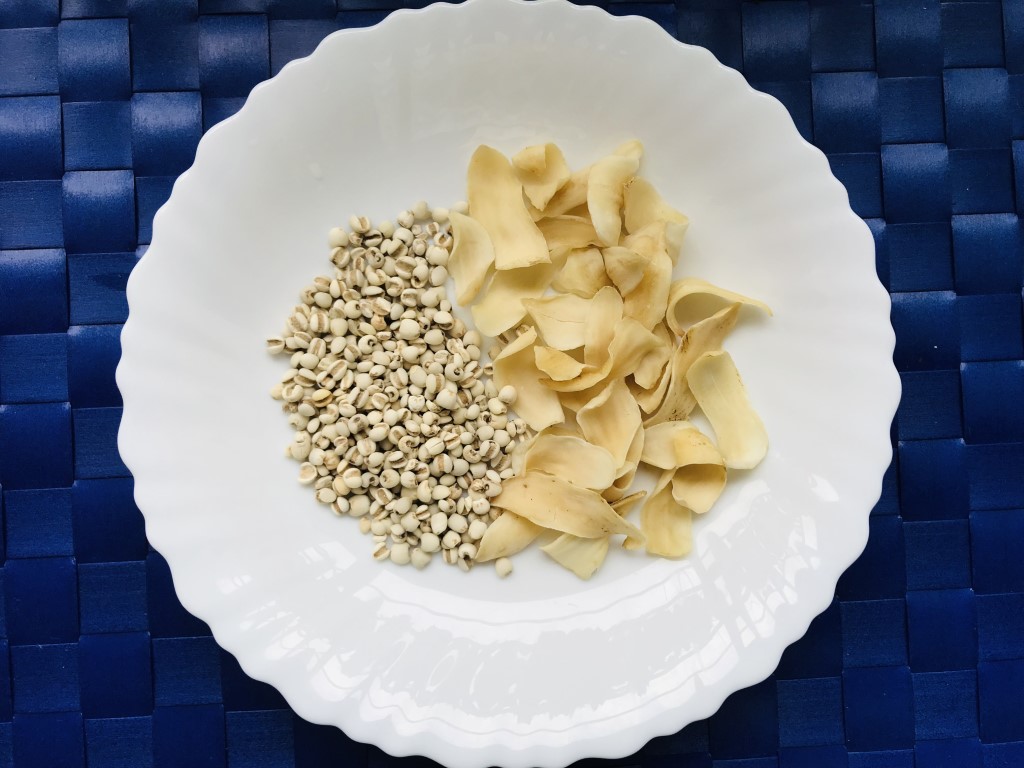
Gout flares up suddenly — red, hot, swollen joints, most often in the toes or ankles — and can be genuinely debilitating. It happens when uric acid crystals build up in the joint spaces, often triggered by foods high in purines: shellfish, organ meats, most legumes, mushrooms, and alcohol. Beyond diet changes and staying well hydrated, Cantonese food-therapy traditions have long turned to lily bulb (bai he) and job’s tears (sheng yi mi) as a gentle, daily-use brew to support the body’s fluid metabolism and ease joint discomfort. Lily bulb contains colchicine and related compounds, which have been shown to help reduce inflammation. Job’s tears are one of the most commonly used ingredients in Chinese wellness cooking for clearing dampness and supporting the urinary system.
Who it suits / who should be cautious
- Suitable for those managing elevated uric acid or recovering between gout flares
- Also traditionally considered helpful for fibroid tumours and as a general anti-inflammatory food
- Those with a cold or weak spleen-stomach constitution (frequent loose stools, feeling easily chilled) should use with caution
- Those with frequent night urination should use with caution
- This soup is a dietary support measure; it does not replace medical treatment for gout
Why these ingredients (the food-therapy logic)
- Lily bulb (bai he): Contains natural colchicine-like compounds; traditionally used to clear heat and ease joint pain; associated in modern research with anti-inflammatory activity
- Job’s tears / pearl barley (sheng yi mi): Traditionally prized for draining dampness and promoting urination; associated with relieving fluid retention, easing muscular stiffness, and supporting metabolic clearance
- Rock sugar (optional): Adds a mild sweetness that softens the slightly starchy flavour of the barley
Ingredients (2 bowls)
| Ingredient | Amount | Notes |
|---|---|---|
| Dried lily bulb (bai he) | 38 g | Rinse and soak 20 min before use |
| Raw job’s tears (sheng yi mi) | 75 g | Rinse and soak 30 min before use |
| Rock sugar | To taste | Add near end of cooking |
Method
- Rinse the lily bulb and job’s tears, then soak separately in cold water for 20–30 minutes. Drain and discard the soaking water.
- Place both ingredients in a pot with 6 bowls (about 1.2 litres) of fresh water.
- Bring to a boil, then reduce to a medium simmer for 1 hour until the liquid reduces to about 2 bowls.
- Add rock sugar to taste and stir until dissolved.
- Serve warm, eating the lily bulb and job’s tears along with the broth.
Bro Niu’s tips
This soup is light and pleasantly fragrant — a small addition of rock sugar makes it feel more like a dessert drink, which helps with regular use. Gout patients should also be mindful of their overall diet: whole grains (including brown rice and black rice) are generally fine, but most legumes apart from red adzuki beans should be kept to a minimum.
Community questions answered (selected)
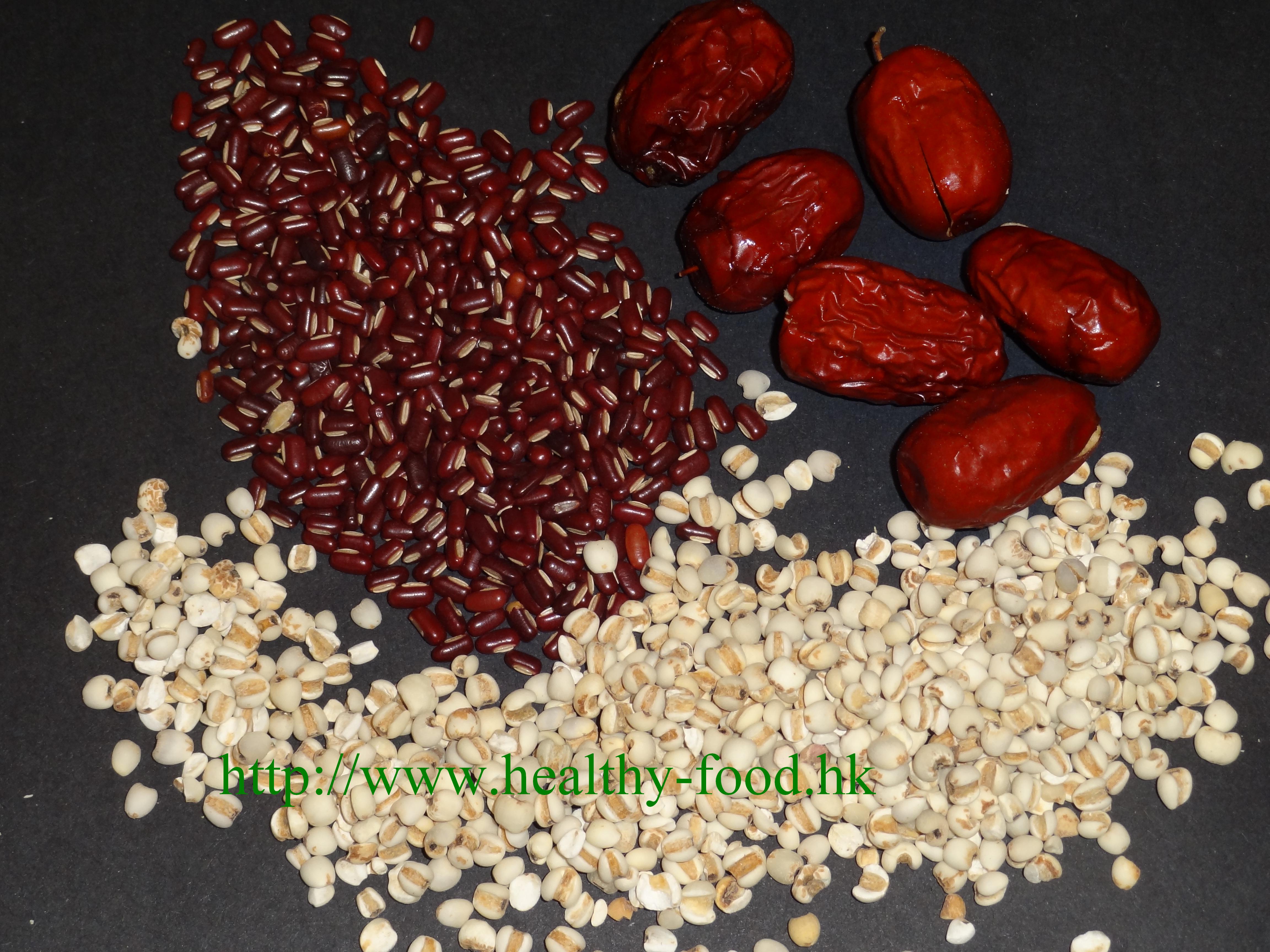
- Q (reader): Is it okay for gout patients to eat red rice, brown rice, and black rice? Bro Niu: Yes, gout patients can eat whole grain foods. Among beans, red adzuki beans are fine; other beans are best kept to a minimum.
Published August 4, 2022 · Adapted and translated for Nourilo from a traditional home-kitchen recipe. Approx. 3 min read.