Herbal & Flower Teas
Astragalus, Codonopsis, and Bitter Buckwheat Tea
Traditionally used to replenish qi and blood, support immune function, and aid recovery during cancer treatment
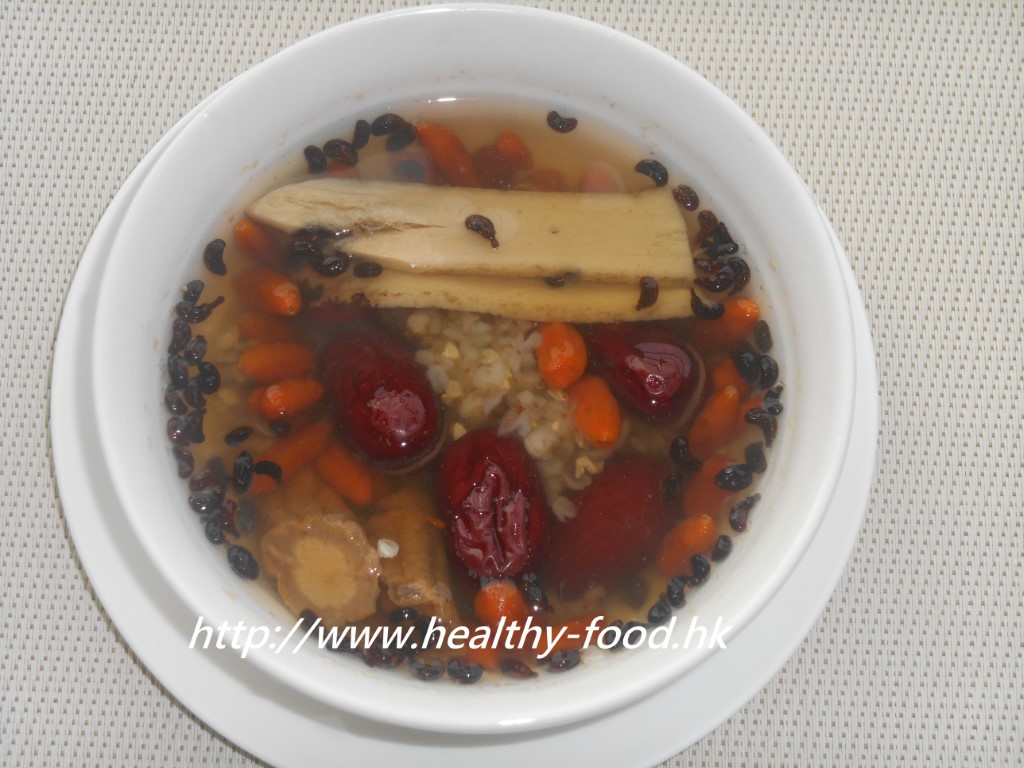
Why people make this tea
Cancer touches many families, and alongside conventional treatment, a growing number of people look to traditional food therapy for everyday support. Research estimates that roughly one-third of cancers may be preventable through lifestyle choices including diet. Traditional Chinese food therapy has long emphasised eating whole grains, vegetables from the gourd and root families, and foods with antioxidant and anti-inflammatory properties. This particular tea brings together some of the most respected immunity-supporting herbs in the Chinese pharmacy: astragalus for qi, codonopsis as a gentle tonic, ligustrum and goji for liver-kidney nourishment, and bitter buckwheat — also called golden buckwheat — whose anti-tumour compounds have attracted significant scientific interest. Together they form a tea that is neither cold nor drying, and that can be drunk comfortably during chemotherapy or radiotherapy.
Who it suits / who should be cautious
- Suitable for adults who want everyday immune support, as well as cancer patients undergoing or recovering from chemotherapy or radiotherapy.
- Gentle enough for regular use; neither overly warming nor cooling.
- Cancer patients taking anti-coagulant medication or other prescription drugs should check with their oncologist before adding herbal teas to their routine.
- This is supportive food therapy only — please do not reduce or stop prescribed cancer treatment.
Why these ingredients (the food-therapy logic)
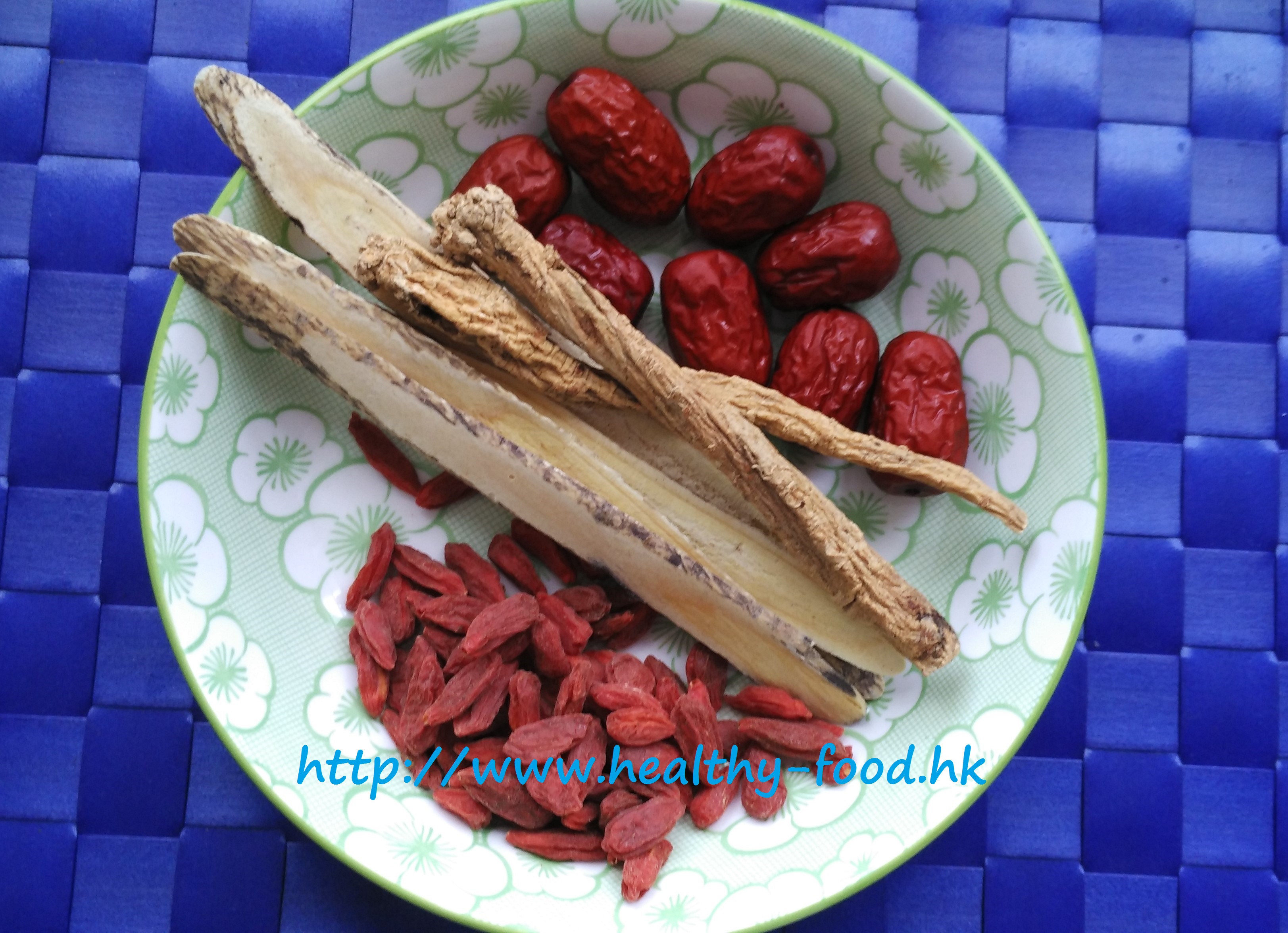
- Astragalus (bei qi / huang qi): One of the most widely researched Chinese immune-supportive herbs. Traditionally associated with tonifying wei qi (defensive energy), strengthening the lungs and spleen, and raising vitality. At moderate doses (3 qian), it has a balancing rather than strongly stimulating effect.
- Codonopsis root (dang shen): A gentler qi tonic than ginseng, suitable for regular use. Supports the spleen and lung, helps maintain energy and appetite.
- Ligustrum berry (nu zhen zi): Traditionally associated with nourishing liver and kidney yin. Used in Chinese medicine to support immune function and reduce the side effects of prolonged illness or treatment.
- Goji berries (gou qi zi): Rich in antioxidants; nourish liver and kidney, support vision and general wellbeing.
- Bitter buckwheat (ku qiao mai / Fagopyrum tataricum): Distinguished from common sweet buckwheat by a higher concentration of rutin and other bioactive compounds associated with anti-cancer properties in preliminary research. Available as bitter buckwheat tea bags in many Chinese health shops.
- Red dates (hong zao): Harmonise the formula, tonify qi and blood, and add a natural sweetness.
Ingredients (2 bowls — 1 day’s supply)
| Ingredient | Amount | Notes |
|---|---|---|
| Astragalus root (bei qi) | 3 qian (~11 g) | Rinse and soak briefly |
| Codonopsis root (dang shen) | 3 qian (~11 g) | Rinse and soak briefly |
| Ligustrum berry (nu zhen zi) | 2 qian (~8 g) | Rinse and soak briefly |
| Goji berries (gou qi zi) | 2 qian (~8 g) | Rinse |
| Bitter buckwheat (ku qiao mai) | 3 qian (~11 g) | Or 1 bitter buckwheat tea bag |
| Red dates (hong zao) | 4 pieces | — |
| Water | 5 bowls (approx. 1.25 litres) | — |
Method
- Rinse and briefly soak all ingredients.
- Place all ingredients into a pot with 5 bowls of water.
- Bring to a boil, then reduce to a gentle simmer.
- Simmer for 1 hour until liquid reduces to 2 bowls.
- Divide into two portions and drink throughout the day.
Bro Niu’s tips
Buckwheat comes in two varieties: sweet buckwheat and bitter buckwheat (also called golden buckwheat). The bitter variety has a higher concentration of the plant compounds associated with anti-cancer properties, so it is preferred for this recipe. Look for it in Chinese herbal medicine shops or health stores — some now sell it conveniently as tea bags, which you can simply add to the pot along with the other ingredients. This tea is balanced and not over-stimulating, making it suitable as an ongoing support drink during chemotherapy or radiotherapy. For patients where nu zhen zi (ligustrum) is a concern, note that it does not contain plant hormones — the Chinese herbs that do contain phyto-oestrogens include zi he che, yan wo, du zhong, and dang gui.
Community questions answered (selected)
-
Q (Christine): My family member has throat cancer and is halfway through 35 radiotherapy sessions. Can they drink a pear, red jujube, and codonopsis soup? Bro Niu: Yes, that is a good choice for throat cancer radiotherapy patients who will be experiencing a great deal of discomfort. I would suggest adding some bitter buckwheat to balance the warming nature of the codonopsis, and because buckwheat contains anti-cancer compounds. Some health shops sell convenient bitter buckwheat tea bags — just add one to the pot.
-
Q (Yan513): My father has rectal cancer and also gout, so he cannot eat asparagus, mushrooms, or legumes that would otherwise help boost his white blood cells. What can he take? Bro Niu: Try: codonopsis (dang shen) 3 qian, goji berries 3 qian, figs (wu hua guo) 4 pieces, red-skin peanuts (hong yi hua sheng) 1 liang, red dates 5 pieces — 5 bowls of water simmered to 2 bowls, three times a week. This combination supports platelet and white blood cell production without triggering gout.
-
Q (May): Is 5 qian of codonopsis and 3 qian of astragalus a single-person serving? Bro Niu: Yes, for the purpose of cancer prevention and support, those amounts are for one person. You can increase the codonopsis slightly — astragalus at 3 qian is fine; at small doses it gently supports rather than over-stimulates blood pressure.
Published December 11, 2020 · Adapted and translated for Nourilo from a traditional home-kitchen recipe. Approx. 4 min read.