Home-Style Dishes
Glehnia Root, Polygonatum, and Duck Stew
Traditionally used to nourish lung-stomach yin, ease thirst, and support those with hyperthyroidism-related wasting
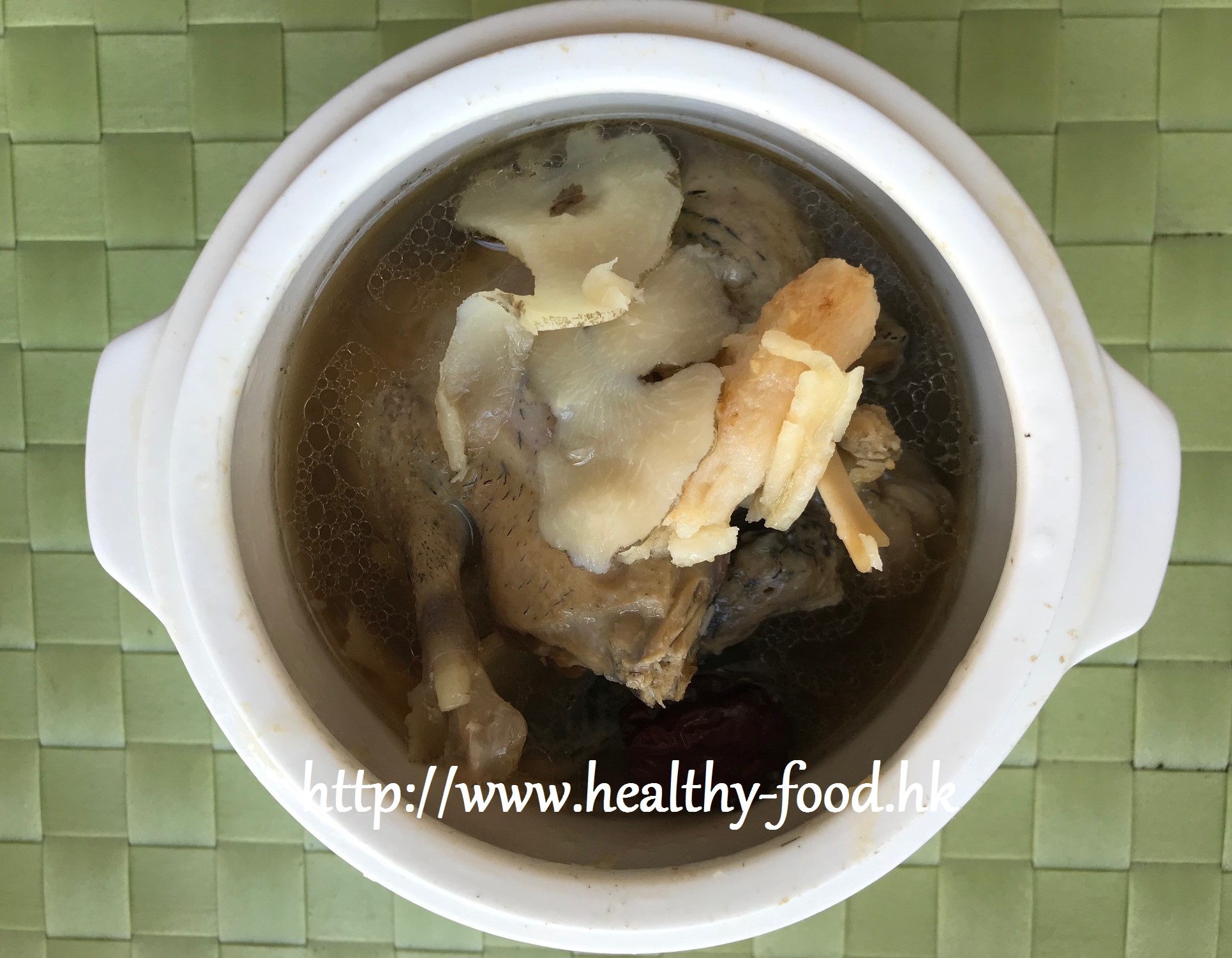
Why people make this stew
Thyroid disorders are surprisingly common, and in recent years Bro Niu has noticed more and more readers reaching out about hyperthyroidism (overactive thyroid) in particular. From a traditional Chinese medicine perspective, hyperthyroidism often involves a pattern of yin deficiency — the body’s cooling, nourishing resources are depleted, leading to visible weight loss (especially in the arms and thighs), persistent fatigue, feelings of internal heat, excessive thirst, and dry cough. Duck is one of the most yin-nourishing meats in Chinese food therapy, considered cool in nature and well-suited for those with heat-related conditions. When combined with glehnia root and polygonatum (both prized for moistening lung and stomach yin), the result is a stew that is delicately flavoured, deeply nourishing, and appropriately cooling for the hyperthyroid constitution. The same stew is also well suited for people with diabetes or yin deficiency with heat signs.
Who it suits / who should be cautious
- Particularly well suited for those with hyperthyroidism showing signs of yin deficiency: notable weight loss, muscle wasting, fatigue, thirst, and dry cough.
- Also suitable for diabetes and general yin deficiency with internal heat.
- Suitable for the whole family as a nourishing everyday dish, even for those without thyroid issues.
- CAUTION: Those with an active cold, flu, or exterior fever should not consume this dish until fully recovered.
- Breastfeeding mothers can enjoy this dish — if concerned about the mild qi-regulating effect of dried tangerine peel, simply substitute fresh ginger or discard the peel before eating.
Why these ingredients (the food-therapy logic)
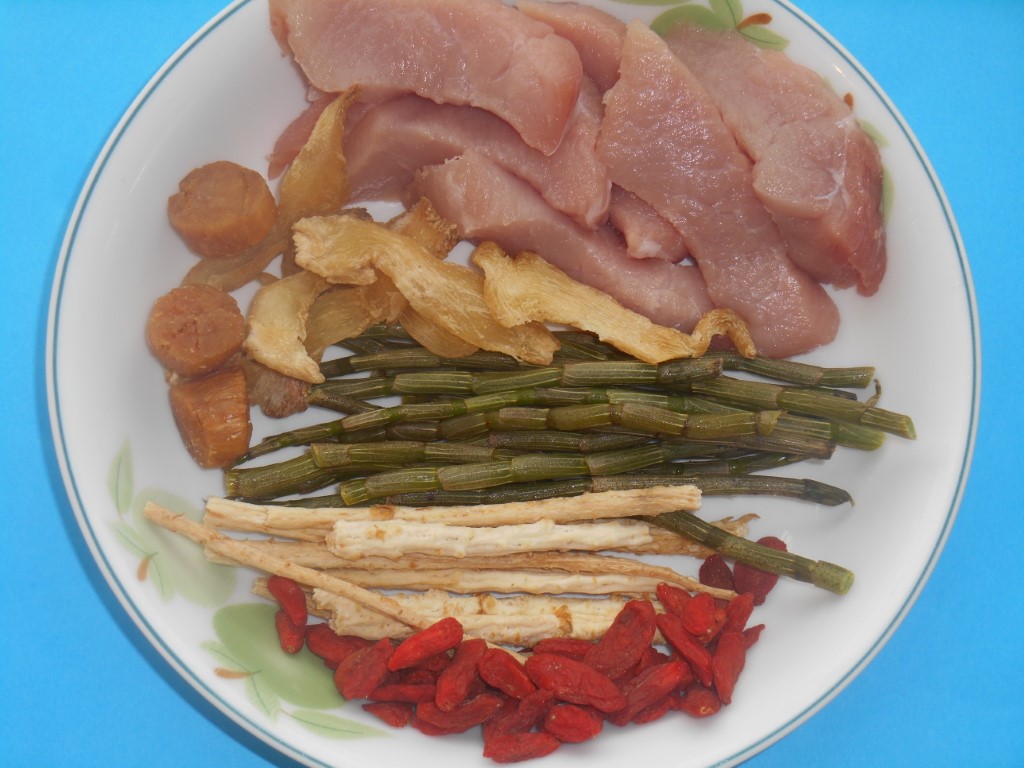
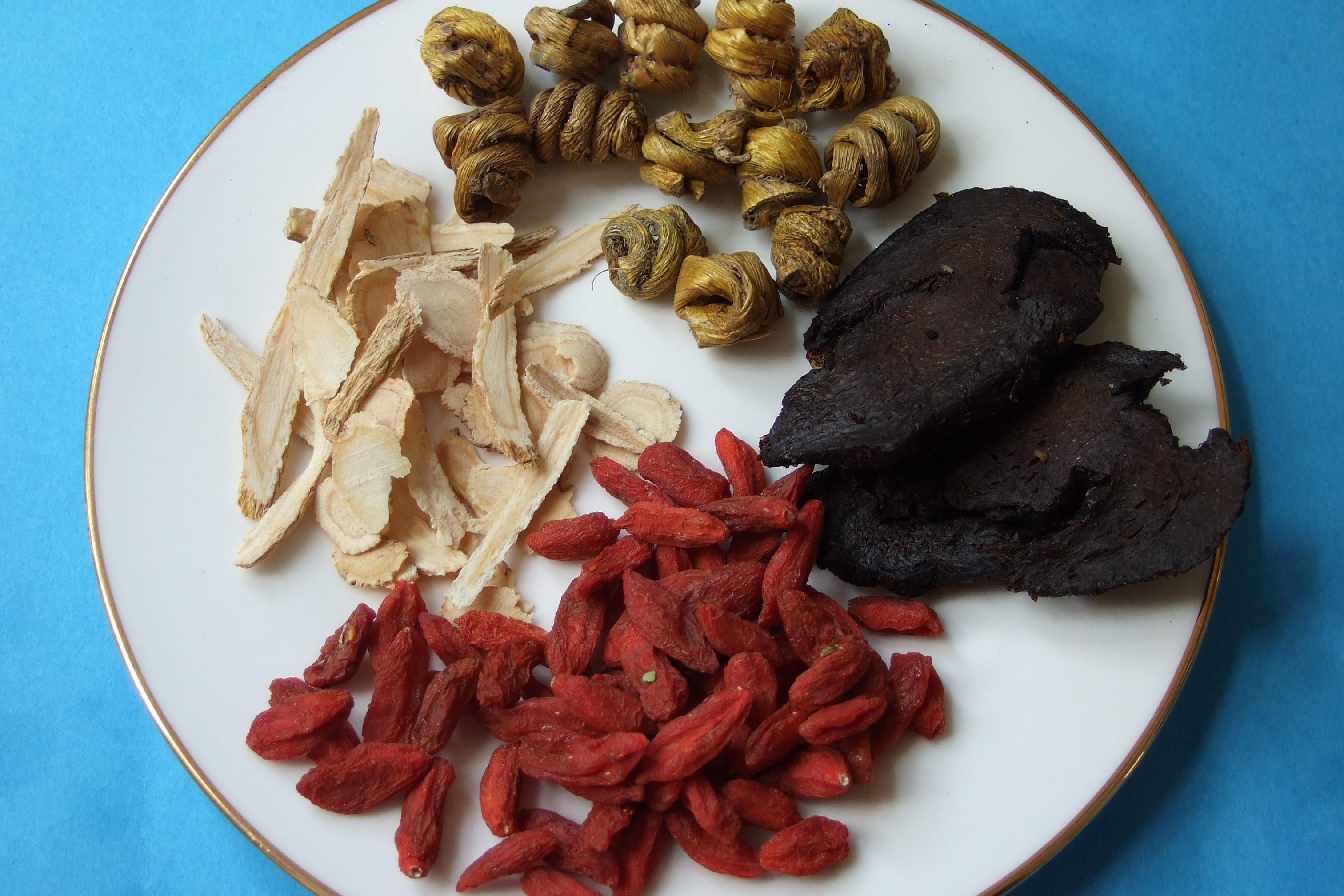
- Glehnia root (sha shen): A moistening herb that nourishes lung and stomach yin, relieves dryness and thirst, and calms dry cough. Commonly used for yin-deficient patterns regardless of underlying cause.
- Polygonatum rhizome (hai yu zhu / Polygonatum odoratum): Nourishes stomach yin and lung yin, relieves thirst, and is associated with supporting energy in cases of weakness and emaciation. Gentle in action, suitable for regular use.
- Dried tangerine peel (chen pi): Regulates qi, supports digestion, and prevents the richness of the duck from causing stagnation. A small amount goes a long way.
- Duck: Cool in nature in Chinese food therapy, nourishing to the yin, and an excellent protein source. Water duck (shui ya) is traditionally preferred for its lighter, more cooling character; regular chilled duck or a substitute protein is also suitable.
Ingredients (approx. 3 bowls)
| Ingredient | Amount | Notes |
|---|---|---|
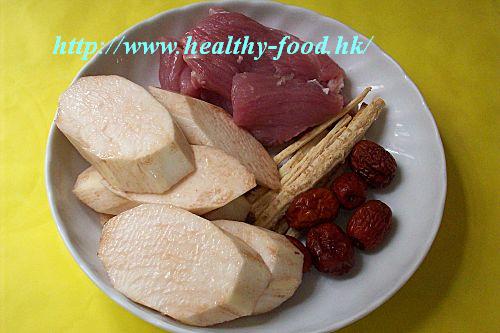
| Glehnia root (sha shen) | 5 qian (~19 g) | Rinse and soak briefly |
| Polygonatum rhizome (hai yu zhu) | 5 qian (~19 g) | Rinse and soak briefly |
| Dried tangerine peel (chen pi) | 1 piece | Rinse briefly |
| Duck (shui ya or equivalent) | 1 whole bird | Clean, blanch in boiling water, drain |
| Boiling water | 3 bowls | — |
Method
- Rinse and briefly soak the glehnia root, polygonatum, and tangerine peel; set aside.
- Clean the duck thoroughly; blanch in boiling water for a few minutes to remove impurities; drain and set aside.
- Place all ingredients into a double-boiler pot (dun zhong) or a deep heatproof bowl suitable for steaming.
- Add 3 bowls of boiling water.
- Cover and place over a pot of simmering water; double-boil for 2–3 hours.
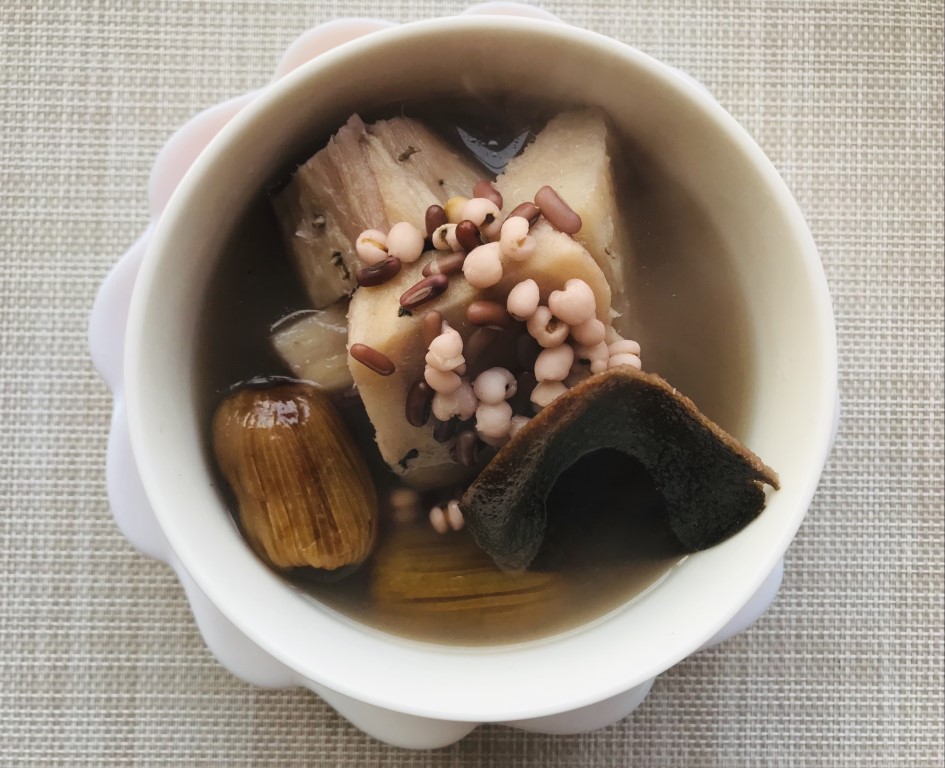
- Serve the stew and eat the solid ingredients together.
Bro Niu’s tips
This dish is naturally sweet and flavourful — the clean, slightly cool character of duck pairs beautifully with the moistening herbs. The whole family can enjoy it even if they have no thyroid concerns, making it a practical year-round dish. Double-boiling (rather than open-pot simmering) produces a cleaner, more delicate broth and is the preferred method here. For breastfeeding mothers: the tangerine peel has a mild effect on milk production; substituting fresh ginger or simply discarding the peel after cooking is a sensible precaution.
Community questions answered (selected)
-
Q (Emma): Can a breastfeeding mother drink this stew? Bro Niu: Yes, breastfeeding mothers can enjoy this. Chen pi (tangerine peel) has a mild milk-reducing effect; you can substitute fresh ginger in its place, or simply not eat the peel after cooking.
-
Q (May): Can partridge be used instead of water duck? Can this be cooked as a regular soup (boiled) rather than double-boiled? Bro Niu: Both partridge and water duck are beneficial. You can use either. Double-boiling produces a lighter, cleaner broth, and requires slightly more time than open-pot simmering, but both methods work.
-
Q (Ann Li): Fresh water duck and partridge can be hard to find — what other poultry can I use? Bro Niu: Chilled and frozen water duck and partridge are available at Asian or Chinese grocery stores and specialist frozen meat suppliers. Regular duck or chicken makes a fine substitute if neither can be found.
Published December 25, 2020 · Adapted and translated for Nourilo from a traditional home-kitchen recipe. Approx. 4 min read.