Home-Style Dishes
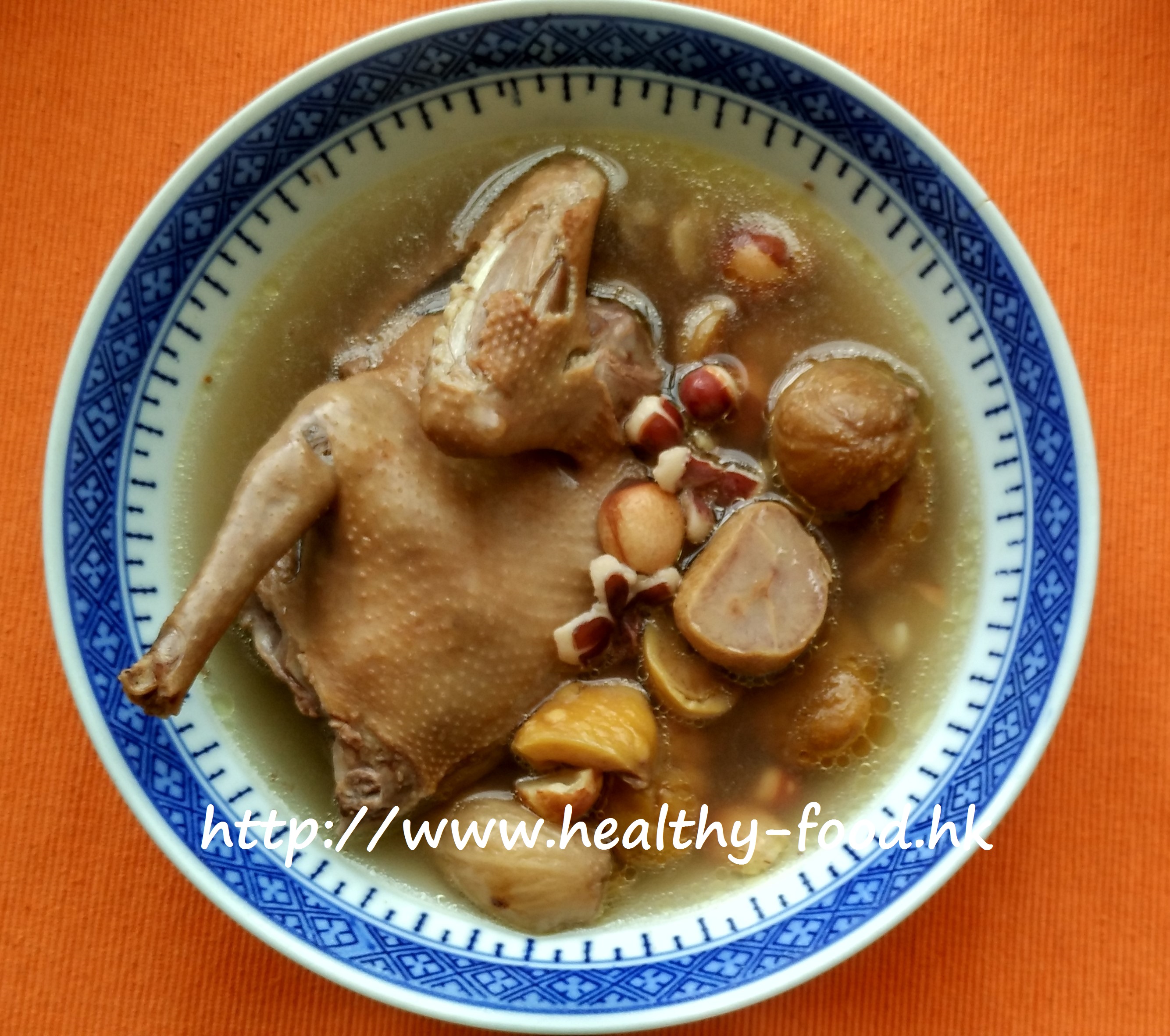
Huai Shan, Poria, Lotus Seed and Euryale Double-Steamed Free-Range Chicken
Traditionally used to strengthen the spleen, resolve dampness, nourish the kidney, and support mental clarity
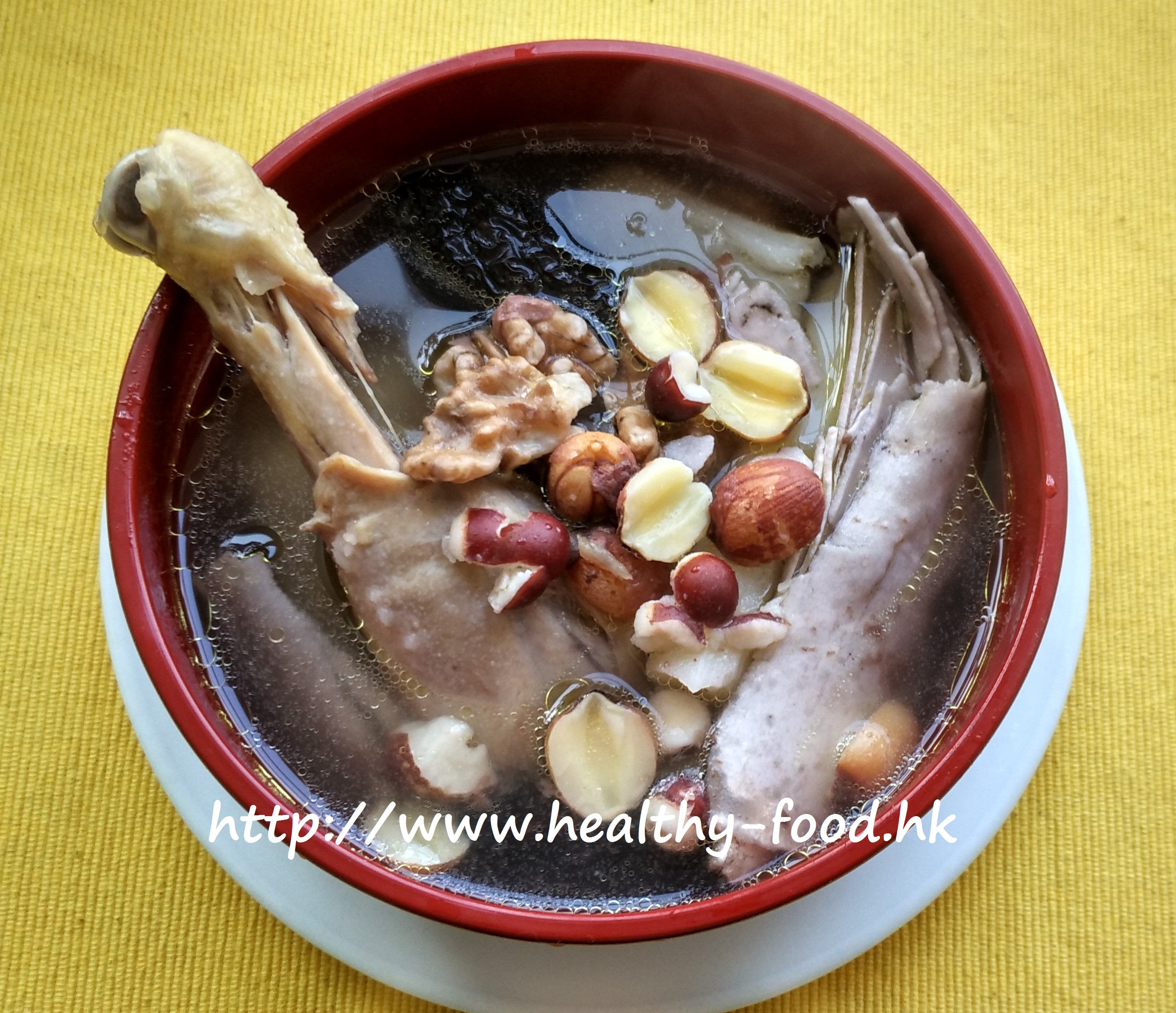
Why people make this dish
Bro Niu recalls a memorable meal during a trip to mainland China — a restaurant specialty called “eight treasure braised earth chicken” (八珍炖土鸡). The herbs barely announced themselves, yet the aroma from the chicken was extraordinary, deeply fragrant with dang gui and dang shen. The whole bird disappeared before anyone expected it to. That memory inspired this recipe: a gentler, everyday version that keeps the spirit of the original — rich-tasting, deeply nourishing chicken braised slowly with classic spleen-and-kidney supporting herbs. He uses organic free-range chicken (清远有机鸡 is one he favours) because the meat has a more concentrated flavour that stands up to the long steaming time. The result is a dish that is warming, subtly herbal, and genuinely restorative.
Who it suits / who should be cautious
- Those who sit for long hours, take little exercise, or feel persistently tired, mentally foggy, or run-down
- Children and teenagers: traditionally this combination is associated with supporting healthy growth, mental sharpness, and physical development
- Suitable for the whole family; can be made twice a week
- Not suitable during active colds, fever, or acute illness
Why these ingredients (the food-therapy logic)
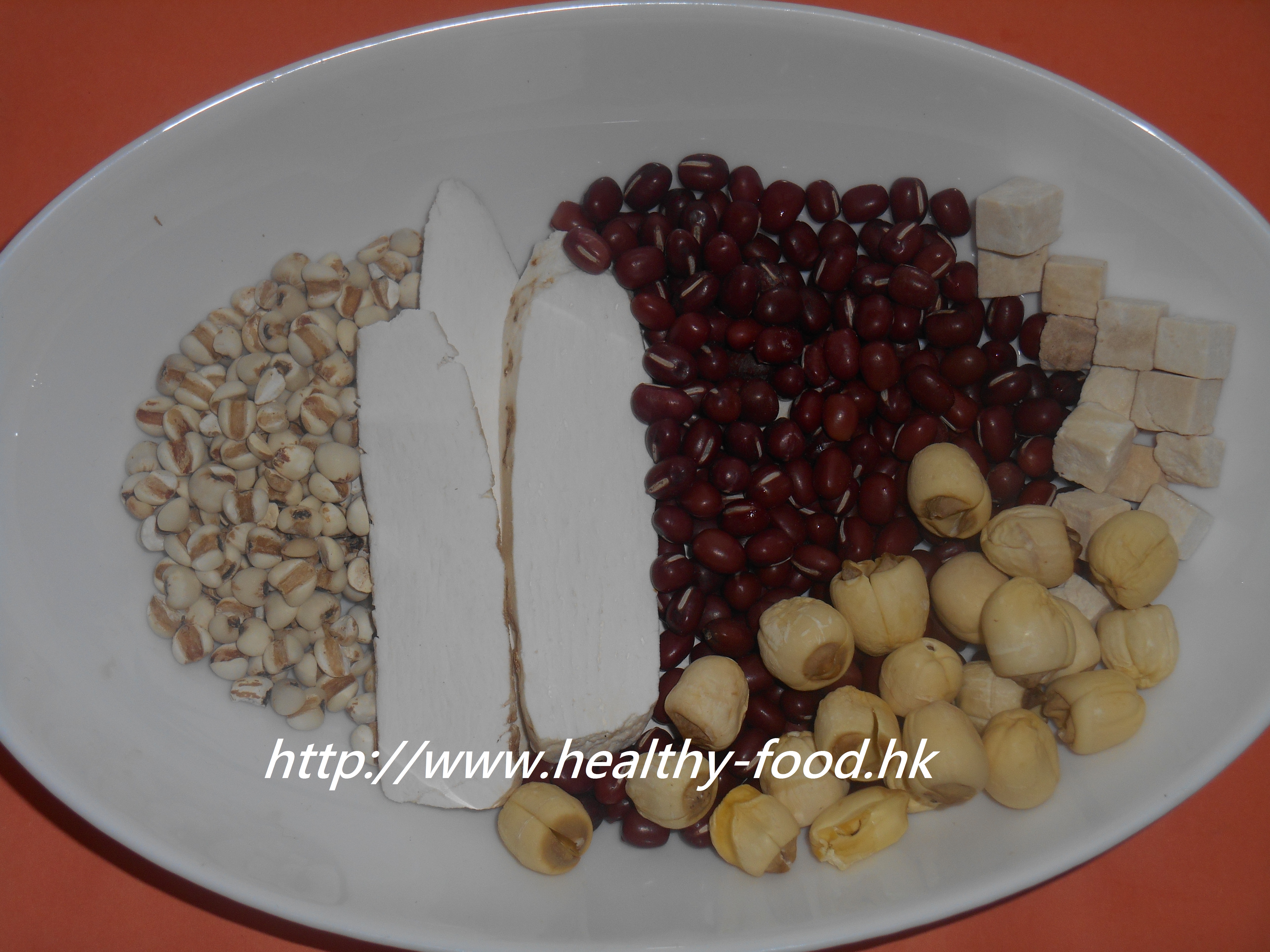
- Fresh Chinese yam (xian huai shan): Nourishes the spleen, lungs, and kidney; its mucilaginous compounds support vascular health; a gentle, effective everyday tonic
- Poria (fu ling, also called yun ling or yun fu ling): One of the fundamental spleen-strengthening and dampness-resolving herbs; also calms the mind and supports restful sleep
- Lotus seeds (lian zi): Nourish the heart and calm the mind; help the spleen and support healthy digestion
- Euryale seeds (qian shi): Support kidney and spleen function; help the body retain nutrients and consolidate energy; frequently paired with lotus seeds for a combined spleen-kidney tonic effect
- Walnut kernels (he tao rou): Traditional kidney and brain tonic; rich in healthy fats and phosphorus; supports mental focus
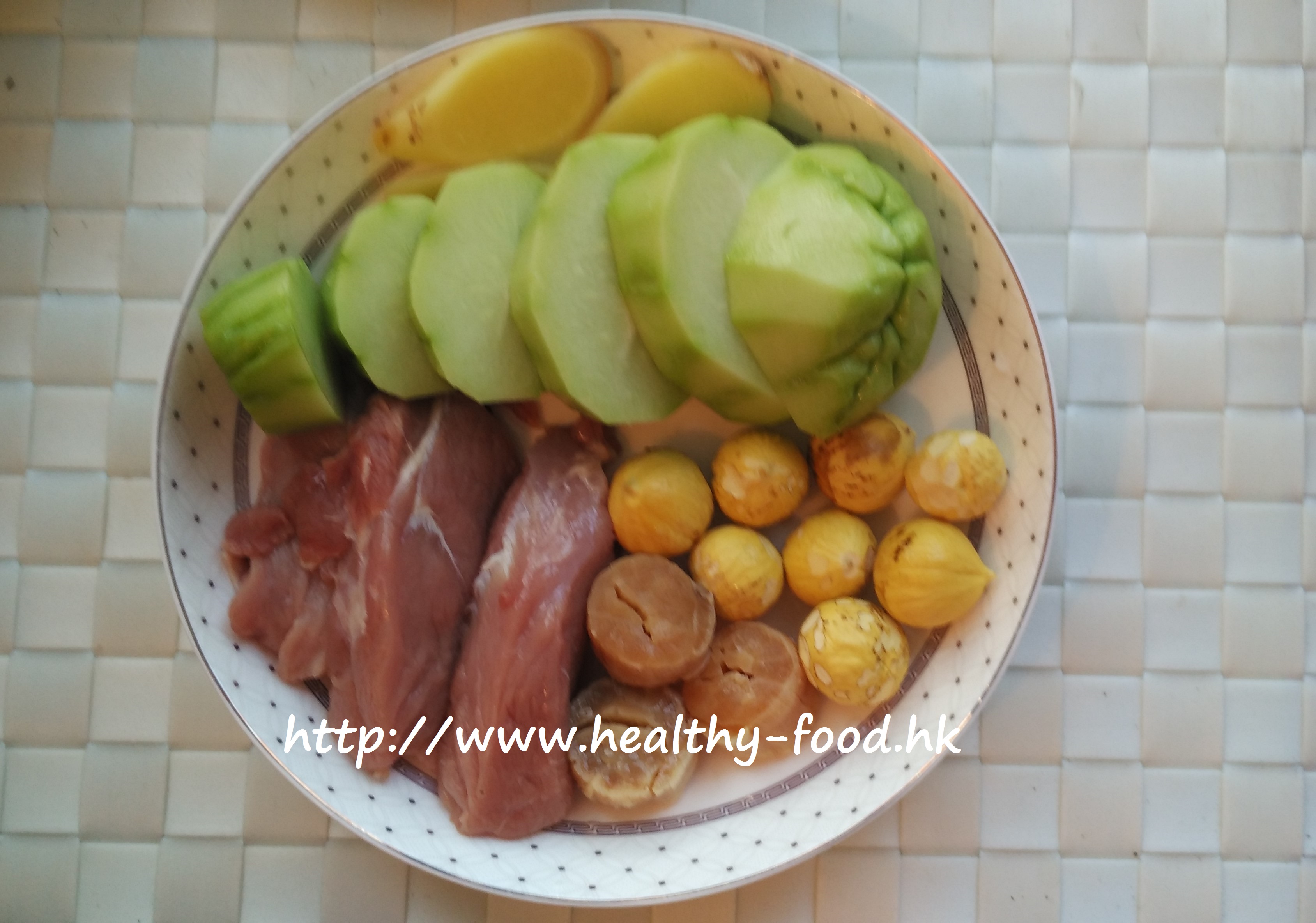
- Nan dates (nan zao): A mild, gently sweet date that nourishes the blood without the warming intensity of longan; also adds pleasant flavour
- Free-range chicken: Higher in flavour compounds and generally leaner than intensively reared birds; removes the skin before cooking to reduce fat
Ingredients (1 pot / 3–4 servings)
| Ingredient | Amount | Notes |
|---|---|---|
| Fresh Chinese yam (xian huai shan) | ~112 g (3 liang) | Peel, rinse, and cut into chunks |
| Poria (fu ling) | ~18 g (5 qian) | Soak and rinse; dried huai shan 1 liang can substitute if no fresh |
| Lotus seeds (lian zi) | ~37 g (1 liang) | Soak and rinse |
| Euryale seeds (qian shi) | ~37 g (1 liang) | Soak and rinse |
| Walnut kernels (he tao rou) | 6 pieces | Rinse |
| Nan dates (nan zao) | 4 pieces | Rinse; substitute with black dates or red dates or 4 figs if unavailable |
| Fresh ginger | 3 slices | |
| Free-range or organic chicken | half a bird (~600–700 g) | Remove skin; chop into pieces; blanch briefly |
Method
- Remove the skin from the chicken and chop into pieces. Blanch in boiling water for a few minutes to remove impurities. Drain.
- Peel the fresh huai shan and cut into chunks.
- Soak and rinse the poria, lotus seeds, and euryale seeds.
- Place all ingredients into a double-steaming pot (炖盅). Pour in 3 to 4 bowls of freshly boiled water to cover.
- Place the pot in a larger vessel with water and double-steam (隔水炖) over medium heat for 3 hours.
- Serve directly from the steaming pot. Eat the chicken and some of the herbs alongside the broth.
Bro Niu’s tips
This dish tastes naturally sweet and clear — good enough that the whole pot tends to disappear quickly. It is especially recommended for children’s growth and development, supporting both physical strength and mental sharpness. For those who cannot find a double-steaming pot (炖盅), a regular covered pot with a gentle 2.5 to 3 hour simmer also works. If fresh huai shan is not available, substitute with 1 liang of dried huai shan. If nan dates are hard to find, black dates, red dates, or figs work equally well. Avoid during fever or colds.
Community questions answered (selected)
-
Q (Manni): I live abroad and cannot find fresh huai shan. Can I use dried? Bro Niu: Yes, use 1 liang of dried huai shan as a substitute.
-
Q (Bobby): I bought a wild British pheasant. Can I use it for this recipe instead of earth chicken? Bro Niu: Wild pheasant is even better than earth chicken — it is lean, full of flavour, and highly nourishing. The tonic effect will be stronger.
-
Q (June): Is poria (fu ling) the same as yun ling (云苓)? Can I substitute one for the other? Bro Niu: Poria (fu ling) is also called yun fu ling or simply yun ling — they are exactly the same herb. Use either name at the herb shop and you will get the same thing.
Published April 10, 2018 · Adapted and translated for Nourilo from a traditional home-kitchen recipe. Approx. 4 min read.