Soups
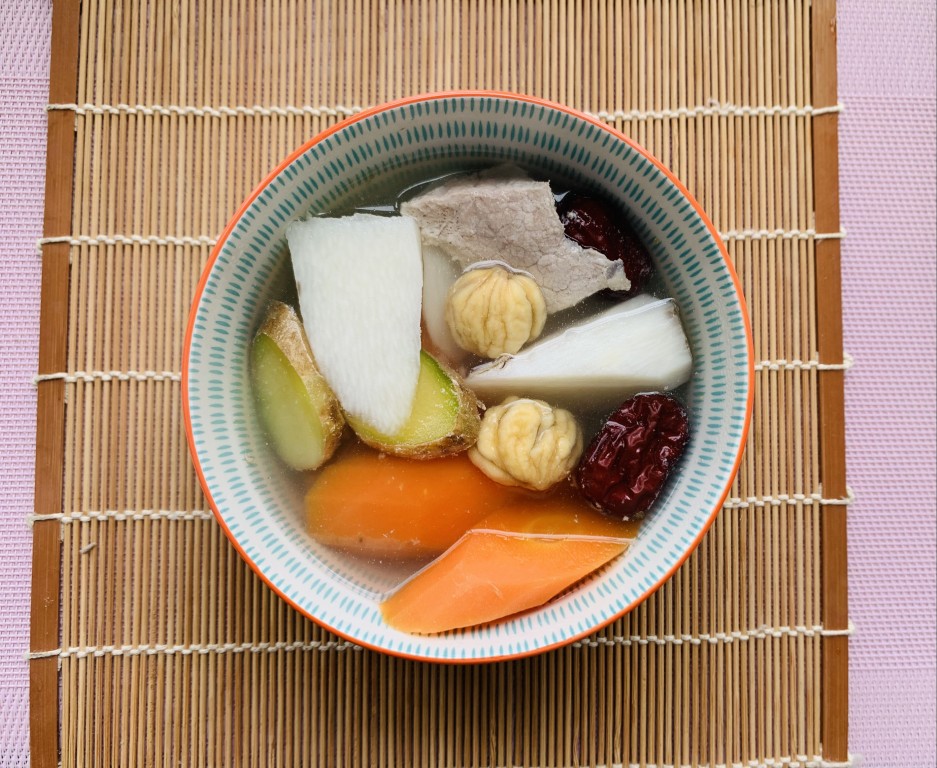
Chayote, Chestnut & Dried Scallop Pork Soup
traditionally used to nourish yin, moisten dryness, and support spleen and kidney health

Why people make this soup
Autumn in Cantonese food therapy is the season for gentle nourishment — particularly the kind that moistens dryness and gradually replenishes the reserves of yin energy depleted by summer heat. The ideal autumn soup is clear and restorative without being heavy or overly warm. This one fits perfectly.
Chayote (also called christophene, mirliton, or Buddha’s hand squash in different parts of the world) is a remarkably nutritious vegetable. Among squash and gourd varieties, it has an unusually complete nutritional profile: protein, fat, fiber, riboflavin, iron, calcium, phosphorus, and notably high zinc content. That zinc level makes it of particular interest for children’s cognitive development, for fertility support in both sexes, and for older men experiencing decreased vitality. Paired with chestnut and dried scallop, it forms a soup that is naturally sweet, deeply savory, and nourishing at multiple levels.
Who it suits / who should be cautious
- Suited to most people as a general seasonal tonic, particularly in autumn and early winter
- Those with kidney failure, gout, or diabetes should omit the dried scallop (which is high in purines) but may enjoy the rest of the soup
- Pregnant women may drink this soup — it is gentle and well-balanced
- For kidney, gout, or uric-acid concerns, simply leave out the yao zhu and the soup remains beneficial
Why these ingredients (the food-therapy logic)
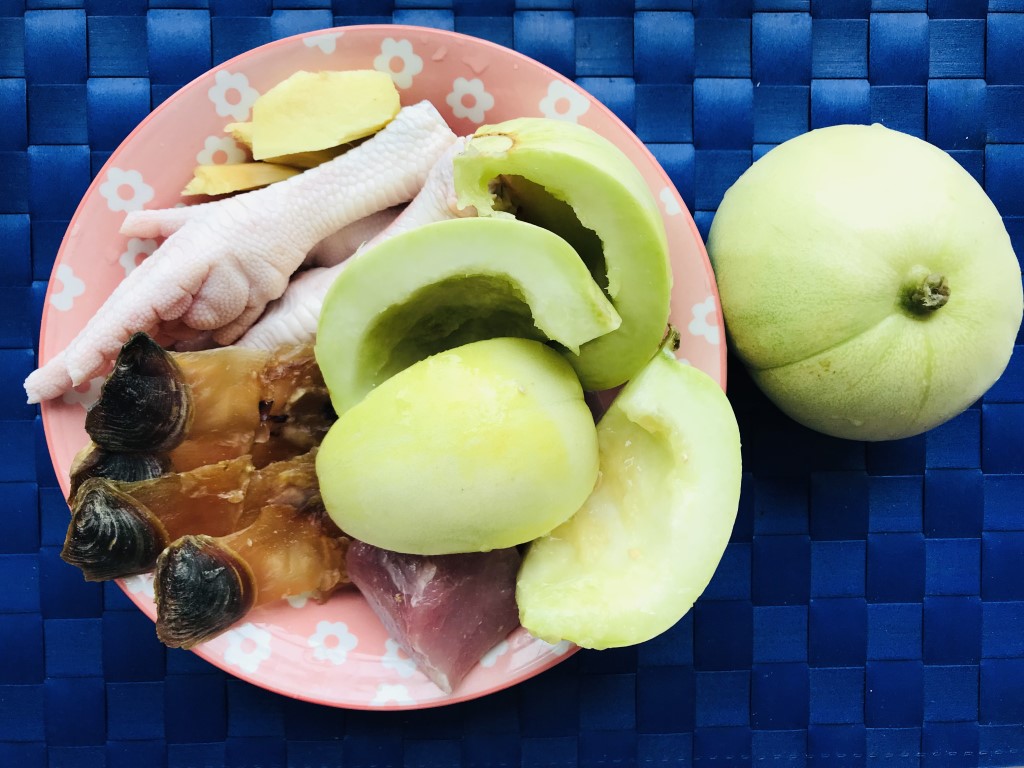
- Chayote (he zhang gua): Nutritionally comprehensive among gourds; its notably high zinc content traditionally links it to supporting the kidneys (which govern reproduction and development in Chinese medicine), and its collagen-like sap has long been considered beneficial for skin. When peeling chayote you will notice a sticky, gel-like sap — this is a natural plant polysaccharide and is considered the most valuable part; do not rinse it away, just give a quick rinse under running water
- Chestnut (li zi): The classic kidney-nourishing nut in Chinese food therapy. Sweet and warming, chestnuts are traditionally said to strengthen the knees and lower back, support bone health, and tonify the spleen. Brief blanching in boiling water makes peeling much easier
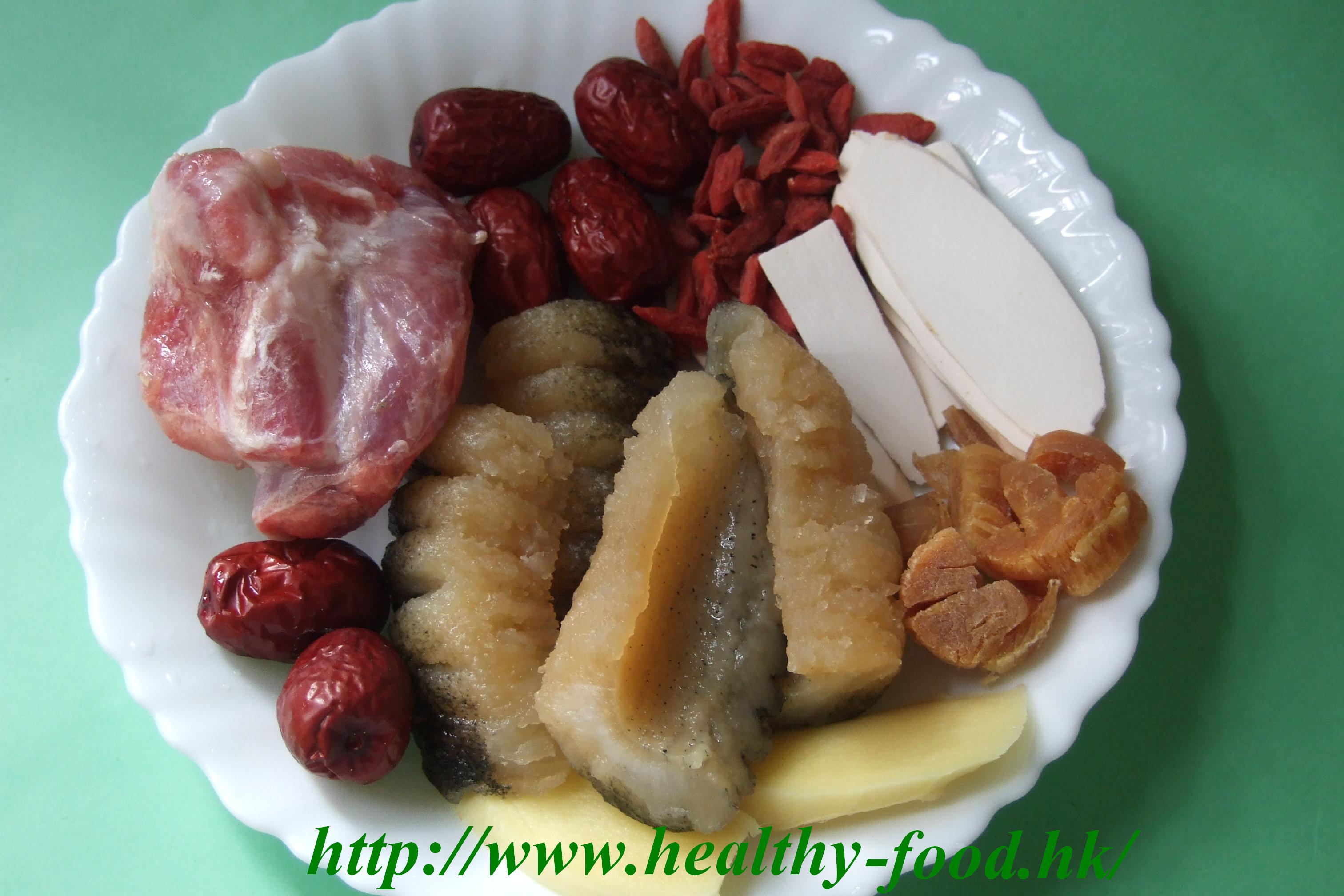
- Dried scallop (yao zhu): Provides deep umami, nourishes yin, and enriches the kidneys. A natural flavor amplifier that transforms a simple vegetable soup into something restaurant-worthy. Those with gout or kidney impairment should omit this ingredient
- Lean pork: Provides protein and additional body to the broth
Ingredients (3–4 bowls)
| Ingredient | Amount | Notes |
|---|---|---|
| Chayote | 2 medium | Peel and cut into chunks — rinse sap briefly, don’t scrub away |
| Chestnuts | ~115 g | Blanch in boiling water briefly; peel off skins while warm |
| Dried scallop | 3 pieces | Soak until soft |
| Fresh ginger | 2 slices | |
| Lean pork | ~450 g | Cut into slices; blanch and drain |
Method
- Peel the chayote and cut into large chunks. Rinse the sticky sap briefly but don’t remove it completely.
- Blanch the chestnuts in boiling water for a few minutes to make peeling easier; peel while still warm.
- Soak the dried scallop in a little warm water until soft; save the soaking liquid.
- Cut the lean pork into slices and blanch in boiling water; drain.
- Combine all ingredients (including the scallop soaking liquid) in a pot with enough water to make 8 bowls total. Bring to a boil, then reduce to a medium-low simmer for 1 hour 30 minutes.
- Season lightly with salt if desired. Serve.
Bro Niu’s tips
The sticky sap that appears when you peel chayote is a natural vegetable collagen — a polysaccharide with skin-nourishing properties. Resist the urge to rinse it all away. If it sticks to your hands, warm water removes it easily.
Dried scallop (yao zhu) or dried conch (xiang luo tou) may be used interchangeably in this recipe. If neither is available, the soup is still very good without any dried seafood.
This is a 3–4 person serving. For 2 people, reduce all quantities by about one third.
Community questions answered (selected)
-
Q (Jessica): Can I add lily bulb and lotus seeds to this soup? And how would I substitute dried conch for the dried scallop? Bro Niu: Yes, lily bulb and lotus seeds can both be added — they fit well with the other ingredients. Soak the dried conch for about an hour and then blanch it with the pork before adding everything to the pot.
-
Q (Chloe): My family member has kidney failure, diabetes, and gout. Can they drink this soup? Bro Niu: Simply leave out the dried scallop. Without it, the soup is suitable for them.
-
Q (anonymous): How many people does this recipe serve, and how do I adjust for 2 people? Bro Niu: This is a 3–4 person serving. For 2 people, reduce all quantities by about a third.
Published September 19, 2017 · Adapted and translated for Nourilo from a traditional home-kitchen recipe. Approx. 4 min read.