Herbal & Flower Teas
Honeysuckle, Reed Root, Monk Fruit and Licorice Tea
traditionally associated with clearing heat, detoxifying, and supporting the immune system during respiratory illness
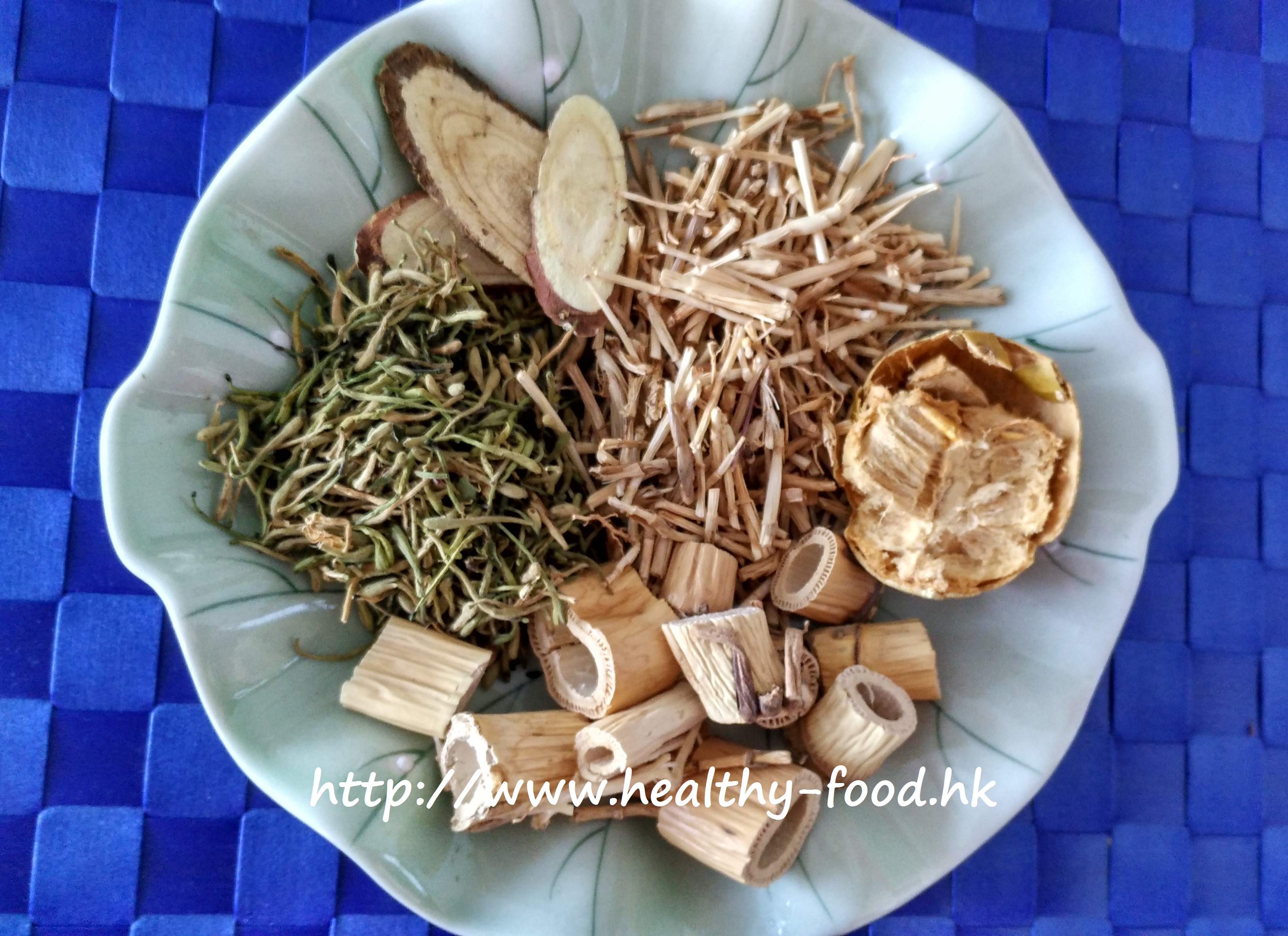
Why people make this tea
Scarlet fever peaks in winter and spring and most commonly affects children aged two to eight. When the health authorities issue a warning about elevated scarlet fever activity, Bro Niu’s recommendation is to brew a daily pot of this herbal tea for the family as a preventive measure, alongside good hand hygiene and general cleanliness.
Honeysuckle (jin yin hua) has one of the broadest antimicrobial profiles of any herb in the Chinese food-therapy tradition. Research has identified antibacterial activity against typhoid, E. coli, Staphylococcus, Streptococcus, Pneumococcus and other organisms in laboratory studies, though this does not directly translate to clinical treatment. In traditional usage, it is strongly associated with clearing heat toxins and easing throat and respiratory inflammation.
Who it suits / who should be cautious
- Suitable for most adults and children, including young children
- Particularly recommended for those in close contact with scarlet fever cases, or during active outbreaks of respiratory illness
- Children with G6PD deficiency must NOT use this tea — honeysuckle is contra-indicated
- Those who have taken this tea alongside prescribed antibiotics: allow at least 2 hours between the antibiotic dose and the herbal tea
Why these ingredients (the food-therapy logic)
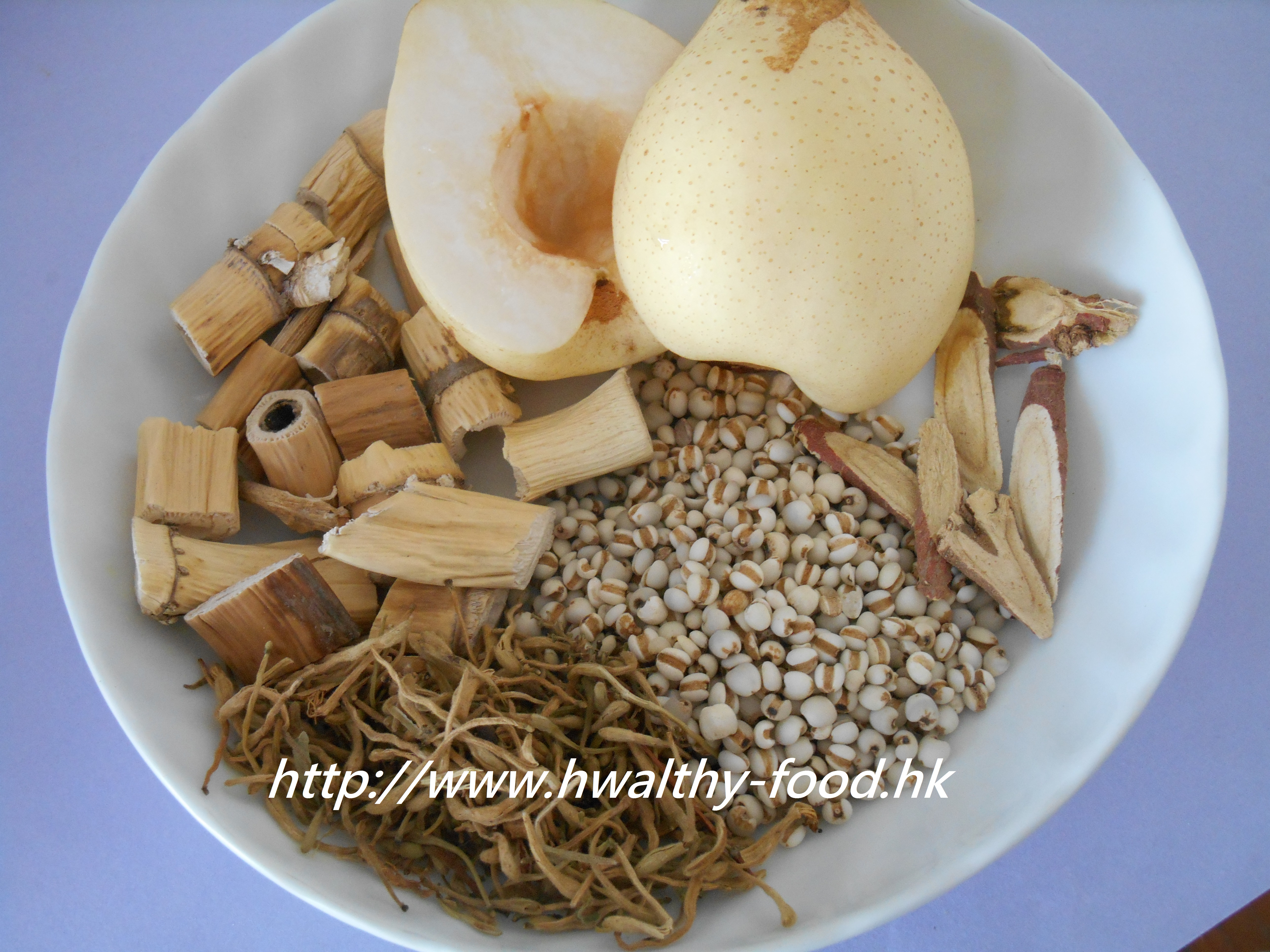
- Honeysuckle (jin yin hua): One of the most widely used heat-clearing herbs in Chinese medicine. Traditionally used to clear heat toxins, reduce inflammation and ease throat swelling. Laboratory studies suggest broad antibacterial activity, though clinical evidence remains limited.
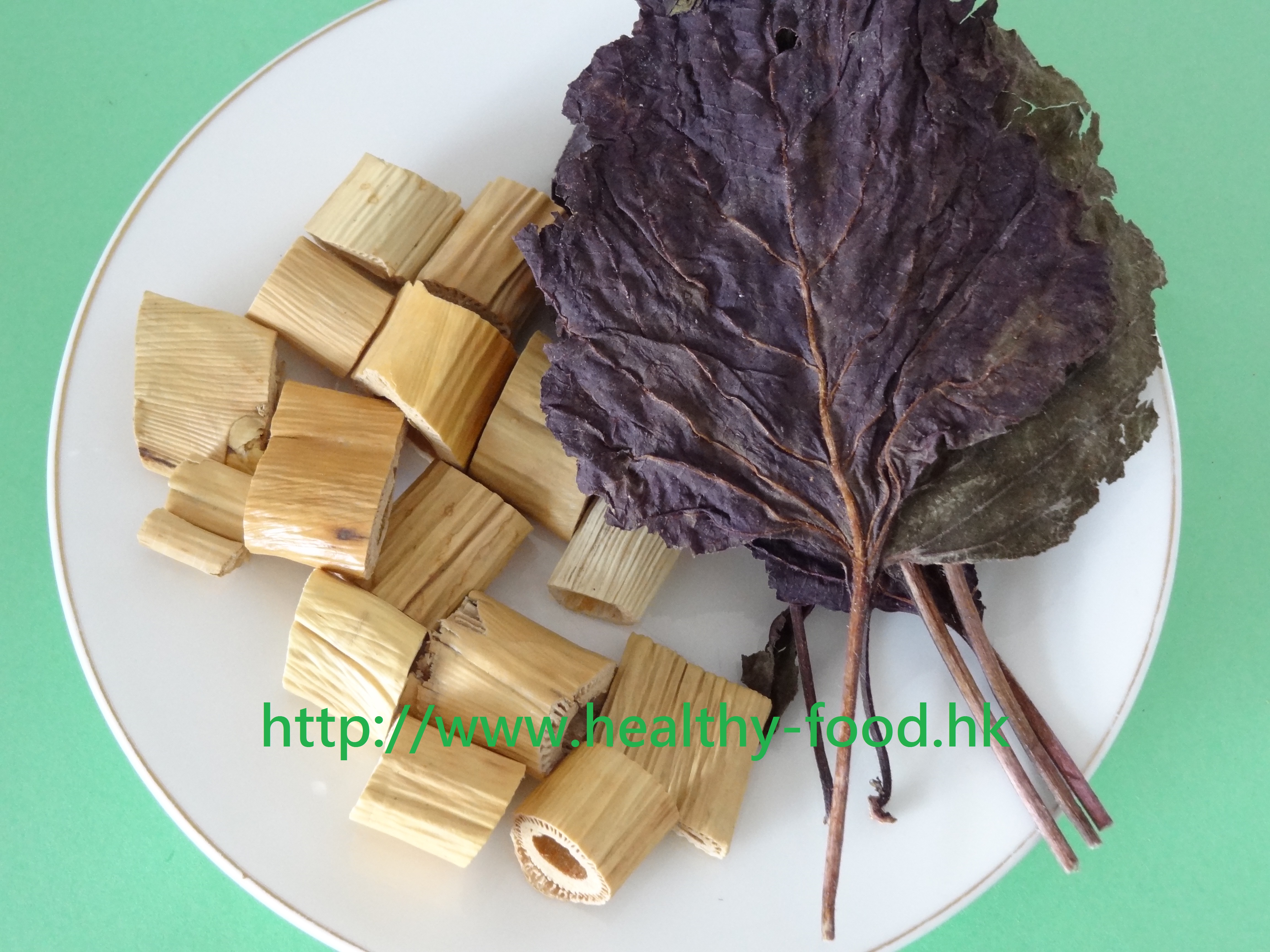
- Reed root (lu gen): Cooling and moistening; traditionally associated with clearing lung and stomach heat, relieving thirst and easing fever.
- Cogon grass root (mao gen): Cooling and diuretic in traditional use; often paired with reed root to strengthen the heat-clearing effect.
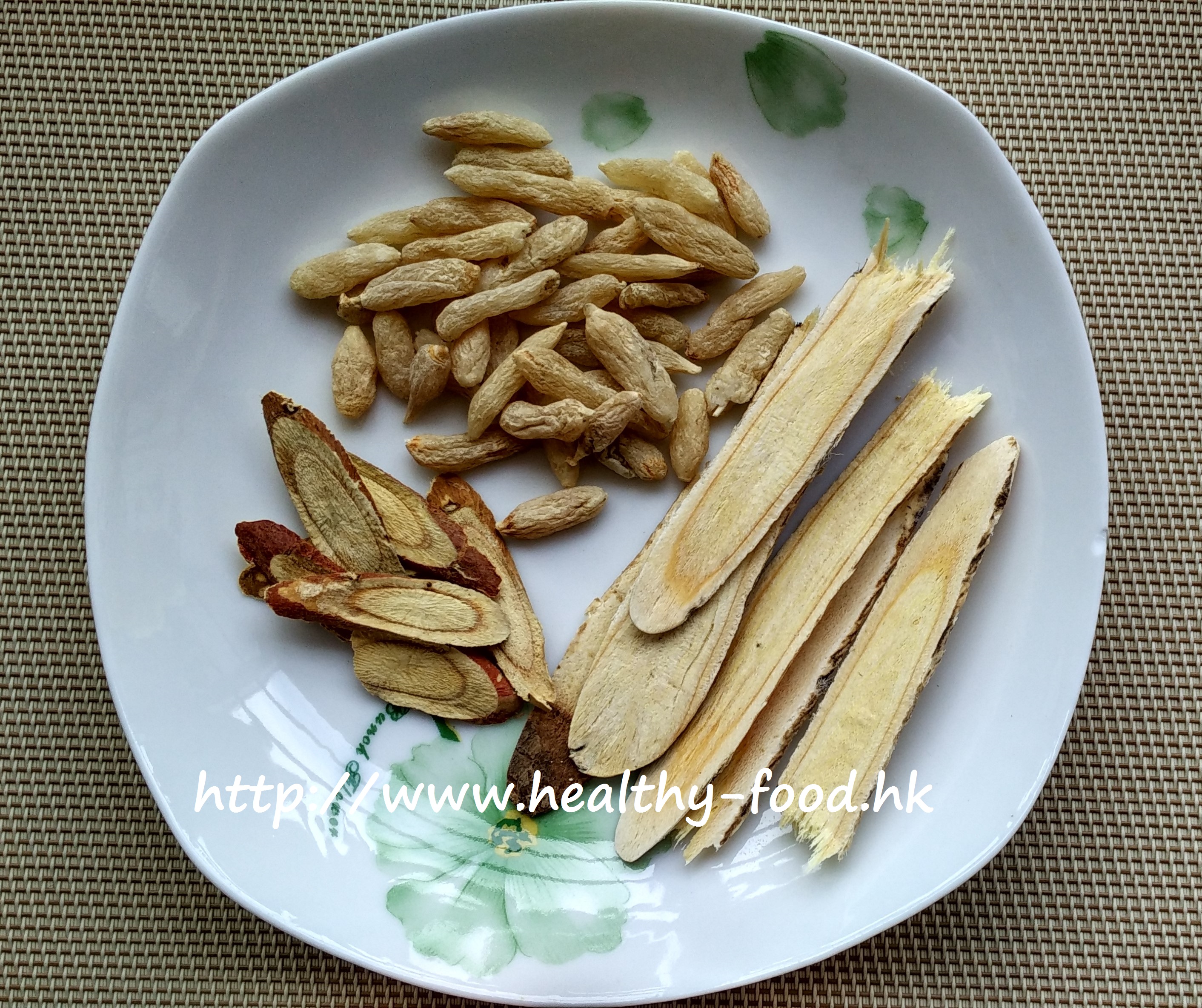
- Liquorice root (gan cao): Harmonises the formula, soothes irritated mucous membranes and makes the tea more palatable for children.
- Monk fruit (luo han guo / jin luo han guo): Naturally sweet and cooling; traditionally associated with easing sore throat, dry cough and supporting the respiratory tract. The low-temperature dehydrated version used here preserves more heat-sensitive vitamins and enzymes than traditional high-heat processed monk fruit.
Ingredients (2 bowls — 1 day’s serving)
| Ingredient | Amount | Notes |
|---|---|---|
| Honeysuckle flowers (jin yin hua) | 9 g | Rinse briefly |
| Reed rhizome (lu gen) | 19 g | Rinse briefly |
| Cogon grass root (mao gen) | 19 g | Rinse briefly |
| Liquorice root slices (gan cao) | 3 slices | |
| Monk fruit (jin luo han guo) | half a fruit | Break into pieces |
| Water | 5 bowls (approx. 1.25 litres) |
Method
- Rinse all ingredients briefly.
- Combine all ingredients in a pot with 5 bowls of water.
- Bring to the boil over high heat, then reduce to a medium simmer for 40 minutes until reduced to about 2 bowls.
- Strain and serve. Drink the tea in two portions across the day.
- Take for 3 consecutive days during an outbreak period, or as required.
Bro Niu’s tips
The monk fruit used in the photo is a low-temperature vacuum-dehydrated variety, which preserves more of the active vitamins and enzymes than the traditionally prepared high-heat dried version, making it a worthwhile choice if available. This tea clears heat and toxins and is suitable for children. However, children with G6PD deficiency absolutely must not use honeysuckle (jin yin hua).
Community questions answered (selected)
-
Q (Ivy): My daughter (6 years old) has just been diagnosed with scarlet fever with a mild fever and a rash. She is on antibiotics. Can she also take this tea? Bro Niu: As long as there is at least a 2-hour gap between her antibiotic dose and the herbal tea, it is fine.
-
Q (reader): My 3-year-old has a runny nose and a few coughs. Can I use an earlier recommendation of xin yi hua (magnolia flower bud) to help? What should I add for the cough? Bro Niu: Try xin yi hua (magnolia flower bud), mai dong (ophiopogon) and jie geng (platycodon root) — 3 qian each — with 1 qian gan cao in 4 bowls of water, simmered to 2 bowls. This helps ease the cough and clear nasal discharge. If phlegm is thick, add 1/6 of a monk fruit to the pot.
-
Q (aa): My 6-year-old son sleeps poorly, wakes to urinate almost every night, has dark circles and is irritable in temperament. What soup is good for him? Bro Niu: Try lotus seeds with the core left in (lian zi with xin) — 1 liang — lily bulb (bai he) — 1 liang — fu shen (poria with pine root) — 5 qian — and lamp wick rush (deng xin cao) — 6 bundles — with a little rock sugar, simmered in 5 bowls of water to 2 bowls. Three doses should help calm the heart and support more restful sleep.
Published December 6, 2017 · Adapted and translated for Nourilo from a traditional home-kitchen recipe. Approx. 4 min read.