Soups
He Shou Wu, Huang Jing, Sheng Di, and Egg Soup
traditionally associated with nourishing the liver and kidneys to support hair health and skin radiance
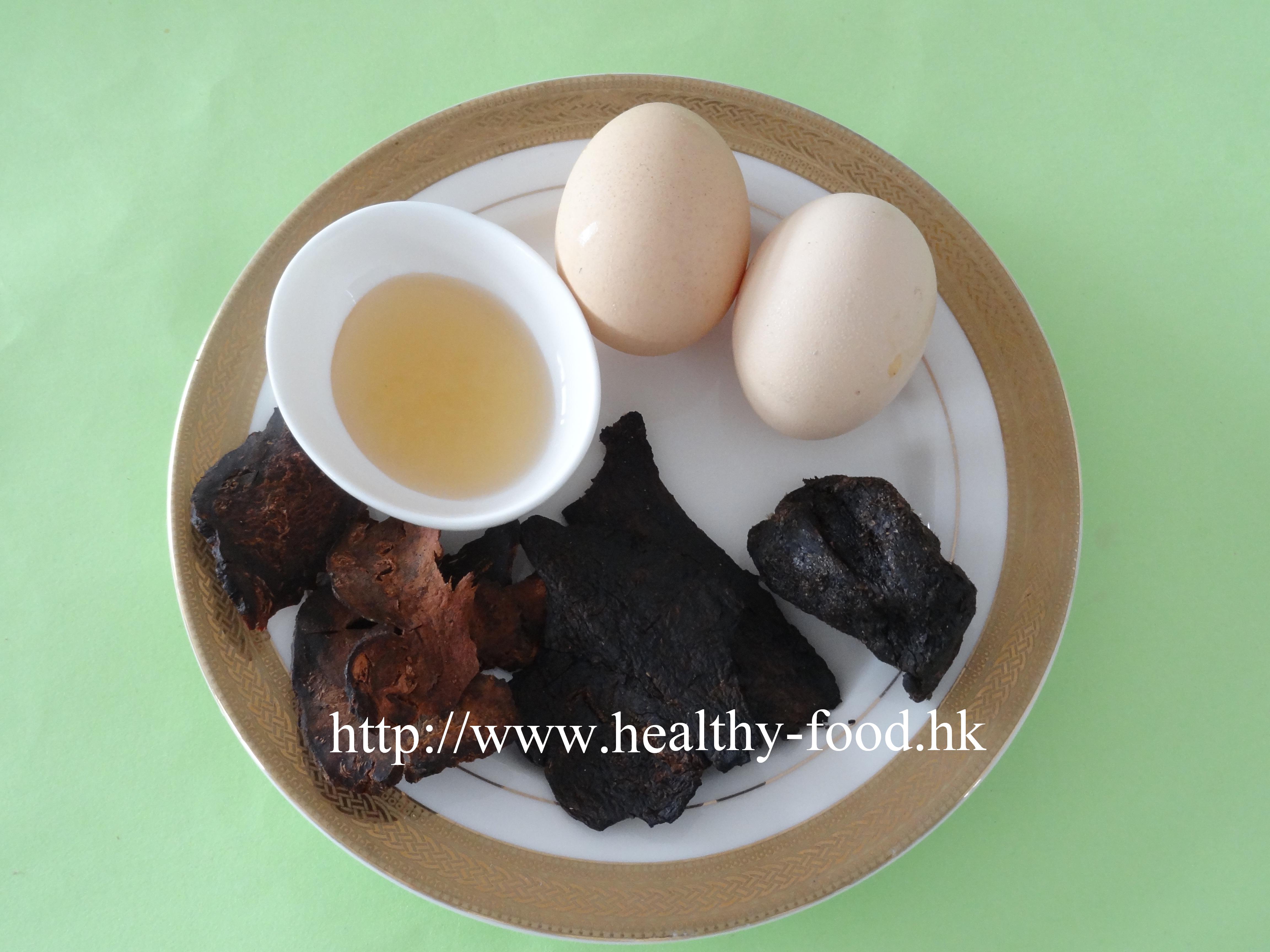
Why people make this soup
Shiny hair, clear skin, and a healthy complexion are things almost everyone cares about — but as we age, or when we are overworked and under-rested, those things can fade faster than we would like. This classic three-herb egg soup is rooted in the idea that the liver and kidneys govern the health of hair and the brightness of skin. When those organs are supported and well-nourished, traditional wisdom says the outward signs follow. The combination of He Shou Wu, Huang Jing, and raw Rehmannia root creates a base that is simultaneously tonifying and moistening, while eggs and honey add gentle nourishment that ties everything together.
The taste is slightly medicinal but pleasantly sweet when honey is added — it is a soothing bowl to enjoy in the evening.
Who it suits / who should be cautious
- Well suited to adults with dry, roughened skin; early or stress-related hair thinning; habitual constipation; or a pale, dull complexion
- Diabetics can prepare this soup without the honey
- Pregnant women can drink this soup; Bro Niu has noted it is appropriate during pregnancy
- Those taking blood thinners (warfarin) can also drink it with caution — confirm with your prescribing doctor
- He Shou Wu is not recommended in large or prolonged doses; use this as an occasional wellness soup rather than a daily staple
Why these ingredients (the food-therapy logic)
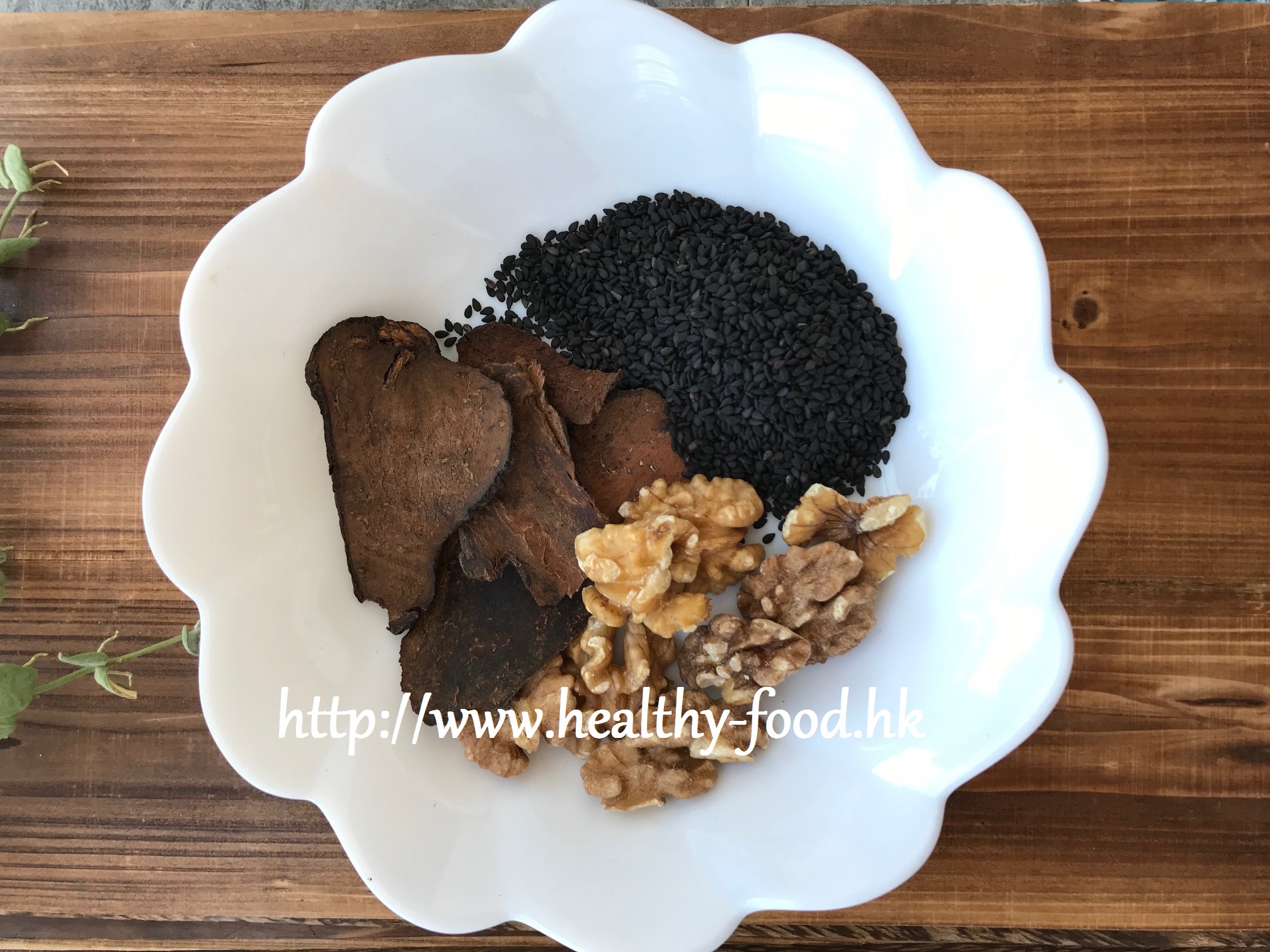
- He Shou Wu (he shou wu): One of the most celebrated tonic herbs in Chinese food therapy, associated with supplementing liver and kidney essence, supporting hair color and density, and gently moistening the intestines; prepared (zhi) He Shou Wu has a stronger tonic effect while unprepared has a stronger laxative effect
- Huang Jing (huang jing): Considered sweet and neutral; associated with nourishing the spleen, lungs, and kidneys, and moistening dryness throughout the body
- Sheng Di (raw Rehmannia, sheng di huang): Cooling; associated with nourishing yin, clearing deficiency heat, and supporting blood; raw form is more cooling than the prepared (shu di) version
- Eggs: In food therapy, eggs are considered nourishing to yin and blood; they also make the soup more satisfying and palatable
- Honey: Moistening and gently tonifying; helps smooth the slightly medicinal taste and supports digestive comfort
Ingredients (2 servings)
| Ingredient | Amount | Notes |
|---|---|---|
| He Shou Wu | 1 liang (~38 g) | Either prepared (zhi) or unprepared; prepared tonifies more strongly |
| Huang Jing | 5 qian (~19 g) | Rinse and soak briefly before use |
| Sheng Di (raw Rehmannia) | 1 liang (~38 g) | Use raw, not the prepared black version |
| Eggs | 2 | Hard-boil and peel before adding |
| Honey | To taste | Stir in at the end, off heat |
Method
- Hard-boil the eggs, then cool and peel them. Set aside.
- Rinse He Shou Wu, Sheng Di, and Huang Jing. Soak for 15–30 minutes if desired, then discard the soaking water.
- Place the three herbs in a pot with 5 bowls of water. Bring to a boil, then reduce heat and simmer for 45 minutes until reduced to about 2 bowls of liquid.
- Add the peeled hard-boiled eggs to the herb broth and simmer for a further 5 minutes.
- Remove from heat. Stir in honey to taste.
- Drink the broth and eat the eggs. A serving is about 1 bowl of broth plus 1 egg per person.
Bro Niu’s tips
This soup makes 2 servings — it is fine to share with a family member, or keep the second portion for the following day (store soup and eggs separately in the fridge). The flavor is mildly herbal; adding a few red dates while cooking gives it a more pleasant sweetness if you find the taste too strong. To add red dates, reduce honey slightly. Those wondering about the difference between unprepared and prepared He Shou Wu: prepared (zhi shou wu) has a stronger tonic effect on the liver and kidneys, while unprepared (sheng shou wu) is better for loosening the bowels.
Community questions answered (selected)
-
Q (Luvdevilangel): Can I add chicken meat, and can I drink this during my period? Bro Niu: You can certainly add chicken, but in that case skip the honey. Drinking during your period is fine — no issue there.
-
Q (Ms Ng): I am only 3–4 weeks pregnant, my throat is so sore I have lost my voice. Can I drink this soup while pregnant? Bro Niu: This soup is fine during pregnancy. For the sore throat, a gentler option would be a soup with 10 green olives, 1 green radish, 1 liang southern almond, and 4 figs cooked with lean pork — this is moistening without being too cooling.
-
Q (yoyo): I have had white and thinning hair since young, and I previously had chemotherapy and radiation for an ovarian tumor. Is it suitable for me to use He Shou Wu, black bean, black sesame, and Huang Jing ground into powder? Bro Niu: Grinding He Shou Wu, black bean, black sesame, and Huang Jing into powder for regular use can help nourish the liver and kidneys, support hair color, and reduce shedding. For cold hands and feet, try dried ginger slices with a little brown sugar in hot water. All of the above food therapies are suitable even after chemotherapy and radiation — no concerns there.
Published August 24, 2012 · Adapted and translated for Nourilo from a traditional home-kitchen recipe. Approx. 4 min read.