Herbal & Flower Teas
Hawthorn Berry & Lotus Leaf Tea
Traditionally used to aid digestion, break down fats, and support healthy weight management
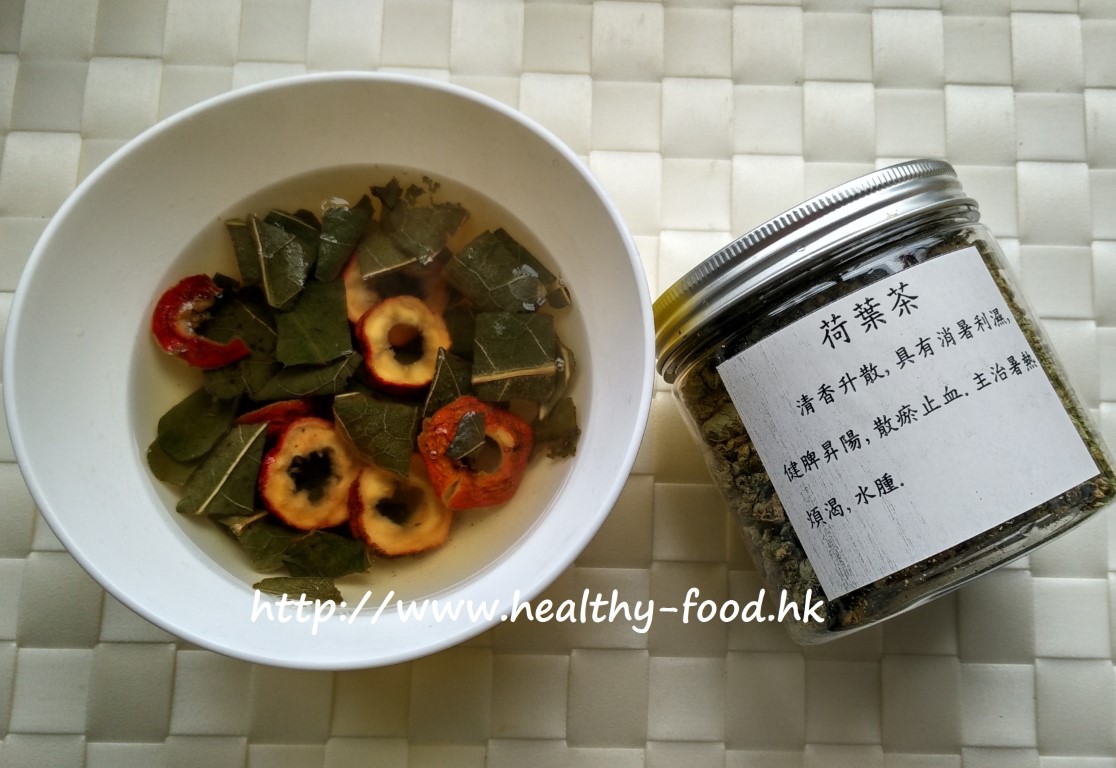
Why people make this tea
Hawthorn berries (shan zha) are one of the most widely used digestive aids in Chinese food therapy. They contain a fat-digesting enzyme (lipase) that helps the body break down fatty and greasy foods more efficiently, which is why this tea is particularly popular after a heavy meal. For children, it is a classic remedy for food stagnation (“shi zhi” — that overstuffed, uncomfortable feeling after eating too much). For adults looking to manage their weight over time, combining hawthorn with lotus leaf is a traditional and still very common pairing: lotus leaf is associated with clearing heat, reducing fluid retention, and supporting the metabolism of fats in traditional Chinese medicine. Together, this tea is best enjoyed after lunch or dinner as a pleasant, tart digestive drink.
Who it suits / who should be cautious
- Suitable for adults experiencing food stagnation, post-meal bloating, or sluggish digestion
- May be used as part of a healthy lifestyle approach to weight management, alongside balanced diet and exercise
- Best taken after meals — drinking on an empty stomach is not recommended
- Those with gastric hyperacidity, peptic ulcers, or gastric reflux should avoid hawthorn berries or use only a small amount, as hawthorn is highly acidic
- Not intended as a standalone treatment for weight loss; no single tea can replace a balanced diet and physical activity
Why these ingredients (the food-therapy logic)
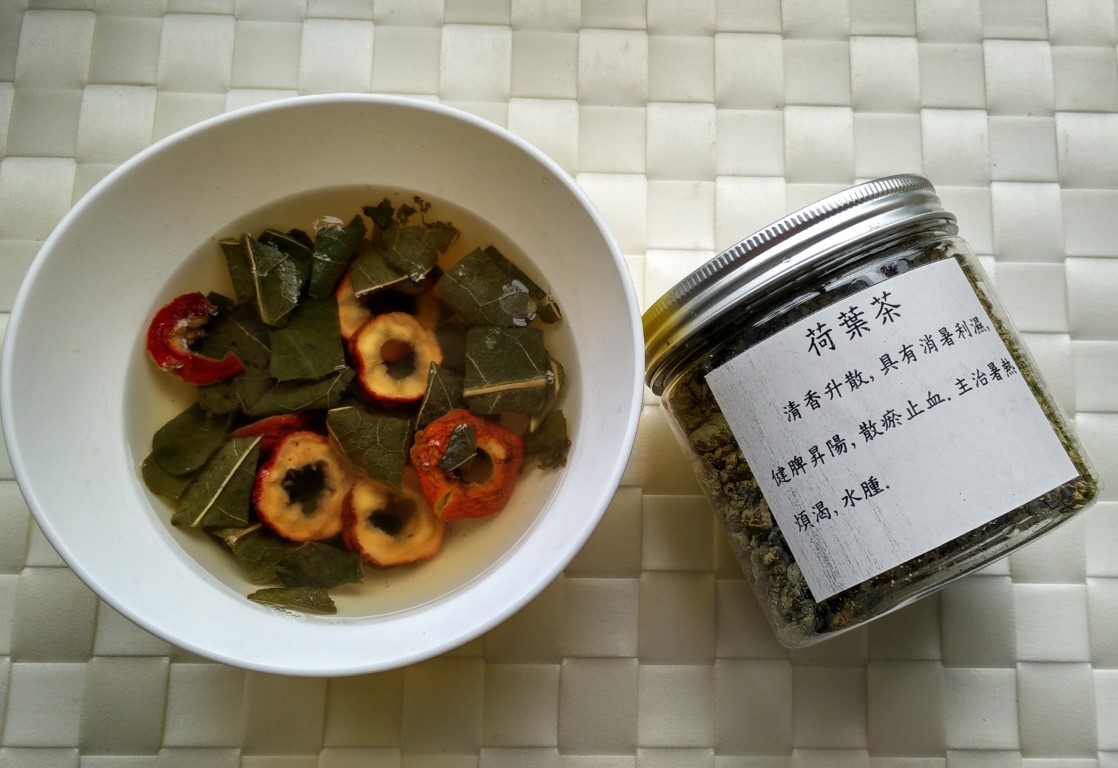
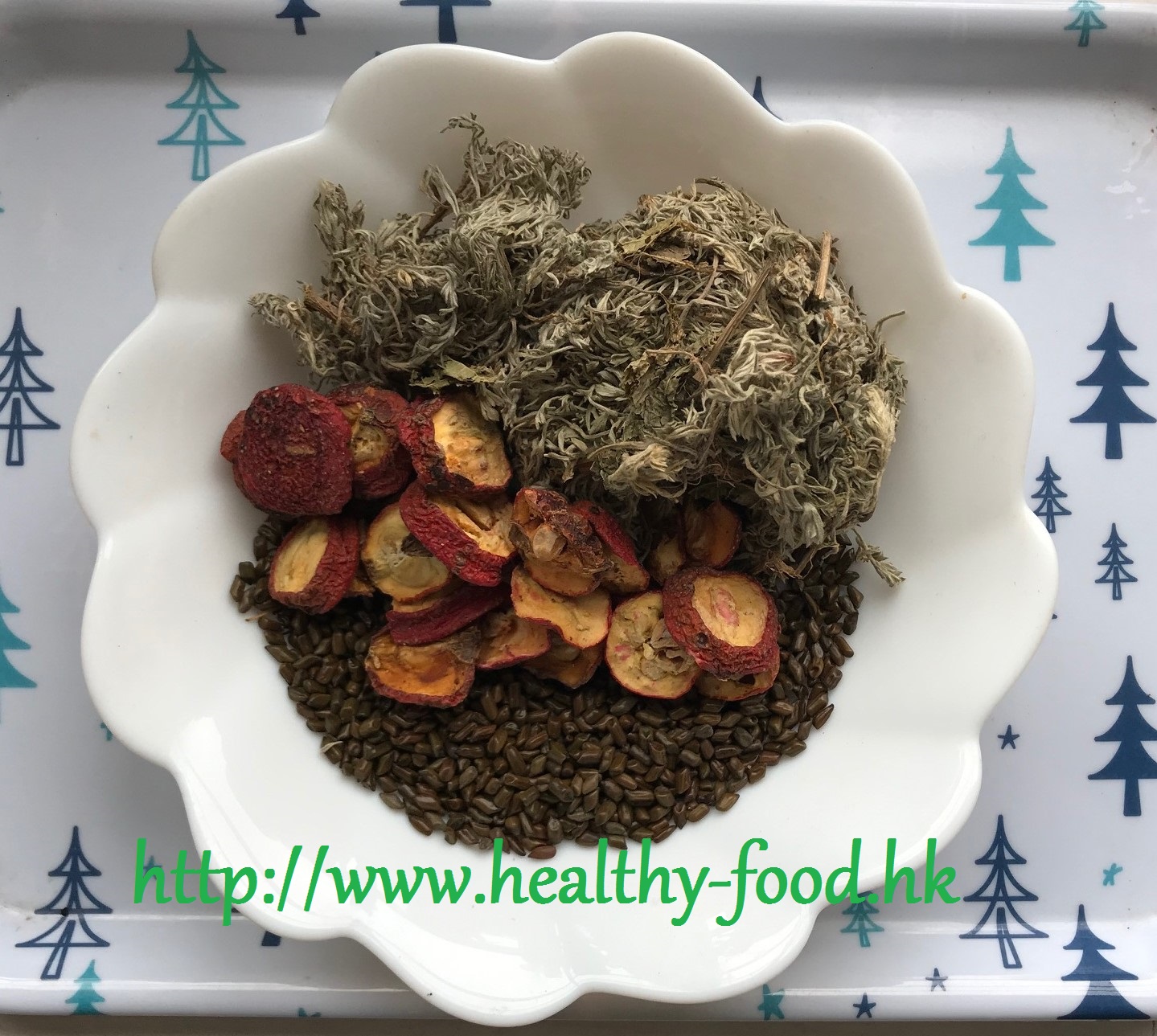
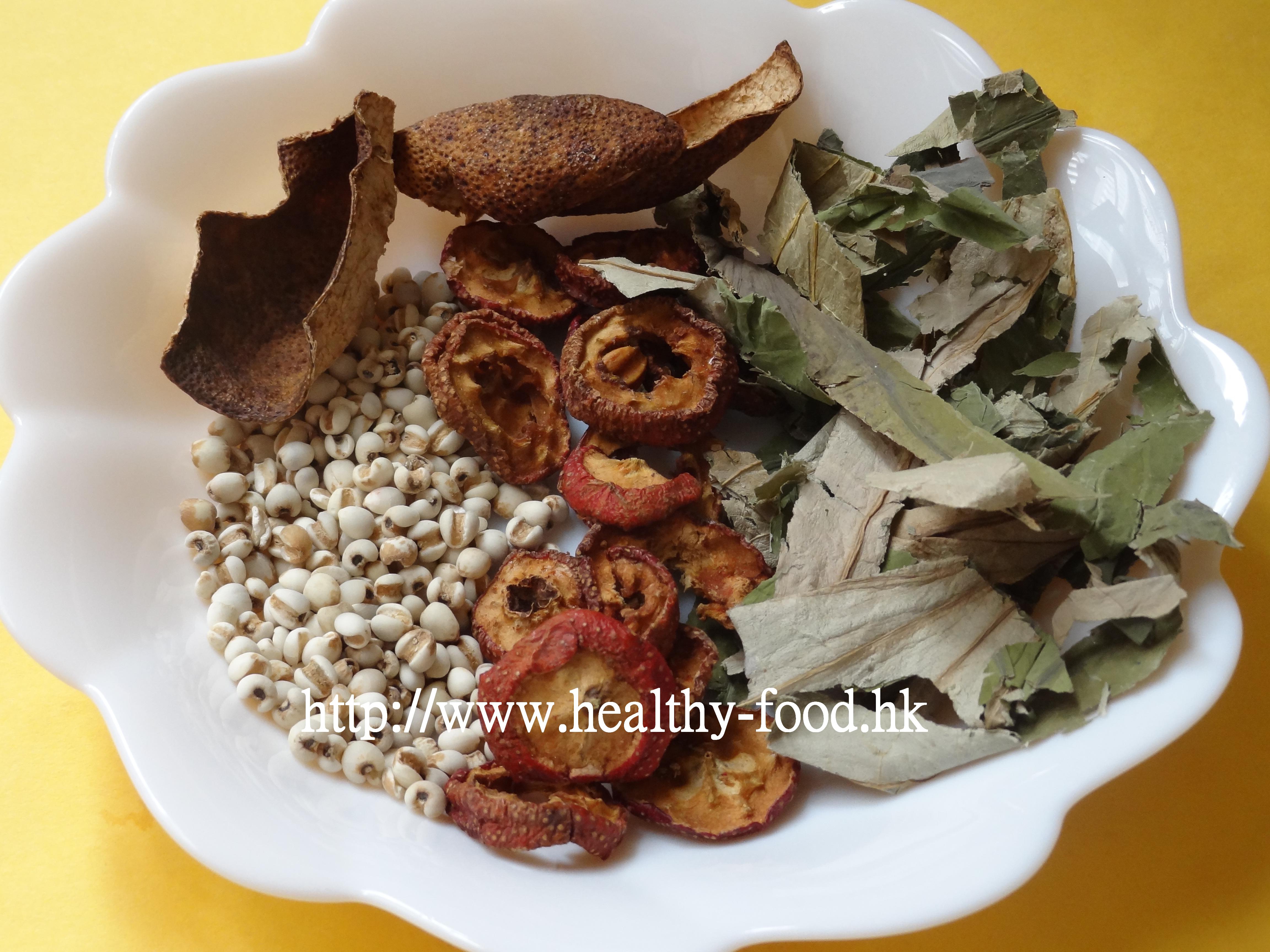
- Hawthorn berries (shan zha, Crataegus pinnatifida): Rich in lipase enzyme and organic acids; traditionally used to dissolve food stagnation, aid fat digestion, and support the digestive system; also contains vitamins C and B2, potassium, and flavonoids
- Lotus leaf tea (he ye cha): Prepared lotus leaf is associated in traditional food therapy with clearing summer heat, reducing water retention, and supporting the dispersal of accumulated fats; its bitter, aromatic character helps move stagnant qi in the digestive system
Ingredients (1 mug / 1–2 servings)
| Ingredient | Amount | Notes |
|---|---|---|
| Dried hawthorn berries | 2 tablespoons | Available at Chinese herb or grocery shops |
| Lotus leaf tea (packaged) | 1 tablespoon | Use packaged tea form to avoid cross-contamination with other herbs |
Method
- Place the hawthorn berries and lotus leaf tea in a heatproof mug or teapot. Pour over a small amount of boiling water to give a quick rinse, then drain.
- Pour in enough fresh boiling water to fill the cup (about 300–350 ml).
- Steep for 10 minutes.
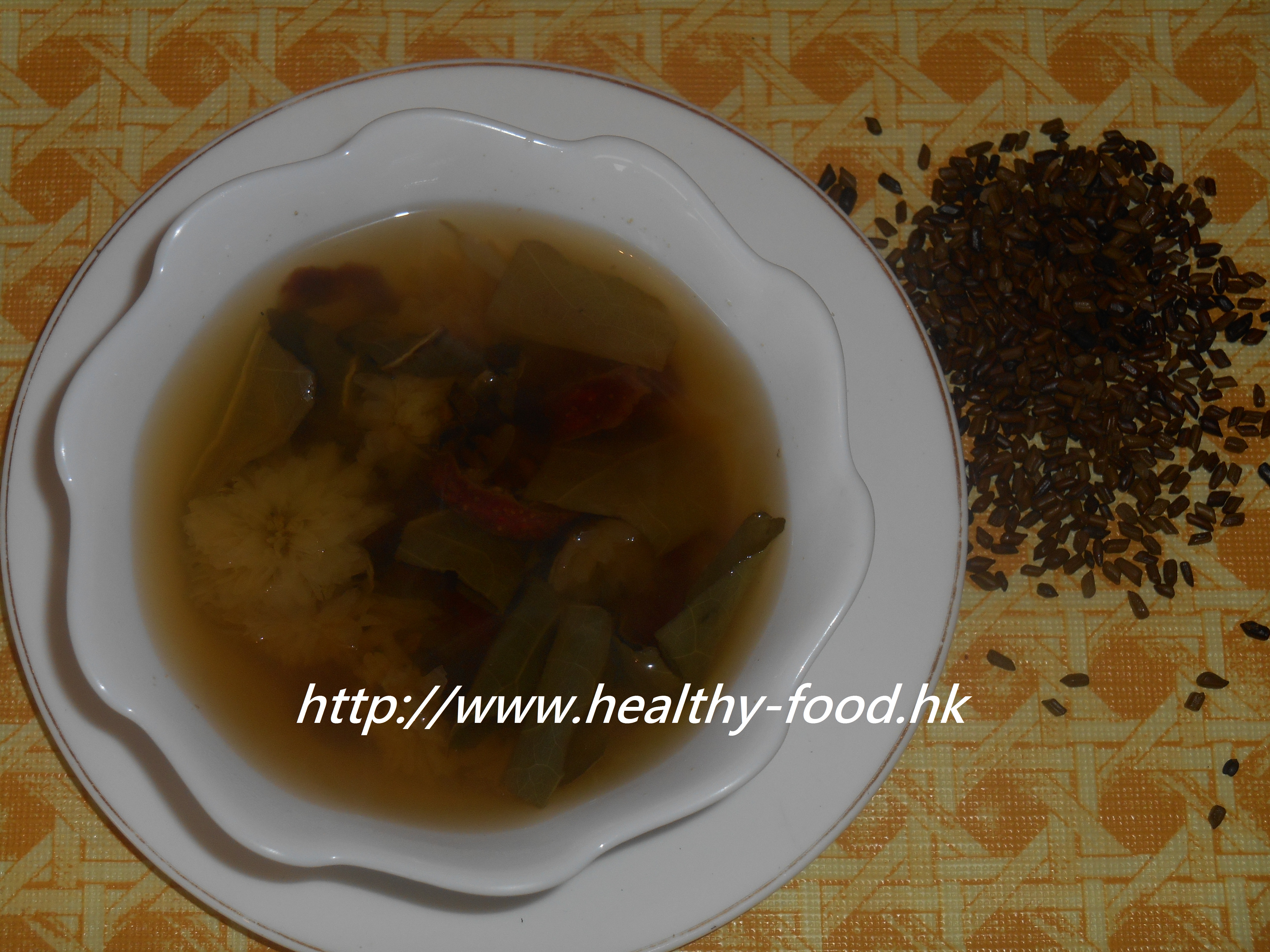
- Drink warm, ideally after a meal. The tea can be re-steeped until the flavour fades.
Bro Niu’s tips
Bro Niu uses the packaged lotus leaf tea available from Chinese herb shops in the Sai Ying Pun area of Hong Kong — it comes in individual sealed sachets, which means it does not absorb the odours of other herbs commonly stored in bulk at herb shops. This is the most convenient form for everyday use. This tea is best enjoyed after a meal to support digestion and fat breakdown. Those with excess stomach acid should avoid it or use it in small amounts only.
Published September 11, 2021 · Adapted and translated for Nourilo from a traditional home-kitchen recipe. Approx. 2 min read.