Home-Style Dishes
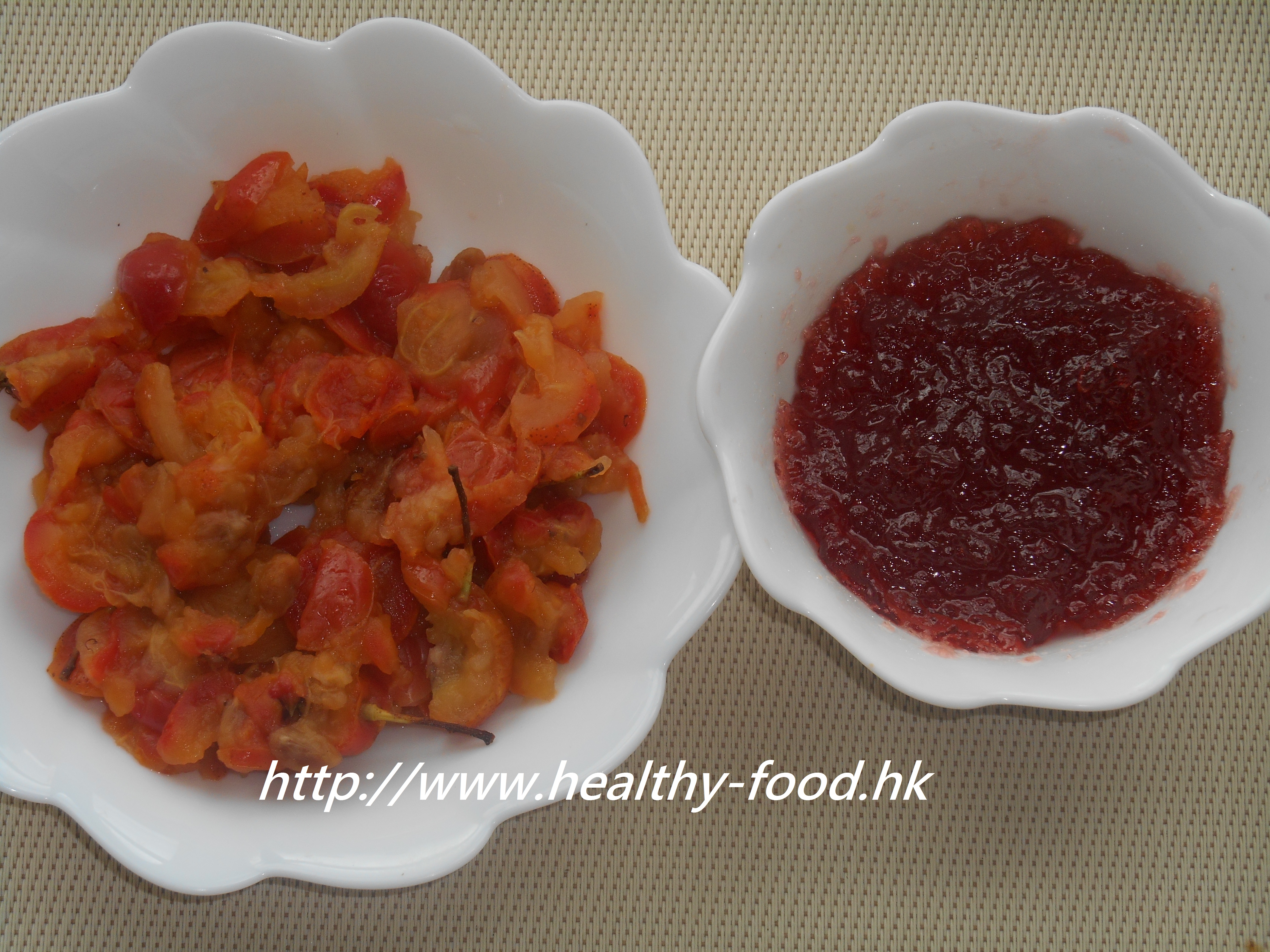
Hawthorn Berry Jam
traditionally associated with clearing food stagnation, supporting digestion, and easing menstrual cramping
Why people make this jam
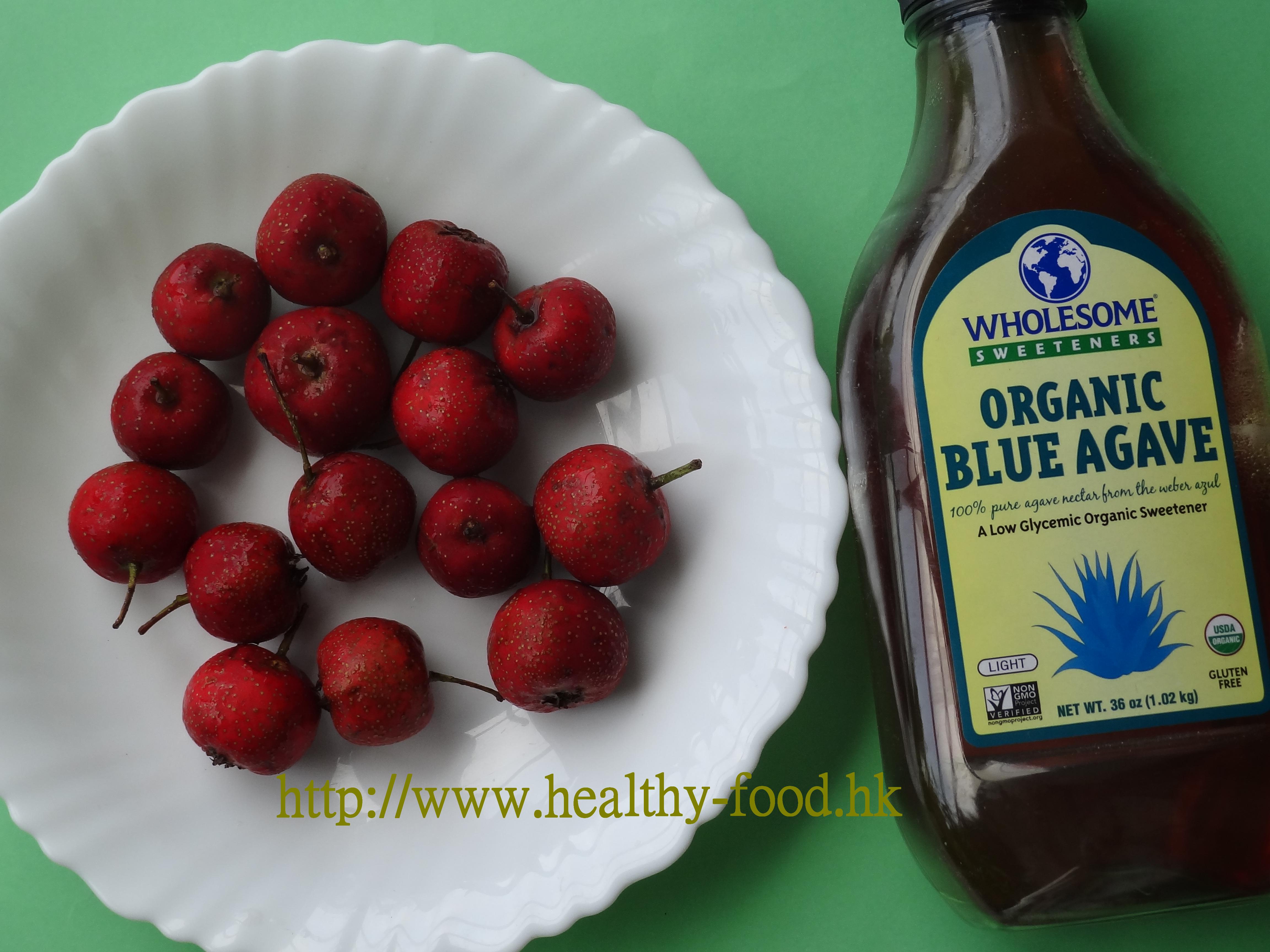
Hawthorn (shan zha) is one of those ingredients that appears in both the kitchen and the traditional Chinese pharmacy — and for good reason. The berries have a bright, pleasantly tart flavour that makes a delicious jam, and they carry a long history in Chinese food therapy as a digestive aid, particularly after eating a heavy or meaty meal. Fresh hawthorn berries are available seasonally at Chinese or Asian grocers, or online; dried hawthorn slices are available year-round at Chinese herb shops. This jam is wonderfully practical: a couple of teaspoons dissolved in warm water works as a gentle post-meal digestive tonic; a tablespoon in warm water is traditionally used to ease the lower abdominal bloating and cramping that can accompany a woman’s menstrual cycle.
Who it suits / who should be cautious
- Suitable for most adults and older children as a condiment or occasional digestive tonic.
- Particularly useful for those who regularly eat large amounts of meat or oily food.
- Women experiencing menstrual bloating, cramping, or irregularity may find 1 tablespoon in warm water helpful around the time of their period.
- Beneficial for middle-aged and older adults looking to support cardiovascular wellness; hawthorn is traditionally associated with improving coronary circulation and supporting healthy cholesterol.
- Caution: Those with excess stomach acid or a tendency toward gastric pain should be cautious and use only small amounts. Please see a doctor if you have diagnosed gastric ulcer or chronic gastritis.
Why these ingredients (the food-therapy logic)
- Hawthorn berries (shan zha): In traditional Chinese food therapy, hawthorn is considered the premier herb for dissolving food stagnation — especially accumulated fats and meats. It is also associated with activating blood circulation and easing pain, which gives it a traditional role in supporting menstrual comfort. Modern nutritional research has examined its flavonoids for cardiovascular effects, though such research is ongoing.
- Brown sugar (hong tang): Warming in nature; traditionally used to support blood circulation and warm the middle. It balances hawthorn’s sour, astringent edge and gives the jam a rich, rounded flavour.
Ingredients (makes about 1 small jar)
| Ingredient | Amount | Notes |
|---|---|---|
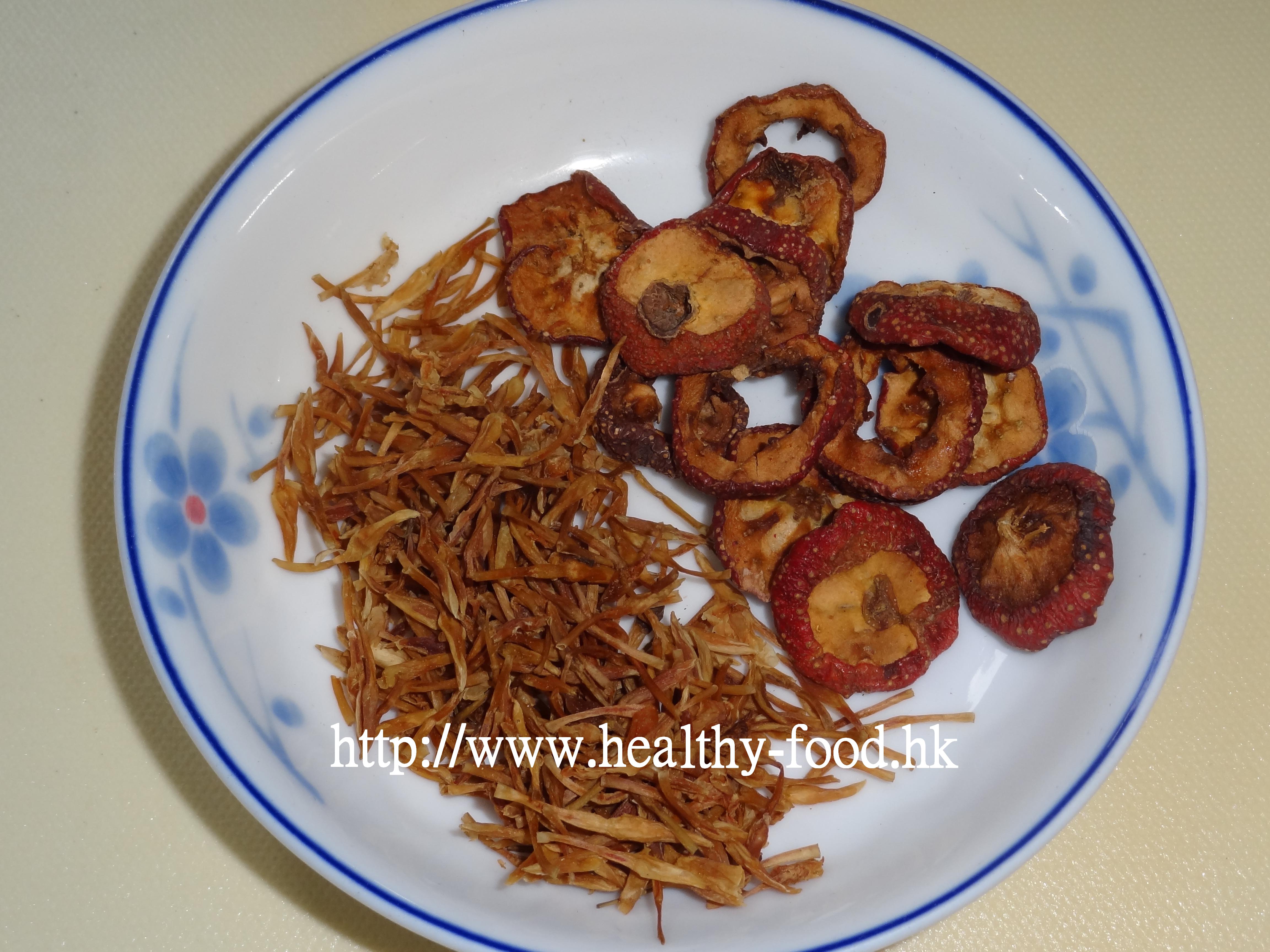
| Fresh hawthorn berries | 225 g | Or use 100 g dried hawthorn slices |
| Brown sugar | 170 g | Adjust to taste |
| Water | About 6 bowls total | Used in two stages |
Method
- Wash the fresh hawthorn berries thoroughly and slice off the tops and tails. Cut them into halves or rough slices, removing any seeds.
- Place the prepared hawthorn into a pot with 4 bowls of water. Simmer over medium-low heat for 1 hour, until the fruit is very soft and the liquid has reduced to about 2 bowls. Strain the liquid out through a fine sieve; set aside.
- Return the cooked pulp to the pot, add 2 more bowls of water, and simmer for another 30 minutes until the liquid reduces to about 1 bowl. Strain again and combine both batches of liquid.
- Add the brown sugar to the combined hawthorn liquid. Cook over low heat, stirring occasionally, until the mixture thickens to a jam-like consistency. Be patient and keep the heat gentle — medium-high heat causes it to thicken too fast and may scorch.
- Allow to cool before transferring to a clean glass jar. Store in the refrigerator.
How to use the jam
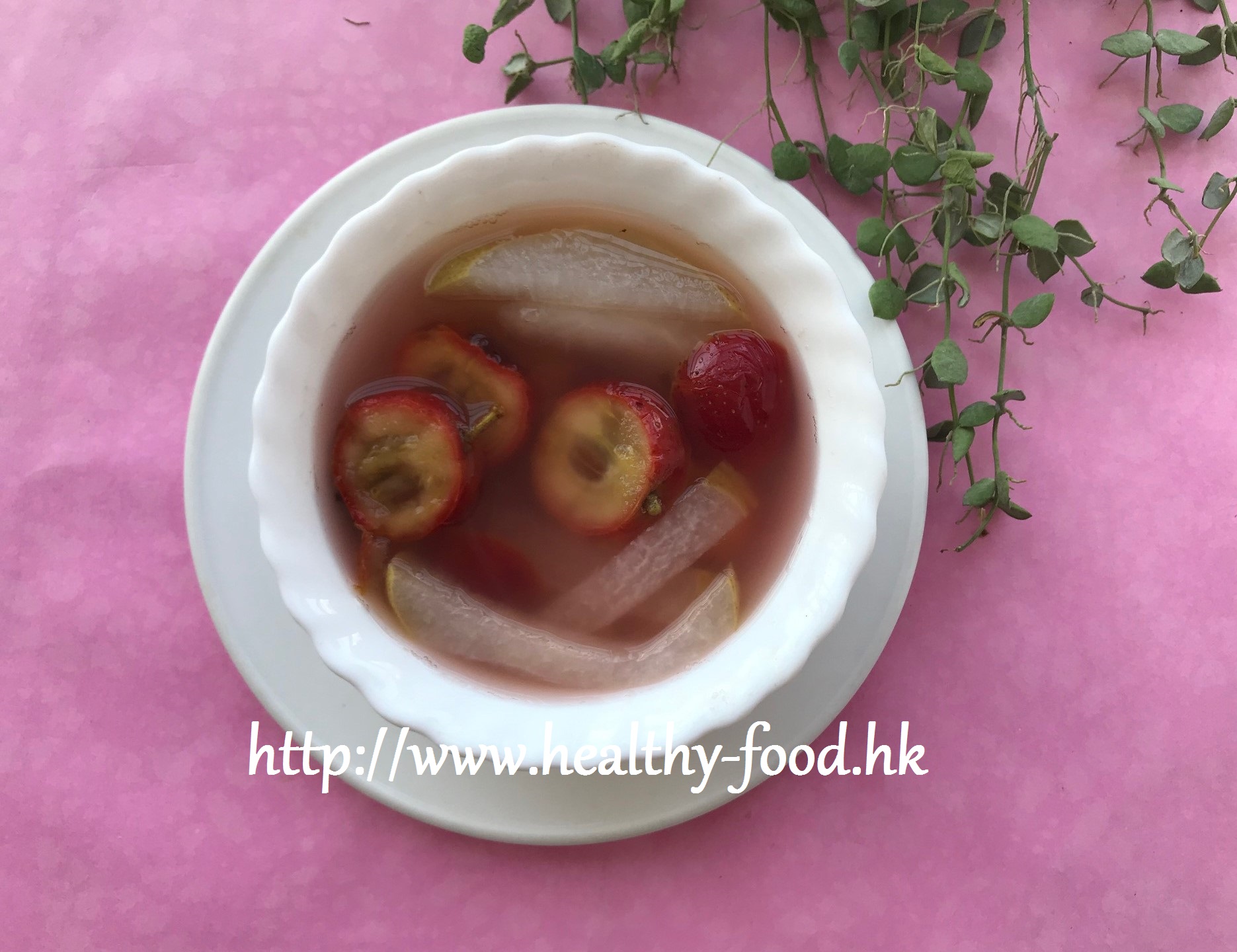
- As a digestive aid after meals: dissolve 2 teaspoons in a cup of warm water and drink.
- For menstrual support: dissolve 1 tablespoon in a cup of warm water and drink around the time of discomfort.
- As a spread or condiment with bread, oatmeal, or plain rice congee.
Bro Niu’s tips
Keep the heat low when concentrating the jam — Bro Niu admits he was a little impatient the first time and used medium heat, which made the jam too thick too quickly. Low and slow gives a much better result. A good hawthorn jam should be glossy, spreadable, and pleasantly tart-sweet, not stiff or bitter. Store in the fridge and use within a few weeks.
For children with poor appetite and food stagnation, Bro Niu also suggests simply brewing hawthorn slices with malt (mai ya) as a daily tea — use a tablespoon of each, steep in hot water, and sip throughout the day. This is gentler than the jam and very accessible for children who refuse medicine.
Community questions answered (selected)
-
Q (reader, re: menstrual irregularity): I have irregular periods with light flow and lower abdominal heaviness — how should I take the jam? Bro Niu: Try dissolving 1 tablespoon of hawthorn jam with half a teaspoon of cinnamon powder and 2 teaspoons of brown sugar in a cup of hot water; steep for 5 minutes and drink. Do this every other day. This combination is traditionally associated with supporting blood circulation and helping with scanty, sluggish flow. You can continue your existing herbal remedy on the alternate days.
-
Q (pierre, re: 18-month-old child with poor appetite): Can an 18-month-old eat hawthorn? Bro Niu: For young children, I suggest using grain sprout (gu ya), malt (mai ya), and dried figs (wu hua guo) simmered in water to open the appetite — gentler on small stomachs. Alternatively, you can use a small amount of dried Chinese yam (huai shan), malt, and chicken gizzard (ji nei jin) in a light broth. Hawthorn as a jam in very small amounts is generally fine, but better to start with milder options for toddlers.
Published October 4, 2015 · Adapted and translated for Nourilo from a traditional home-kitchen recipe. Approx. 4 min read.