Herbal & Flower Teas
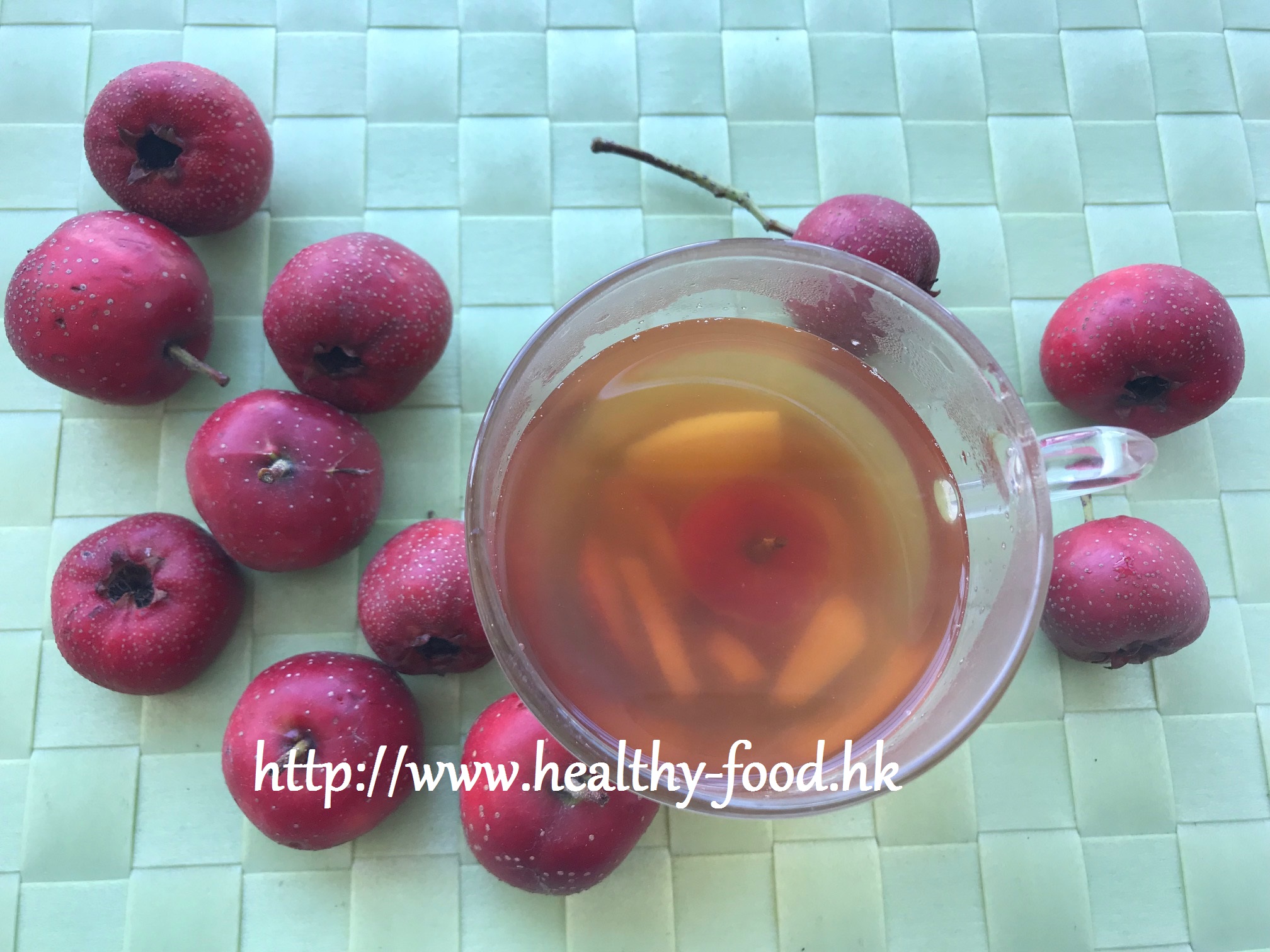
Hawthorn Ginger Brown Sugar Tea
Traditionally associated with easing menstrual discomfort and supporting healthy blood flow
Why people make this tea
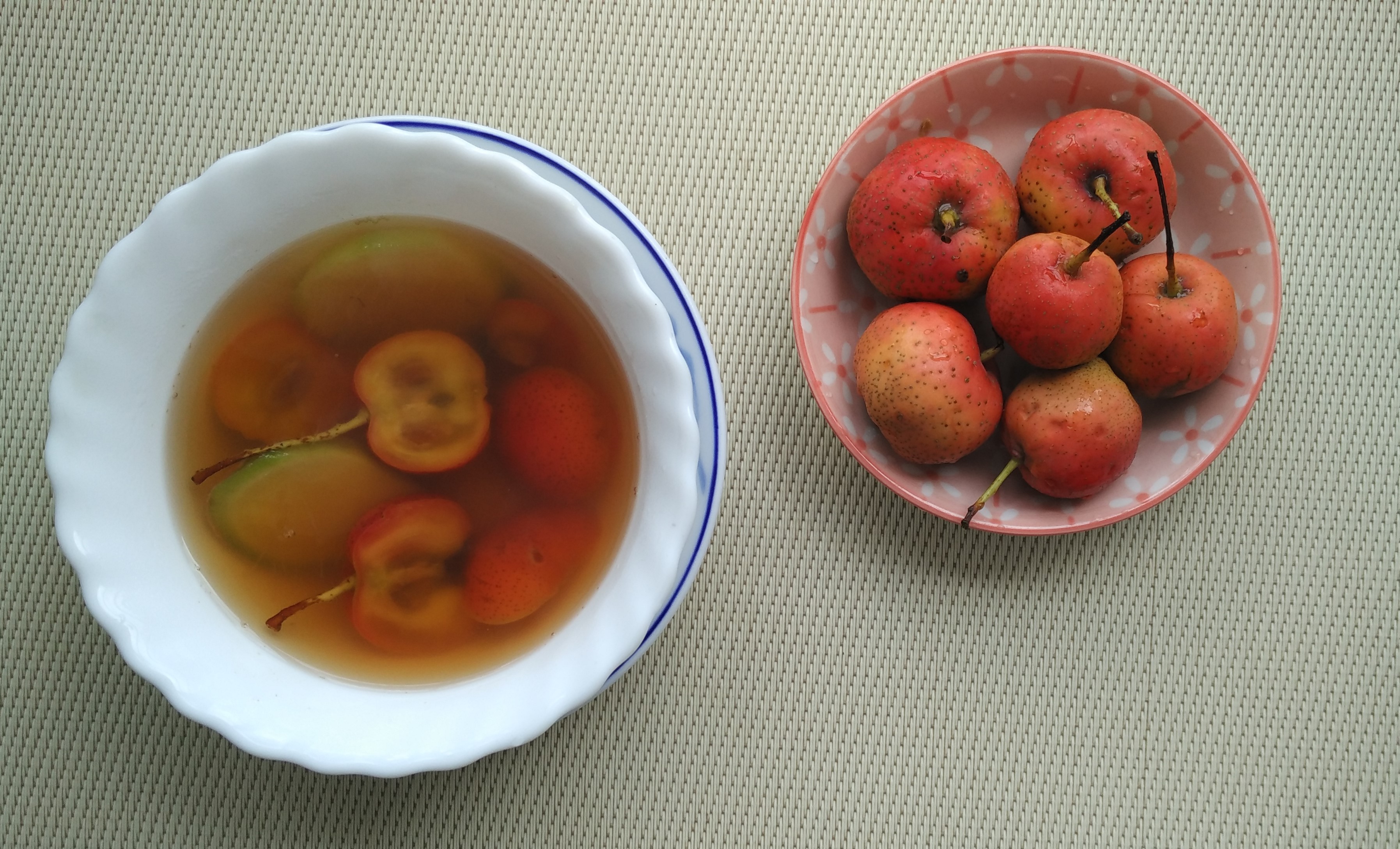
Having bought a large batch of fresh hawthorn berries that he needed to use up, Bro Niu put together a pot of this warming tea with ginger and brown sugar. The result is a comforting, tangy-sweet drink that warms the stomach, dispels cold, and — in the tradition of Chinese food medicine — helps move stagnant blood. Hawthorn has long been considered one of the go-to ingredients for women’s health: it is especially valued for easing menstrual irregularity and supporting the body after childbirth in clearing lochia (postpartum discharge) and helping the uterus recover.
Who it suits / who should be cautious
- Particularly useful for women whose period is late, irregular, or accompanied by cramping pain related to cold or stagnation
- Also traditionally helpful for postpartum women to support uterine recovery — though always follow medical guidance after childbirth
- Pregnant women must not drink this tea — hawthorn is known to stimulate uterine contractions
- People with excess stomach acid should take it after meals or reduce the amount of hawthorn used
Why these ingredients (the food-therapy logic)
- Hawthorn berries (shan zha, Crataegus pinnatifida): Sour and slightly warm; in Chinese food medicine hawthorn is used to move stagnant blood (hua yu), ease digestion, and — importantly for women — regulate menstrual flow and support postpartum recovery.
- Fresh ginger (sheng jiang): Warm and pungent; disperses cold from the stomach and uterus, relieves nausea, and amplifies the warming effect of the tea.
- Brown sugar (hong tang): Warm in nature; nourishes and invigorates blood. Its warming character pairs well with hawthorn’s ability to move stagnation.
Ingredients (2 bowls)
| Ingredient | Amount | Notes |
|---|---|---|
| Fresh hawthorn berries (shan zha) | ~150 g (4 taels) | Washed and crushed |
| Fresh ginger | 4–5 slices | |
| Brown sugar | To taste | Adjust sweetness as preferred |
| Water | 4 bowls (~1 L) | Reduce to 2 bowls |
Method
- Rinse the hawthorn berries well and crush them lightly with the flat of a knife.
- Place hawthorn, ginger slices, and water in a pot. Bring to a boil, then reduce heat and simmer for about 20 minutes until the liquid reduces to approximately 2 bowls.
- Stir in brown sugar and dissolve over low heat.
- Serve warm. Drink throughout the day.
Bro Niu’s tips
This tea is most effective for period pain of the cold-stagnation type — when the pain is relieved by warmth and comes with clotted, dark flow. It is also traditionally associated with supporting cardiovascular wellness and reducing high blood lipids. For cooking with acidic ingredients like hawthorn, avoid using stainless steel pots for long cooking times, as the acid may leach metals; a clay pot or glass pot is better. If you cannot find fresh hawthorn, use 3–4 qian (about 11–15 g) of dried hawthorn slices instead. Pregnant women must not drink this tea.
Community questions answered (selected)
-
Q (reader): If I cannot find fresh hawthorn, can I use dried hawthorn? How much should I use? Bro Niu: Yes, dried hawthorn slices work well — use about 3 to 4 qian (roughly 11–15 g).
-
Q (reader): Can I use a stainless steel pot to make this, or should I use a clay pot? Bro Niu: For acidic herbs like hawthorn, it is best not to use a stainless steel pot for cooking times of more than half an hour, as the acid can draw out metals. A clay or glass pot is the safer choice. If you are only simmering for a short time and pour it out immediately, stainless steel is acceptable.
-
Q (Florence): My daughter is 12 years old and just had her first period. She often has cold hands and feet — winter and summer. What soups or drinks can I use to regulate her body after her period? Bro Niu: You can try a brew of huang qi (3 qian), bai zhu (4 qian), fang feng (3 qian), gui zhi (3 qian), red dates (5 pieces), and fresh ginger (3 slices), simmered in 5 bowls of water down to 2. Two servings per week — this blend is traditionally used to strengthen the constitution and circulation.
Published November 4, 2019 · Adapted and translated for Nourilo from a traditional home-kitchen recipe. Approx. 3 min read.