Herbal & Flower Teas
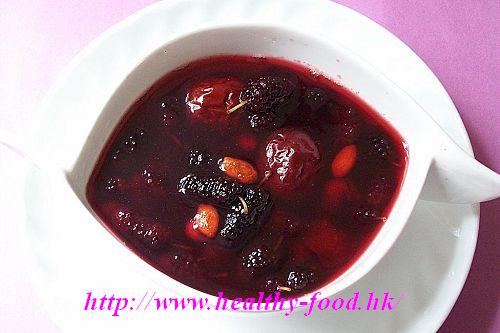
Mulberry, Ligustrum, and Goji Berry Tea
Traditionally used to nourish the liver and kidneys, support natural hair colour, and brighten the eyes
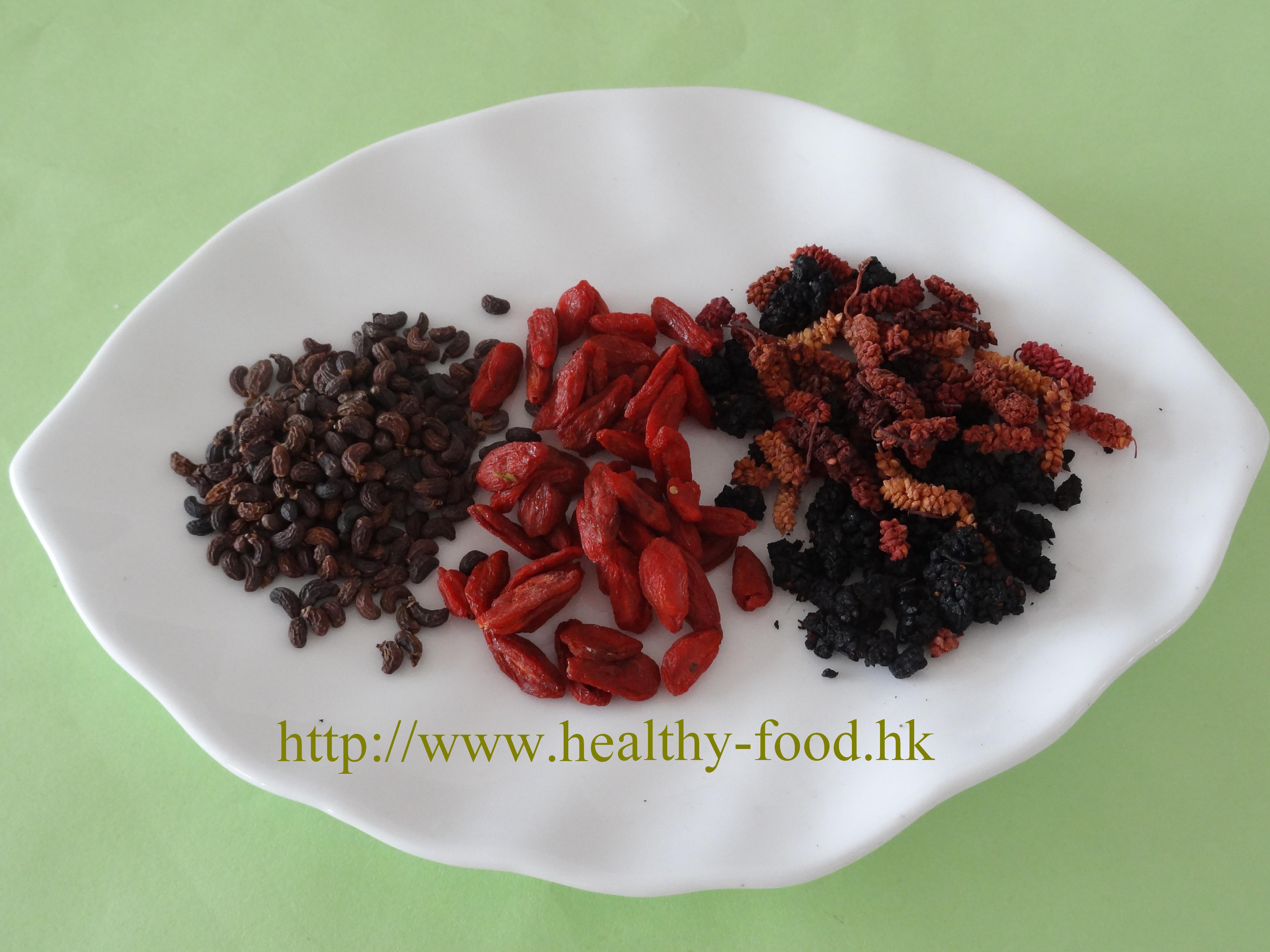
Why people make this tea
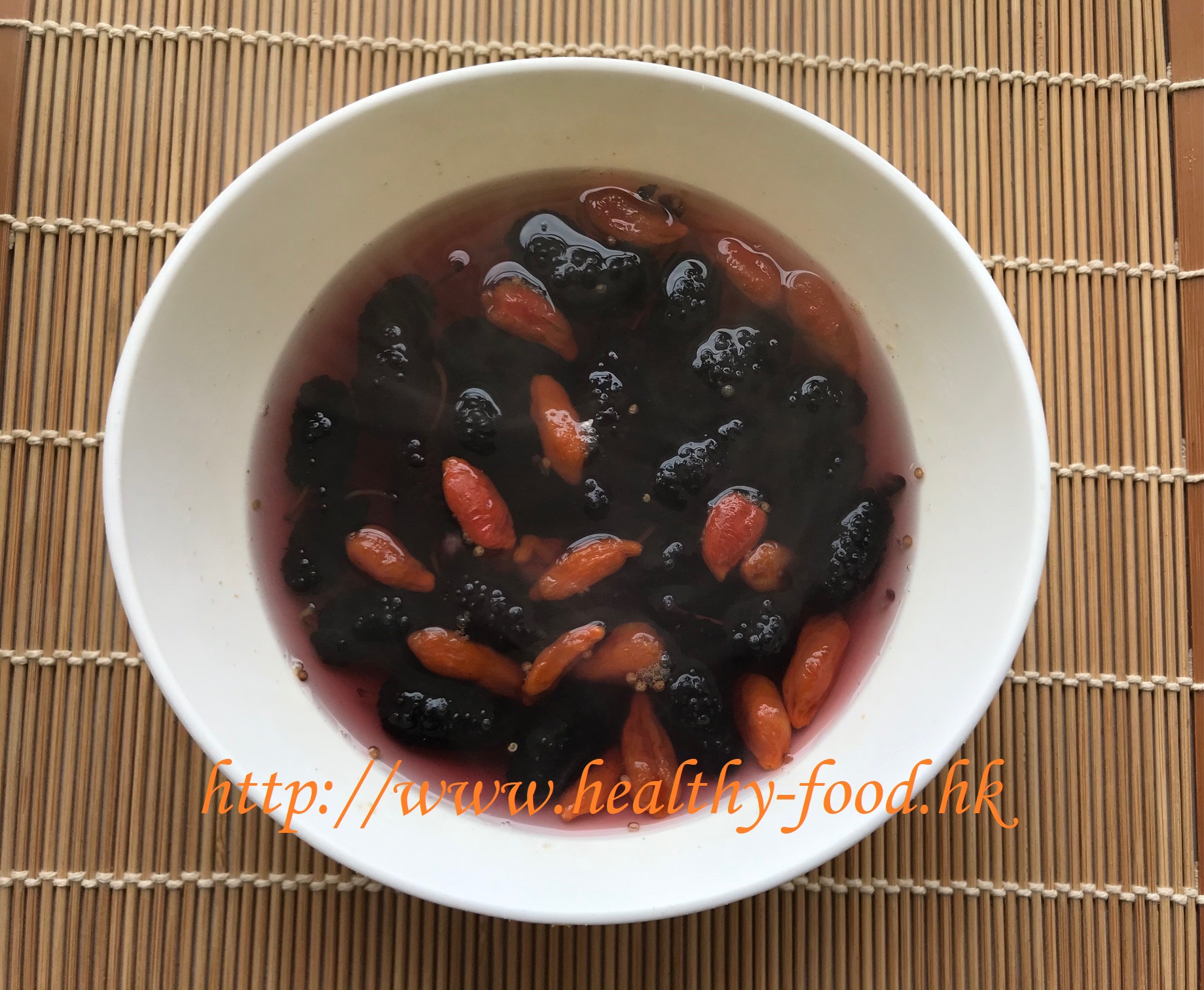
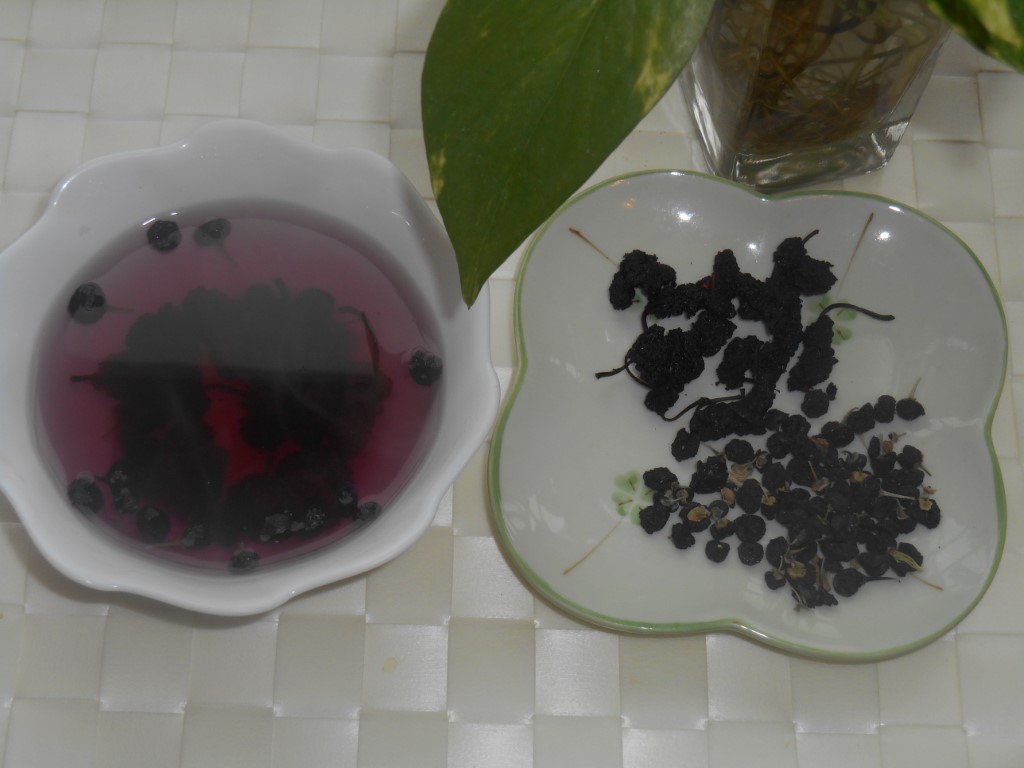
Premature grey hair, gradual hair thinning, and eyes that tire easily are, in Chinese food therapy, commonly viewed through the lens of liver and kidney health. The liver and kidneys are said to govern the quality of blood that nourishes hair follicles, and to store the essence that keeps the eyes clear and bright. When these stores run low — whether from ageing, overwork, stress, or blood loss — the hair may lose its colour and the eyes may feel dry or strained. Bro Niu came across two different varieties of dried mulberry at separate herb shops while testing this formula: one deeply black and the other reddish-brown. Both can be used for tea. The black variety is generally considered to have a more concentrated effect, but either works. This tea is mild, naturally sweet-tart, and easy to make as a daily or several-times-weekly drink.
Who it suits / who should be cautious
- Suitable for those experiencing premature greying, gradual hair loss related to liver-kidney deficiency, or general vision fatigue and decline.
- Also traditionally associated with supporting those who have lost significant blood postpartum, as well as people experiencing lower back and knee achiness linked to kidney deficiency.
- Generally suitable for most adults. Suitable for pregnant women (Bro Niu confirmed this in response to a reader question).
- Those with loose stools or a cold/damp constitution should use this tea in moderation, as all three berries have a moistening quality that can aggravate digestive looseness.
Why these ingredients (the food-therapy logic)
- Mulberry fruit (sang shen zi / Morus alba): A deeply nourishing yin tonic for the liver and kidneys; rich in anthocyanins, which give the black variety its colour. Traditionally associated with promoting lustre in hair, moistening the intestines, and supporting blood production. The black-ripe dried form is preferred, though the reddish-brown form is also used.
- Ligustrum berries (nu zhen zi / Ligustrum lucidum): A key liver-kidney tonic in TCM; one of the principal herbs in classic formulas for premature ageing, grey hair, and visual decline. Nu zhen zi can be steeped directly in a cup.
- Goji berries (gou qi zi / Lycium barbarum): Widely celebrated for protecting and brightening the eyes; also nourishes blood and liver yin. A gentle, pleasant-tasting addition that complements the other two berries.
Ingredients (2–3 cups)
| Ingredient | Amount | Notes |
|---|---|---|
| Mulberry fruit, dried (sang shen zi) | 19 g (5 qian) | Black variety preferred; reddish-brown works too |
| Ligustrum berries (nu zhen zi) | 15 g (4 qian) | |
| Goji berries (gou qi zi) | 15 g (4 qian) | Rinse well |
| Rock sugar (bing tang) | To taste | Add near the end of cooking |
| Water | 4 bowls (~1 L) | To yield about 2–3 cups of tea |
Method
- Rinse all three berries briefly in cool water.
- Place in a pot with 4 bowls of water.
- Bring to a boil, then reduce to a gentle simmer.
- Cook for approximately 40 minutes.
- Add rock sugar, stir to dissolve, and serve warm.
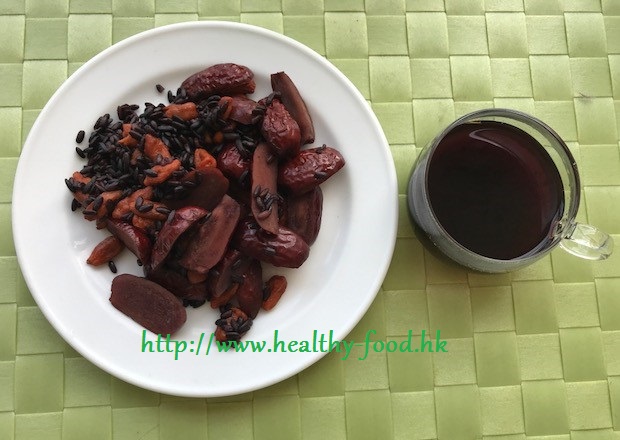
- The cooked berries can be eaten along with the tea.
Alternative — medicinal wine (optional): The same three berries can be used to make a medicinal wine. Soak them first in a small amount of rice wine (bai jiu) and steam gently for 15 minutes to open up the herbs. Allow to cool, then place in a glass jar and cover with rice wine (herb-to-wine ratio approximately 1:5). Leave to infuse for 10 days. Drink 1–2 tablespoons morning and evening.
Bro Niu’s tips
- For daily use, this tea can also be prepared by steeping in a cup: ligustrum berries can be placed in a thermos or steeping cup with boiling water for 20–30 minutes. Add goji berries and mulberry the same way.
- The black, fully ripe variety of dried mulberry is considered the most potent. If what you buy is the reddish-brown variety, it still works — the traditional therapeutic direction is the same.
- This tea is one of three herbs that Bro Niu also recommends infusing together in a medicinal wine — a traditional method for strengthening the liver-kidney tonifying action. See the method above.
- Consistency matters with this type of tea: drinking it two to three times a week over several weeks or months gives better results than occasional use.
Published October 9, 2012 · Adapted and translated for Nourilo from a traditional home-kitchen recipe. Approx. 3 min read.