Herbal & Flower Teas
Glehnia, Rehmannia and Dendrobium Decoction
traditionally used to nourish stomach yin, relieve dry mouth and ease gnawing stomach discomfort
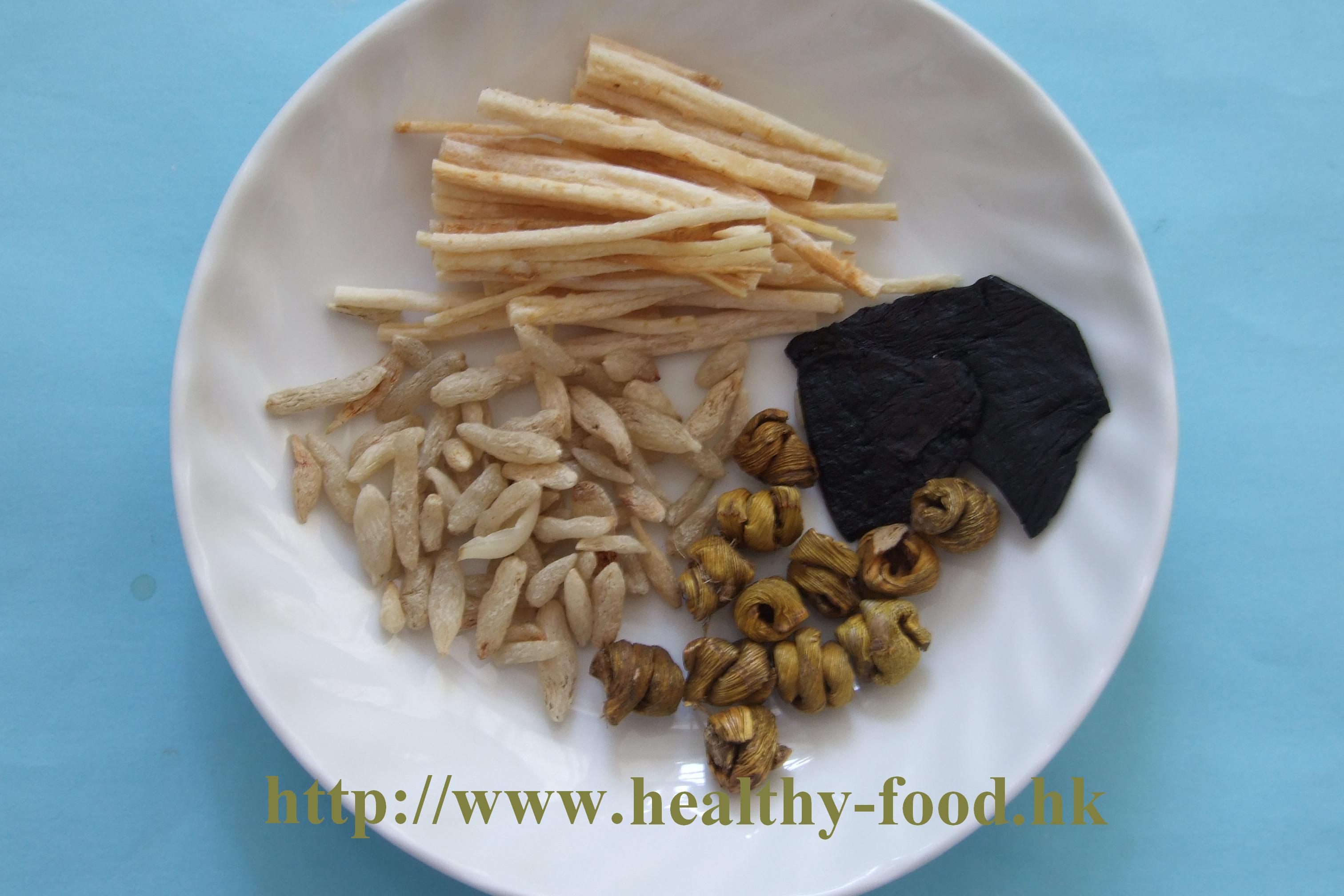
Why people make this tea
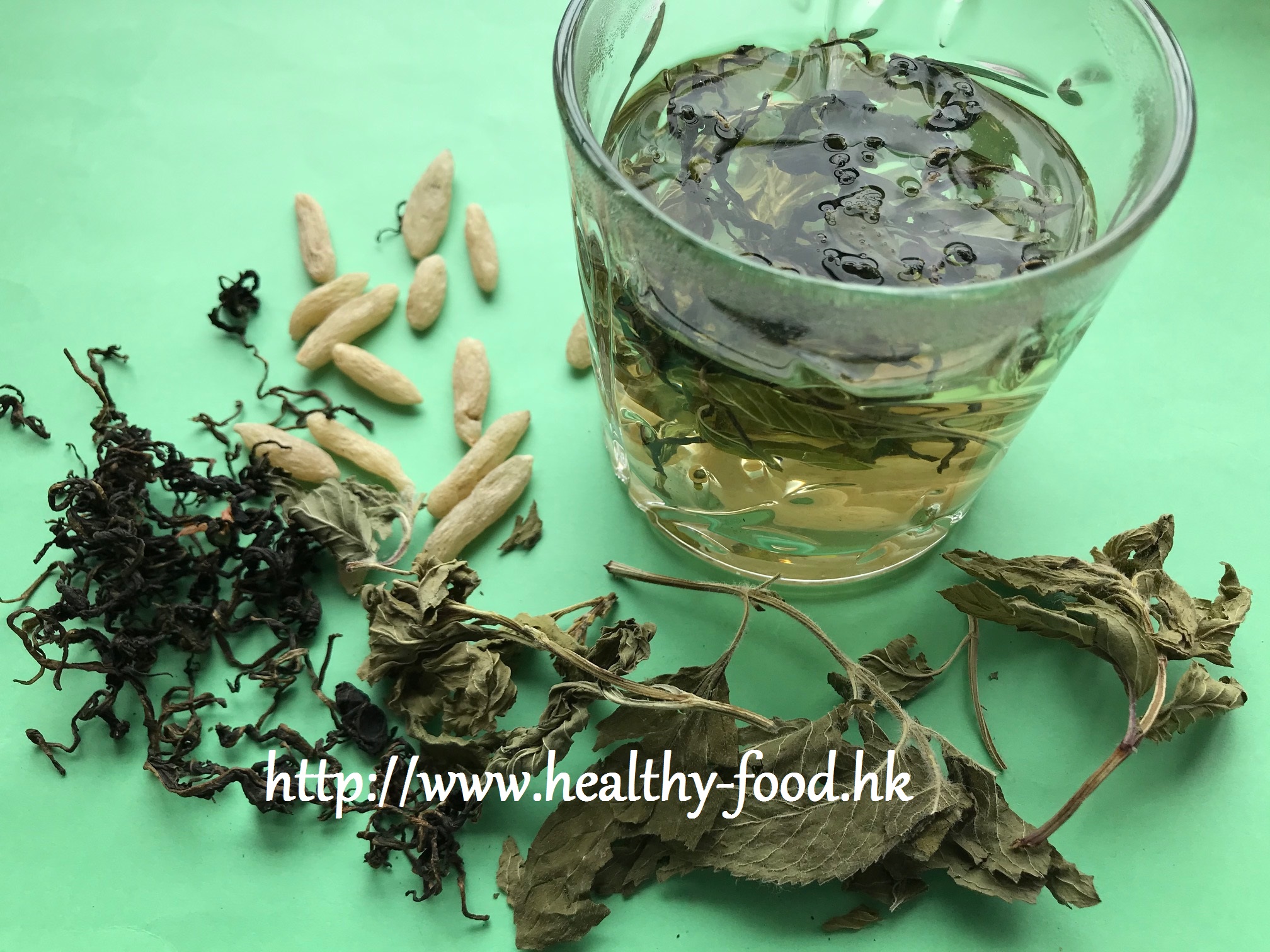
After a late-night banquet — the kind where abalone, fish maw and deep-fried crab claws appear in quick succession — Bro Niu found himself lying awake with a bloated, gnawing discomfort in his stomach. By the next morning the feeling had settled into something drier and more persistent: a bitter taste, a dry mouth, and that vaguely hollow, noisy stomach sensation that Chinese food therapy calls wei guan cao za (胃脘嘈杂). He brewed a pot of pu-erh tea first to cut through the richness, then cooked a batch of this four-herb decoction. The experience reminded him of something worth knowing: no food is too nourishing to cause harm if you eat too much at once, and the stomach’s yin — its moistening, digestive juice-producing capacity — is surprisingly easy to deplete with overindulgence, prolonged illness, or chronic stress.
Who it suits / who should be cautious
- People experiencing that specific gnawing, mildly burning stomach discomfort (not sharp pain), dry mouth, mild thirst, or reduced appetite — particularly if these follow overindulgence, prolonged illness, or exhaustion
- Those recovering from illness who have lost their appetite or find food unappealing
- Suitable for most adults; lean pork can be added to make it more sustaining
- Not suitable during active colds, flu, or any “exterior” illness — wait until you have fully recovered
- Children: keep herb quantities small and limit frequency; consult a practitioner for young children
- Dendrobium (shi hu) is a yin-nourishing herb and is generally well-tolerated, but it is best reserved for people with a clear yin-deficiency pattern rather than used indiscriminately
Why these ingredients (the food-therapy logic)
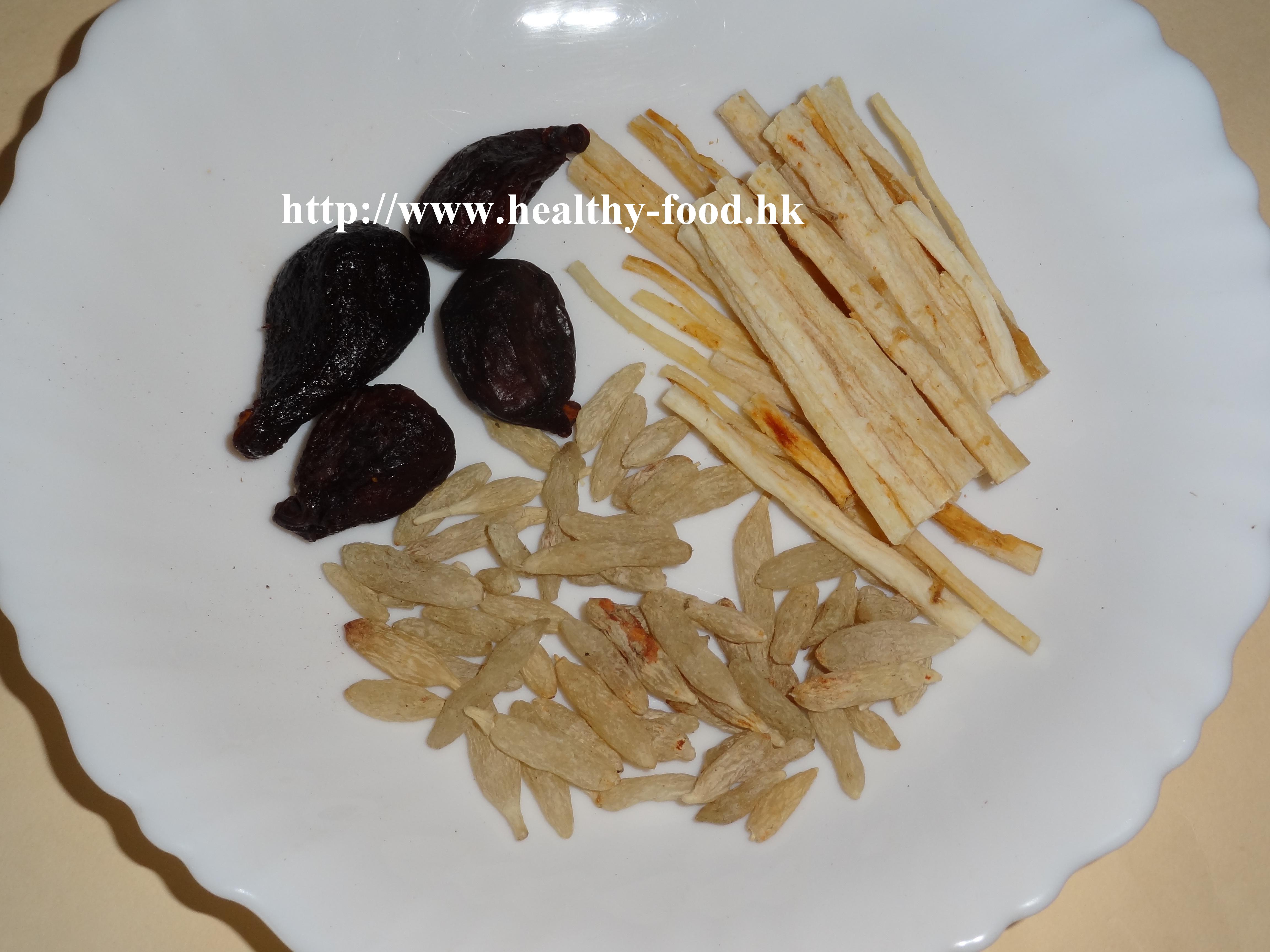
- Glehnia root (sha shen): Nourishes lung and stomach yin; associated with generating body fluids, easing dryness and supporting digestive function — particularly useful when the stomach’s moistening capacity has become depleted
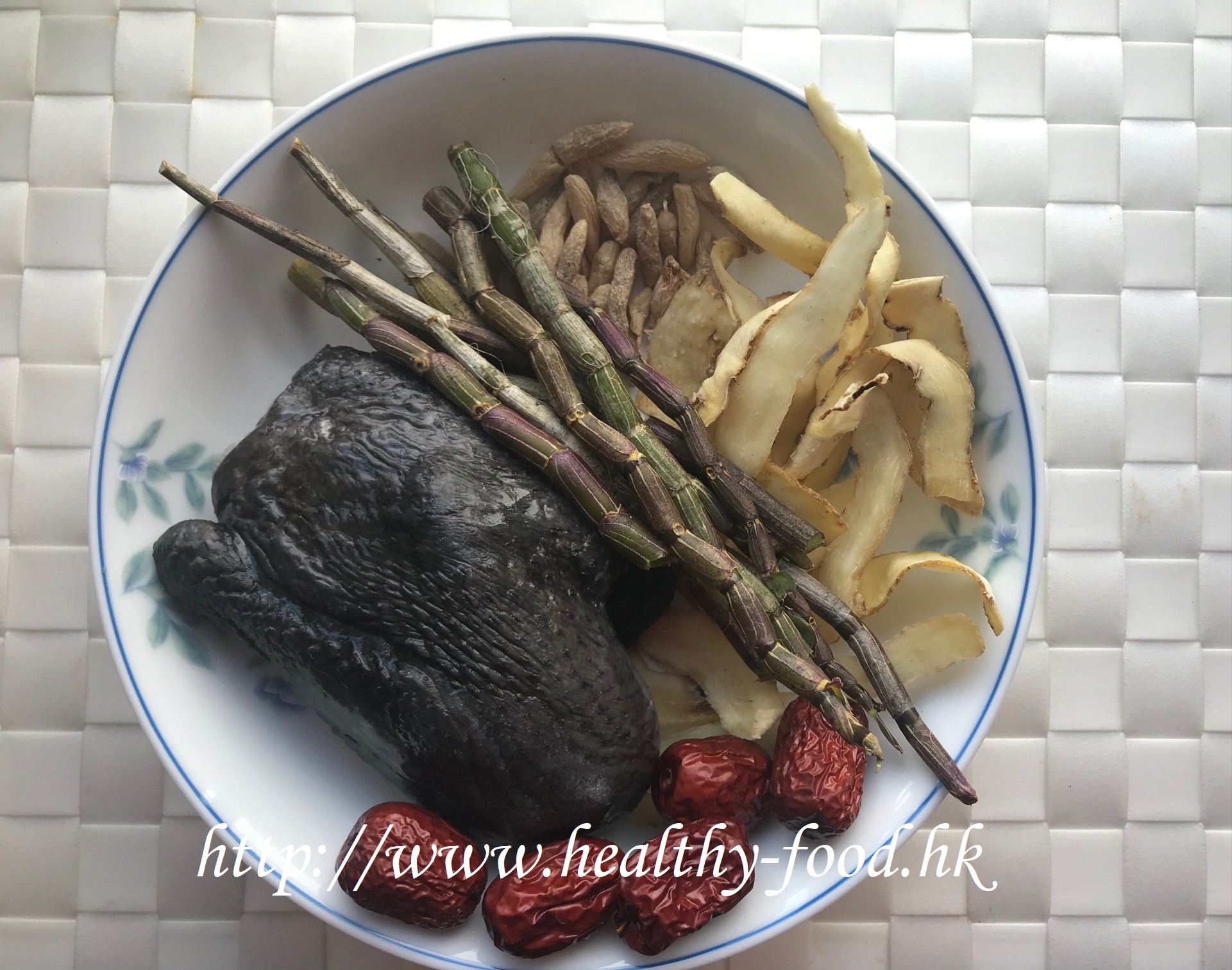
- Dendrobium (shi hu): Considered one of the key herbs for stomach yin; associated with generating fluids, clearing gentle heat without being too cooling, and supporting appetite; the Huoshan variety is considered premium but the more affordable jin chai variety is also effective
- Ophiopogon (mai dong): Nourishes stomach and lung yin; associated with clearing gentle heat and relieving a dry, uncomfortable sensation in the chest and stomach
- Raw rehmannia (sheng di): Cools and nourishes; raw (sheng) form is specifically for clearing heat from the blood and body fluids, which is why this recipe calls for sheng di rather than the more warming prepared (shu) form
Ingredients (2 bowls / 1 day)
| Ingredient | Amount | Notes |
|---|---|---|
| Glehnia root (sha shen) | 11 g (3 qian) | Available at Chinese herbal shops |
| Dendrobium (shi hu) | 11 g (3 qian) | Huoshan or jin chai variety; rinse before use |
| Ophiopogon root (mai dong) | 11 g (3 qian) | |
| Raw rehmannia (sheng di) | 19 g (5 qian) | Note: raw (sheng) form, not prepared (shu) form |
| Lean pork (optional) | 100–150 g | Optional; makes the decoction more sustaining |
Method
- Rinse all ingredients under cold water.
- Combine all herbs in a pot with 5 bowls (approximately 1 litre) of water.
- Bring to a boil, then reduce heat and simmer gently for about 1 hour until the liquid reduces to 2 bowls.
- Drink in two portions throughout the day, while warm.
- If adding lean pork: blanch the pork first, rinse and add with the herbs; simmer together for 1 hour.
Bro Niu’s tips
- The pot does not need to be a clay pot for this recipe — a stainless-steel pot is fine. Save the clay pot for recipes containing very sour or astringent ingredients (such as hawthorn, schisandra berries, unripe citrus peel), which can react with metal.
- The Huoshan dendrobium is the premium variety, but the more widely available jin chai dendrobium also works well and costs considerably less. The effectiveness difference is smaller than specialty shops sometimes suggest.
- If you cannot find Huoshan shi hu, the powdered or granule form of dendrobium from a reputable source can be dissolved in warm water as an alternative.
- For chronic, recurring stomach yin issues, this decoction can be taken 3 times per week over several weeks. For acute overindulgence, 2–3 days of the decoction is usually enough.
- A note on small children and herbs: Bro Niu is generally cautious about giving tonic herbs to young children. For a child with mild stomach yin symptoms, a lighter broth of bean curd, winter melon and fresh fish is more appropriate than a full herbal formula.
Community questions answered (selected)
-
Q (jj): I have been having stomach pain again — the usual medication is not working. I tend toward a cold constitution but my old practitioner once mentioned I also have some liver heat. What can I do? Bro Niu: For your pattern of stomach pain with cold constitution and possible liver heat — a combination that needs careful balance — one approach is a powder of mo yu gu (cuttlefish bone) 5 qian, zhe bei mu (Fritillaria thunbergii) 1 liang, ji nei jin (chicken gizzard lining) 5 qian and chuan lian zi (Szechuan chinaberry) 3 qian, ground fine and taken 2 teaspoons twice daily in warm water. When not in acute pain, try a broth of dang shen (codonopsis), sha ren (cardamom) 3 qian each, red dates and ginger with crucian carp — this helps reduce belching and settles the stomach.
-
Q (Ella): My husband has had left-sided abdominal discomfort for two weeks — a dull pressure rather than sharp pain — and his doctor said it is likely stomach and intestinal. What can he drink? Bro Niu: Try a broth of xiang fu (cyperus rhizome) and sha ren (cardamom) 3 qian each, with huai shan (Chinese yam), fu ling (poria) 5 qian each, chen pi (tangerine peel) 2 qian and red dates. Use 5 bowls of water, add the cardamom (lightly crushed) last, and simmer until reduced. Take 3 times and see if there is improvement.
-
Q (访客): Should Liu Wei Di Huang Wan (Six-Ingredient Rehmannia Pills) be taken before or after meals? Can I take them if I have a slight cough? Bro Niu: Tonic herbs are ideally taken before meals for better absorption. A slight cough is fine — just avoid taking them if you have an active fever, cold or blocked nose.
Published November 24, 2011 · Adapted and translated for Nourilo from a traditional home-kitchen recipe. Approx. 5 min read.