Home-Style Dishes
Garlic Vinegar
Traditionally associated with supporting circulation and metabolic health
Why people make this
Plenty of people shy away from garlic because of the after-smell — Bro Niu’s trick is to chew a little tea leaf or a couple of black dates afterwards and the odour clears. Garlic itself has long been prized in the kitchen, and garlic vinegar is a traditional home tonic taken by the spoonful, associated in folk practice with supporting circulation and metabolic balance. During flu season, many people take a couple of small teaspoons a day as an everyday measure.
Who it suits / who should be cautious
- People wanting a simple, long-standing home wellness tonic, taken in small daily amounts
- Avoid if you have yin-deficient heat signs, heat in the lungs or stomach, or eye problems linked to blood deficiency
- For children who prefer it sweeter you can use rock sugar; for elders or those watching blood sugar, use stevia leaf, whose sweetness does not raise blood sugar
Why these ingredients (the food-therapy logic)
- Garlic (suan tou): long valued in folk practice and traditionally associated with supporting circulation and overall vitality.
- Pure rice vinegar (mi cu): the infusing medium; brown-rice vinegar is considered best.
- Stevia leaf (tian ju ye): a natural sweetener whose sweetness does not raise blood sugar, so it suits elders and those watching sugar.
Ingredients (1 jar)
| Ingredient | Amount | Notes |
|---|---|---|
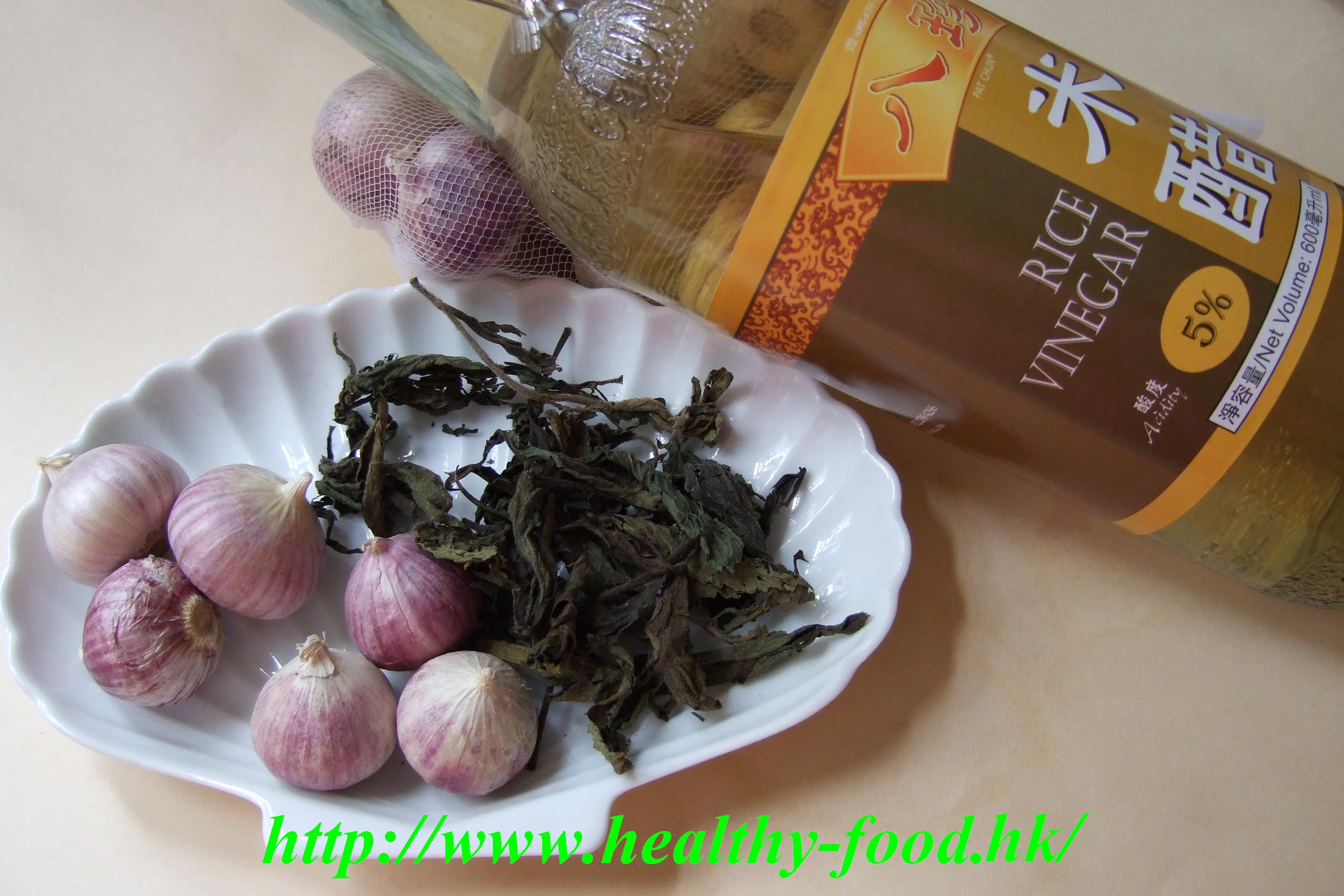
| Single-clove or purple-skin garlic (suan tou) | half a catty (~300 g) | Peel; do not wash |
| Pure rice vinegar (mi cu) | 1 catty (~600 g) | Brown-rice vinegar preferred |
| Stevia leaf (tian ju ye) | 1 small pinch | Or rock sugar for children |
Method
- Heat the pure rice vinegar, add the stevia leaf, and bring to a boil.
- Turn off the heat, let it cool, then strain out the stevia leaf.
- Peel the garlic and slice it (do not wash).
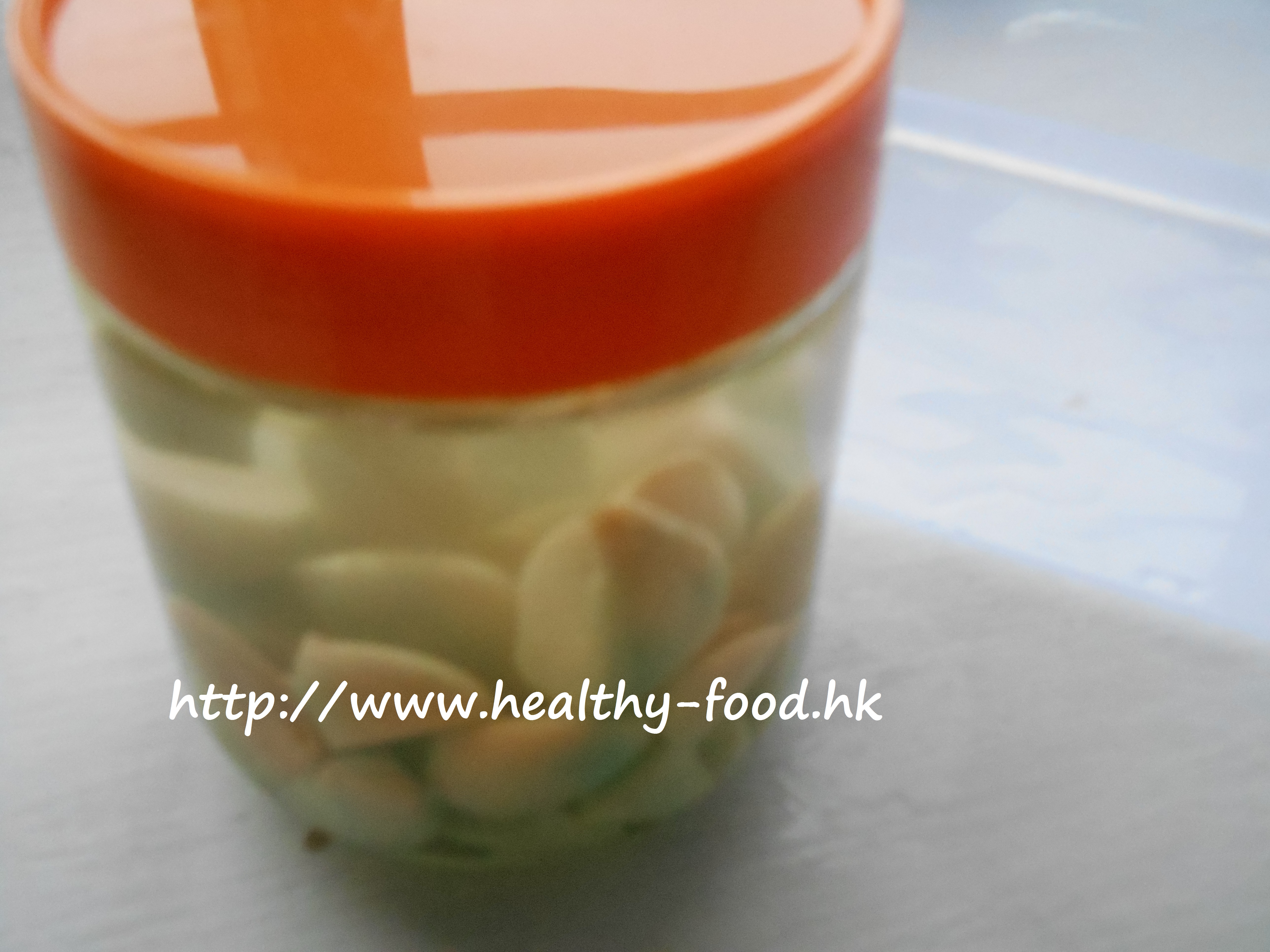
- Place the garlic in a glass jar and pour in the sweetened vinegar.
- Keep in a cool, shaded place for at least 4 months before use.
- Take 1 small teaspoon morning and evening, diluted in warm water.
Bro Niu’s tips
Garlic vinegar is a traditional everyday tonic, but it is not for everyone: those with yin-deficient heat, heat in the lungs or stomach, or blood-deficiency eye conditions should not take it.
Community questions answered (selected)
- Q (Miu Lee): I have a bottle of garlic vinegar that has been steeping for 3 or 4 years and I forgot to drink it. Can I still use it? Bro Niu: If there is no mould and no off smell, it is fine to drink.
- Q (Betty): Can someone with high uric acid drink garlic vinegar — would it raise uric acid further? Bro Niu: Those with high uric acid can take garlic vinegar. High-purine foods — beans, mushrooms, shellfish and seafood, organ meats, beer — leave uric acid as their metabolic waste, so those are the foods to avoid or limit.
- Q (石石): My father turns 92 this December and was just diagnosed with a 13 cm liver tumour. Can he eat garlic and ginger? Bro Niu: Garlic and ginger can be eaten in moderation, but not too much, to avoid heatiness. For liver concerns, please follow your doctor’s care.
Published October 6, 2010 · Adapted and translated for Nourilo from a traditional home-kitchen recipe. Approx. 3 min read.