Rice & Staples
Garlic-Steeped Rice Vinegar
Traditionally associated with supporting cardiovascular health and circulation
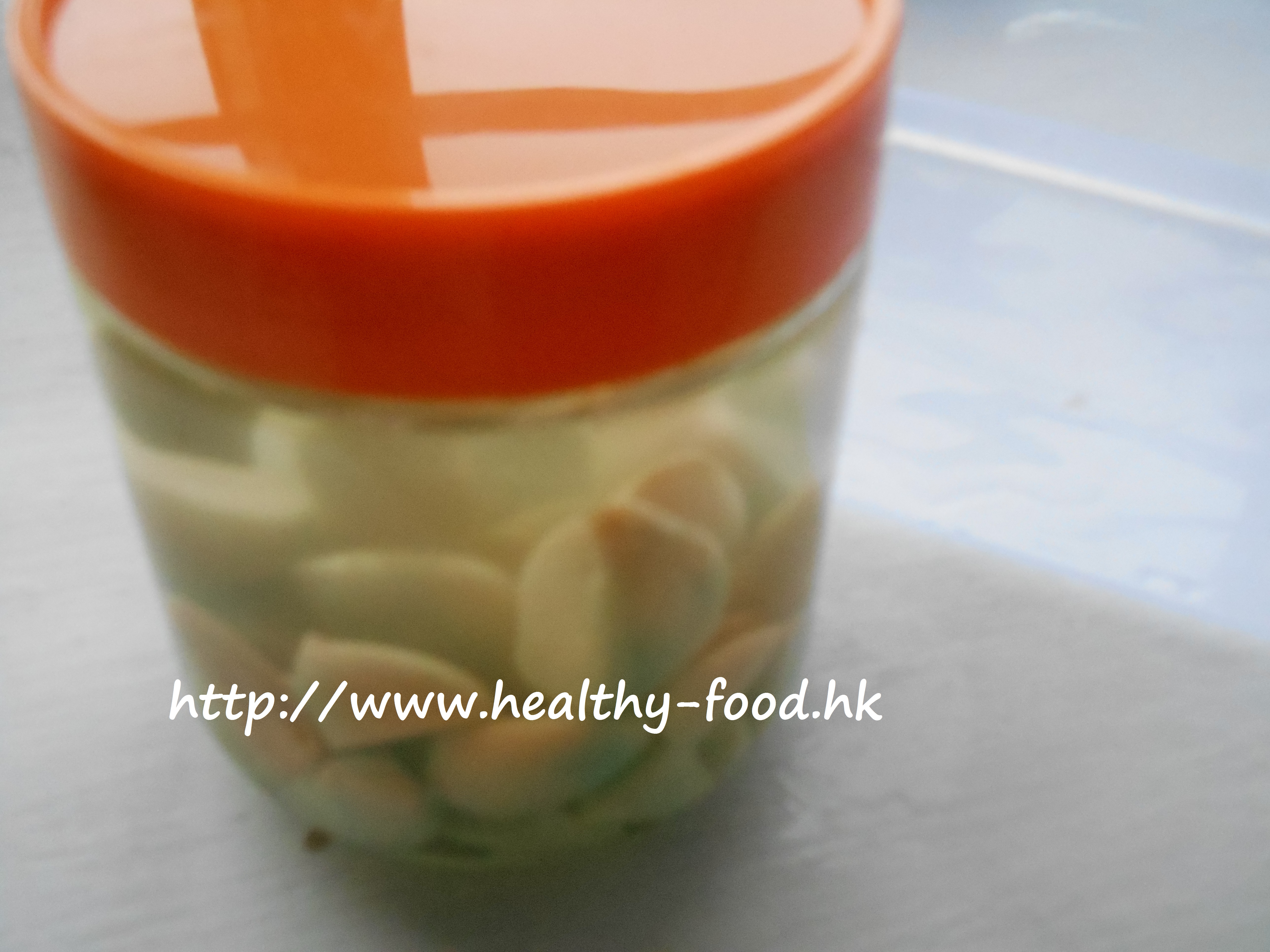
Why people make this preparation
Garlic steeped in rice vinegar is one of the simplest and most enduring remedies in Chinese home wellness. The idea is that both garlic and quality vinegar carry complementary properties — garlic has been used for millennia to support circulation and immune function, while rice vinegar is prized for its mildness and traditional role in helping the body process fats. Together, they have been passed down through generations as a way to support cardiovascular health, particularly for people navigating the challenges of high blood pressure, elevated cholesterol, and the concern of stroke risk.
Who it suits / who should be cautious
- Those looking for a gentle, everyday supplement to support cardiovascular wellness as part of a balanced lifestyle
- People with high blood pressure, high cholesterol, or a family history of stroke (always in addition to, not instead of, medical care)
- Those who enjoy the sharp, mellow flavour of aged garlic vinegar as a condiment or taken in small amounts
- People with excess stomach acid should take this preparation only after meals, and may wish to dilute it or add a little sugar to soften the acidity
- Those with a sensitive stomach or gastritis should proceed with caution and reduce the amount used
Why these ingredients (the food-therapy logic)
- Garlic (suan zi / da suan): In Chinese food-therapy tradition, garlic is considered warming and pungent, associated with clearing toxins, promoting circulation, and supporting the lung and spleen. Modern nutritional research has also examined compounds in garlic — particularly allicin — for their potential role in cardiovascular health.
- Rice vinegar (mi cu): Traditional Chinese medicine values rice vinegar for its sour flavour, which is associated with the liver meridian. It is considered to help disperse stagnation, aid digestion, and support the breakdown of fats. Pure, high-quality rice vinegar — not synthetic acetic acid — is essential for both flavour and efficacy.
Ingredients (1 jar)
| Ingredient | Amount | Notes |
|---|---|---|
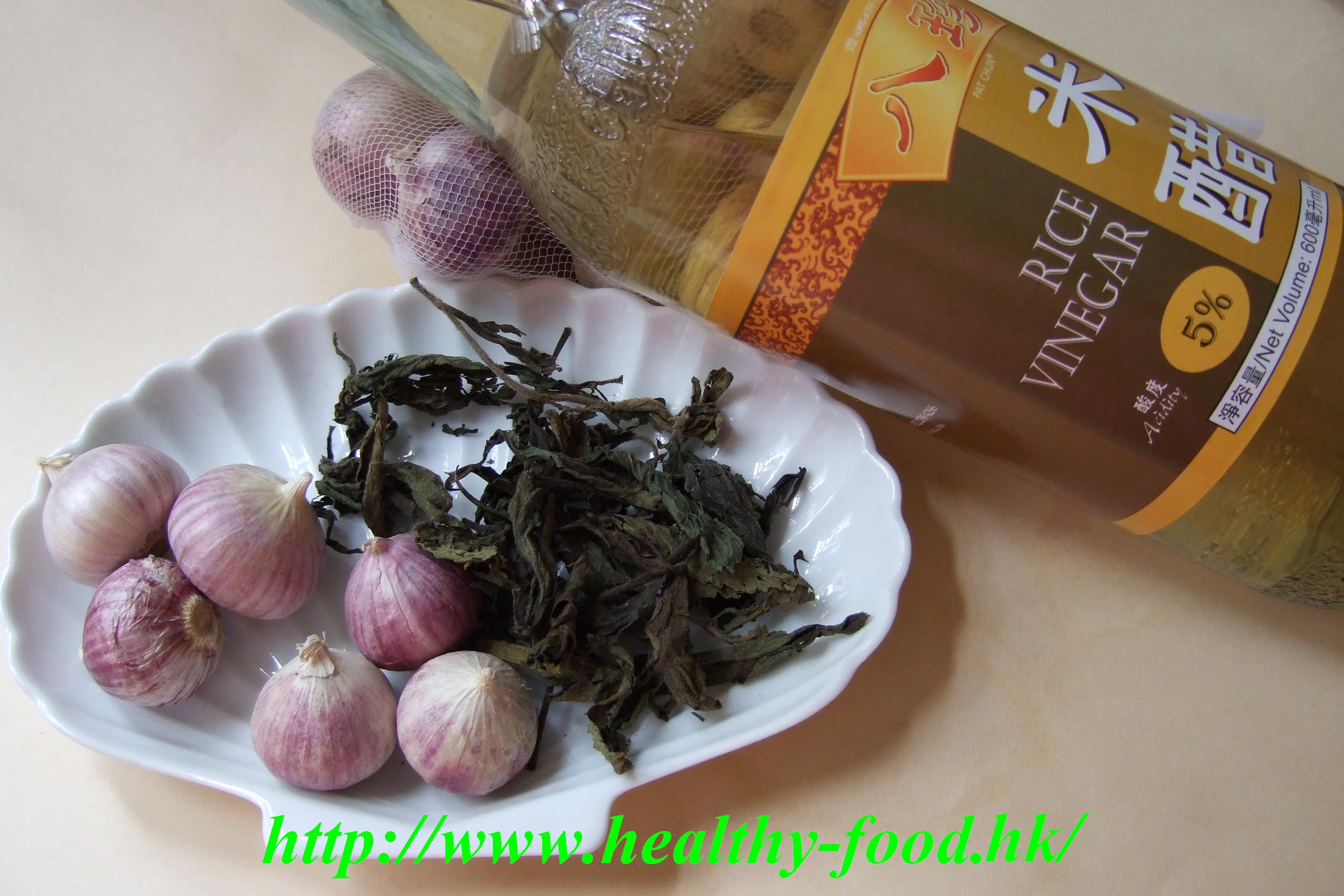
| Garlic cloves, peeled | Half a jar | Solo garlic (independent cloves) or regular cloves both work |
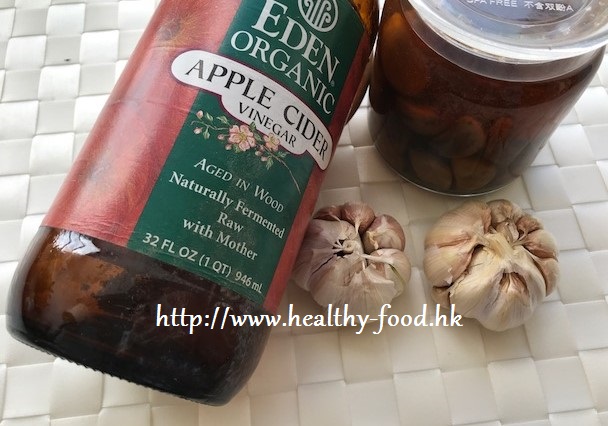
| Pure rice vinegar, brown rice vinegar, or apple cider vinegar | Fill the jar (roughly double the garlic volume) | Quality matters — choose a naturally fermented, pure product |
Method
- Peel the garlic cloves and place them into a clean glass jar, filling it roughly halfway.
- Pour in the vinegar until the jar is full, so the ratio of garlic to vinegar is approximately 1:2.
- Seal the jar and store it in a cool, dark place.
- Allow it to steep for approximately four weeks before use. The garlic will initially turn blue-green — this is a normal chemical reaction involving allicin and is not a sign of spoilage. Wait until the cloves return to their natural colour before consuming.
Bro Niu’s tips
The blue-green colour that appears in the first week or two is simply a reaction between allicin and the acidic environment — completely harmless. Once the garlic returns to its pale, ivory colour, the preparation is ready to use. Beyond cardiovascular support, this preparation has also been used traditionally to assist with the “three highs” and as a general wellness tonic. Take a small amount daily — typically a few cloves and a spoonful of the vinegar — ideally after a meal if your stomach is sensitive. As long as there is no off smell and no mould, the preparation remains usable even after a year or two of steeping.
Community questions answered (selected)
-
Q (Mrs Kwok): I have hereditary high cholesterol and tried taking garlic vinegar every evening after dinner. After one to two months I noticed significant hair loss, especially when washing my hair. Is this a normal reaction? What can I take instead? Bro Niu: A doctor friend of mine uses fresh sweet green peppers — he juices one large pepper every day and has found his cholesterol stabilised after two months. It’s just a vegetable, so there are no side effects, and sweet peppers are not cooling in nature. Try it and see. If the taste is too strong on its own, you can add half an apple when juicing.
-
Q (reader “Noodle”): Thank you for your guidance, Bro Niu. Bro Niu: As long as there is no off smell and no mould, garlic vinegar that has been steeping for a long time is still perfectly usable.
-
Q (reader “Kuanxin”): I have a jar of solo-garlic rice vinegar that has been steeping for over a year. I noticed it has turned brownish and looks a little cloudy. Is it still safe to use? Bro Niu: As long as the taste and smell have not noticeably changed for the worse, it should be fine to use.
Published October 23, 2016 · Adapted and translated for Nourilo from a traditional home-kitchen recipe. Approx. 4 min read.