Home-Style Dishes
Garlic Stir-Fried Sweet Potato Leaves
Traditionally used to support the stomach and ease the bowels
Why people make this dish
Sweet potato leaves are tough, easy-going plants that grow almost anywhere and can be harvested any time — which is why, in the old days, they were mostly used as pig feed. But research in more recent years has turned that reputation around: the leaves are now recognised for several health-supporting qualities and are counted among the top antioxidant vegetables. Studies point to a high mucoprotein content that is associated with helping keep blood vessels supple, plenty of coarse fibre that helps keep the bowels clean and moving, and other benefits that earned the leaves the nickname “longevity greens.” No wonder Bro Niu likes to keep this simple garlic stir-fry in regular rotation.
Who it suits / who should be cautious
- A friendly everyday dish; traditionally said to support qi, the spleen and the bowels.
- Traditionally favoured for nursing mothers who feel weak in qi and blood, and as a supportive choice for looking after the heart and blood vessels.
- Suitable for children and for new mothers, since cultivated sweet potato leaves rarely need pesticides.
- Important caution: use only cultivated leaves. Do not gather wild or roadside sweet potato leaves — wild soil may carry heavy metals or other harmful substances, and look-alike plants can be toxic. If your mouth feels numb after eating a wild green, that signals poisoning — stop at once and please see a doctor.
Why these ingredients (the food-therapy logic)
- Sweet potato leaves (fan shu ye): the star green, traditionally associated with supporting qi, the spleen and the bowels, and rich in fibre that helps keep the bowels moving.
- Garlic (suan rong): adds fragrance and lift to the stir-fry.
Ingredients (2–3 servings)
| Ingredient | Amount | Notes |
|---|---|---|
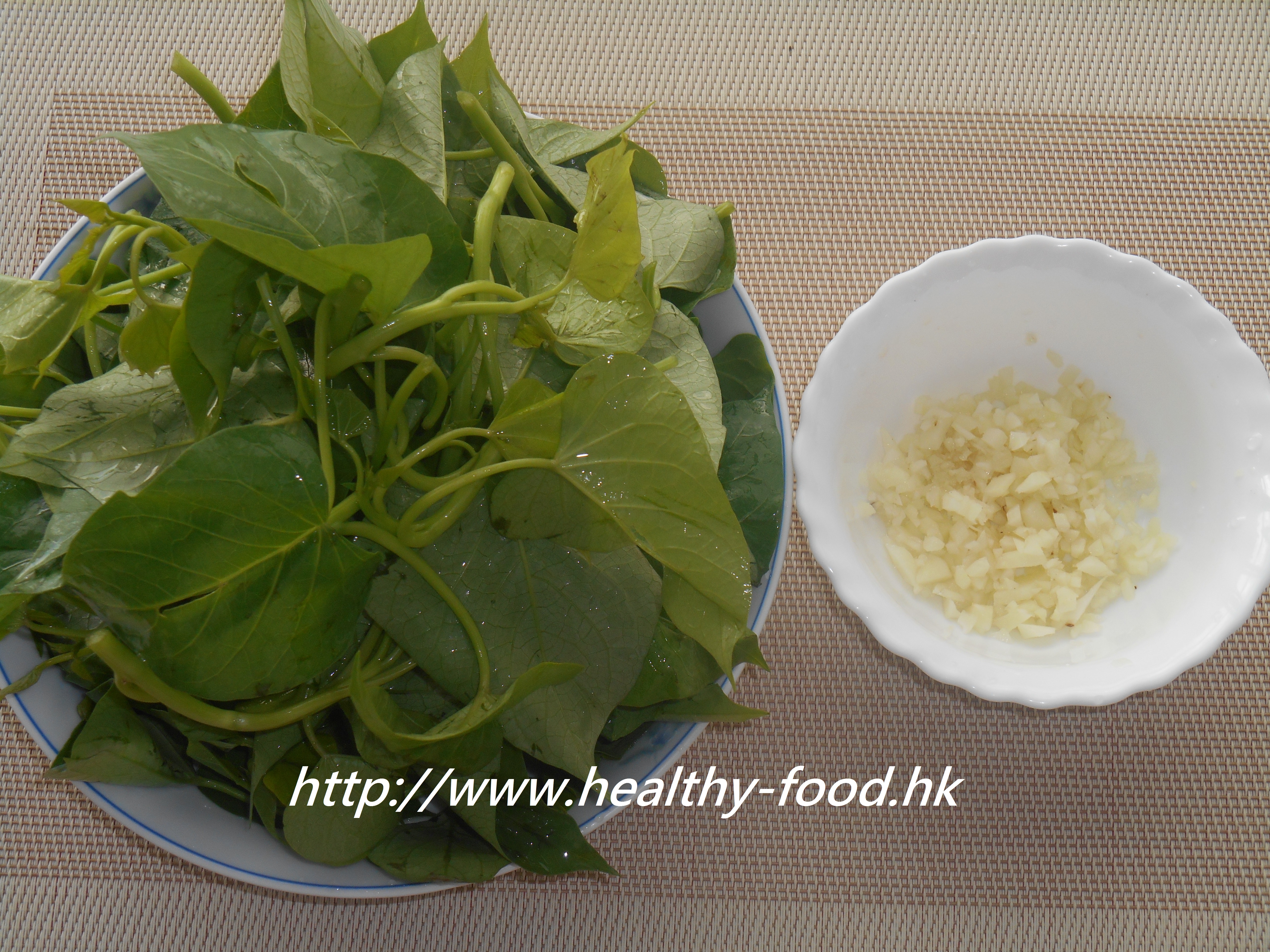
| Sweet potato leaves (fan shu ye) | 12 taels (~450 g) | Cultivated only — never wild/roadside |
| Minced garlic (suan rong) | 1 tablespoon | |
| Cooking oil | for the pan | |
| Seasoning | to taste | Salt etc. |
Method
- Wash the sweet potato leaves and trim away the tough, old stems.
- Heat oil in a wok and fry the minced garlic until fragrant.
- Add the sweet potato leaves and toss-fry over high heat.
- Season to taste and continue stir-frying until the leaves are tender. Serve.
Bro Niu’s tips
Because sweet potato leaves are so hardy, they are usually grown without pesticides, which makes the dish suitable for children and for new mothers. If you would like a soup instead, blanch the leaves into a quick soup with some goji berries and lean pork — that version is traditionally associated with helping protect the eyes.
Community questions answered (selected)
- Q (Jennifer): Near where I live there are lots of wild sweet potato leaves by the road, but the tips of the stems are purplish-red. I once picked the purplish-red young leaves and blanched them in salted oil-water; the water turned purplish-red and the texture was tender, but as soon as I finished eating, my mouth felt slightly numb. Why is that? Bro Niu: Try to avoid picking roadside wild greens or wild sweet potato leaves to eat. Many plants look similar but are not necessarily edible — and you do not know what is in the wild soil, which may contain heavy metals or other harmful substances that the plant absorbs and that then harm you. In short, if your mouth feels numb after eating a wild green, that means poisoning. Quickly make a sweet soup with green mung beans (~75 g) and licorice (~7 g) to drink, which can help relieve plant toxins and even small amounts of heavy-metal or arsenic poisoning — but if you still feel unwell after drinking it, go to hospital at once. Wild mushrooms can be even more dangerous; never gather wild plants carelessly to eat.
Published June 15, 2015 · Adapted and translated for Nourilo from a traditional home-kitchen recipe. Approx. 3 min read.