Soups
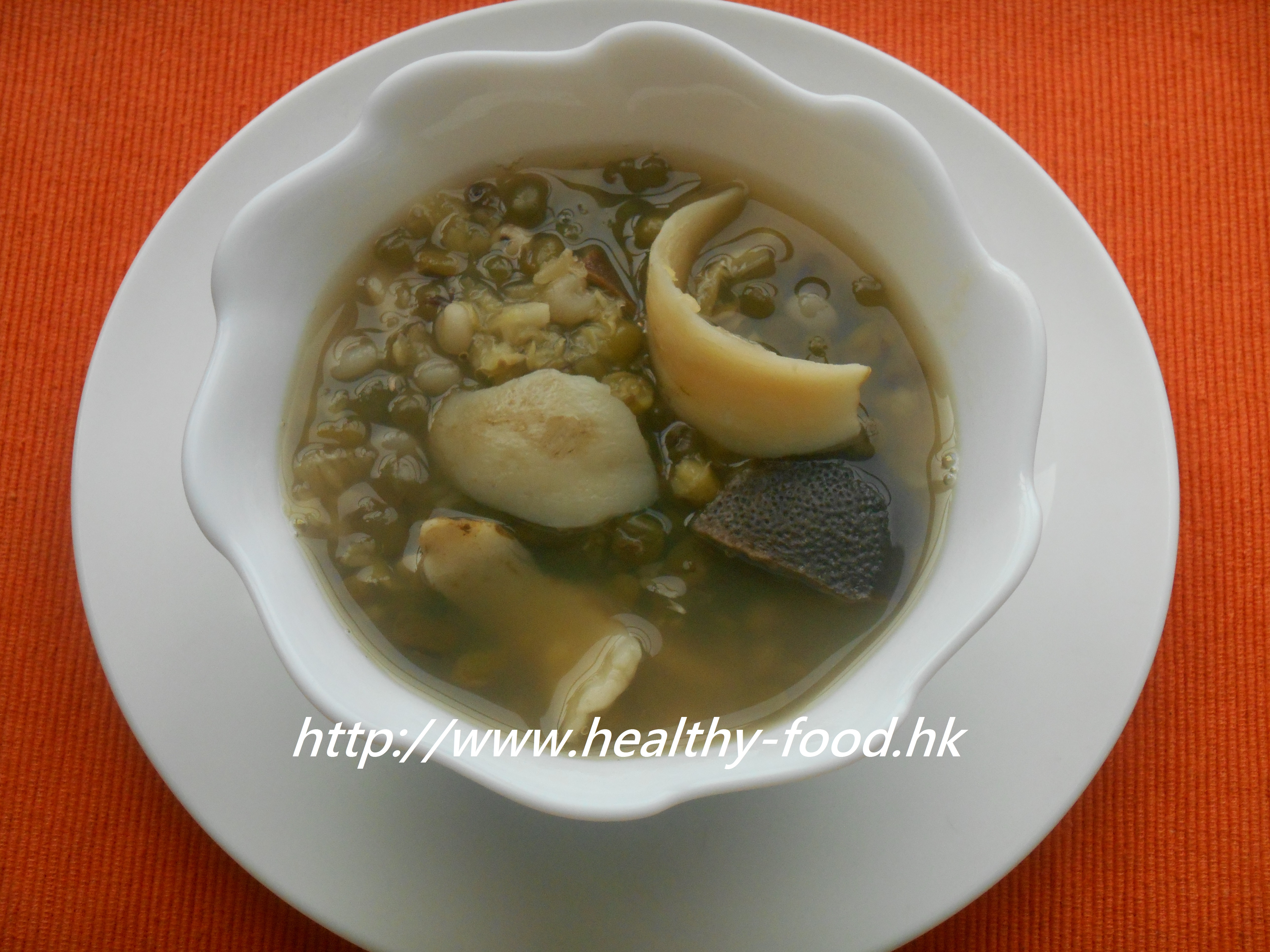
Fresh Lily Mung Bean Sweet Soup
traditionally used to clear summer heat, calm the mind, and support restful sleep
Why people make this soup
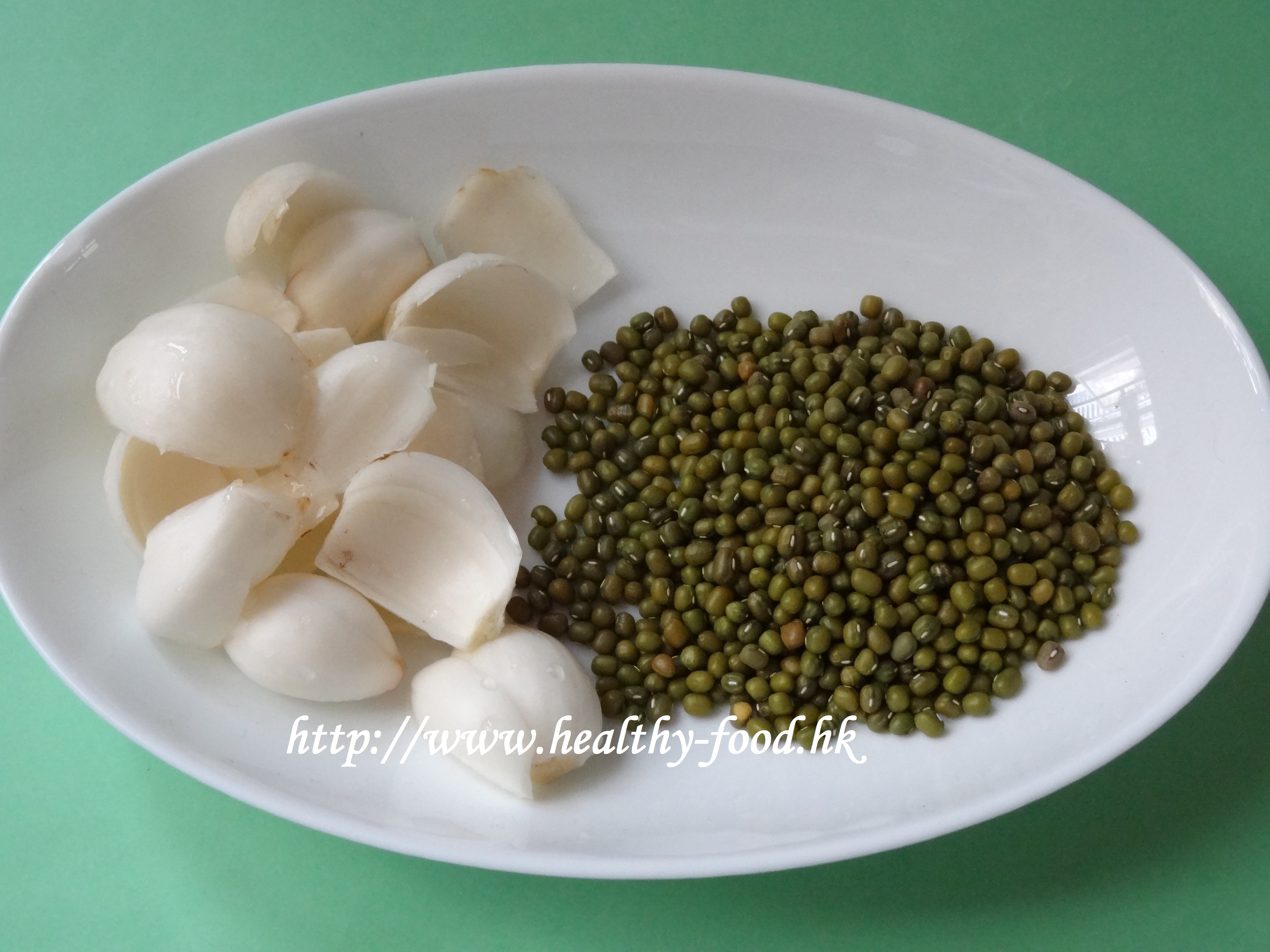
On a sweltering summer night, when the heat lingers indoors and a good night’s sleep feels out of reach, this is the soup Bro Niu reaches for. It has only three ingredients: mung beans, fresh lily bulbs, and a little rock sugar — yet the combination is wonderfully satisfying. In traditional Cantonese food therapy, the pairing of mung bean and lily bulb is one of the classic summer combinations, valued both for its cooling quality and its calming effect on the mind.
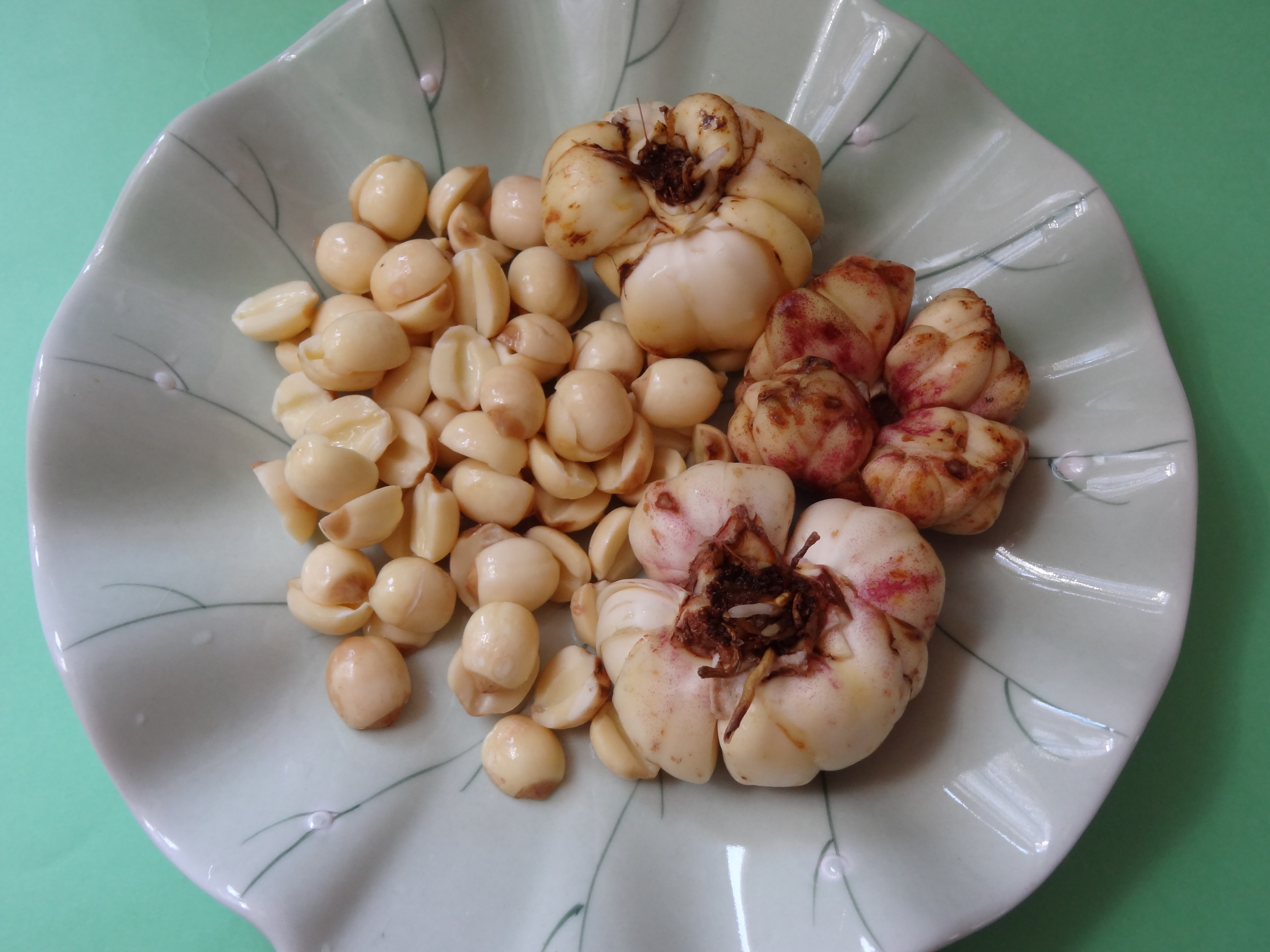
Fresh lily bulbs have a delicate, slightly sweet flavour and a soft, silky texture when cooked. They are available at Chinese and Asian grocery stores in summer. Dried lily bulbs can be substituted with equal effectiveness, though the fresh version has a more elegant taste.
Who it suits / who should be cautious
- Suitable for most adults and children as a summer dessert or cooling drink.
- Mung beans and lily bulbs are both mildly cooling in nature; people with a cold constitution or sensitive stomachs may prefer to pair this with a warming meal.
- People with G6PD deficiency should consult a doctor before consuming mung beans, as some individuals with this condition are advised to avoid them.
- For those who prefer not to use rock sugar, slab sugar (pian tang) can be used — though Bro Niu notes that rock sugar is the traditional choice for this dish, as it is considered more cooling and moistening than slab sugar.
Why these ingredients (the food-therapy logic)
- Mung beans (lu dou): One of the most widely used ingredients in summer food therapy across Asia, mung beans are traditionally associated with clearing heat, supporting detoxification, and promoting fluid balance. Importantly, the skin holds much of this benefit — Bro Niu advises leaving the skins on and not skimming them off during cooking.
- Fresh lily bulb (xian bai he): In traditional Chinese food therapy, lily bulb is associated with moistening the lungs, calming the heart, and supporting restful sleep. It has a gentle, slightly floral flavour that complements the earthiness of mung beans.
- Rock sugar (bing tang): Considered mildly cooling and moistening in traditional Chinese cooking, and preferred over plain white sugar for dishes intended to clear heat.
Ingredients (3–4 bowls)
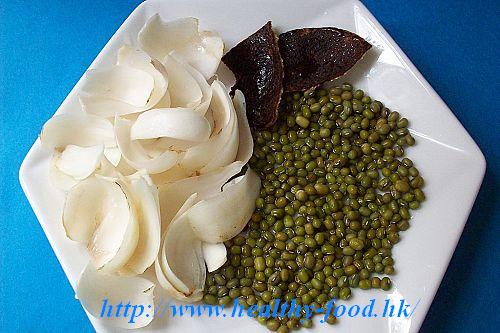
| Ingredient | Amount | Notes |
|---|---|---|
| Mung beans | 75 g (2 oz) | Soaked in water for 1 hour, water discarded |
| Fresh lily bulb | 2 bulbs | Petals separated and rinsed |
| Rock sugar | To taste | Add near the end |
Method
- Soak the mung beans in water for 1 hour, then drain and discard the soaking water.
- Separate the lily bulb into individual petals and rinse thoroughly.
- Place the drained mung beans in a pot with 6 bowls (about 1.5 litres) of water. Bring to a boil, then reduce to a medium-low simmer for 40 minutes.
- Add the lily bulb petals and rock sugar. Simmer for a further 15 minutes until the lily bulb is soft and the sugar has dissolved.
- Serve warm or at room temperature. This soup can also be chilled, though frequent cold drinks are not recommended for those with a sensitive digestive system.
Bro Niu’s tips
Do not remove the mung bean skins when they float to the surface during cooking — the skin contains much of the beneficial properties of the bean and is perfectly fine to eat. Rock sugar gives the cleanest, most cooling flavour for this dish; slab sugar has more of an activating, warming quality and is not the traditional choice here. Dried tangerine peel (chen pi) or water chestnuts (ma ti) can be added for extra flavour if desired.
Community questions answered (selected)
-
Q (man): Halfway through cooking, the mung bean skins float to the surface. If I skim them off, does that reduce the soup’s cooling effectiveness? Bro Niu: Yes, please leave the skins in. The skin of every bean — mung beans included — holds the most potent part. The cooling and detoxifying effect of mung beans is primarily in the skin, so it is best to eat everything together.
-
Q (reader): Can I use slab sugar instead of rock sugar? Is the effect the same? Bro Niu: Rock sugar is cooling and moistening; slab sugar has an activating, blood-moving quality. For a cooling summer sweet soup like this one, rock sugar is the traditional and preferred choice.
-
Q (fire-horse-junxing): My child ate this soup and about an hour later had mild stomach pain, gas, and a cold feeling in the tummy. Does this mean the child has a cold constitution and should not eat this? Bro Niu: The soup itself is mildly cooling. It may simply be that the child’s digestive system is a little sensitive. To warm the stomach, you can cook a small cup of dried ginger (gan jiang) and brown sugar in water and give that to the child. A cold constitution does not mean the child can never have this soup — just serve it at room temperature rather than chilled, and perhaps less frequently.
Published July 31, 2013 · Adapted and translated for Nourilo from a traditional home-kitchen recipe. Approx. 4 min read.