Soups
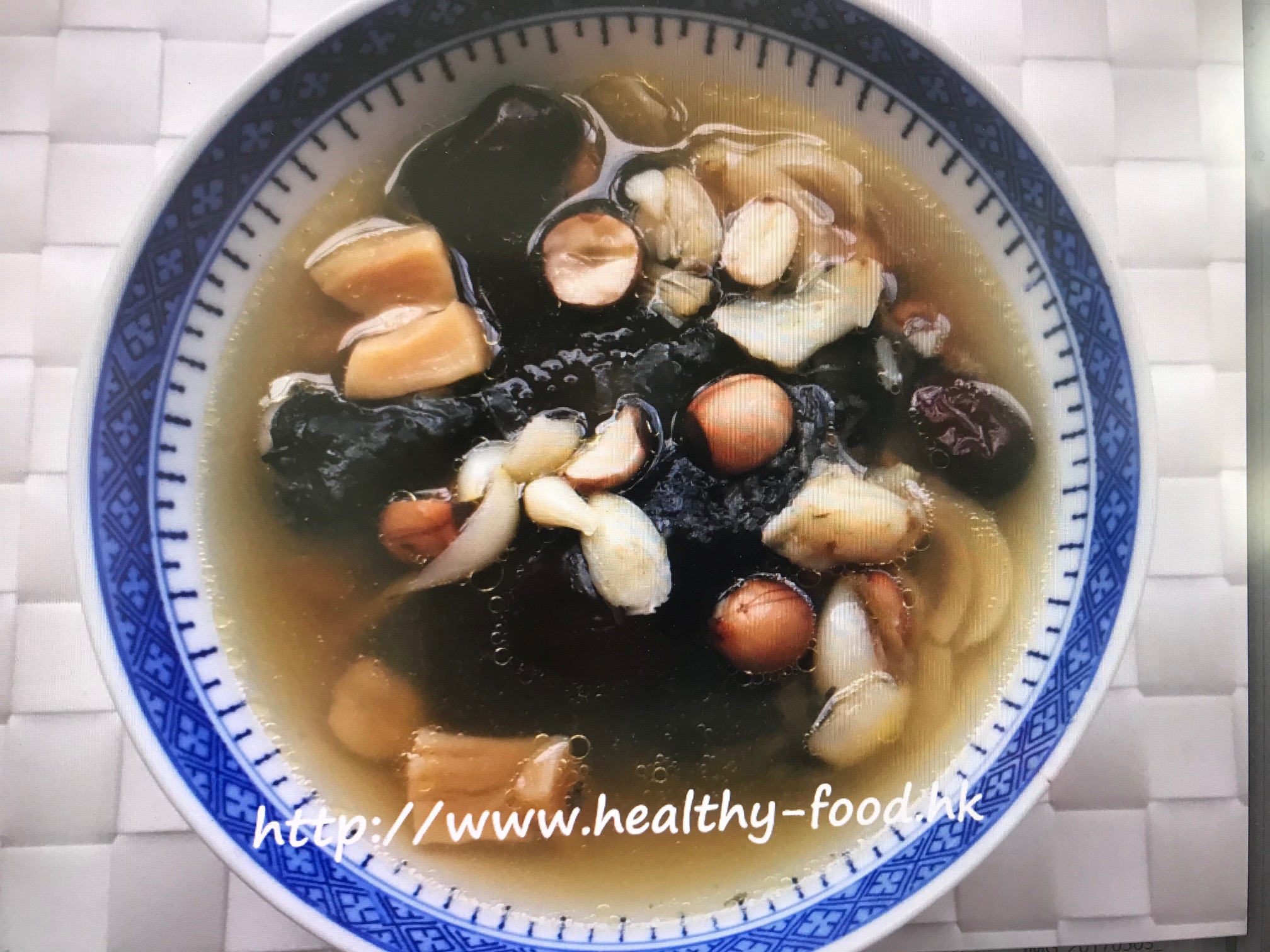
Ginkgo Nut, Euryale Seed & Dried Oyster Soup
supports kidney consolidation and healthy sleep; traditionally associated with reducing night urination and easing excessive vaginal discharge
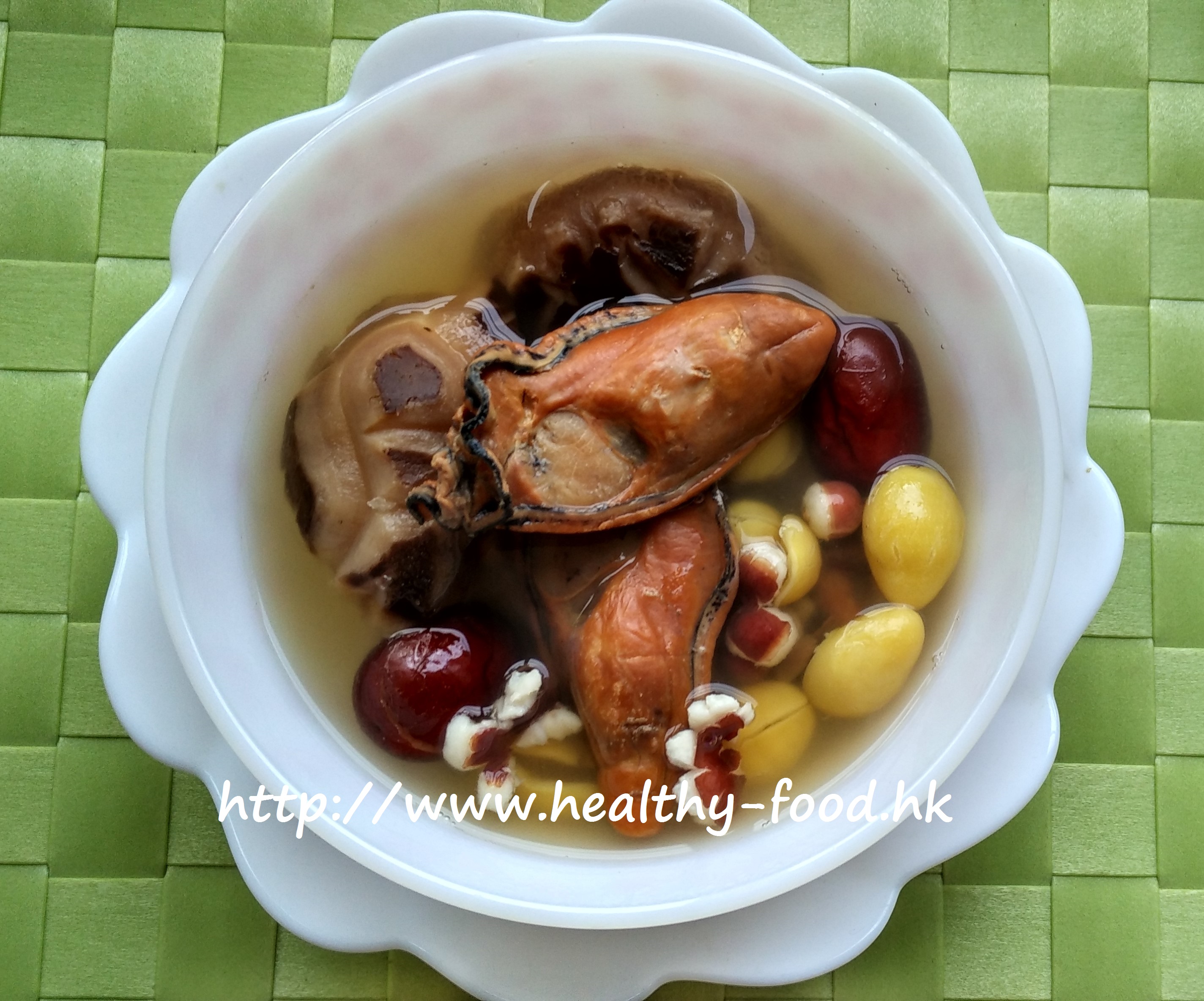
Why people make this soup
Getting up several times a night to use the bathroom is one of those problems that quietly erodes sleep quality and daily energy. In traditional food therapy, frequent night urination in middle-aged and older adults is often associated with declining kidney function — a natural part of ageing, though the degree varies significantly from person to person. Bro Niu introduces this soup as a practical daily food remedy for those who find this pattern affecting their quality of life. It is a full meal in itself, not just a broth — the solids, especially the ginkgo nuts and euryale seeds, are worth eating along with the soup.
Who it suits / who should be cautious
- Suitable for adults and the elderly, especially those experiencing frequent night urination due to age-related kidney decline or general fatigue
- Suitable for women with excessive vaginal discharge (traditional food therapy considers this to share the same root pattern)
- Also associated with supporting those who have a chronic cough or wheezing
- Suitable for those with yin deficiency
- Those with gout or high uric acid should omit the dried shiitake mushrooms; replace with barley or aduki beans, which may help manage uric acid
- Dried oysters should be eaten in moderation by those with high uric acid as well
- Ginkgo nuts: always remove the bitter green inner core; do not exceed 20 pieces per serving — ginkgo nuts contain a mildly toxic compound (ginkgotoxin) that can cause illness if eaten in large amounts
Why these ingredients (the food-therapy logic)
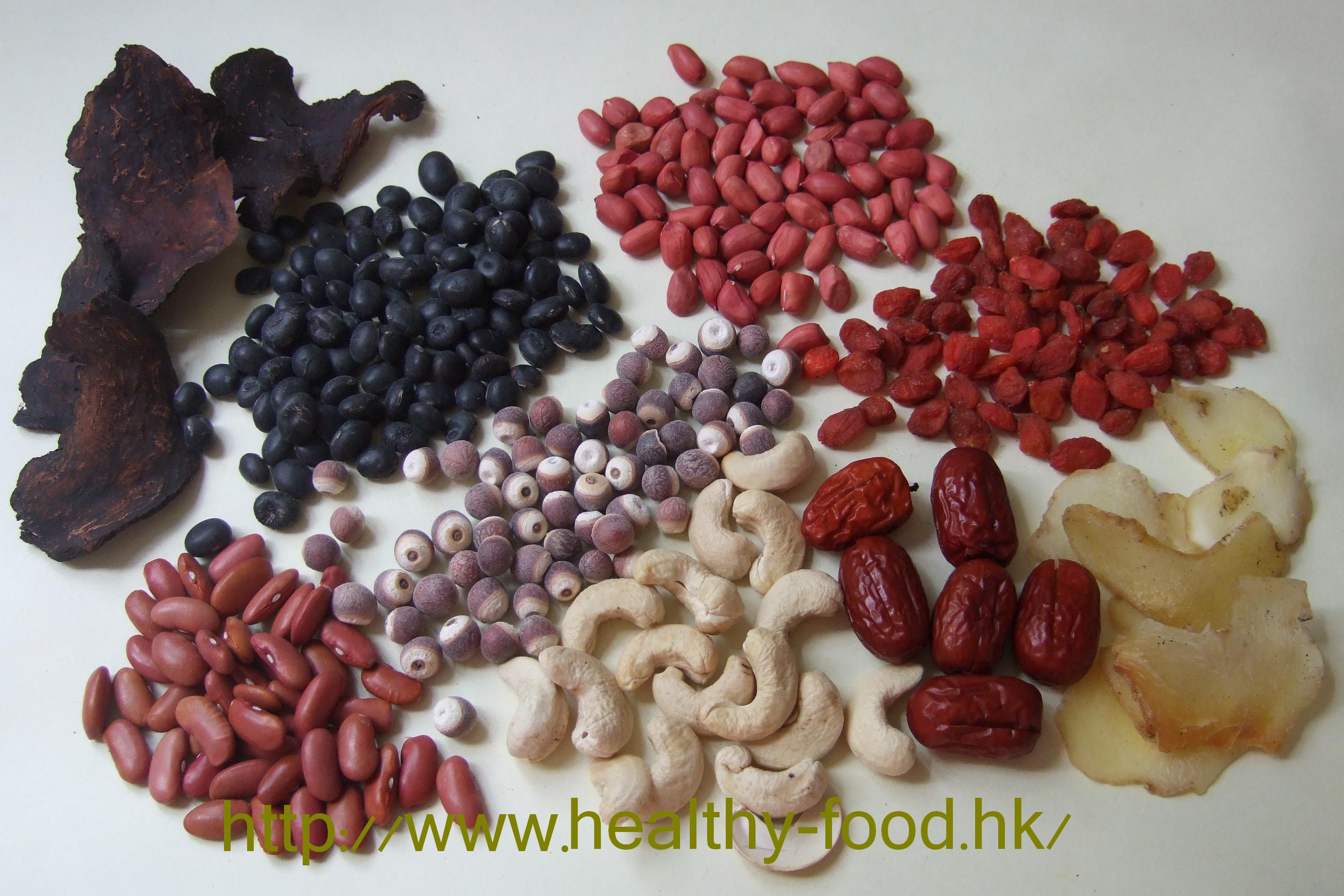
- Ginkgo nuts (bai guo): Used in traditional food medicine to consolidate the kidneys, reduce urinary frequency, ease coughing and wheezing, and reduce vaginal discharge. The bitter green core must be removed before cooking.
- Euryale seeds (qian shi): A gentle astringent in food therapy, traditionally associated with supporting the spleen and kidneys, reducing urinary frequency, and easing damp-related conditions.
- Dried shiitake mushrooms (dong gu): Add depth of flavour and are associated with supporting immune function and general vitality. Omit for those with gout.
- Dried oysters (hao chi): A classic Cantonese ingredient associated with nourishing the blood, calming the spirit, and supporting the kidneys. Use in moderation if uric acid is elevated.
- Red dates (hong zao): Tonify the blood and spirit; balance the flavour of the broth.
- Ginger (sheng jiang): Warms the stomach and supports digestion.
Ingredients (4 bowls)
| Ingredient | Amount | Notes |
|---|---|---|
| Ginkgo nuts | 20 pieces | Remove bitter inner core |
| Euryale seeds | ~40 g | Soaked and rinsed |
| Dried shiitake mushrooms | 4 pieces | Soaked until soft, stems removed |
| Dried oysters | ~75 g | Soaked until soft |
| Fresh ginger | 3 slices | |
| Red dates | 6 pieces | Pitted |
| Water | 8 bowls (~1.6 L) |
Method
- Remove the bitter green inner core from each ginkgo nut.
- Soak the euryale seeds in water for 30 minutes, then rinse well.
- Soak the dried shiitake mushrooms in water until soft; remove and discard the stems.
- Soak the dried oysters until soft.
- Pit the red dates.
- Place all ingredients into a pot with 8 bowls of water.
- Bring to a boil over high heat, then reduce to a medium-low simmer and cook for about 2 hours until the liquid reduces to 4 bowls.
- Serve with all the solids — ginkgo nuts and euryale seeds in particular are worth eating.
Bro Niu’s tips
This soup is warming, nourishing, and suitable for the whole family — old and young alike. Besides its traditional association with reducing night urination, it is considered beneficial in food therapy for women with excessive vaginal discharge and for those who cough or wheeze easily.
For those with gout or elevated uric acid: omit the dried shiitake mushrooms and substitute with barley (yi yi ren) or aduki beans (chi xiao dou). Also eat the dried oysters in moderation.
For an enhanced kidney-support version: add 3 qian (~9 g) of fu pen zi (Chinese raspberry, a small dried red berry available at Chinese herbal medicine shops) to the pot. Bro Niu says fresh-dried red raspberries can also be found in supermarkets as a snack — eating a small amount regularly is associated with supporting urinary frequency reduction.
Community questions answered (selected)
-
Q (Elaine): I have low blood pressure, poor circulation, and my night urination has been getting worse — especially in the days before my period, when I might get up 3 times a night. I also get breathless easily and sleep badly. Bro Niu: Try this soup with huai shan (~40 g) and walnut meat (~40 g) added — they help tonify qi and consolidate the kidneys. Drink the soup and eat the solids; drink 3 doses, then if you see improvement, continue at 2 doses per week.
-
Q (scy): This soup contains shiitake mushrooms — can someone with gout or high uric acid drink it? Bro Niu: If you have gout, omit the shiitake mushrooms and replace with barley or aduki beans, which may help manage uric acid. Also note that dried oysters should not be eaten in large amounts if uric acid is elevated.
-
Q (Mei): My husband has frequent night urination, cold limbs, backache, and insomnia. Is there something more he can add? Bro Niu: For frequent night urination, use this soup with the addition of 3 qian (~9 g) of fu pen zi (Chinese raspberry). It makes the formula even more effective for reducing night-time urination.
Published August 28, 2018 · Adapted and translated for Nourilo from a traditional home-kitchen recipe. Approx. 4 min read.