Soups
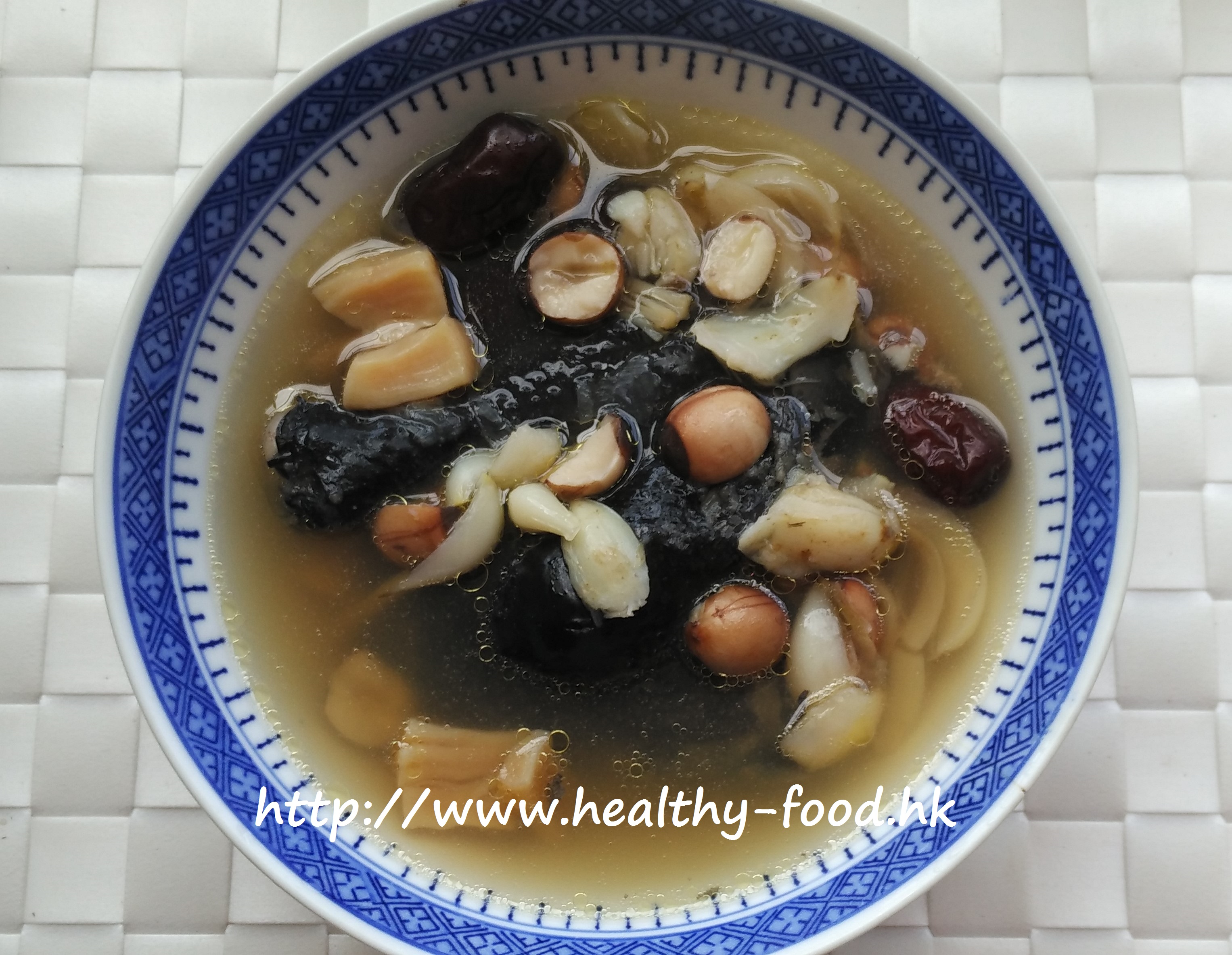
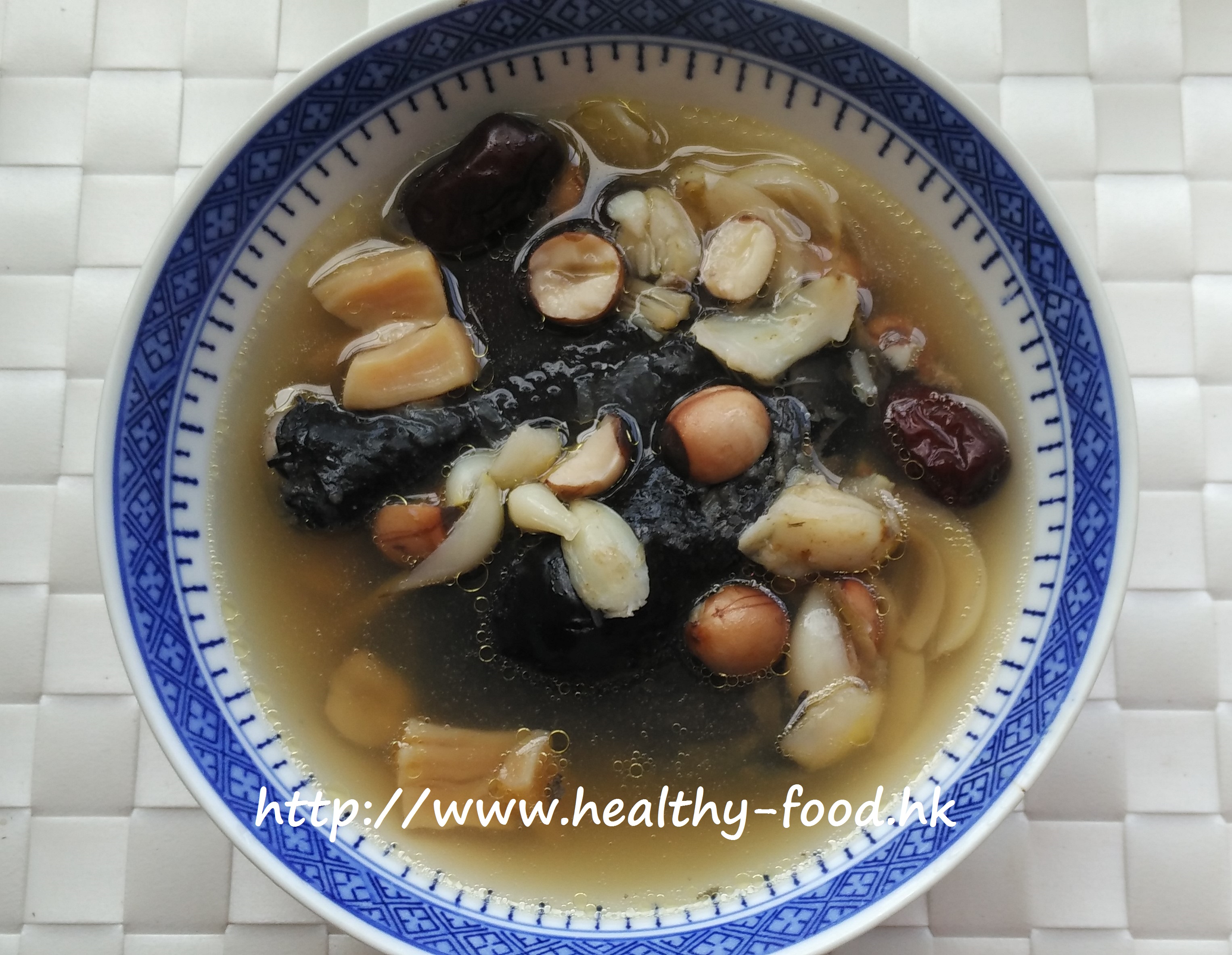
Fresh Lotus Seed, Lily Bulb & Silkie Chicken Soup
traditionally associated with calming the mind, supporting restful sleep, and nourishing the heart and kidneys
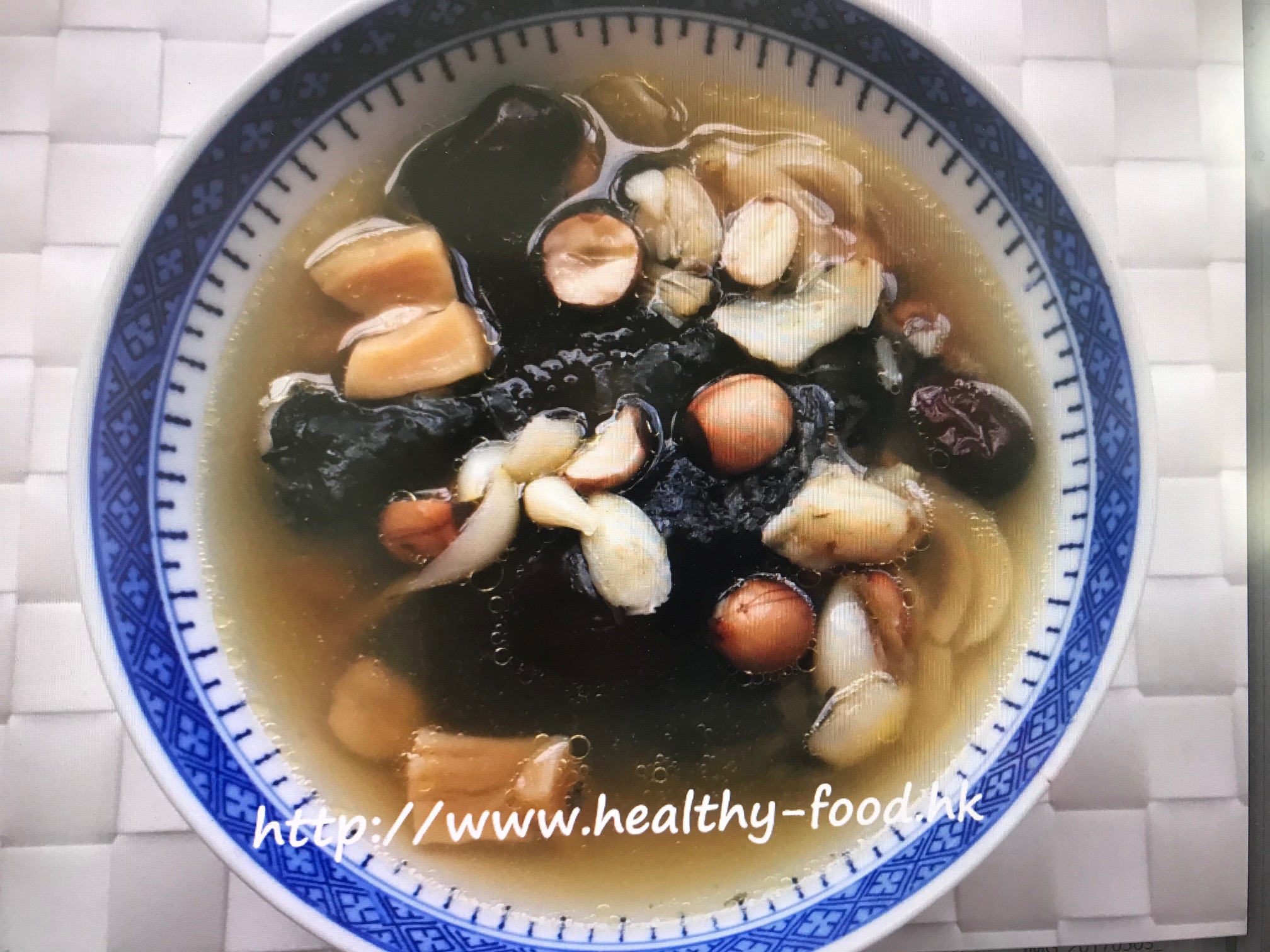
Why people make this soup
Extended periods at home — whether due to lockdowns, illness, or economic uncertainty — take a quiet toll on the mind. Even without immediate crisis, the constant background hum of worry about work, finances, and an unknown future can disrupt sleep, make the mind race, and leave the body feeling perpetually fatigued. When external circumstances cannot be changed, Cantonese food therapy suggests a practical response: nourish your body now so you have the vitality to face what comes next. Fresh lotus seeds are only available for a brief season each summer, and Bro Niu always recommends making the most of them when they appear. Combined with lily bulb and silkie chicken, this soup supports the heart, calms the spirit, and eases the restless, tired-but-wired feeling that marks emotional overload.
Who it suits / who should be cautious
- Suits those feeling anxious, easily fatigued, emotionally flat, or struggling to fall asleep
- Suitable for those who are weak or sensitive constitutions and find rich tonics hard to digest — this soup is nourishing without being heavy
- Good for anaemia or blood deficiency
- Lotus seed core (lian zi xin): if removed, keep it separately to brew as a tea — it has its own cooling, heart-calming use
- Those with cold hands and feet may add 3 g (3 qian) of cinnamon twig (gui zhi) to the soup
Why these ingredients (the food-therapy logic)
- Fresh lotus seeds (xian lian zi): Rich in vitamins, minerals, and alkaloids; traditionally associated with calming the heart-spirit, nourishing the spleen, and supporting restful sleep; the seed core (lian zi xin) is separately used to clear heart fire and lower blood pressure
- Lily bulb (bai he): One of the most important herbs for calming the mind in Chinese medicine; traditionally used for emotional restlessness, disturbed sleep, and the unsettled feeling that follows emotional strain
- Silkie chicken (zhu si ji): Nourishes yin and blood, supports the liver and kidneys, clears deficiency heat — all the qualities needed when the body feels depleted rather than robust
- Dried scallop (jiang yao zhu): Adds depth of flavour and is associated with tonifying yin and kidney essence
- Red dates (hong zao): Nourish qi and blood; support the heart; add natural sweetness to the broth
Ingredients (4–5 bowls)
| Ingredient | Amount | Notes |
|---|---|---|
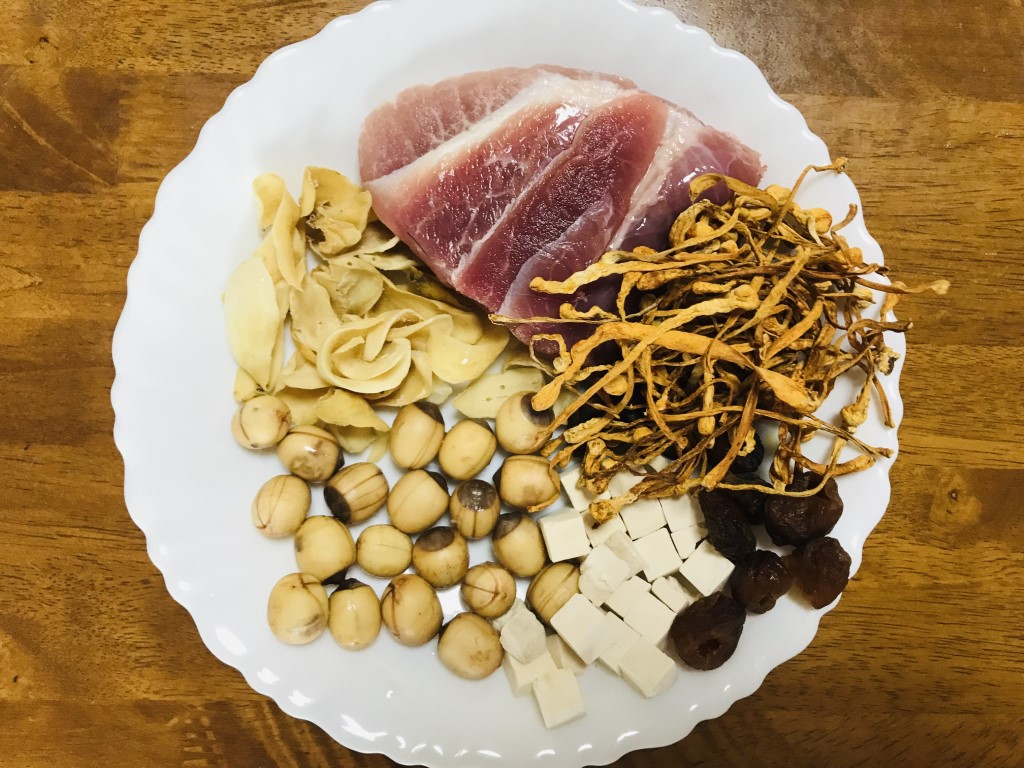
| Fresh lotus seeds | ~115 g | Remove the bitter green core from each seed |
| Dried lily bulb | ~40 g | Rinse and soak briefly |
| Red dates | 6 pieces | Pitted |
| Fresh ginger | 2 slices | — |
| Dried scallop | 3 pieces | Soak in water to soften |
| Silkie chicken | 1 whole bird | Joint into large pieces, blanch in boiling water |
Method
- Remove the bitter core from each fresh lotus seed (push it out with a toothpick or skewer). Rinse the seeds.
- Rinse the lily bulb and scallops. Soak scallops in a little water for 20–30 minutes until soft.
- Pit the red dates.
- Joint the silkie chicken into large pieces. Blanch in a pot of boiling water for 2 minutes; drain and rinse.
- Place all ingredients into a pot with 8–9 bowls (about 2–2.25 litres) of water.
- Bring to a boil, reduce to a medium simmer, and cook for 90 minutes until reduced to about 4–5 bowls.
- Serve — drink the soup and eat the lotus seeds, lily bulb, and chicken together.
Bro Niu’s tips
Fresh lotus seeds contain more vitamins and minerals than the dried version, and they cook faster and have a tender, slightly milky texture. The lotus seed core, which you remove before cooking, is mildly bitter and can be brewed on its own as a simple cooling tea — it is traditionally associated with clearing heart fire and helping to lower blood pressure. If fresh lotus seeds are unavailable, substitute 40 g of dried lotus seeds (with skin if possible — they offer slightly better nourishing quality). For those with anaemia or constitutionally weak bodies who find tonics hard to digest, this soup is ideal — it nourishes gently and thoroughly without being too heavy.
Community questions answered (selected)
-
Q (Rosita): My hands and feet are always cold — can I drink this soup? Bro Niu: Yes, this soup is suitable. Adding 3 qian (about 9 g) of cinnamon twig (gui zhi) to the pot will make it even more effective for warming the extremities.
-
Q (meimei): What is the difference between white lotus seeds and Hunan lotus seeds (xiang lian)? The price difference is significant. Bro Niu: White lotus seeds are peeled; Hunan lotus seeds retain their skin. Hunan lotus seeds have a slightly better nourishing effect on the blood and heart-spirit. White lotus seeds lean more toward moistening the lungs. Choose based on your need — both are good.
-
Q (small wheat): If I cannot find fresh lotus seeds, should I halve the quantity of dried ones? Can I use either peeled or unpeeled dried lotus seeds? Bro Niu: Use 40 g (about 1 liang) of dried lotus seeds as a substitute. Lotus seeds with their skin still on are preferable for a slightly richer nourishing effect.
Published August 10, 2020 · Adapted and translated for Nourilo from a traditional home-kitchen recipe. Approx. 4 min read.